

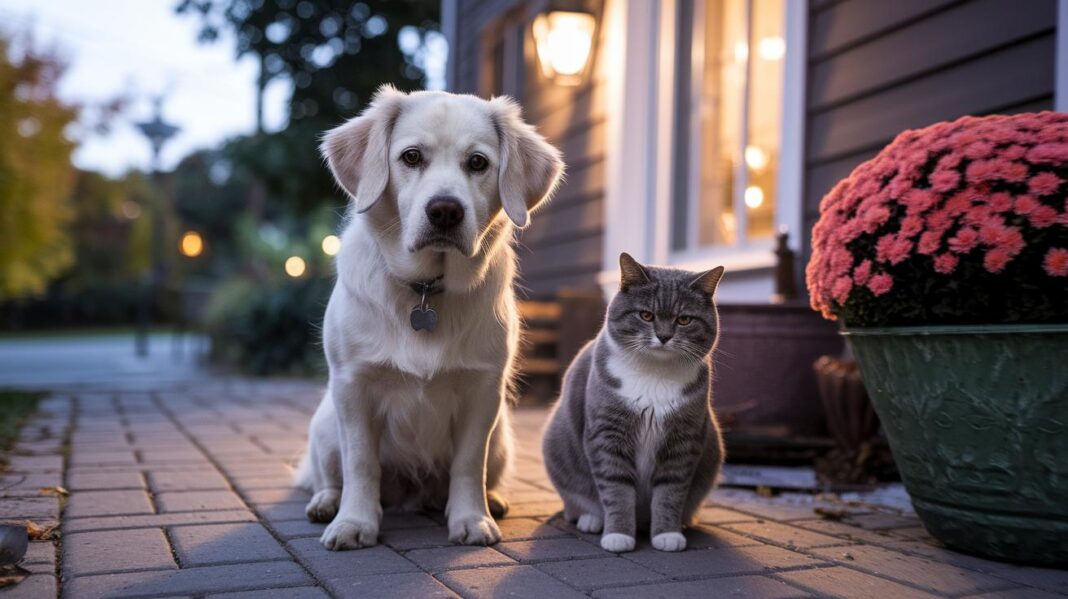

Have you noticed that your pet seems more upset when left alone? With our busy schedules coming back, many pets now feel anxious. During the pandemic, pets enjoyed extra time with us at home. But now, with less one-on-one time, both dogs and cats show clear signs of stress. In 2020, people spent almost two extra hours each day with their furry friends. Recognizing this change helps us take kind steps to ease their worries and support them during our new routines.
Understanding the Surge in Separation Anxiety in Pets
Many pets are finding it hard to adjust to new daily routines. During the pandemic, pets enjoyed the constant company of their owners who worked from home. Now that life is busier, pets face longer hours alone. In 2020, people spent almost two extra hours at home compared to the previous year. With those extra hours gone, many pets now struggle with being on their own.
Changes in exercise routines, feeding times, and daily interactions also add to pet anxiety. Both dogs and cats feel the stress of these shifts. Dogs, especially those adopted during the pandemic, may show signs like destructive behavior, excessive barking, or agitation when left alone. Even short separations can make a usually calm pet react strongly.
Understanding that these changes come from the loss of constant human interaction is the first step in helping your pet. Making slow, gradual changes to your routine can ease their stress. This way, pets have a better chance to adjust and feel secure again.
Lifestyle Shifts Fueling Escalating Stress in Companions

City life can be tough for our pets. With fewer parks and smaller living spaces, animals don’t always get the playtime they need. One busy pet owner even noticed a 35% jump in anxious behavior after returning to an office routine.
You can help ease this stress by tweaking your routine little by little. Try stepping out for just a few minutes and reward your pet when they stay calm. This gradual change can make a big difference.
| Step | Action |
|---|---|
| 1 | Begin with very short trips |
| 2 | Slowly increase your time away |
| 3 | Praise and reward calm behavior when you return |
Dr. Anna Fields (DVM, 2023), a licensed veterinarian, advises that these small, steady changes can help reduce your pet’s stress. One pet parent shared, "I started with five-minute breaks, and over time, my dog grew more confident during longer absences."
Environmental and Psychological Triggers of Separation Anxiety in Pets
Changes at home, like moving, renovating, or adding a new pet, can upset your furry friend and lead to separation anxiety. For example, a dog that once felt safe in a quiet house might show distress when a new pet joins the family.
Long-term stressors, such as an owner's illness or losing a loved one, can also make pets anxious. When familiar routines change, pets may act uneasy even if nothing obvious has happened. One pet owner said, "After my mother passed away, my dog became noticeably more nervous during my short departures."
Early life experiences matter too. Dogs from shelters or those raised by one person might not have had plenty of social time to build confidence. Sometimes, pets become anxious later simply because they missed proper exposure during their early months.
These changes that seem small to us can be big triggers for our pets, leading to separation anxiety and feelings of loneliness.
Recognizing Symptoms and Diagnostic Evaluations for Separation Anxiety in Pets

A lot of pet owners see that their pets act upset when they’re left alone. Your furry friend might bark, whine, or even chew on things around the house. These behaviors are signs that your pet is feeling distressed. Some pets may start destroying items, have accidents indoors, or pace back and forth all day. One owner said, "My dog would pace by the door every time I left, even if it was just for a few minutes."
Your vet will usually start by asking about your dog’s daily routine and any changes at home. They might ask you to leave your pet alone for a short time, so they can watch how your pet reacts when you return. This quick check lets the vet see if it's really separation anxiety or another behavior issue at play.
Vets tend to look for signs such as:
- Excessive vocalization
- Destructive behavior
- Indoor elimination (accidents inside)
- Pacing or restlessness
- Escaping attempts
- Overgrooming or self-harm
By putting together what they observe and what you share, your vet gets a clear picture of your pet’s feelings. This helps them come up with a plan to boost your pet’s confidence and make being alone a little easier.
Proven Strategies and Treatments to Address Rising Separation Anxiety in Pets
Many pet owners use a mix of methods to help pets feel safe when left alone. Start with short departures of 5 to 10 minutes, then slowly extend the time over several weeks. Reward each small success with a treat and a cheerful welcome. This approach builds your pet's confidence and helps them learn to be independent.
Interactive toys can keep your pet engaged. Items like food puzzles, snuffle mats, or simple hide-and-seek games offer fun activities that keep their mind busy. These games help lower anxiety by giving pets a distraction during your absence.
Calming aids also work well. Pheromone diffusers (devices that release natural, calming scents), anxiety wraps, and ThunderShirts make your pet feel more secure. If your pet struggles too much alone, consider doggy daycare or a pet sitter. Many owners have seen a big change with these easy adjustments.
Your veterinarian might suggest medical support if the anxiety is more severe. Prescription meds such as Clomipramine, Fluoxetine, or Trazodone can help when needed. Natural supplements with l-theanine (a calming ingredient) and tryptophan (which boosts mood) might also be recommended. Combining these treatments with behavioral tips often brings the best results.
These steps offer hope for easing separation anxiety. By gradually changing routines and mixing interactive and calming strategies, many pet parents notice improvements over time. Progress might be slow, but every little step really helps.
| Strategy/Treatment | Description |
|---|---|
| Timed Departures | Short absences slowly extended to build tolerance |
| Interactive Toys | Puzzles and sniff mats to keep your pet busy |
| Calming Aids | Pheromone diffusers and anxiety wraps for a soothing environment |
| Alternate Care | Doggy daycare or pet sitters to reduce alone time |
| Medical Support | Prescription meds and natural supplements under vet guidance |
Final Words
In the action, we covered how routine changes since the pandemic have led to rising separation anxiety in pets why its increasing, along with environmental and psychological triggers that add to their stress.
We looked at clear signs such as excess barking and destructive behavior and discussed step-by-step strategies for easing this distress. These insights help pet parents decide on smart care and treatment options. The hope is that with these guidelines, pets can regain their calm and adjust more comfortably to daily changes.
FAQ
How can dog separation anxiety be cured quickly?
The process of curing dog separation anxiety quickly usually involves gradual training, short departures that build tolerance, engaging toys, and possibly calming aids under veterinary guidance.
What should you not do with dog separation anxiety?
The approach should avoid punishment, abrupt changes, or forcing your pet to face long absences. Instead, use calm routines and positive reinforcement to help your dog adjust.
What are dog separation anxiety symptoms?
Dog separation anxiety symptoms include constant barking, excessive chewing, pacing, indoor accidents, and destructive behavior. These signs indicate your pet is stressed when left alone.
Why does my dog have separation anxiety all of a sudden?
Sudden dog separation anxiety may occur from changes in routine or the environment, such as one person leaving or home updates. Pets react strongly when their familiar schedule shifts unexpectedly.
How does dog separation anxiety manifest when one person leaves?
Dog separation anxiety when one person leaves suggests your pet is especially attached to that person. This behavior highlights your dog’s stress caused by the change in human presence.
What treatments are available for dog separation anxiety?
Dog separation anxiety treatment involves gradual desensitization, using interactive toys, calming aids, and short practice separations that build up over time to ease your pet’s distress.
What home remedies can help with separation anxiety in dogs?
Home remedies for separation anxiety in dogs include using interactive toys, pheromone diffusers, and simple training exercises with brief departures that naturally ease your pet’s anxiety.