



Have you ever wondered if strict rules are really needed for pet training? Force free training flips old ideas on their head. It uses tasty treats and kind words instead of punishment, so your pet learns happily without stress. This gentle approach builds trust and turns training into a fun time for you both. In this post, we show you how rewarding your pet can teach new commands and even strengthen the bond you share. Get ready to learn why a gentle touch can lead to a happier, well-behaved friend.
Force Free Pet Training Methods: Gentle Wins
Force free pet training uses rewards to help your pet learn and strengthen your bond. Instead of punishment, you offer small, soft treats, toys, or kind words. This method is based on operant conditioning (a way to train by giving rewards for good behavior), showing your pet that actions like sitting on command lead to a positive outcome.
It avoids harmful tools like choke, prong, or shock collars. Instead, you use clear cues and steady rewards. For example, if your dog sits when asked, a tasty treat and a warm "good job" make it clear that the behavior is appreciated.
Daily routines matter, too. Short, fun practice sessions with basic commands like sit, stay, and come help your pet learn over time. Activities like walking on a loose leash or greeting calmly at home not only improve behavior but also build trust between you and your pet.
Remember, patience and consistency are key. With time, this reward-based method lessens stress and improves your pet's overall well-being, turning each lesson into a pleasant shared experience.
Key Principles Behind Force Free Pet Training Methods
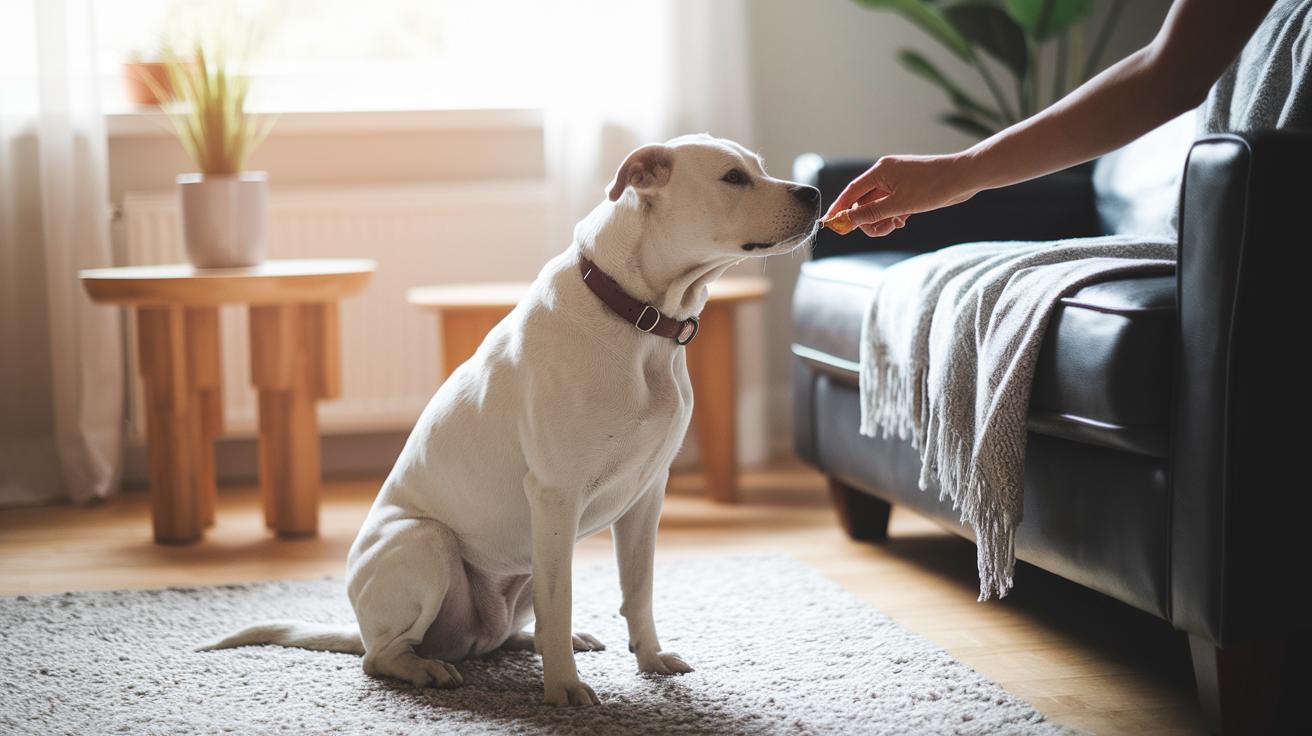
Force free training uses clear cues and rewards to help your pet learn in a caring way. When your pet follows a command like "sit," it earns a treat. This method avoids harsh tactics and puts to rest old ideas about needing to dominate your pet.
This approach relies on gentle coaching and clear signals that build trust. Every training session is calm and low-stress, letting your pet learn happily.
| Key Component | Description |
|---|---|
| Learn to Earn Rule | Your pet gets a reward each time it follows a command, which builds positive behavior |
| Noncoercive Obedience Coaching | Training with engaging lessons that avoid force |
| Mindful Pet Communication | Clear cues help build trust and promote ethical training methods |
Step-by-Step Guide to Reward-Based Force Free Pet Training
Start in a calm, quiet spot where your pet can focus on you. Begin with a basic command like "sit." Use small, soft treats cut into little pieces so your dog quickly links the word with the reward. Say "sit," wait until your dog sits, then offer a treat right away along with a gentle "good sit!" This quick pair-up helps your dog understand that sitting is a win.
Next, work on "stay" and "come." Start by giving the command and rewarding almost immediately. Over time, slowly wait a little longer before giving the treat. If you see that treats aren’t enough, switch it up with a favorite toy or even a cozy snuggle break.
Loose-leash walking is another important step. While you walk together, hold the leash gently and reward your pet whenever they walk calmly. If your dog starts to pull, simply stop walking and say "easy" in a soft tone until your pet calms down. Once your dog settles, start walking again and praise them for the calm pace.
When you come home, ask your pet to greet you in a calm way. If they do, give them a treat and some kind words to show you’re happy with their behavior. If you use a clicker, click right when your pet shows the right behavior and follow it with a treat.
Remember, training is a journey that takes time and patience. Each small step builds trust and makes learning fun for both of you.
Essential Tools and Resources for Force Free Pet Training Methods
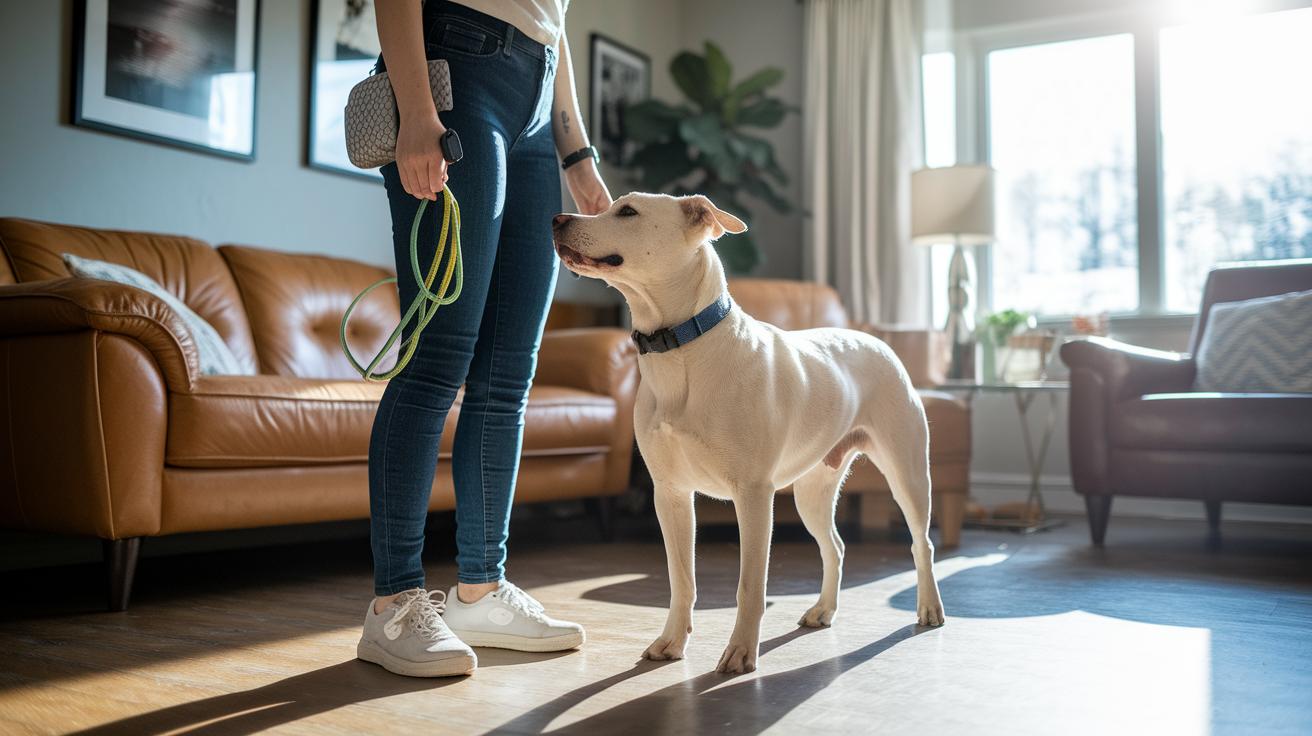
Start with the basics: get gear that helps your pet learn with rewards. Begin by using a flat, soft nylon collar that fits well so your pet stays comfortable and you can communicate clearly. A standard 6-foot leash (about 1.8 meters) works great for walks and helps you keep control. If your dog tends to pull, try a harness to keep them safe and avoid any discomfort.
Key items to have include:
- A clip-on treat pouch to keep rewards handy during training.
- Small, chewy treats or a favorite toy for pets who might not be motivated by food.
- A dog clicker (a small device that makes a sound to mark good behavior) which instantly lets your pet know they did something right.
Each of these tools helps build a training plan that fits your pet’s needs. You can even ask a certified trainer for extra help if you need it. Adjust rewards to match what your pet loves, and keep track of progress so you can celebrate each small win together.
Overcoming Common Behavioral Challenges with Force Free Pet Training Methods
Pets sometimes pull on the leash, jump on visitors, or get so bored they have accidents indoors. With force free training, you can use calm, gentle methods to help your pet learn better manners. For example, if your dog pulls on the leash during a walk, stop and try a simple loose-leash walk routine. A brief pause with a soft cue like "easy" shows that staying calm earns rewards.
At the door, ask your pet to sit and wait so they don’t jump on visitors. Reward your dog when it stays calm. This kind, gentle approach teaches good behavior without any force.
Keep your pet engaged with fun changes throughout the day. Use puzzle toys, take relaxed sniff walks in the yard, or play simple training games to break up the routine. These lively activities help reduce boredom and lower stress.
If your pet barks too much or tends to bite, try redirecting its attention with interactive play. Use a clear command, then give a reward for following through. These regular, low stress techniques build trust and help smooth out behavior challenges.
Comparative Benefits of Force Free Versus Punitive Pet Training Methods

Force free training helps you build a strong bond with your pet by using treats, praise, and play to reward good behavior. This method makes your pet feel safe and appreciated, leading to lasting habits. When your pet follows a command and gets a reward, it forms a positive memory that encourages repeated behavior.
On the other hand, punitive training uses punishment or strict corrections that can cause fear and defensive actions. These harsh methods might make your pet obey for a short time, but they can weaken the bond between you and your pet and even lead to fear-based aggression.
| Training Approach | Impact |
|---|---|
| Force Free | Creates trust and a strong bond through rewards and positive reinforcement |
| Punitive Methods | May cause stress, fear, and defensive behavior that weakens the bond |
Non-punitive techniques not only keep your pet calm but also support their overall well-being. This gentle way of teaching builds lasting discipline that benefits both you and your pet.
Real-Life Success Stories of Force Free Pet Training Methods
A small puppy learned to sit and stay in just four weeks by using positive rewards. This shows how a steady routine with clear treats can make your pet eager to learn. The pup grew self-motivated through kind, step-by-step training that celebrated every achievement.
One teenage dog once had trouble coming when called. The owner switched to reward-based training and worked together during friendly sessions. Now the dog happily runs over when it hears its name. This change shows how a little patience and lots of praise can make a huge difference.
A heartwarming story comes from a shelter rescue dog. At first, the dog was very scared. With several gentle training sessions, it gradually built up confidence. Soon, the dog started joining in with a simple routine, increasing trust with its new family.
These examples prove that force free training not only improves behavior for the long term, but also respects each pet’s unique pace. With a caring routine and clear rewards, any pet can learn and grow happier every day.
Expert Tips for Sustainable Force Free Pet Training Methods
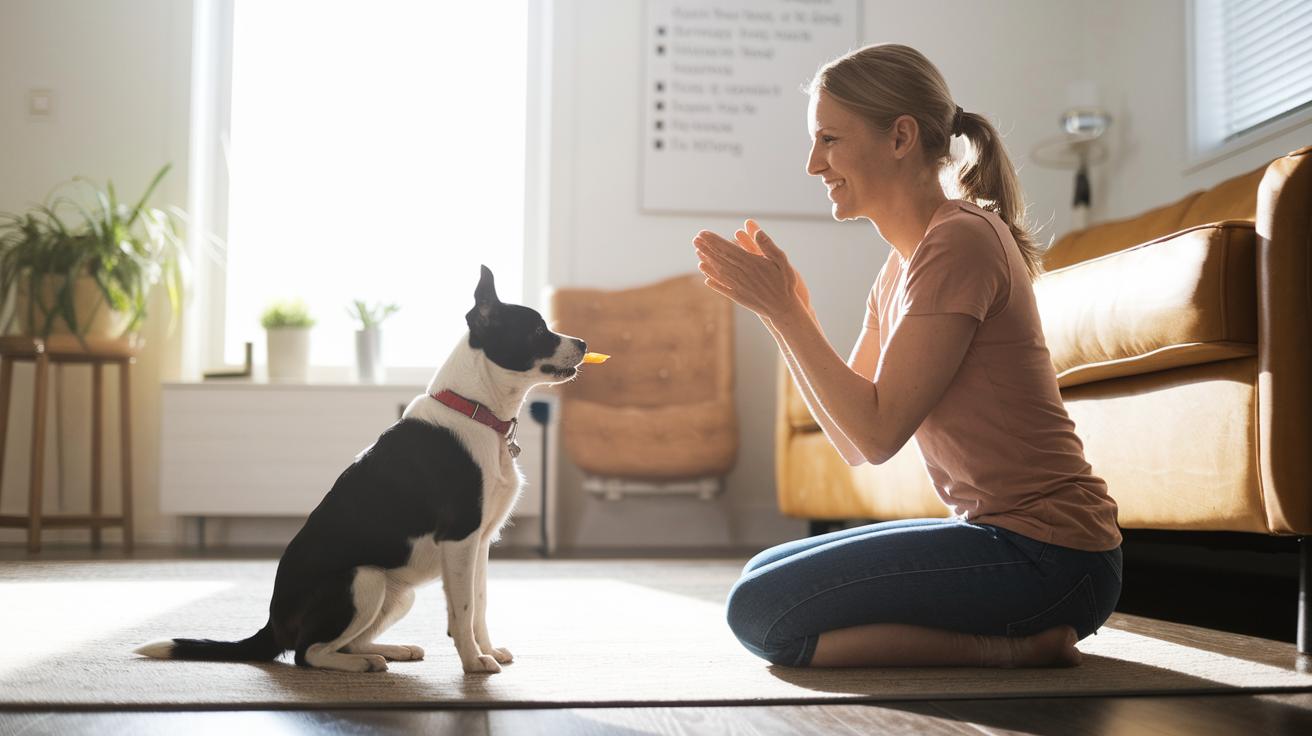
Begin by setting clear and realistic goals. Keep a simple log to track your pet’s progress, this helps you notice little improvements and adjust training as needed. Consistency leads to strong, lasting habits.
Mix up the rewards to keep things exciting. Try switching between small treats, toys, or extra playtime so your pet always looks forward to training. This keeps the process fun and engaging.
Check your cues and reward timing often. If you see certain cues work better, adjust your approach. Rather than relying on outdated ideas of dominance, opt for playful, team-oriented games that boost your pet’s confidence.
If you run into challenges or need fresh ideas, consider talking with a certified pet professional. Their advice can help keep your training routine on track and build a positive, lasting bond with your pet.
Final Words
In the action, we uncovered how to use treats, toys, and praise rather than punishments. We showed how reward based instruction and trust building exercises can improve pet behavior.
The post walked through clear steps, from simple commands to tackling challenges like pulling and jumping.
Using force free pet training methods builds a lasting bond while keeping training fun and stress-free.
Keep practicing, stay patient, and enjoy the progress you make with your pet.
FAQ
Force free pet training methods reddit
The force free pet training methods on reddit are discussed by pet owners sharing experiences, tips, and advice on using rewards like treats, praise, and toys to teach pets without punishment.
Force free dog training near me
The search “force free dog training near me” guides pet owners to local trainers who use reward-based methods. These professionals focus on building trust and positive behaviors in dogs.
Best force free pet training methods
The best force free pet training methods use reward-based techniques such as treats, toys, and praise to encourage desired actions. This approach builds trust and creates strong, lasting bonds between pets and their owners.
Force free dog training books
Books on force free dog training provide guidance on using rewards and clear cues to teach commands. They offer practical steps, tips, and routines to help owners manage common behavior challenges.
Force-free vs balanced dog training
The force free versus balanced dog training discussion shows that force free focuses solely on rewards, while balanced training may combine rewards with corrections. Force free methods emphasize kindness and trust-building.
Force free Certification
Force free Certification indicates that a trainer has met standards in reward-based, humane training methods. Certified trainers are recognized for promoting ethical, stress-free behavior modification techniques.
Force-free training
Force-free training means using only rewards like treats, toys, and praise to encourage good behavior. It avoids any punitive measures, aiming to build a robust and positive owner-pet relationship.
Does force free dog training work
Force free dog training works by consistently reinforcing desired behaviors with rewards. It builds trust and promotes learning by associating training with positive, stress-free experiences for the pet.
What is force-free training techniques?
Force-free training techniques use rewards, consistent cues, and gentle guidance to teach pets. This approach avoids punitive tools and focuses on enhancing a pet’s confidence and willingness to learn.
What is the 777 rule for dogs?
The 777 rule for dogs suggests focusing training in bursts, such as seven seconds of focus, seven minutes of directed training, and consistent practice over a seven-day period, aiming to build steady progress.
What is the 10 10 10 rule for puppy training?
The 10 10 10 rule for puppy training often means engaging in multiple ten-minute sessions throughout the day, using ten attractive rewards, and repeating the routine to keep puppies engaged and learning effectively.
What are the 4 F’s of dog behavior?
The 4 F’s of dog behavior refer to common instinctive responses: fight, flight, freeze, and fawn. Understanding these helps owners interpret their dog’s actions and adjust training to calm anxious or reactive pets.