


Are you sure your dog is getting the right food for its age and weight? Many pet owners find it hard to set up the perfect feeding plan. This handy guide gives you a simple diet chart that fits your pet’s daily routine, whether your pup is full of energy or a calm senior. It breaks down how many meals to serve and the proper portions to keep your dog strong and happy. Read on to learn how to make mealtimes a breeze and ensure your furry friend stays healthy.
Comprehensive Dog Diet Chart by Age and Weight
This guide helps you feed your dog based on their age and weight. It is designed to be a quick reference for busy pet owners. For example, puppies from 8 weeks to 4 months old generally eat 3 to 4 meals a day. Then, between 4 and 6 months, they switch to 2 meals daily. Adult dogs (1 to 7 years) do well with 2 meals a day, which can help prevent extra weight gain since many urban dogs carry extra pounds. Senior dogs over 7 years old might do best with 2 smaller meals or sometimes 3 meals, because they need fewer calories.
The daily calorie need is calculated as (weight in kg x 30) + 70. Active dogs might need about 20% more calories, while less active or older dogs may need 10-20% fewer. Always check your dog food’s label for its calorie content to fine-tune the portions.
| Age Group | Weight Category (lbs) | Daily Portions (cups) | Meal Frequency |
|---|---|---|---|
| Puppy (8w-4m) | Small (<20 lbs) | 1.0 | 3-4 meals |
| Puppy (8w-4m) | Medium (20–50 lbs) | 1.5 | 3-4 meals |
| Puppy (8w-4m) | Large (>50 lbs) | 2.0 | 3-4 meals |
| Puppy (4-6m) | Small (<20 lbs) | 0.8 | 2 meals |
| Puppy (4-6m) | Medium (20–50 lbs) | 1.2 | 2 meals |
| Puppy (4-6m) | Large (>50 lbs) | 1.8 | 2 meals |
| Adult (1-7 yrs) | Small (<20 lbs) | 1.0 | 2 meals |
| Adult (1-7 yrs) | Medium (20–50 lbs) | 2.0 | 2 meals |
| Adult (1-7 yrs) | Large (>50 lbs) | 3.0 | 2 meals |
| Senior (>7 yrs) | Small (<20 lbs) | 0.8 | 2 meals |
| Senior (>7 yrs) | Medium (20–50 lbs) | 1.5 | 2 meals |
| Senior (>7 yrs) | Large (>50 lbs) | 2.5 | 2-3 meals |
Remember, these cup measurements are only estimates. Always check the calorie details on your dog food’s packaging and adjust the amounts based on your pet’s activity level and needs. This guide is a handy tool to help you keep your dog well-fed and healthy at every stage of life.
Calorie Calculation for Weight-Based Dog Diet Chart
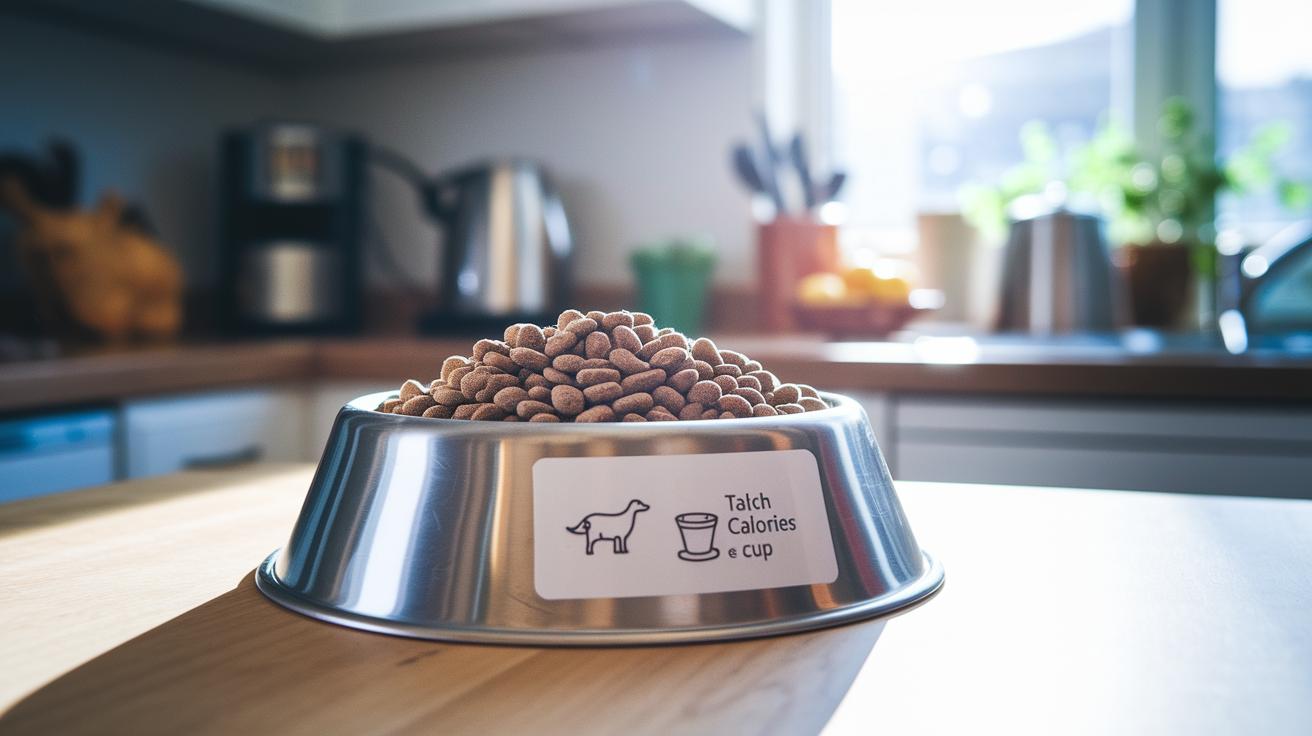
After you figure out your dog's total daily calorie needs (see previous steps), it's time to turn that number into a food portion. Check the calorie details on your kibble bag. Divide your dog's daily calories by the calories per cup stated on the bag. For example, if your dog needs 370 calories and the bag shows 370 calories per cup, serve one cup of food each day.
It's important to read the food label carefully. Look for the calories per cup and note other info like protein and fat content. Comparing these details across different brands can help you choose the best diet for your dog. For more tips on reading food labels, check out “Understanding Pet Food Nutrition Labels” (https://petsnewz.com?p=1174).
Here's a quick checklist for converting calories to portions:
- Figure out your dog's daily calorie needs.
- Find the calories per cup on your kibble bag.
- Divide the daily calorie number by the calories per cup to get the serving size.
Using this method makes it easy to give your dog the right amount of food based on their specific calorie needs.
Puppy Diet Chart by Age and Weight
For puppies aged 8 weeks to 4 months, serve 3 to 4 small meals daily. These little meals help keep their blood sugar steady and support all that rapid growth. For instance, a 10-week-old pup might eat at 7 AM, 12 PM, and 5 PM. A set schedule like this helps keep your puppy happy and full of energy.
At 4 to 6 months old, most puppies can move to 2 meals a day. This change is an important step in their growth. Even with fewer meals, make sure the food still gives all the nutrients they need. Keep an eye on their growth during this stage. Overfeeding might add extra weight and put pressure on growing joints, while not feeding enough can slow their progress. Careful meal planning helps get the portions just right.
When it's time to switch from puppy food to adult food, the right time depends on your pup's breed size. Small breeds usually switch between 9 and 12 months, medium breeds around 12 months, and large or giant breeds between 18 and 24 months. Transition slowly over 7 to 10 days. Start by mixing 25% new adult food with 75% puppy food, then gradually change the ratio. This slow change helps avoid tummy trouble and lets your puppy’s digestive system adjust smoothly.
Adult Dog Diet Chart by Weight
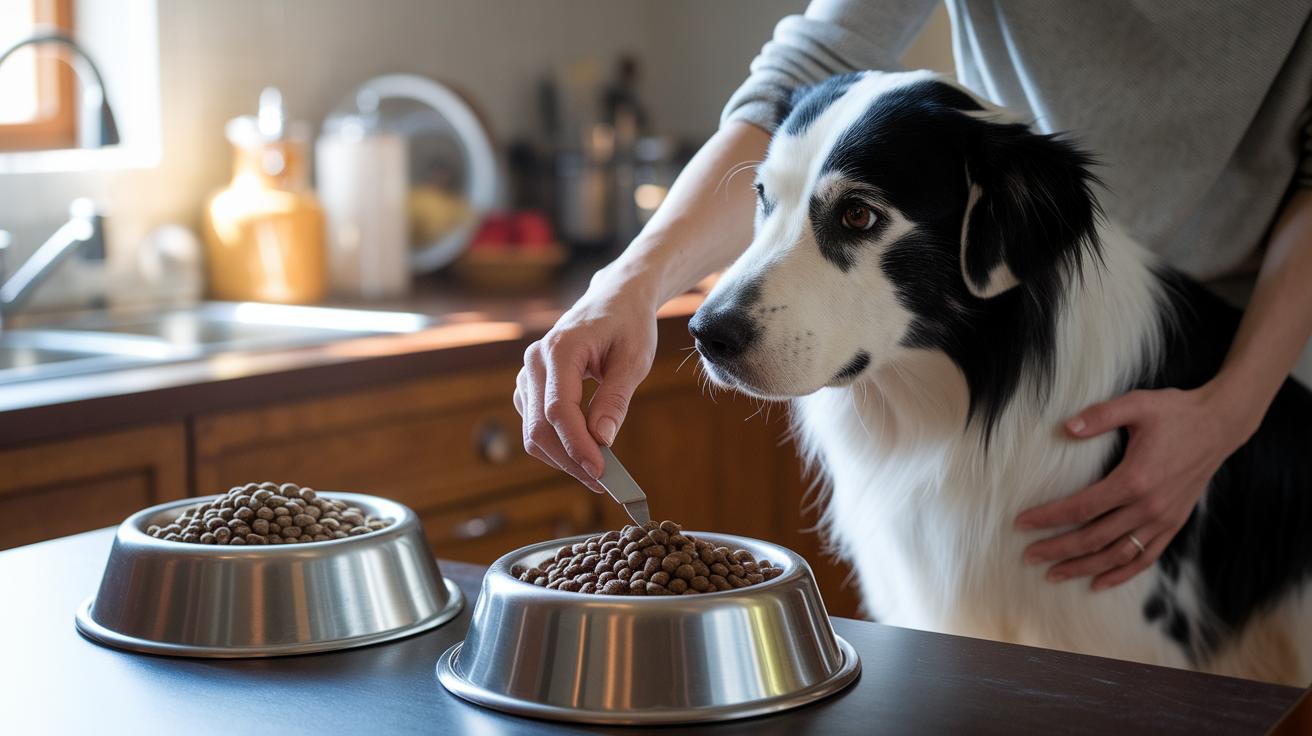
Adult dogs between 1 and 7 years old should eat two meals daily. Splitting their food helps keep their energy steady and weight steady too. If your dog is very active, add about 10-20% more food. For a less active pet or one gaining weight, cut portions by 10-15%. This steady feeding supports healthy metabolism and helps prevent joint issues and extra weight.
Practical Tips for Monitoring Body Condition
Regularly check your dog's body. Gently feel along their ribcage, ribs should be easy to feel but not stick out. Look from above to see a noticeable waist and a slight tuck in the belly. If you see changes in weight or energy, adjust the portions gradually.
Senior Dog Diet Chart by Weight and Age
Senior dogs over 7 need a change in their diet. Their bodies work slower now, so they use energy differently. Try cutting their calories by 10-20% compared to younger dogs. This small change can help keep weight in check while still giving them the energy they need.
Quality protein is a must. It helps your dog keep its muscle as it gets older. Also, adding more fiber helps with digestion. Lower phosphorus is important too because it protects sensitive kidneys.
Sometimes, a few supplements can help. Glucosamine can ease joint discomfort, probiotics balance the gut, and omega-3 fatty acids keep the coat shiny and the skin healthy. When you shop, check the label for recipes made for senior dogs. For more details, see “Dog Food Nutrition Facts Explained” at https://petsnewz.com?p=1200.
Here are five nutrient tweaks to consider:
- More quality protein
- Extra fiber
- Lower phosphorus
- Moderate amounts of healthy fat
- Vet-approved supplements
These changes can help your dog stay strong and full of energy. Adjust feeding times and portions as needed, and keep an eye on their weight and mood. Even small changes can make a big difference in joint health, digestion, and overall well-being.
Diet Transition Guidelines for Dog Diet Chart by Age
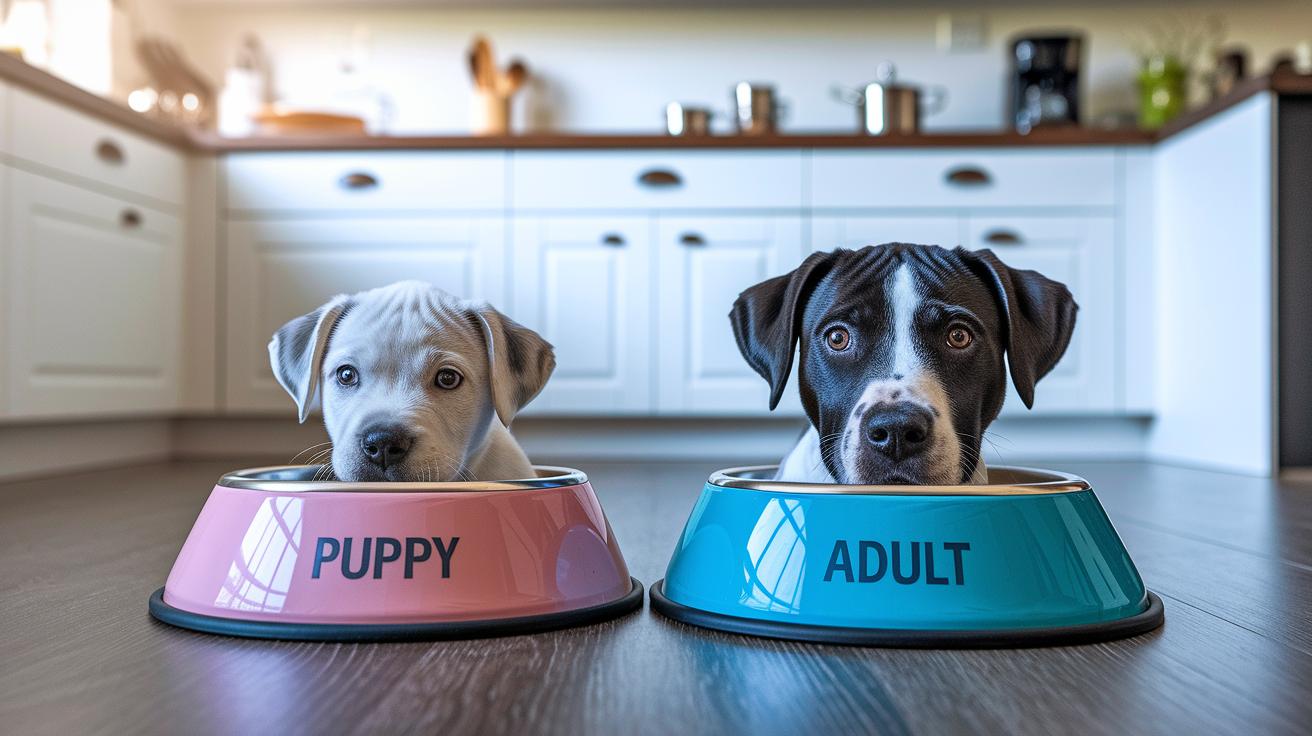
Switching your puppy to adult food is made easy. You can find all the simple steps and tips in the Puppy Diet Chart by Age and Weight section. This guide helps ensure your pup’s diet changes smoothly as they grow.
Final Words
In the action of planning balanced meals, the post covered feeding schedules for puppies, adults, and seniors, along with an HTML table to quickly check portion sizes by weight. It laid out how to adjust calories for active pups and slower seniors, and even detailed gradual food transitions.
Using the dog diet chart by age and weight, pet owners can fine-tune feeding routines to keep pets healthy, safe, and happy. Follow these clear steps to feel confident in making care decisions and enjoy mealtime with your furry friend.
FAQ
How much to feed a dog by weight (kg)?
The feeding portion for a dog is based on its weight in kilograms. Use the formula (weight in kg × 30) + 70 calories to guide how many calories your dog should consume, then adjust portions accordingly.
How much wet food to feed a dog by weight kg?
The wet food amount for a dog depends on its kilogram weight. Check the calorie information on the food label and use a dog diet chart to determine the proper volume to feed your pet.
How can I calculate how much to feed my dog?
The feeding calculator uses your dog’s weight and age to estimate daily portions. It applies a formula such as (weight in kg × 30) + 70 calories and considers activity levels for balanced meal planning.
What do Labrador feeding chart by age guidelines include?
The Labrador feeding chart provides age-specific meal portions. It outlines recommended cup measurements and meal frequencies for puppies, adults, and senior Labradors to ensure they get balanced nutrition.
What information does a dog feeding chart provide?
A dog feeding chart shows everyday portions based on age and weight categories. It offers clear cup measurements and meal frequency advice to help you avoid overfeeding and keep your dog healthy.
Is 2 cups of food a day enough for a dog?
The suitability of 2 cups a day depends on your dog’s size, age, and activity level. Smaller dogs might do well with this amount, while larger or more active breeds could need a higher volume.
What is the 80 10 10 rule for dog food?
The 80 10 10 rule means feeding a diet with 80% lean muscle meat, 10% organs (or sometimes fruits) and 10% vegetables. This mix is designed to offer a balanced array of protein and nutrients.
Is 4 cups a day enough for a 70 lb dog?
The feeding amount for a 70 lb dog often approximates 4 cups daily, but it can vary. Always check the calorie density on the food label and adjust based on your dog’s activity level and body condition.