



Is your cat’s food truly helping them thrive, or might it be doing them more harm than good? A balanced diet is the key to a lively and happy kitty. This guide explains the important nutrients, from protein to essential vitamins (vitamins are nutrients the body needs to work well), that help you build a meal plan to keep your furry friend energetic and healthy. A few simple changes in their diet can mean more playful and joyful days for your cat.
Core Principles of a Balanced Cat Diet
Every cat owner knows that good nutrition makes all the difference. Your cat relies on you for every meal, so choosing food that covers all the nutrients and calories is key from kitten days to senior life.
Sticking with a regular meal plan makes it easier to ensure your cat gets the proteins, vitamins, and essential minerals it needs. A steady diet helps keep their weight in check, boosts their energy, and even means fewer trips to the vet.
A balanced diet is more than just eating, it supports a happy, active life for your furry friend. Feeding your cat the right food today can help them live healthier and enjoy more playful moments tomorrow.
Essential Nutrient Profile for Feline Health

A cat’s diet relies on two main types of nutrients: macronutrients and micronutrients. Macronutrients, like proteins and fats, give your pet the energy needed to grow muscles and play. They form the base of a diet that keeps your cat active and strong.
Micronutrients work quietly behind the scenes. Vitamins such as A, D, and E support clear vision, a healthy immune system, and good skin. Minerals like calcium and phosphorus help build strong bones and teeth. It can help to check a Cat Food Nutrition Facts Guide to make sure your cat’s food has the right mix.
Highlights for a Healthy Diet:
- High-quality animal proteins to build and repair tissues.
- Essential fatty acids with a balanced omega-3/6 ratio for a shiny coat and healthy skin.
- Key vitamins (A, D, E) that support vision, immunity, and cell health.
- Vital minerals (calcium, phosphorus) needed for strong bones and teeth.
- Taurine, which supports heart function and clear vision.
- Other important amino acids that keep metabolism working well.
- Antioxidants to help reduce cell damage and support aging gracefully.
It’s also important to feed your cat the right amount of energy. Experts suggest about 40 to 45 kilocalories per kilogram (roughly 18-20 kcal per pound) of healthy body weight. Keeping an eye on both macronutrients and micronutrients helps your feline friend stay vibrant and happy at every stage of life.
Tailoring Diets to Kitten, Adult, and Senior Cats
Kittens need extra energy to grow. They do best with 3 to 4 small meals each day. Their food should be rich in animal proteins and healthy fats to help build muscle and keep them active. Think of every meal as a little energy burst to power their playful adventures.
Adult cats have steadier needs. They typically require about 40 to 45 kilocalories per kilogram of body weight. Feeding them once or twice a day, or splitting their daily food into several smaller portions, can help keep their weight steady. Keeping an eye on portion sizes makes it easier to manage their energy levels.
Senior cats often do better with a gentler diet. As they get older, their energy needs drop and their food should be easier to digest. Look for meals with highly digestible proteins and a boost of antioxidants to support their aging bodies. Sometimes, special formulas with kidney care adjustments are helpful. These tweaks make sure they get the nutrients they need to stay comfortable and mobile.
In short, kittens thrive on high-calorie, frequent meals aimed at growth; adults do best with balanced routines and measured portions; and seniors benefit from softer, easy-to-digest foods with extra antioxidants. Tailor your cat’s meals by their life stage to help keep them healthy and happy.
Comparing Wet, Dry, Raw, and Homemade Feline Foods
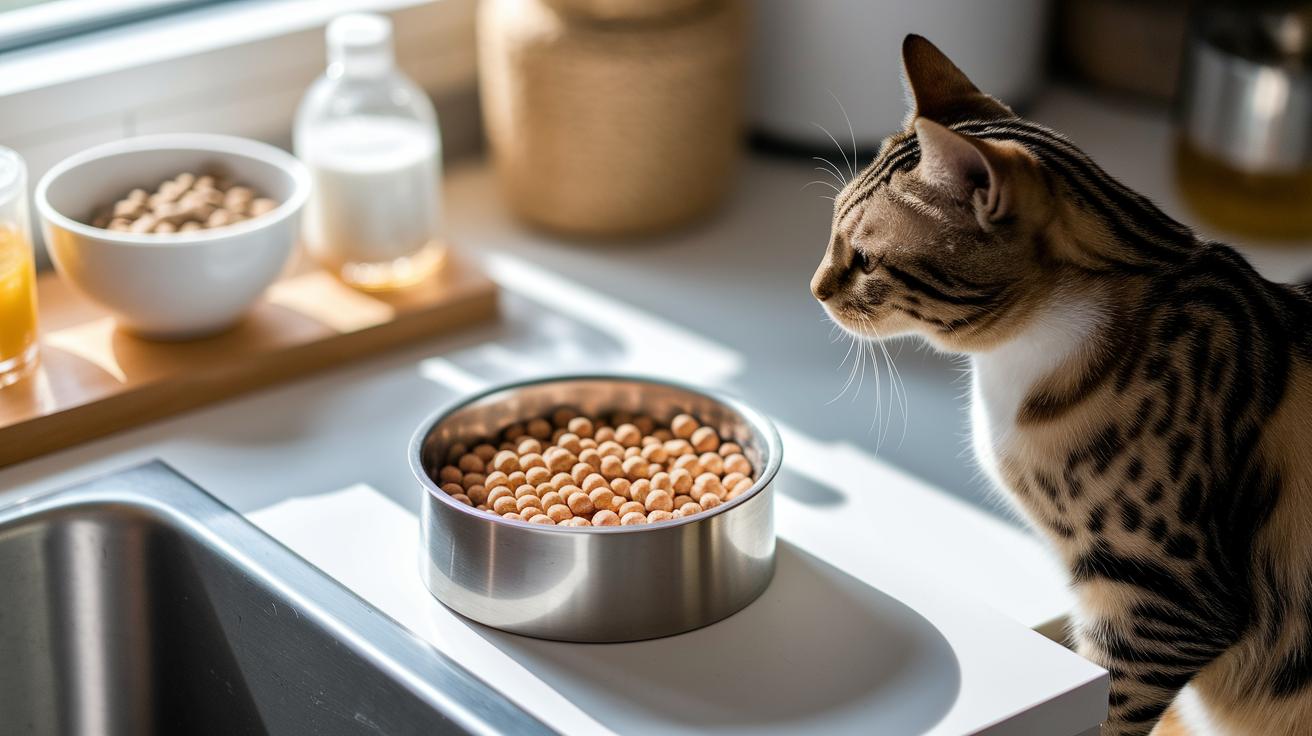
Cats can enjoy different types of meals that fit their needs and tastes. Wet food helps keep your cat hydrated, especially on hot days. Dry food can help clean their teeth as they chew. Raw diets offer strong nutrients but need careful handling to avoid bacteria. Homemade meals let you control the ingredients and choose organic options, though you have to mix them just right to keep your cat healthy.
| Food Type | Pros | Cons |
|---|---|---|
| Wet | Keeps your cat hydrated; soft texture makes eating easier | Can spoil quickly; usually costs more |
| Dry | Helps clean teeth naturally; easy to store | Less moisture; may have extra fillers |
| Raw | High in nutrients; similar to a natural diet | Needs careful handling to avoid bacteria; sourcing must be done properly |
| Homemade | You choose the ingredients; can use organic items | Hard to balance nutrients correctly; risk of toxic ingredients if done wrong |
Before changing your cat's diet, always read food labels and check the ingredients. This helps you make sure the food meets quality standards and gives your cat all the nutrients they need. For store-bought meals, look at the labels for protein, fat, vitamins, and minerals. Whether you pick commercial or homemade food, keeping an eye on safety and getting regular vet checks will help keep your cat healthy and happy.
Structuring Feeding Schedules and Portion Control
Keeping a regular feeding schedule is important for your cat's health. You can feed your cat one or two meals a day or even several smaller meals, depending on its age and energy level. A set schedule helps your cat have steady energy throughout the day and can stop overeating. You can also adjust feeding times if your cat is more playful in the evening or extra active after a morning nap.
Measuring the right portion size is key to matching your cat's calorie needs and body weight. Many pet experts use a simple formula based on healthy weight and calorie counts to figure out the right amount of food. This method makes sure your cat gets enough nutrients without extra calories that might lead to weight gain.
Treats are fun, but they should make up no more than 10% of your cat’s total daily calories. Use small, measured portions and think of treats as part of the overall calorie count. This simple rule helps keep your cat’s diet balanced and supports long-term health.
Foods to Avoid and Common Dietary Pitfalls

Knowing which foods can harm your cat is very important. Many foods we eat every day can make a cat very sick, even in small amounts. To keep your furry friend safe, avoid these harmful items:
- Onions
- Garlic
- Chocolate
- Grapes
- Raisins
- Caffeine
Always put perishable foods in the refrigerator within one hour to stop bacteria from growing. When you try new foods, introduce one at a time so you can watch for any bad reactions like vomiting or diarrhea. If you notice any signs of trouble, stop using that ingredient and talk to your veterinarian.
You might also consider using safer options. For instance, choose lean poultry instead of high-fat meats to help protect your cat’s tummy. Being careful about these details can lower risks and keep your cat happy and healthy.
Regular check-ups with your vet will help catch any problems early. Always read food labels carefully and ask your vet any questions about your cat’s diet. By staying aware of these tips, you help ensure your cat thrives every day.
Transitioning Diets and Managing Selective Eaters
When you decide to change your cat’s food, take it slow. Cats are sensitive, and their tummies need time to adjust to new flavors and textures. A gradual change over 7 to 10 days can help prevent an upset stomach and ease your cat into the new diet. Try mixing a small amount of the new food into the old food so your cat isn’t overwhelmed.
This careful switch is extra important if your cat is picky about texture or smell. Starting slowly lets you catch any health issues early, like tummy troubles or discomfort. You might even entice your pet by warming the food slightly or using an interactive feeder. Here’s a simple plan to follow:
- Start with a mix of 90% old food and 10% new food.
- Increase the new food by about 10-20% each day, and watch how your cat reacts.
- Look for signs of upset, such as changes in stool or a refusal to eat.
- By day 7 to 10, if everything goes well, fully switch to the new food.
Pay attention to your cat’s behavior. If they hesitate or back away from the bowl, they might just be getting used to the new look, smell, or feel of the food. With a bit of patience and a steady plan, even the pickiest eater can learn to enjoy a balanced, nutritious diet.
Ongoing Monitoring: Weight, Hydration, and Digestive Health
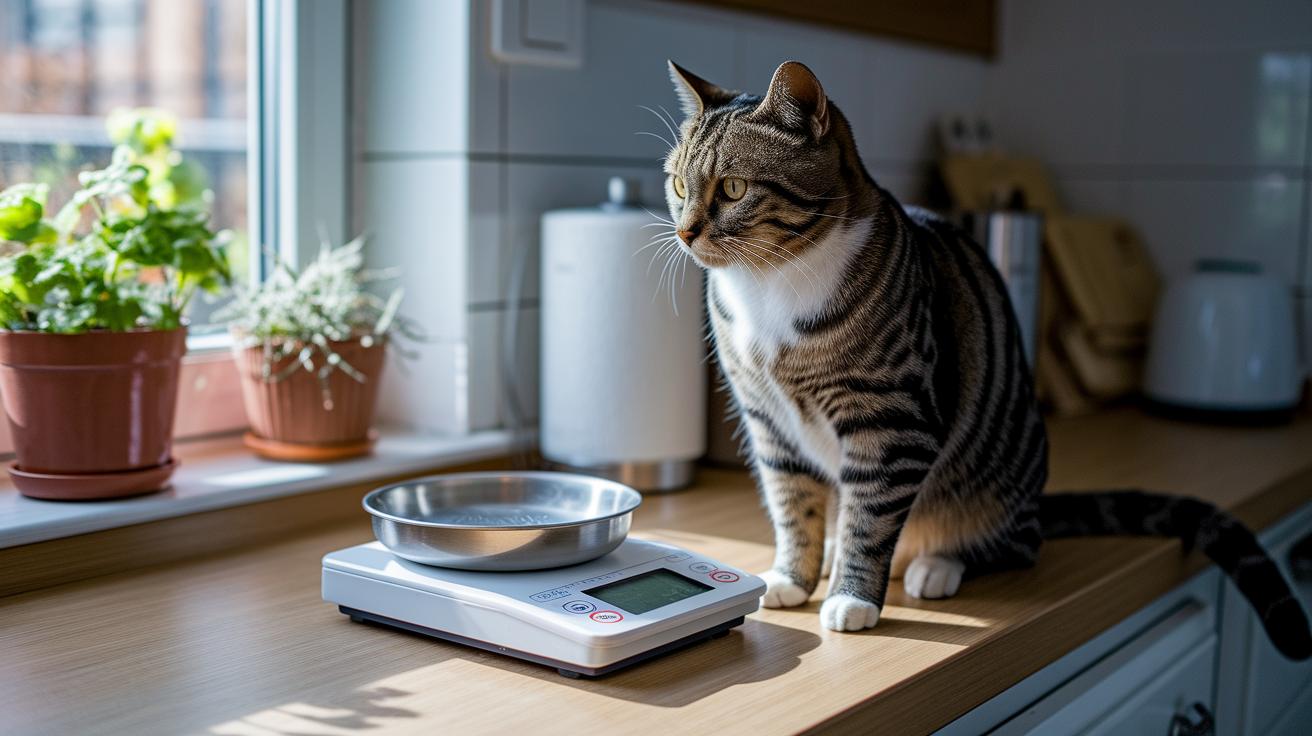
Keep an eye on your cat’s weight. Weigh your cat once a month and note the number. Pair this with a simple body condition check to see if your cat stays healthy. Changes like extra hairballs, loose stools, or constipation can be early hints that something isn’t right with your cat’s tummy. Noticing these things sooner makes it easier to adjust food portions or try a different food.
Watching hydration and digestion is just as important. A cat fountain or adding wet food to the diet can help boost water intake, which is key for smooth digestion. A vet-approved probiotic (a supplement that balances good bacteria in the gut) may also be a good idea. Remember, changes in behavior like less play or energy might be a sign that something needs attention.
- Weigh your cat monthly and record the results.
- Check for changes in stool type and frequency.
- Use a cat fountain or wet food to improve hydration.
- Watch for extra hairballs.
- Ask your vet about a probiotic for gut health.
If you see changes in weight, digestive habits, or hydration, talk with your veterinarian. Their advice can help tailor a plan that keeps your cat feeling its best for the long run.
Final Words
In the action, this guide covered the core principles of feline nutrition. It discussed the importance of a balanced meal regimen, detailed essential nutrient roles, and provided stage-specific feeding information. The post compared different food types, offered scheduling tips, shared common dietary pitfalls, and explained gradual recipe transitions.
This healthy cat diet guide gives you a clear, step-by-step approach to keep your pet thriving. Every tip aims to simplify nutrition decisions and support a happy, vibrant life for your cat.
FAQ
What is a healthy cat diet guide for indoor cats?
The healthy cat diet guide for indoor cats explains how to balance nutrients and portion sizes to keep indoor kitties active, lean, and hydrated while reducing the risk of weight-related issues.
What does a cat diet chart by age include, especially for kittens?
The cat diet chart by age outlines specific calorie and nutrient needs for kittens, adults, and seniors, focusing on protein, fat, vitamins, and minerals needed at each life stage.
What is the best homemade food for cats?
The best homemade food for cats uses high-quality proteins, healthy fats, and balanced vitamins and minerals, and it avoids toxic ingredients like onions, garlic, and chocolate.
What should a cat nutrition requirements chart include?
The cat nutrition requirements chart details vital elements such as high-quality protein sources, proper fatty acids, key vitamins like A, D, and E, essential minerals, and the critical need for taurine.
What should I feed a cat if I don’t use commercial cat food?
The answer to feeding a cat without commercial cat food is to prepare balanced, home-prepared meals using safe, natural ingredients and to check with your vet to meet all nutritional needs.
What are the top five healthiest cat foods?
The answer to the top five healthiest cat foods means choosing nutrient-rich options that provide balanced proteins, essential fats, and vitamins while supporting hydration, dental, and digestive health.