

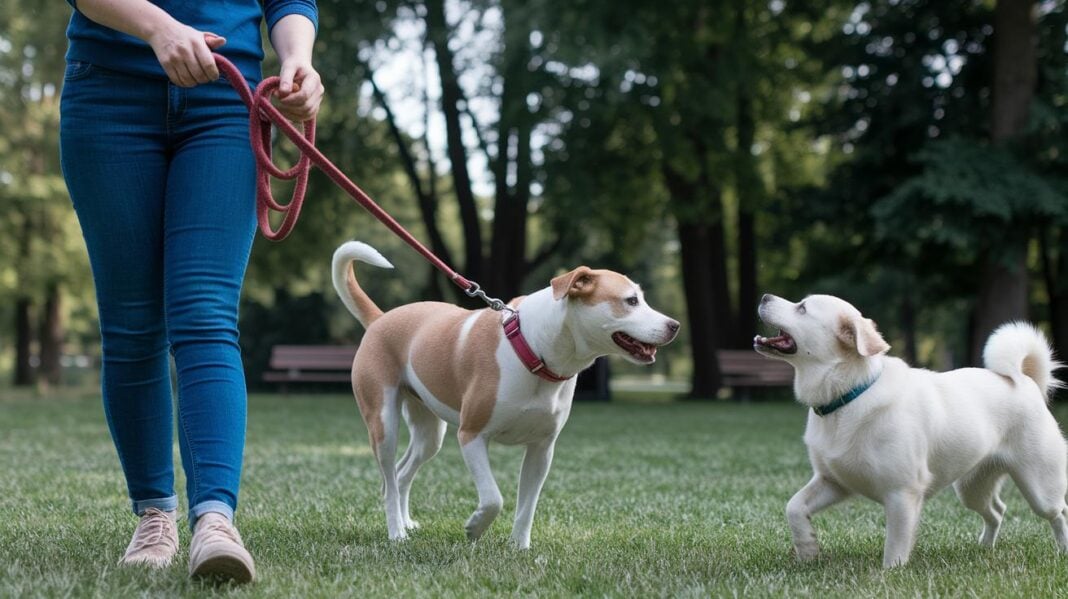

Ever wonder why your dog gets so worked up on walks? Training a reactive dog can feel hard, but a calm-down plan can truly help you both enjoy time outside. By slowly letting your dog see things that usually upset them, you teach them to relax when they meet another dog or person. In this guide, you'll learn how to spot your dog's limits, play simple games, and use treats to keep things positive. Follow these easy steps to turn stressful walks into calm, happy moments for both you and your furry friend.
Step-by-Step Desensitization Plan for Reactive Dog Walks
Desensitization is a training method that helps your dog learn to stay calm by slowly exposing them to a trigger from a safe distance. This is different from counter-conditioning, which pairs something stressful with a treat or reward. For example, if your dog sees another dog from far away, say 100 feet, desensitization helps them not react too strongly. Meanwhile, counter-conditioning gives your dog a treat right when they spot the other dog so they learn to feel better about it.
A clear plan is very important, and it starts with understanding your dog's limit. Watch your dog on walks to find out the distance where they stay calm. For example, if your dog starts to get nervous at 50 feet, you might begin training at 75 to 100 feet. Keep sessions short, just 1 to 5 minutes, to make them fun and stress-free. Consistency is key, and following each step ensures your dog keeps improving even when things get tricky.
- Find the triggers and note how far away your dog reacts.
- Choose special treats that your dog really loves (like freeze-dried liver).
- Begin training at a distance where your dog stays comfortable (typically 75 to 100 feet).
- Keep training sessions short, just a few minutes at a time.
- Introduce a “Look and Treat” game to make the process fun.
- Gradually reduce the distance by just a few inches slowly.
- Always give a treat when your dog sees the trigger calmly.
- Practice this routine 3 to 5 times a week until your dog stays relaxed.
Watch for signs that show your dog is stressed, like tucking their tail or pulling away. If they seem upset, go back to a distance where they were comfortable. Take it slow and adjust the steps so your dog feels safe. Remember, small improvements add up. Stay patient and consistent, and soon you will notice big progress.
Determining Your Reactive Dog’s Threshold and Triggers
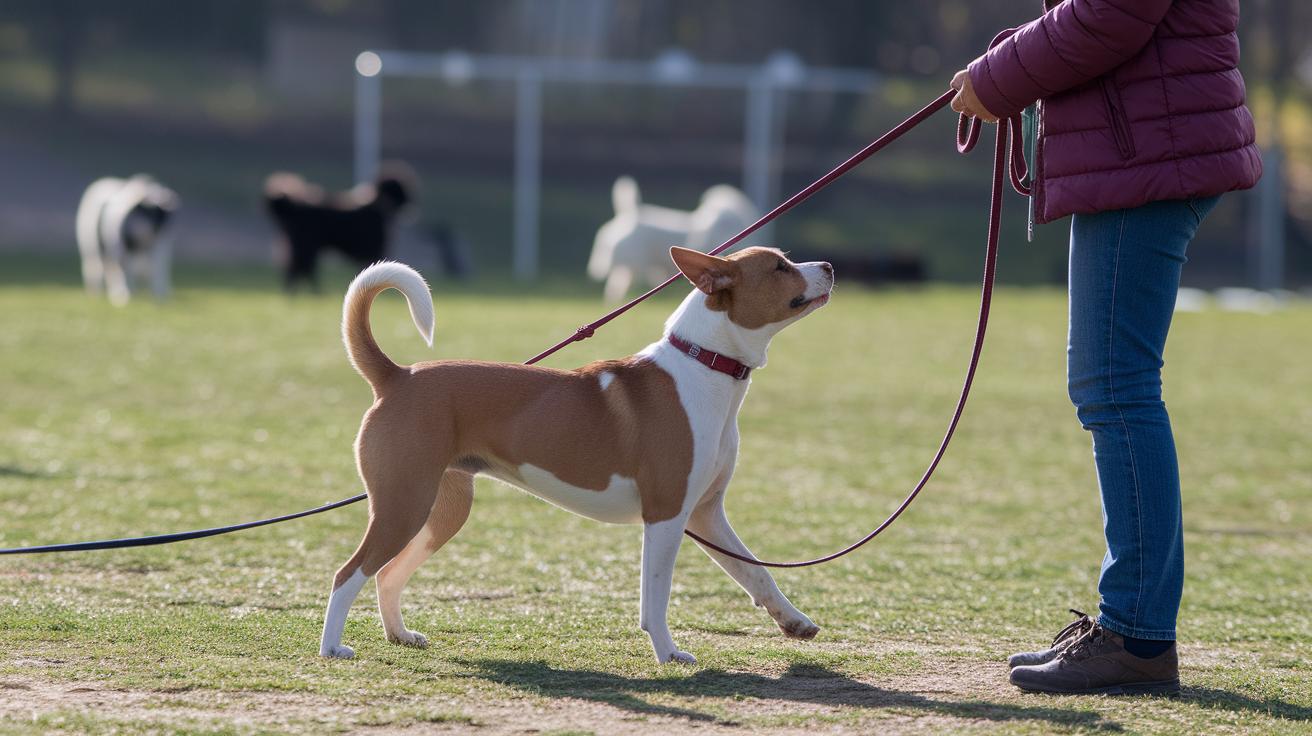
Finding your dog's boundary keeps training relaxed. Start by noting the distance where your dog first reacts. For example, if your dog barks at another from 50 feet (about 15 m) away, begin training from 75 to 100 feet (about 23 to 30 m). This extra space lets your pet relax while learning new behavior. You might note, "At 50 feet, my dog stiffened; so I tried 75 feet next time."
Many things can set your dog off, such as other dogs, strangers, or loud noises. Watch closely for clues like a stiff body, a tucked tail, pulled-back ears, or sudden leash tugs. Recognizing these signs helps you decide when to change the distance or lower exposure during training.
Keep a simple journal to record what you observe. Write down the distance, location, and your dog's reactions during each walk. Try this on three to five different walks to see a clear pattern. For example, you might write, "Walk 1 at 80 feet (24 m): no reaction; Walk 2 at 75 feet (23 m): slight stiffening." These notes help you adjust the training step by step so your pet can learn at a comfortable pace.
Equipment and Safety for Reactive Dog Desensitization Walks
Choosing the right gear is key for helping your dog learn to stay calm during walks. The proper equipment makes it easier to control your dog and keeps both of you safe. A strong 6-foot non-retractable leash gives you firm boundaries that stop sudden lunges. A well-fitting harness or a sturdy collar keeps your dog secure and comfortable. The BravoWalk feedback collar sends gentle signals that help your dog relax. Avoid gear like retractable leashes that can pull tight and cause extra tension. Good equipment builds your confidence and creates a calm setting for teaching your dog new, relaxed behaviors.
- 6-ft non-retractable leash
- Fitted harness or sturdy collar
- BravoWalk feedback collar
- Comfortable, supportive footwear
- Pre-planned emergency exit points
Before each walk, take a quick look at your route to choose areas with little distraction. Keep a little slack in the leash to prevent extra tension, and have a backup plan ready if your dog starts to feel overwhelmed.
Incorporating Counter-Conditioning into Reactive Dog Desensitization Walks
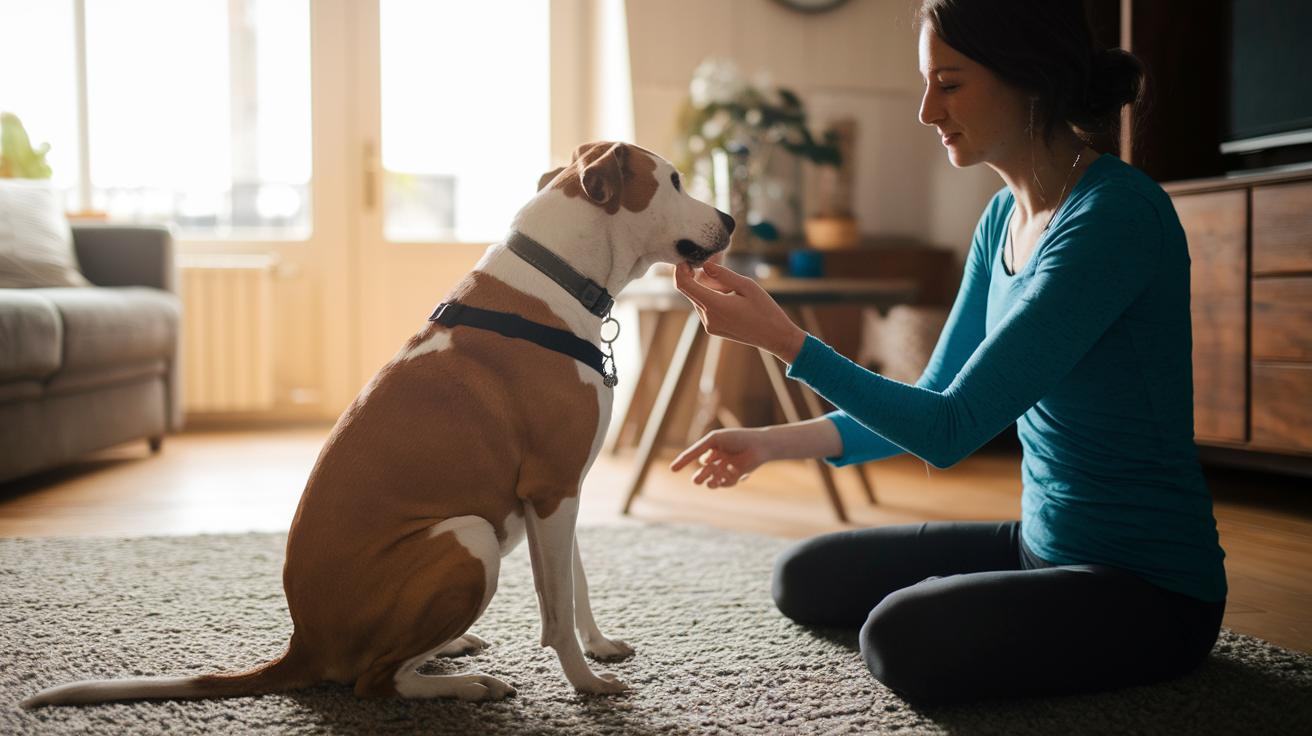
Counter-conditioning means pairing a trigger with a tasty reward so your dog learns to feel better about something that once caused anxiety. It works hand in hand with desensitization, where you slowly expose your dog to the stimulus from a safe distance. By using high-value treats, you help shift your dog's emotions right away.
Timing is key. When your dog sees another dog or hears an unexpected noise, offer a treat immediately, like a piece of freeze-dried liver. If your dog notices a passerby and stays calm, reward that response right away. This quick treat helps your dog connect calm behavior with a positive outcome.
You can also use audio or video tools indoors. Start with soft sounds, such as a quiet barking clip or gentle fireworks recording. Only increase the volume as long as your dog remains relaxed. This way, your dog learns that even louder sounds can be managed with calm behavior and a treat.
Consistency is important. Only give treats when the trigger is around and stop once it passes to keep the habit in check. Gradually introduce stronger triggers in short sessions. With regular practice, your dog will learn to stay calm on walks.
Troubleshooting and Adjusting the Desensitization Plan for Reactive Dogs
Sometimes even after training your dog might still get upset on walks. For example, your dog might react strongly when seeing a bigger or more energetic dog or one that shows intense body language.
When your dog becomes reactive, try these steps:
- Step back to a spot where your dog was calm.
- Use the "Look and Treat" cue to remind your dog that focusing on you brings rewards.
- If another dog comes too close, gently lead your dog away from the stress.
- If you notice unsupervised interactions, speak up to help keep your pet safe.
If your dog shows signs of stress, such as stiffness, heavy breathing, or a tucked tail, return to the safe distance where he was relaxed. Short, frequent sessions in a quiet area can help him build confidence again.
Also, consider choosing less crowded routes or walking when there are fewer distractions. This way you can keep a close eye on your dog and stop the walk if needed.
When to Seek Professional Help and Additional Resources for Reactive Dog Desensitization
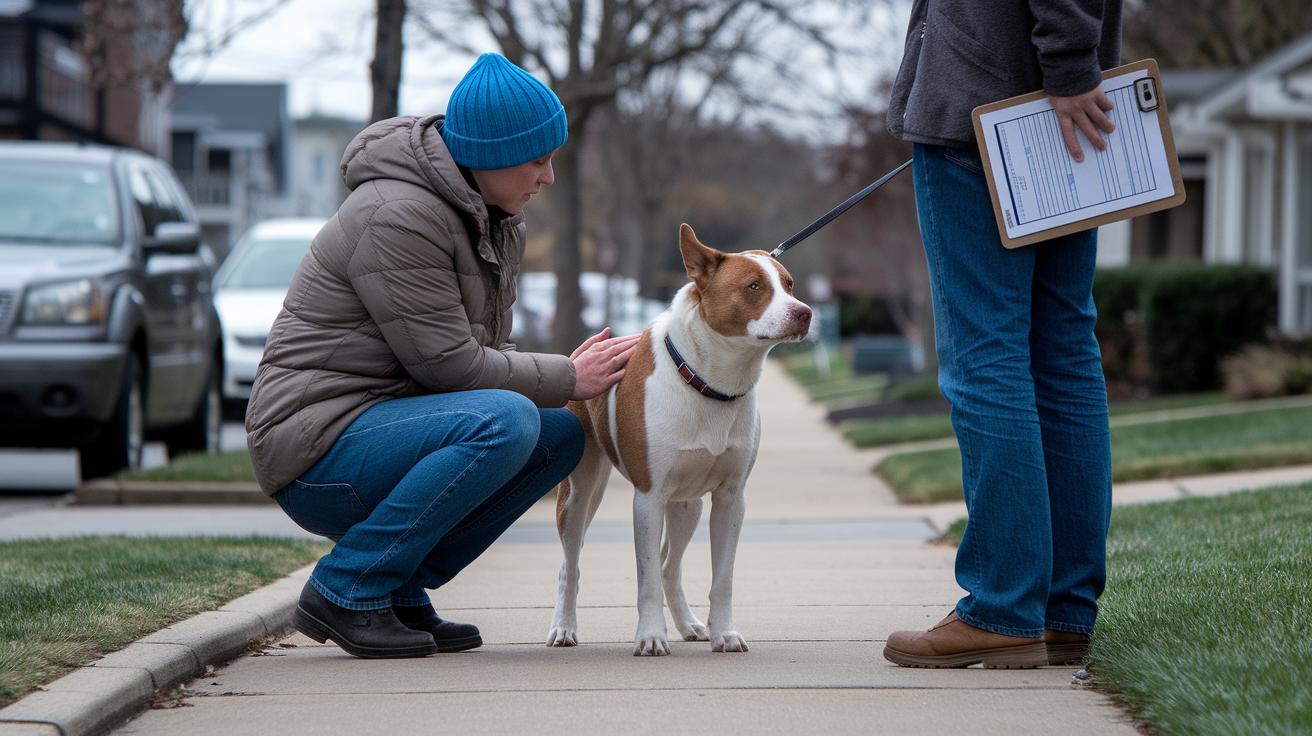
Keep an eye out for signs that your dog's reactivity is getting worse, like bolder behavior on walks or progress that seems to have stopped. These are hints that your furry friend might need help from a certified trainer or a veterinary behavior specialist. If your dog starts showing more aggressive actions or its usual body signals change, it’s a clear time to get professional support.
Private training sessions give you and your dog personal, one-on-one attention. This method lets trainers tailor their advice to suit your dog's unique needs. On the other hand, board-and-train programs place your pet in a controlled setting for focused training over time. Both choices have benefits: private sessions offer flexibility and individual feedback, while board-and-train programs can lead to quick, steady improvements with a regular daily routine.
You can also find extra help through video tutorials, expert quotes, and other learning resources. Online consultations connect you with knowledgeable professionals who can guide you and adjust your plan as needed. This way, your training remains effective, and your dog feels supported every step of the way.
Final Words
In the action, this guide breaks down the basic framework for managing on-leash reactivity. It covers trigger detection, precise treat timing, appropriate equipment, and safety measures. You see how each step, from measuring reaction distance to playing the “Look and Treat” game, is key for progress. Remember, you now have clear insight on how to train a reactive dog on walks (desensitization plan). Keep sessions short and patient. With steady practice, your pet will enjoy calmer, happier walks ahead.
FAQ
Frequently Asked Questions
How to calm a reactive dog on a walk
Calming a reactive dog on a walk involves using a step-by-step desensitization plan. Start by keeping your dog at a safe distance, use high-value treats, and reward calm behavior during gradual exposures.
How to socialize a reactive dog
Socializing a reactive dog means exposing them to new sights and sounds in a controlled way. Use treats, short sessions, and step-by-step desensitization to build confidence without overwhelming your dog.
Dog reactive on leash, but not off
A dog that reacts on the leash but not when off it may feel extra pressure from the restraint. This reaction suggests the leash can intensify anxiety, so focus on controlled, rewarding exposure while keeping safety in mind.
Why is my dog reactive to some dogs but not others
A dog may react to certain dogs based on factors like size, energy, or behavior. These differences can trigger stress or insecurity, so observing and noting subtle cues helps in training.
My reactive dog is ruining my life
A reactive dog can create stress, but structured training and professional guidance can improve walks and home life. Patience and gradual desensitization empower both you and your dog to find more enjoyment together.
Dog reactive to other dogs on walks
When a dog reacts to other dogs on walks, it signals feelings of uncertainty or anxiety. Consistent training, controlled exposure, and reward-based reinforcement can help your dog remain calm around other dogs.
What not to do with a reactive dog
Avoid using punishment or forcing interactions with a reactive dog. Instead, focus on calm reinforcement, safe distance practices, and positive, gentle training methods that encourage relaxed behavior.
BAT Training for reactive dogs
BAT Training helps a reactive dog learn alternative, calmer responses when faced with triggers. This approach gradually teaches your dog to change focus using rewards and controlled exposure during daily walks.
How to desensitize a reactive dog?
Desensitizing a reactive dog means gradually exposing them to triggers at a safe distance and rewarding calm responses. Keep training sessions short and focus on using high-value treats to build a positive association.
What is the 7 7 7 rule for dogs?
The 7 7 7 rule typically refers to guidelines for training sessions related to duration, distance, and intensity. Check trusted training resources for specific details that match your dog’s needs.
What is the 3-3-3 rule for dog training?
The 3-3-3 rule means training in three-minute segments, three times a day, in three different settings. This routine helps reinforce desired behaviors consistently in varied environments.
How to stop a dog from being reactive on walks?
Stopping a dog’s reactivity on walks involves consistent threshold work, gradual desensitization, and rewarding calm behavior with treats. Regular, controlled training sessions help rebuild a more relaxed walk routine.