

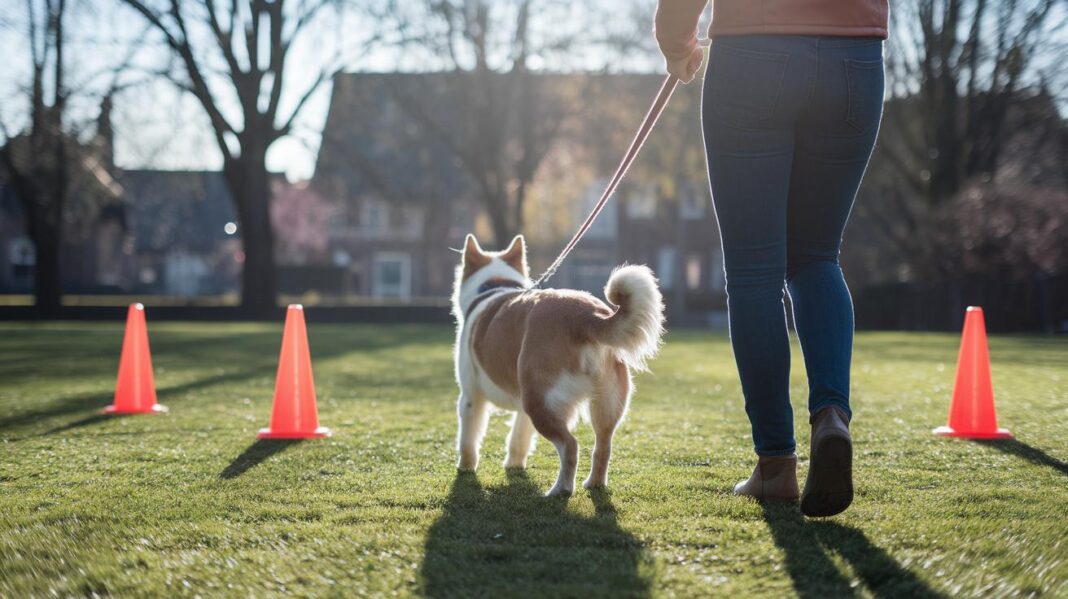

Ever been surprised when your energetic dog doesn’t come running back? Start recall training on a short leash. This method builds trust with clear commands and quick praise. It boosts your pet’s confidence and keeps them safe in busy spots.
In this guide, you’ll learn basic recall tips and simple safety rules to help you both enjoy off-leash fun. Stick with us as we explain easy steps that can make a big difference for you and your furry friend.
Off-Leash Recall Fundamentals and Safety Rules Overview
Off-leash training begins with a solid on-leash base that focuses on the recall command. Start in a quiet spot with few distractions and use a 20- to 30-foot leash so you can practice safely. Begin by calling your dog from about 10 feet away, then slowly increase the distance in small, manageable steps.
Praise your dog right away when they come to you. Use simple signals like a clicker or say "Yes!" to mark the right response. This quick reward helps your pet make the connection between coming when called and earning a treat or playtime. Group classes can also be a fun way for your dog to learn how to listen, even around other dogs and distractions.
Always check your local rules to find safe, legal off-leash areas. It is important to know where your dog can run freely and to be ready to secure your pet if things get too busy or risky. Even with lots of practice, no recall is 100% foolproof, so keeping safety first is a must.
Keep in mind your dog’s own limits, like being sensitive to loud sounds or small animals. Balancing freedom with structure not only keeps your pet safe, but it also builds trust between you two.
On-Leash Foundations for Reliable Off-Leash Recall

Start training your puppy on a six-foot leash in a class once they have had their first shots and some social time. This on-leash work builds the trust and recall your dog needs, even when there are distractions. Be patient and repeat simple commands like sit, stay, and come until your pet learns to listen every time.
Puppy Stage On-Leash Basics
Begin with short, fun sessions using clear and calm commands. In this stage, keep the tone friendly and give one simple cue at a time. For example, say "come" in a quiet room or a fenced yard and reward your puppy right away, even if they only take a few steps toward you. Keep these sessions brief so they match your puppy's short attention span.
Transition Milestones at Six Months
When your puppy turns six months old and is fully vaccinated, try practicing in new spots like a park or your backyard. Keep the six-foot leash on and slowly add more distractions. Gradually move a bit farther away while always using the recall command. With steady practice, your dog’s on-leash training becomes a solid base for enjoying safe off-leash time.
Step-by-Step Off-Leash Recall Training Progression
-
Start in a safe, fenced area using a long line about 20 to 30 feet. Stand with your dog 10 feet away and say "come." When they reach you, immediately click or say "Yes!" and reward them with a treat or a short play session.
-
Slowly add more distance, around 5 to 10 feet at a time. This steady pace helps your dog adjust. Keep each session brief and positive, so your dog stays excited to play and learn.
-
Mix recall into your daily play. Try a game where you toss a toy away and then call your dog with the same "come" command. This fun twist reinforces the recall in a playful way.
-
Move through different training steps:
- Tethered Recall: Practice with your dog on the long line for safety.
- Low-distraction Off-Leash: Train in a quiet area with only a few distractions.
- Moderate Distractions: Try a spot with common distractions like toys or squirrels.
- Full Off-Leash: Once your dog is consistent, practice where they can roam freely and legally.
-
Check your dog’s progress by calling them 10 times. When they respond correctly at least 9 out of 10 times, you know they are ready for tougher challenges. This method makes sure your dog understands the recall command in any situation.
Positive Reinforcement Strategies in Off-Leash Recall

When you let your dog off-leash, it’s important to reward them quickly. At about 20 to 30 feet away, give an immediate marker like a clicker sound (for example, click and say "Yes!") or a clear word like "Yes!" to let your dog know they did the right thing.
High-value treats, a favorite toy, or even a quick game of chase work well as rewards. This instant reward teaches your dog that coming when called is fun. Mix up the rewards to keep training interesting. One day might be a tasty treat, while the next might be a short tug-of-war game.
Here are some strategies to try:
| Strategy | How It Helps |
|---|---|
| Clicker with Verbal Praise | Makes the signal clear and easy to understand |
| Agility or Herding Drills | Builds distance communication with fun exercises |
| Rotating Rewards | Keeps your dog motivated even with distractions |
| Six-Lesson Program | Provides a structured approach for advanced motivation and consistency |
Mixing rewards and timely praise helps your dog see that every correct recall leads to a fun, rewarding experience.
off-leash training: recall fundamentals and safety rules win
Before you let your dog off the leash, take a careful look around the training area. Walk along the space and spot any potential dangers like busy roads, steep drops, water, or wildlife. Checking for risks in advance helps keep both you and your pet safe.
Make sure the area follows local leash laws and that off-leash zones are allowed. A quick check can save you from fines or risky problems later. It’s smart to carry an extra leash or long line to quickly regain control if something unexpected happens.
Practice two simple recall signals for emergencies. For example, use a clear whistle sound and a specific word to call your dog back. These signals work like a safety net, ensuring your dog returns immediately if wandering into dangerous spots.
During training, stay alert. Watch your dog for signs of distraction or tiredness, like pausing or looking around extra carefully. If you notice these signs, be ready to step in and guide your pet back using the long line.
These steps help create a safe training session where your dog can enjoy the freedom of off-leash time while learning to come back to you in any situation.
Troubleshooting and Over-Leash Recall Challenges

If your dog struggles to come back during high-energy moments, you might need to adjust your training. Some dogs just react differently because of their breed or natural personality.
Match your training drills to your dog's energy level. When your pup gets too worked up, try short sessions of about 5–10 minutes. This way, you avoid overwhelming them and help keep their focus.
Introduce your dog to common distractions during practice. For instance, play recordings of loud bangs or even squirrel sounds. This teaches your pet to stay focused even when there are noises around. Keep an eye on your dog's body language, if you notice signs like a low tail or ears pulled back, pause and review the situation. You can learn more about these cues by checking our guide on dog body language.
Track the training sessions by noting when and where recall doesn’t work as expected. Write down the setting, distractions, and your dog’s reaction. Then, break drills into smaller steps and consistently reward your dog for coming back. Ending every session on a happy note makes recall feel like a fun game.
Key steps for success:
| Step | Description |
|---|---|
| Short, controlled sessions | Practice in 5–10 minute bursts to keep energy manageable. |
| Desensitization drills | Introduce common distractions like bangs or squirrel sounds. |
| Watch body cues | Notice if your dog shows signals (low tail, ears back) and pause if needed. |
| Gradual adjustment | Break drills into small steps, rewarding success to build confidence. |
This approach helps you spot issues and tailor training to boost your dog’s off-leash recall, creating a safer, more fun experience for both of you.
off-leash training: recall fundamentals and safety rules win
To boost advanced recall, add new cues to your training. Try using a clear whistle command with a hand signal. For instance, make a unique whistle sound while saying "come" and giving a simple hand wave. This two-part signal helps your dog connect the cue with coming back.
Practice recall in different places like raised platforms, near water, or in open fields. This mix of settings helps your dog learn to obey no matter where you are. Also, change how you reward your dog. Sometimes offer the reward at the same time, and other times switch it up. This keeps your dog alert and ready to adjust.
Try setting up an obstacle course with agility or herding-style games. This fun twist improves your pet's ability to understand cues from a distance while strengthening recall. It challenges both the body and mind, making training engaging even with lots of distractions. Use these ideas in each session to fine-tune your dog's off-leash recall skills.
Final Words
In the action, we broke down off-leash training: recall fundamentals and safety rules. We reviewed on-leash basics that lay the groundwork for reliable recalls and stepped through gradual exposure to distractions with positive reinforcement. We also highlighted essential safety protocols, like scouting terrain and having a backup leash ready.
Keep practicing these techniques in controlled, low-risk areas. With clear guidelines and a patient approach, you and your dog can build a strong, confident off-leash bond that keeps both safe and happy.
FAQ
What are the key fundamentals of off-leash recall training?
The key fundamentals of off-leash recall training begin with establishing a solid on-leash base using a reliable recall command in low-distraction areas, then building distance and reinforcing success with positive rewards.
How do I prepare my dog for transitioning from on-leash to off-leash recall?
The preparation for transitioning involves starting with basic on-leash obedience like sit, stay, and come, then gradually introducing varied environments to generalize commands before moving off-leash.
How does positive reinforcement boost off-leash recall performance?
Positive reinforcement boosts off-leash recall by marking correct responses with a clicker or verbal marker and rewarding with treats or play, which keeps your dog motivated and confident.
What safety protocols should I follow during off-leash training sessions?
The safety protocols for off-leash training require checking the terrain for hazards, knowing local leash laws, having a spare leash ready, and supervising your dog closely to intervene if distractions increase.
How can I overcome common off-leash recall challenges?
Overcoming recall challenges involves watching for signs of stress or distraction, tailoring drills to your dog’s energy, and keeping sessions short to end on a positive note, steadily increasing recall reliability.