

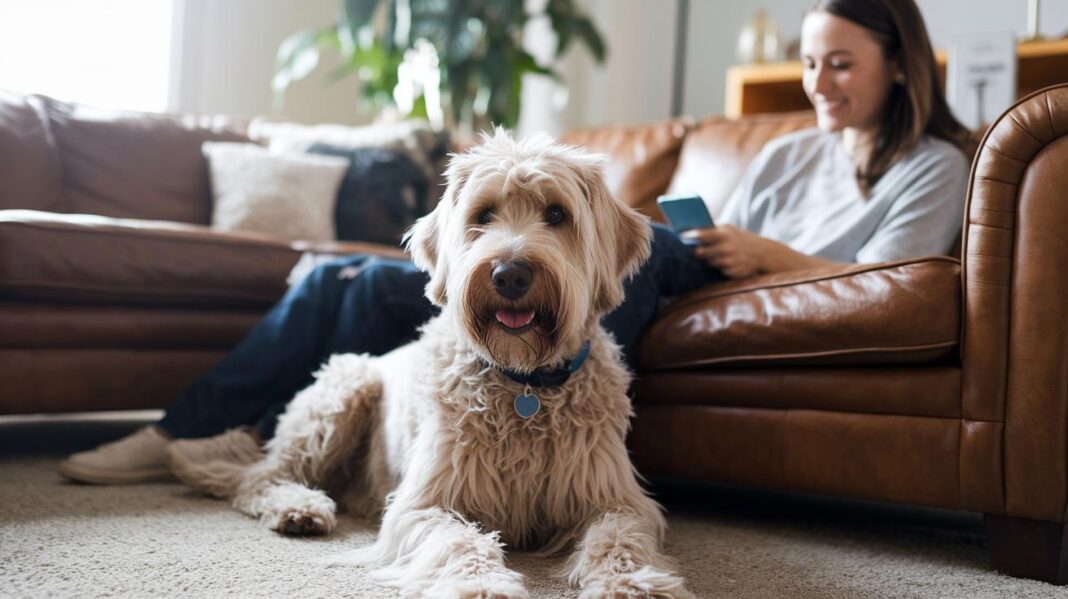

Ever wonder why Labradoodles make such great family pets? Their friendly nature and smart personality light up any home.
In this guide, you’ll find easy tips to keep your furry friend happy and healthy. Regular vet visits (check-ups by a veterinarian) and a simple grooming routine will help keep their coat neat and shiny.
Follow these care steps to let your Labradoodle’s energy and affection shine every day.
Labradoodle Temperament, Health, and Grooming: A Complete Preview
Labradoodles are a mix of Labrador Retrievers and Poodles. They are friendly, smart, and love to play. These dogs fit in well with families because they bond easily with kids and other pets. They also enjoy quiet moments and playful times. With a typical lifespan of 12–14 years, they bring energy and love to your home for many years.
Keeping your Labradoodle healthy starts with early check-ups. It’s important to look for hip dysplasia (a joint condition that can make moving hard) and progressive retinal atrophy (an inherited eye problem). Regular visits to the vet help catch these issues early, so your dog can enjoy a long, happy life.
Their coat can be curly or wavy and usually does not shed much. This type of coat needs regular brushing to avoid tangles and mats. Occasional baths also help keep their skin healthy. Even with slight differences in coat type, a steady grooming routine keeps your Labradoodle comfortable and happy.
Labradoodle Temperament Traits and Behavior Patterns
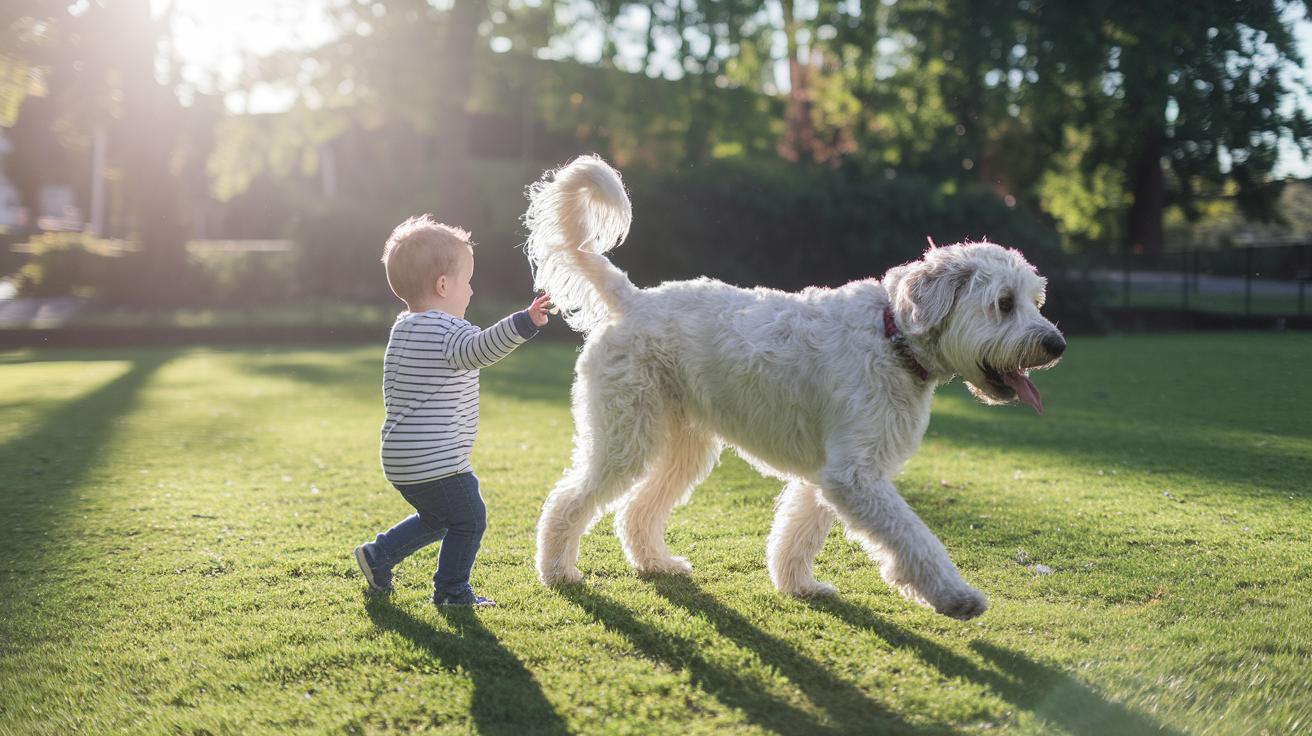
Labradoodles are friendly dogs that love being part of a family. They do well with children and other pets, and they are always happy to meet new people during walks or at the park. One pet owner said, "I love watching my Labradoodle welcome every guest with a wagging tail," which shows how warm and welcoming they can be.
These dogs have a high level of energy and need 30 to 60 minutes of exercise every day. A good walk, some playful time in the yard, or a visit to a dog park will help them burn off energy and keep their minds busy. Getting regular exercise not only helps with weight management but also reduces any unwanted behavior when they are home alone.
Early socialization is very important for Labradoodles. When puppies meet different people, other pets, and experience new environments, they grow into well-adjusted adults. Without enough social time, they may develop anxiety and show signs like excessive barking or restlessness when left alone. A steady routine with plenty of social exposure can help them feel calm and secure.
Labradoodles are smart and learn fast. Training them with treats and gentle praise works well. Their ability to understand and follow commands makes them one of the most trainable breeds. This combination of intelligence and eagerness to please makes Labradoodles excellent companions for any family.
Labradoodle Health Concerns and Preventive Care
Labradoodles can have a mix of inherited and environmental health issues. It is important to watch out for signs like joint pain, vision trouble at night, sore ears, or itchy skin. Early care helps your pup feel its best.
Preventive care means regular visits to the vet and special screenings. This way, problems like hip issues, eye diseases, ear infections, allergies, and Addison’s disease can be caught early. Simple daily or weekly tasks, like cleaning your dog’s ears, can make a big difference.
| Condition | Signs | What to Do |
|---|---|---|
| Hip Dysplasia | Limping, stiffness, trouble standing up | Have annual orthopedic exams and early check-ups |
| PRA | Trouble seeing in low light, confusion | Do DNA or OFA screening by 12 months |
| Ear Infections | Red, puffy ears, head shaking | Clean and dry ears every two weeks |
| Allergies | Itching, irritated skin, upset tummy | Run allergy tests and adjust the diet |
| Addison’s Disease | Lethargy, low appetite, low energy | Have regular vet check-ups and blood tests |
Stick to a regular schedule with your vet. Annual exams and timely screenings help spot problems before they get worse. Don’t forget daily ear checks and watching for any signs of allergies. This careful routine can help keep your Labradoodle healthy and happy throughout its 12- to 14-year life.
Labradoodle Grooming Essentials and Coat Care
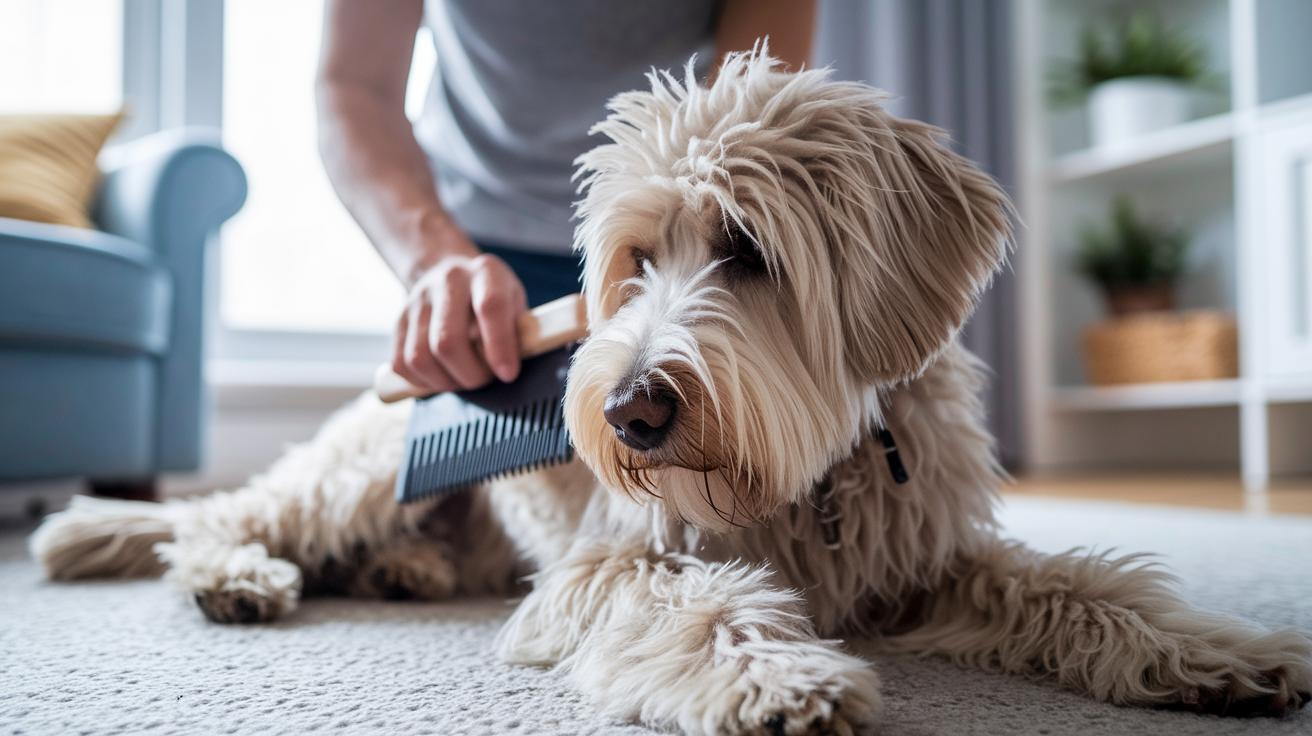
Brushing and Combing Techniques
Labradoodle coats come in different textures. Some are soft and wavy like fleece, others are full of tight curls like wool, or even straight like hair. To keep your pup looking tidy, use a slicker brush and a metal comb about three to four times each week. These tools help remove tangles and loose hair. One owner described it as "gently smoothing out a precious scarf" to keep their Labradoodle looking smart. For more tool ideas, you can check out our grooming guide on pet grooming 101. Remember, softer coats need a gentle touch, while tight curls might need slow, careful combing so you don’t pull or hurt the hair.
Bathing, Nail Trimming, and Ear Care
Give your Labradoodle a bath every four to six weeks using a hypoallergenic shampoo that cleans while protecting natural skin oils. After bathing, be sure to dry the coat completely because damp hair can tangle easily. Trim your pup’s nails every month to avoid discomfort or accidental breaks. Don’t forget ear care, too. Clean their ears every two weeks with a solution approved by your vet. This routine helps prevent infections, especially for Labradoodles with floppy ears that can trap dirt and moisture.
Professional Grooming Schedules
While regular home grooming keeps your dog happy, a professional groomer can help with detailed styles and hard-to-reach spots every six to eight weeks. Groomers trim around the paws, sanitary areas, and ears, making sure your pup stays neat and clean. They can also suggest the best clip styles for your Labradoodle’s coat and lifestyle. Many pet owners find that mixing at-home care with occasional professional grooming is the best way to keep their dog healthy, comfortable, and looking wonderful.
Integrating Labradoodle Temperament, Health, and Grooming Into Your Daily Care
Imagine a five-day plan that mixes walks, play, and grooming for your Labradoodle. On Day 1, take a brisk 30-minute walk or play a game of fetch. This helps burn energy and sets a positive tone for the day. Then, during a quiet moment, give your pup a quick brush to remove loose hair while you chat with them.
On Day 2, start your morning with a fun puzzle toy to spark your dog's curiosity. Next, do a short training session using small treat rewards. Later, enjoy another brief brushing session that doubles as bonding time. This day focuses on mental fun and learning new tricks.
Day 3 calls for a mix of exercise and grooming. Go for a light jog or spend at least 45 minutes playing in a safe area. After that, have an afternoon grooming moment. Serve a balanced meal with lean protein, whole grains, and omega-3 (a healthy fat) for a shiny coat and strong joints.
On Day 4, opt for indoor fun instead of outdoor activities. Engage in puzzle games and a gentle training routine to ease anxiety and boost obedience. Wind down with a calm 30-minute walk and a quick grooming check to keep the coat neat.
Day 5 repeats the safe and active pattern. Ensure your dog gets at least 30 minutes of exercise, a balanced meal, and some short mental games through brief drills. Modify the routine as your pet grows: younger pups benefit from shorter, more frequent sessions; adult dogs thrive with a steady schedule; and seniors need a slower pace with extra recovery grooming.
Final Words
In the action, we reviewed labradoodle temperament health and grooming. The post touched on breed origins, detailing their friendly, active nature and daily exercise needs. It covered key health screenings like hip dysplasia checks and PRA tests. We then broke down effective grooming routines, from regular brushing for low-shedding coats to timely nail trims and ear cleaning. This guide arms pet owners with clear steps to keep their labradoodles safe, healthy, and happy. Enjoy caring for your furry friend and making every day a good day together.
FAQ
What defines a Labradoodle’s temperament and lifespan?
The Labradoodle temperament is friendly and smart, making them great family companions. They typically live for about 12–14 years, offering a mix of playful energy and gentle affection.
What common health screenings should a Labradoodle have?
Labradoodles need regular screenings such as hip dysplasia checks and PRA testing (a retinal degeneration test). These exams help spot potential issues early, keeping your pet healthier in the long run.
How does a Labradoodle’s coat affect its grooming needs?
The Labradoodle coat can be curly or wavy and tends to shed less. This means regular brushing is important to prevent matting, along with routine nail trims and occasional baths for overall coat health.
What exercise does a Labradoodle require daily?
The Labradoodle needs about 30–60 minutes of exercise every day, like walks or play sessions. This helps manage their energy levels, improves behavior, and strengthens the bond between you and your pet.
How can I integrate overall care into my Labradoodle’s daily routine?
Incorporating daily walks, regular grooming, a balanced diet, and interactive play into your routine benefits your Labradoodle. These actions work together to support physical health, mental stimulation, and a strong pet-owner bond.