



Looking for a dog that is both strong and fun-loving? Imagine a furry buddy who fills your home with energy and stays healthy for a long time. In this guide, we look at dog breeds known for their hearty health and happy nature. We break down how genes, food, and exercise work together to build lasting strength and well-being. Keep reading to learn how to choose a companion that shows joyful strength every single day.
Expert Overview of the Healthiest Dog Breeds
When choosing a new dog, health is just as important as size or temperament. A dog with health issues can mean higher vet bills and a shorter life. Simply put, a healthy dog lives longer and brings less stress and expense to your family. Imagine a dog that stays clear of common problems like sore joints or heart issues because its genes are strong. That’s exactly the kind of dog you want.
Recent genetic studies show that too much inbreeding can lead to higher risks of cancer, autoimmune disorders (when the body’s defense system mistakenly attacks itself), and physical deformities. One study found that breeds with a tight gene pool may struggle more with inheriting certain conditions. Still, when scientists compared purebreds with mixed breeds, they found no big difference in overall health. Mixed breeds might avoid some inherited issues thanks to a wider gene mix, and many purebred dogs also live long and healthy lives.
Understanding these genetic facts is a step toward choosing the right dog for you. Other important factors include exercise needs, a good diet, and regular vet check-ups. For more information on different breeds and their traits, visit the dog breed list for a full guide.
By sharing these insights, we hope pet parents can make smart decisions and find a dog that brings joyful strength every day.
Health Traits to Look for in the Healthiest Dog Breed

When choosing a breed, look for signs that show the dog is strong and healthy. A smooth, pain-free walk often means healthy joints and well-formed hips, which can help avoid joint problems. If you see unusual behavior or physical signs, it might be a clue to inherited issues like epilepsy (seizures) or eye conditions.
Check out the breed history for fewer bone and joint problems. Some dogs may be at risk for weight gain if their joints are delicate, so keeping a good diet and regular exercise is important. Smaller dogs might avoid some weight-related problems, while larger dogs often need extra attention to protect their joints.
New genetic tests can even show which breeds naturally resist allergies and joint issues like hip dysplasia. Imagine gently massaging your dog's shoulders, if their muscles relax easily, it might be a sign of strong, healthy joints with little strain.
Key traits to look for include:
- Strong, stable joints
- Fewer allergies
- A lower chance of inherited problems
These features can help you find a dog that is active, joyful, and built for a long, happy life.
Top 10 Healthiest Dog Breeds and Their Average Lifespans
Looking for a dog that is both lively and strong? Knowing each breed's lifespan and common health traits might help you decide. Here is a simple guide to ten breeds known for their good health:
- Australian Cattle Dog – Lives about 12 to 15 years, with one dog even reaching 29 years. They are full of energy and rarely have serious genetic problems.
- Australian Shepherd – Typically lives 12 to 15 years and has a lower chance of hip dysplasia (a joint problem) or epilepsy, making them a great pick for active families.
- Mixed Breeds – Their lifespans can range widely, but many mixed breed dogs tend to be healthy because of their varied genetics.
- Chihuahua – Can live up to 20 years. They may face dental issues, but their small size and long life make them a favorite for city living.
- Siberian Husky – Usually thrives for 12 to 16 years. They can sometimes develop hip dysplasia or eye issues, so keeping an eye on their health is wise.
- Greyhound – Lives around 10 to 13 years. They do best with about 1–2 hours of exercise each day to help maintain their muscle tone.
- Beagle – Enjoys a good 12 to 15 years of life. They have few breed-specific genetic problems, which often leads to fewer vet visits.
- Shiba Inu – Has a lifespan of about 13 to 16 years and usually has very few major health issues, making them a reliable companion.
- Basenji – Typically lives 12 to 16 years and is known for having fewer bone and joint problems than many other breeds.
- Xoloitzcuintli – Lives around 13 to 18 years. Their hairless type often means they have a lower risk of skin allergies, adding to their resilience.
Purebred vs Mixed Breed Insights for the Healthiest Dog Breed
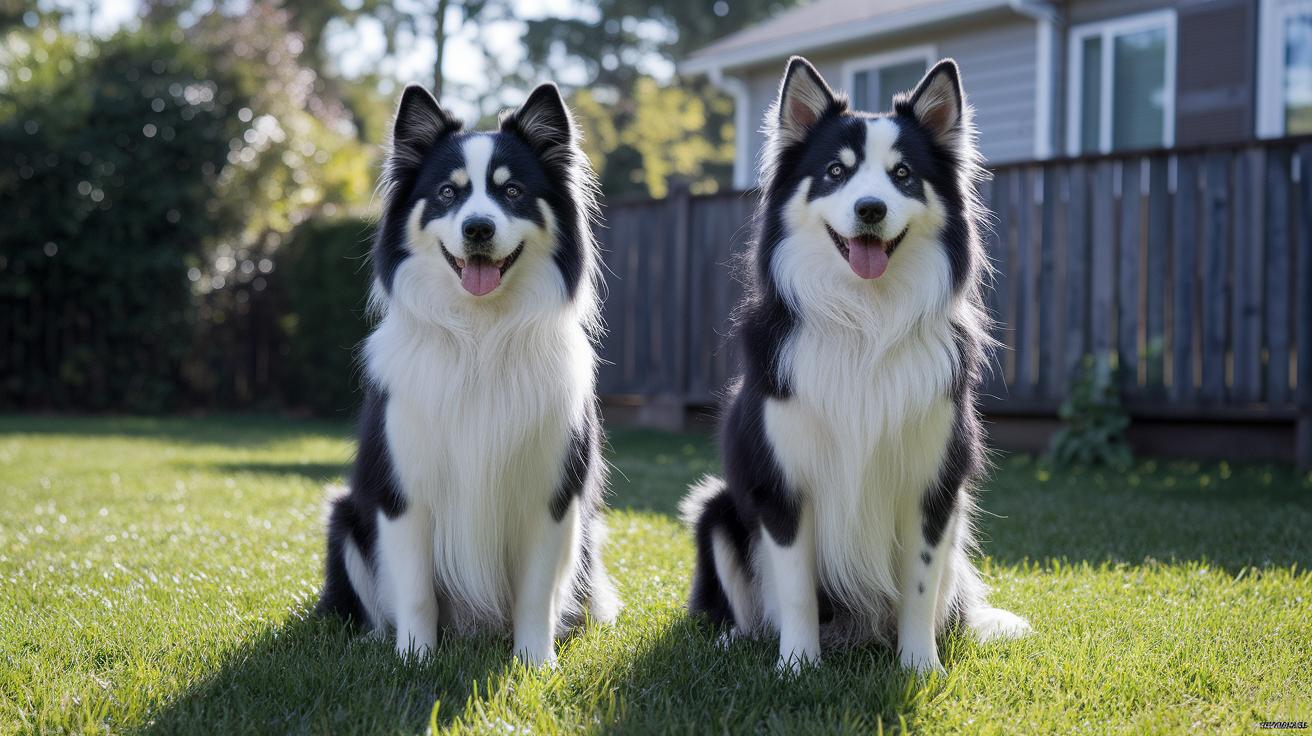
We've updated our research with new numbers and facts to help you see the differences between purebred and mixed-breed dogs. This update explains how each group faces health challenges, the amount of genetic variety they have, and how long they can live with proper care.
| Health Metric | Purebred | Mixed-Breed |
|---|---|---|
| Inherited Disorder Risk | Higher risk because the gene pool is smaller | Lower risk due to a wider mix of genes |
| Genetic Diversity | Limited | Abundant |
| Lifespan Variation | Similar when given quality care | Similar when given quality care |
For example, the table shows that purebreds have a higher inherited disorder risk because their genes come from a smaller pool. Mixed-breed dogs benefit from a wider mix of genes, which helps lower their risk.
Preventative Care Guidelines for the Healthiest Dog Breed
Keeping your dog healthy is all about a simple daily routine. A 20-minute brisk walk or some playful time in the yard gets their muscles moving and joints warmed up, kind of like stretching before you play a sport.
Feed your dog a balanced diet that mixes quality dry or wet food with a little species-appropriate raw food. This can include lean proteins and veggies to help build strong muscles and keep diseases like diabetes (high blood sugar) and joint problems at bay. And remember, watching the portion sizes is important to maintain a healthy weight.
Daily dental care is key too. Brushing your dog's teeth or offering dental chews helps prevent mouth infections that might lead to other issues. Even a nightly brush or a treat that cleans as they chew can make a big difference.
Don't skip those vet check-ups, visit at least once or twice a year. These visits cover necessary vaccinations, dental cleanings, and overall health checks to catch any small changes early.
Key tips:
| What to Do | Why It Helps |
|---|---|
| Daily exercise | Strengthens muscles and joints |
| Balanced diet | Prevents obesity and supports overall health |
| Proper dental care | Prevents infections and dental issues |
| Regular vet visits | Catches problems early and updates vaccinations |
Following these steps helps your dog shine with strength and happiness every day.
Choosing the Healthiest Dog Breed for Families and Seniors

When choosing a dog for your home, look for breeds that are both strong and gentle. Small to medium-sized dogs like Beagles, Shiba Inus, and Basenjis are known for their calm behavior and even energy. They fit well with busy families and are great companions for children.
Seniors might prefer dogs that are easier to care for. Breeds such as Greyhounds and Chihuahuas need little grooming and enjoy lighter exercise. Their low-maintenance routines make them ideal for older pet owners looking for a peaceful pet. Mixed breed dogs are also a smart choice because their diverse background can lead to fewer inherited health issues.
Consider these key points:
- Family-friendly means a calm, sociable temperament that works well with kids.
- Minimal grooming keeps daily routines simple and stress-free.
- Mixed breeds often adapt easily to different households.
These traits help create a loving, safe home where both children and seniors can enjoy the friendly presence of a dependable pet.
Final Words
In the action, the post covered key health traits and genetic research that guide your dog's overall well-being. It broke down common risks and listed breeds known for strong longevity and vitality. The discussion compared purebreds with mixed breeds, showing that many factors impact overall health, even when considering the healthiest dog breed. Basic care like exercise, proper diet, and regular vet check-ups came up as must-dos for all pet owners. Keep these tips in mind to help your pet stay happy and healthy.
FAQ
What are some unhealthiest dog breeds?
Some breeds with narrow gene pools and high inbreeding may face more inherited health issues. Such purebred lines often encounter chronic conditions, though proper care and individual genetics can make a difference.
What are some of the healthiest small dog breeds with long life spans?
Healthy small breeds like the Chihuahua often enjoy long lives—up to 20 years—with fewer genetic problems, especially when paired with proper nutrition and regular veterinary care.
What dog breeds are favored on Reddit for health?
Reddit users often lean toward mixed breeds for their genetic diversity and robust health, while also praising purebreds like Australian Shepherds and Beagles for their balanced temperaments and longevity.
What are the top healthiest dog breeds?
Top healthy breeds include the Australian Cattle Dog, Australian Shepherd, Chihuahua, Siberian Husky, Greyhound, Beagle, Shiba Inu, Basenji, Xoloitzcuintli, and many mixed breeds known for diverse genetics and vigor.
Which healthiest dog breeds are recognized by the AKC?
The AKC celebrates several healthy breeds—such as the Australian Shepherd and Beagle—for their balanced temperaments, proactive care routines, and an overall lower incidence of breed-specific inherited disorders.
Which dog breeds suit seniors and require low maintenance?
Breeds like Greyhounds and Chihuahuas suit seniors due to their minimal grooming needs and lower exercise demands while offering friendly and manageable temperaments that are great for quiet living.
Which dog breed is known as the laziest and considered least likely to cause harm?
The Xoloitzcuintli is often recognized for its laid-back nature and calm personality, making it a favorite for those seeking a low-energy pet that is gentle and less likely to exhibit aggressive behaviors.