



Have you ever wondered if you’re really giving your pet the right food? Many ideas about pet diets come from old marketing ideas rather than strong scientific proof. These myths can easily steer you off track. Research shows that popular beliefs, like dry food being the best or raw diets being the most natural, don’t always stand up to the facts. In this article we clear up these common myths and share simple, science-backed facts to help your pet live a healthier life.
pet diet myths debunked: Empower Your Pet Health
Many pet diet ideas come from old marketing and personal taste, not real science. In a survey from June 4, 2017, over half of dog and cat owners thought dry food was healthier, even though wet food used to be seen as a treat. Only about 10% wondered if hard kibble really cleaned teeth, even though research does not fully back up that claim.
These myths persist because many pet parents judge food by its look or smell instead of its nutrition. For example, some avoid ingredients like tripe (a type of stomach lining) or kidney simply because they have a strong odor. Traditional opinions can oversimplify the unique nutritional needs of pets.
- Dry pet food is always better than wet food.
- Raw diets are automatically superior.
- Grains in pet food are harmful.
- Supplements are essential for every pet.
- Home-cooked meals are guaranteed to be nutritionally balanced.
It’s important to do your research and talk with your veterinarian to separate fact from fiction. Rely on science-based information and professional advice to make sure your pet gets the balanced nutrition needed for a long, healthy life.
Raw Diet Controversies in Pet Diets

Many pet owners choose raw meals because they believe uncooked foods mimic what animals eat in the wild. Feeding fresh, whole ingredients feels like a natural, pure option. Some even say that the texture of raw meat can be as enticing to pets as a special treat.
But raw diets come with real risks. Research shows that uncooked food can carry dangerous bacteria like Salmonella and E. coli (germs that can make both pets and people sick). Also, raw diets may not provide the perfect mix of nutrients, which can lead to nutritional gaps if not planned properly.
For safety, follow a few simple steps. Always wash your hands and clean nearby surfaces after handling raw food. Gradually switch your pet’s diet over 7 to 10 days so their stomach can adjust. And be sure to check with your veterinarian to make the best, safest choice for your pet’s health.
Grain and Gluten in Pet Diet Myths
Grain-free buzz can make pet owners believe that cutting out grains equals better nutrition and fewer allergies. But this idea is often misunderstood. Most pets rarely suffer from genuine grain allergies. Sometimes, a pet might react not to grains but to common proteins like beef, chicken, or dairy.
Carbohydrates give our pets steady energy and help keep their digestion smooth. They support gut health and help manage blood sugar (the fuel that powers the body). Carbs are much more than simple fillers. They offer important nutrition that helps pets perform well every day.
Sometimes, your veterinarian might recommend a grain-free diet. These special diets are designed for pets with confirmed sensitivities, based on thorough tests and exams. Always follow your vet’s advice to ensure your pet enjoys a balanced diet that meets all their nutritional needs.
High-Protein Pet Diet Myths Debunked

Protein is important for your pet's strength and overall health. It helps build and repair muscles, makes enzymes that keep your pet running smoothly, and boosts the immune system. A steady amount of protein helps your dog or cat bounce back after play or exercise while keeping their energy steady all day.
Too much protein is not always good. Loading up on protein can stress the kidneys, especially if your pet already has health problems. It can also upset the balance of fats and carbohydrates in their diet. Not all protein is the same; protein from animal sources is usually easier to digest (or break down) than protein from plants. For more details on how to read protein labels on pet food, check out this link: Dog Food Nutrition Facts Explained.
Your pet’s protein needs change over time. Puppies and other young animals often need more protein to help them grow strong. Adult pets generally do well with a moderate amount, and older pets might need less to avoid stressing their kidneys. Always talk with your veterinarian to find the right protein balance for your pet.
Pet Supplement Myths vs Facts
Many pet parents think giving their pets extra omega-3s, probiotics, and multivitamins is a must for good health. They believe these supplements fix any gaps in their pet’s diet, even though AAFCO-approved foods already include all the key nutrients. This idea has spread online because of catchy ads and shared personal stories.
Research shows that too many supplements can actually upset a pet’s nutrition and even be unsafe. Studies find that extra vitamins or minerals might cause more harm than help by throwing off the balance in a pet's diet. In fact, vets only suggest extra supplements if your pet has a real nutrient shortage or health issue.
Always talk to your veterinarian before starting any supplement routine. Your vet can check your pet’s diet and health history to make sure any added nutrients are truly needed. Working with a vet helps tailor any supplement plan to fit your pet's unique needs.
Homemade vs Commercial Pet Diet Myths

Many pet parents prefer to cook meals at home because it feels personal and allows them to pick fresh ingredients and mix in flavors their pets love. They believe that home cooking always means freshness and quality. Many also see it as a fun way to bond with their pet. However, many homemade recipes do not include the right mix of vitamins and minerals needed for long-term health.
Commercial pet foods go through careful testing to make sure every nutrient is included. These foods are made to meet strict nutritional standards and are checked often for quality. Some commercial fresh diets even use gentle steam-cooking, a process that keeps the food’s natural goodness while following AAFCO guidelines (rules for balanced pet nutrition).
Using unbalanced homemade recipes can lead to problems such as vitamin shortages or too much of one nutrient. Without a professional recipe, important nutrients might be missing or not in the right amounts. Certified commercial diets are tested to provide everything your pet needs for healthy growth and daily energy.
Myth-Busting Pet Food Additives and Labels
Sometimes, the catchy words on pet food packages are meant to grab your attention instead of giving you the full picture. You might see words like natural or premium that sound fancy, but they can hide additives such as BHA or ethoxyquin (preservatives kept at safe levels by regulators). Don't let attractive claims stop you from checking the complete ingredient list. A label that says natural might still include low-quality animal by-products or fillers that bulk up the food without adding real nutrition. Here’s a surprising fact: Even if a product is labeled premium, its ingredients might actually be listed in an order that makes it less desirable than a scientifically formulated food.
| Label Claim | Real Meaning |
|---|---|
| by-product | Animal leftovers that offer only a little nutrition |
| natural preservative | A regulatory-approved chemical for shelf life that isn’t extra special |
| meal | Ground-up animal protein, and quality depends on its source |
| filler | Extra ingredients added mainly for bulk, with little nutritional value |
| superfood | A buzzword that doesn’t always mean the food is really healthy |
When you check labels, take a close look at the order of the ingredients and the guaranteed analysis. Since ingredients are usually listed by weight, the highest-quality ones should appear first. This careful review will help you decide if the food truly meets your pet's nutritional needs.
Evaluating Nutritious Alternatives for Pet Diets
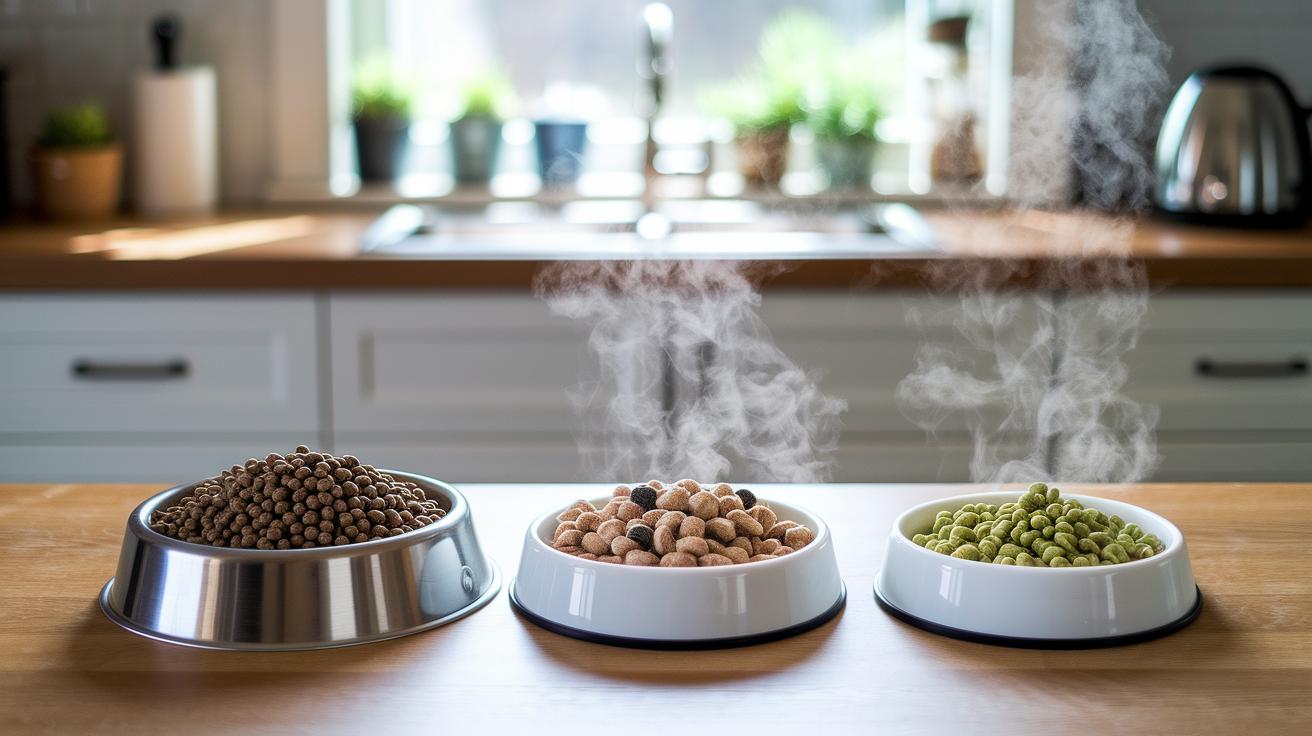
Dry kibble is often made through a process called extrusion. In this method, food is shaped and cooked with high heat, which can lower some natural vitamins and enzymes. Some fresh diets, however, use steam-cooking. This gentle method heats food slowly to keep more nutrients intact. In short, steam-cooked diets may hold on to vitamins and ingredient quality better than traditional extruded kibble.
Moisture is very important for your pet's hydration and overall health. Dry kibble usually has only about 10% moisture. This low level might not meet the needs of pets who already struggle to drink enough water. Diets with higher moisture can help with digestion and support kidney health, which is especially useful for pets of all ages and activity levels.
When deciding on a pet diet, think about your furry friend’s age, health, and lifestyle. Kibble can be a good fit for active adult pets because it is convenient and packed with calories. But if your pet needs extra hydration or a gentler nutrient boost, fresh or dehydrated diets might be a better choice. For pets with special dietary needs, like seniors or those with health issues, options such as raw or steam-cooked foods can provide tailored nutrition to keep them feeling their best.
Final Words
In the action, this article broke down common pet diet myths and cleared up misconceptions about raw feeding, grains, protein levels, supplements, and homemade meals. Each section outlined facts and real risks behind popular beliefs. Short lists and clear steps guided readers through pet diet myths debunked, underscoring the importance of balanced nutrition and veterinary advice. Trust accurate, research-backed information to secure your pet's health and happiness. Keep moving forward with knowledge that makes care decisions simple and confident.