

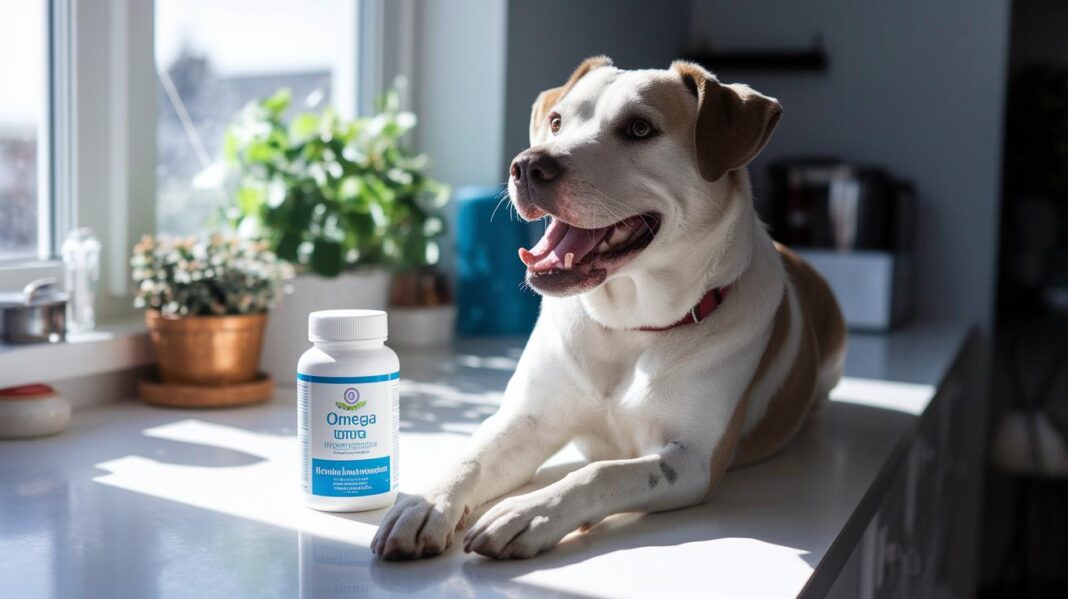

Is your dog missing a trick for smoother joints and a shinier coat? Imagine a pet that feels better, walks easier, and wags its tail more. In this post, we show you how to get the right amount of omega 3 (a healthy oil from fish) for your dog. We use clear charts and simple dosage tips. Even small changes in your dog's diet can help boost their brain power, heart health, and healing. Keep reading to find out how to add more joy and wellness to your furry friend’s life.
Omega 3 Dosage Guidelines for Dogs
Getting the right amount of omega 3 can help your dog in many ways. It supports healthy joints, reduces swelling, and improves skin and coat quality. Since dogs can’t make omega 3 (an essential fat) on their own, they must get it from their food or supplements. It’s important to measure the dose carefully because even small changes can affect your dog's brain, heart, and healing , especially for puppies or dogs with long-term health issues.
The National Research Council suggests starting with about 30 mg per kg^0.75 of your dog’s body weight. For many pet parents, this equals roughly 20 to 55 mg of EPA (a type of omega 3) and DHA (another type of omega 3) per pound of body weight each day. If your dog has inflammation or a chronic condition, begin with about 25% of the highest safe amount, which is around 370 mg per kg^0.75. Then, slowly increase the dose while watching for any signs of side effects like loose stool or tiredness.
- Maintenance dose: 20–30 mg EPA + DHA per pound of body weight
- Joint-support dose: 30–45 mg EPA + DHA per pound of body weight
- Therapeutic dose for severe inflammation: 45–55 mg EPA + DHA per pound of body weight
Weight-Based Omega 3 Dosage Chart for Dogs
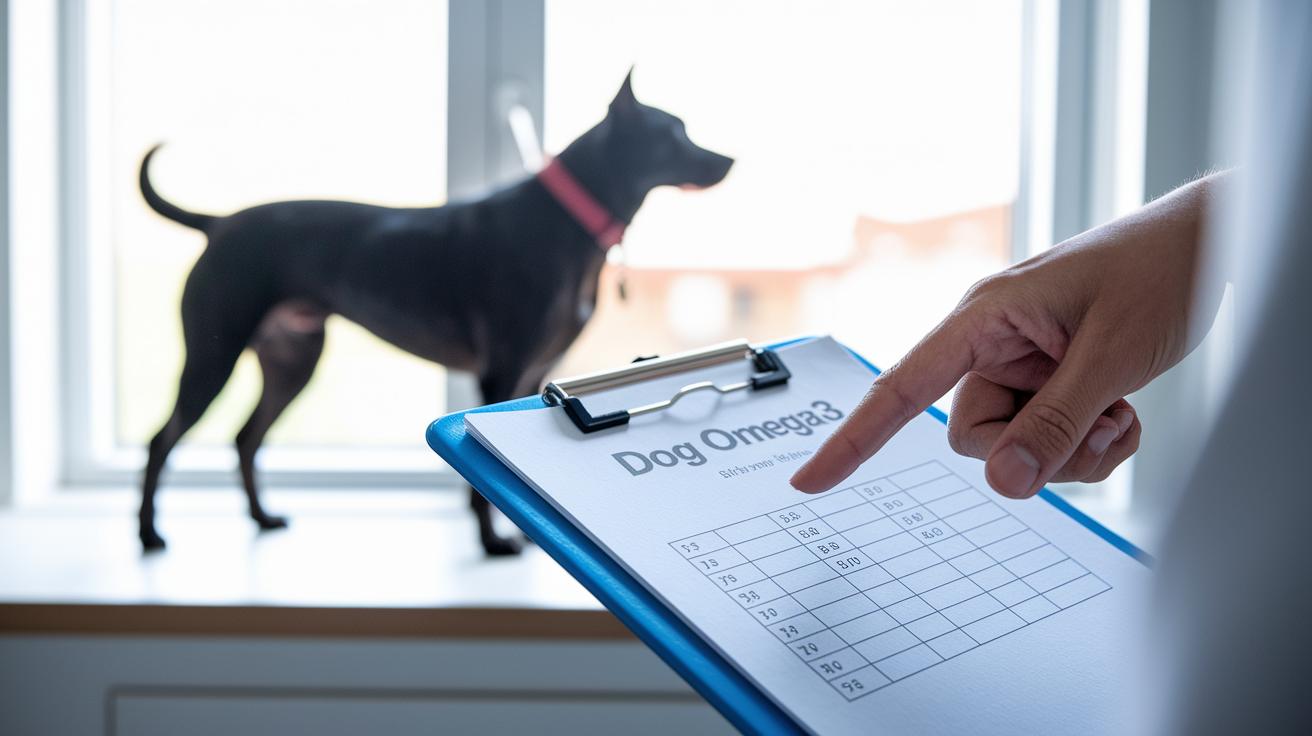
This simple chart helps you figure out how much omega 3 (EPA+DHA) to give your dog every day. The table shows your dog’s weight in pounds, how many milligrams of EPA+DHA to use, and the amount of liquid oil (in mL) if your oil has a concentration of 200 mg/mL.
For example, if your dog weighs 10 lbs, you would use between 200 mg and 550 mg of EPA+DHA. That equals about 1.0 to 2.8 mL of oil. This range covers a variety of needs, whether your pet is on a general health plan, needs joint support, or requires extra help with inflammation.
Remember, this chart is just a guide. Every dog is different, so it’s important to check with your veterinarian for the best dose for your pet.
| Dog Weight (lbs) | EPA+DHA (mg/day) | Liquid (mL/day) |
|---|---|---|
| 5 | 100 – 275 | 0.5 – 1.4 |
| 10 | 200 – 550 | 1.0 – 2.8 |
| 20 | 400 – 1,100 | 2.0 – 5.5 |
| 50 | 1,000 – 2,750 | 5.0 – 13.8 |
| 100 | 2,000 – 5,500 | 10.0 – 27.5 |
| 150 | 3,000 – 8,250 | 15.0 – 41.3 |
Adjusting Omega 3 Dosage for Canine Health Conditions
Changing your dog's omega 3 dose can really help with specific health issues. Different problems need different amounts so your pet stays safe. The safe limit is 370 mg per kilogram raised to the 0.75 power, so any changes should be gradual.
Arthritis Support
For dogs with sore joints or arthritis, try giving 30-55 mg of EPA+DHA per pound (EPA and DHA are the helpful fats in omega 3). Start with the lower amount and slowly increase over two weeks. This gradual change lets your dog's body adjust and lowers the chance of side effects.
Skin and Allergy Care
If your dog has itchy skin or allergies, 20-40 mg of EPA+DHA per pound may help soothe inflammation and improve coat quality. Keep an eye on your pet’s coat and tweak the dose within this range if needed.
Puppy Growth Needs
Growing puppies need steady omega 3 to support brain and tissue growth. A dose of about 30 mg per kilogram raised to the 0.75 power helps them develop healthily during these important early months. Regular vet check-ups can help ensure the dose works as they grow.
Senior Maintenance
Older dogs typically do better with a smaller dose of omega 3. Adding a bit of vitamin E (100 IU for every 1,000 mg of omega 3) can also help support their skin, bones, and overall health. Since older dogs process nutrients slower, a modest dose is best to keep them feeling good.
Administration Guidelines for Omega 3 Supplements in Dogs
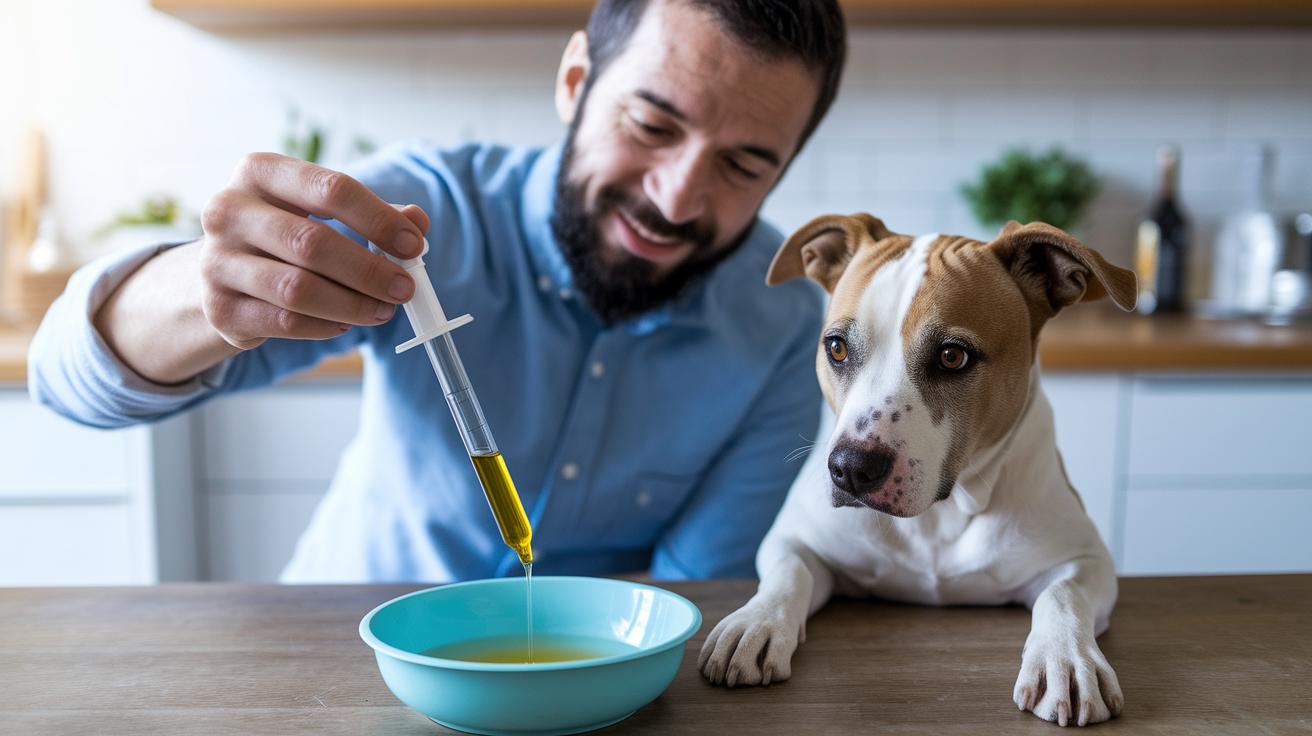
Fish oil for dogs comes in two types: liquid and capsules. The liquid version usually has 200 mg per milliliter (mg/mL), which makes it simple to measure and adjust if needed. Capsules work great too, so choose the type that fits your dog's routine. For best results, give Omega-3 with a fatty meal. This helps your dog’s body use the oil. Keeping the fish oil in the fridge also helps keep it fresh.
When it's mealtime, offer the Omega-3 by mixing it with your dog's food. For liquid oil, use a dosing syringe to get the right amount. If you choose capsules, you can hide them in a treat or mix them in the meal. Sticking to the same time each day helps your dog get steady nutrients. Keep an eye on your dog's appetite and check the stool to spot any changes. If you see any unusual behavior or digestive trouble, adjust the dose and ask your veterinarian for advice.
Safety and Monitoring: Omega 3 Dosage in Dogs
Too much omega 3 can harm your dog. It may cause loose stools, weight gain, and even lower vitamin E levels because omega 3 acts as a blood thinner. This is why careful measuring is so important, especially for dogs that are sensitive to diet changes.
Keep an eye on your dog after starting omega 3 supplements. If you notice diarrhea, tiredness, or strange bruises, it might mean the dose is too high. Lower the dose and call your vet. Make a note of how your dog reacts, have a vet checkup twice a year, and adjust the dose based on blood tests to keep omega 3 levels safe.
Selecting and Dosing the Right Omega 3 Supplements for Dogs

When you shop for Omega 3 supplements, choose ones made just for dogs. These products skip harmful additives like xylitol (a sugar substitute that can be toxic) and give your dog just the right amount of active ingredients. This helps keep their joints, skin, and overall health in top shape.
Purity and Testing
Look for a seal such as IFOS or USP. These marks mean the product has been tested carefully for contaminants like heavy metals, so you can feel safe using it.
EPA:DHA Ratio
Go for a supplement with an EPA to DHA ratio near 18:12, or about 3:2. This balance is key for supporting your dog’s joint health and maintaining a shiny coat by providing essential fats for healthy cells.
Label Clarity
Always check the label. It should clearly show the amount per mL or per capsule and the serving size. This makes it easier to give the right dose and adjust it if needed.
Veterinary Consultation
Lastly, chat with your veterinarian. They know your dog's health history best and can recommend the perfect product and dose for your pet’s unique needs.
Final Words
In the action, we explored keeping your dog strong and happy through precise omega 3 for dogs dosage. We broke down healthy dosing amounts for everyday needs and special care, from joint support to sensitive skin or puppy growth. We also shared a weight-based chart and care tips for giving these supplements safely. Staying aware of your dog's response to omega 3 supplements can help make a big difference every day. Here's to helping your pet live its best life!
FAQ
What does an Omega‑3 dosage chart by weight tell me?
The Omega‑3 dosage chart by weight shows exact EPA+DHA amounts based on your dog’s weight, often converting daily mg into the liquid volume needed for easy reference.
How is Omega‑3 dosage per pound determined for dogs?
The Omega‑3 dosage per pound is set at roughly 20–55 mg of EPA+DHA daily, allowing you to tailor the amount based on your dog’s size and health needs.
How do I use an Omega‑3 dosage calculator for my dog?
An Omega‑3 dosage calculator uses your dog’s weight to quickly compute the proper EPA+DHA amount, making it a handy tool for getting the right daily dose.
What is the daily Omega‑3 dosage recommendation for dogs?
Daily Omega‑3 dosing focuses on 20–55 mg of EPA+DHA per pound, ensuring pets receive enough nutrients to support joint, skin, and overall health.
Which Omega‑3 product is best veterinarian recommended for dogs?
The best Omega‑3 products are those made specifically for dogs, with approved purity, a balanced EPA:DHA ratio, and clear dosage instructions as recommended by veterinarians.