



Have you noticed your pet seeming uncomfortable all the time? Sometimes, their food can be the reason for itchy skin or an upset tummy. Many pet parents do not see the connection between what their pet eats and these symptoms. A pet allergy elimination diet can help you figure out which ingredients might be causing the problem.
Work closely with your vet and try a new protein source. One option is Black Soldier Fly Larvae (a type of insect protein). This guide will show you how to remove common allergens from your pet’s meals and help your furry friend feel better every day.
Core Steps for Pet Allergy Elimination Diet Implementation
Start by talking with your vet to see if an elimination diet is the best choice for your pet. Your vet can help create a plan that fits your pet's needs and choose a complete, balanced food that skips common allergens like beef, chicken, dairy, wheat, soy, and eggs. For instance, changing to a food that uses Black Soldier Fly Larvae as the main protein along with a less familiar carbohydrate may help calm your pet’s allergies.
Follow these steps:
- Check with your vet for a custom diet plan.
- Choose a new diet that is simple and novel. Look at resources like "Understanding Pet Food Nutrition Labels" for tips.
- Switch to this diet completely. Do not give any treats, human food, or extra supplements that might bring back allergens.
- Stick with the new diet for at least 8 to 12 weeks. Sometimes it might go up to 16 weeks. During this time, watch for signs like less itching, better digestion, and overall health gains.
Keep a diary for your pet’s progress. Write down when you see fewer symptoms or other changes. This record will guide you when you slowly add foods back into your pet’s diet later.
Remember, consistency matters. Once your pet is fully adjusted, even a little bit of an allergen can change the results. Following these steps helps you pinpoint which foods your pet cannot tolerate and keeps your furry friend feeling better.
Recognizing Common Pet Allergens and Sensitivities in Diets

Food allergies affect about 10% of dogs. With cats, food allergies are the third most common problem after breathing issues and flea bite reactions. Here, we explain the key differences between real allergies and food sensitivities in your pet’s diet. Real food allergies can cause signs like itchy, red skin. Food sensitivities usually upset the stomach, leading to bloating or diarrhea.
Signs to watch for include:
- Itchy, red skin with lots of licking or chewing
- Ear infections that cause head shaking and a waxy smell
- Stomach troubles such as bloating and diarrhea
- Lethargy or low energy
Remember, true allergies involve the immune system and might last a lifetime. Sensitivities can sometimes be managed by slowly changing your pet’s food. This means you should watch your pet’s behavior closely when you change their diet. Start a food diary and note when symptoms begin and any new behaviors. This careful tracking can help you figure out which ingredient is causing problems and keep your pet healthy and happy.
Crafting a Hypoallergenic Nutrition Strategy and Novel Protein Introduction
Many vets recommend switching your pet’s regular food for a new diet when allergies are a problem. They suggest using proteins your pet hasn’t eaten before, like Black Soldier Fly Larvae, venison, or kangaroo. These proteins can be easier on your pet’s tummy when they react to usual ingredients. Instead of regular grains, try healthy carbs like sweet potato and pumpkin. These choices meet the proper nutrition guidelines from AAFCO or FEDIAF.
When you start a new diet, keep these ideas in mind:
- Use a pet food made with few ingredients that is meant for allergies, or cook meals at home with high-quality items.
- Look at food labels carefully. For help, you might check out guides that explain Dog Food Nutrition Facts.
- Mix a small bit of the new food with the old food at first. Slowly increase the new food to help your pet adjust. If your pet is a picky eater, you can add a little flavor booster recommended by your vet.
A good hypoallergenic diet means completely changing out the old food to avoid accidental allergens. Stick with one new protein and one new carbohydrate so you can tell if something still causes a reaction. Even a tiny bit of an allergen may make your pet sick, so it’s important to be consistent.
This careful approach helps you figure out which foods trigger allergies. It also makes sure your pet gets all the right nutrients. In the end, you can develop a safer, custom diet plan that keeps your furry friend happy and healthy.
Setting Timelines: Duration Guidelines for Effective Elimination and Reintroduction

Stick to the recommended schedule during your pet's elimination diet. Most experts suggest a strict phase of 8 to 12 weeks, sometimes up to 16 weeks. During this time, feed only the new diet to see if symptoms like itchiness, upset stomach, or ear problems improve. Begin by noting your pet's normal condition.
Keep a simple log of your pet’s behavior and changes in symptoms. Write down the date, what food was given, and any changes you notice, like less scratching or more energy.
When the elimination phase ends, start testing one food at a time. Give each new food for 1 to 2 weeks. For example, if you reintroduce turkey, add a small amount and watch for signs like increased licking or tummy upset. Record any reactions.
This careful schedule helps you pinpoint which foods cause issues. Tracking everything clearly is the best way to find a safe diet for your pet during an elimination trial.
Monitoring Pet Health: Symptom Tracking and Food Diary Best Practices
If you are trying a new diet for your pet, keep a simple food diary to see how they react. Write down every meal, treat, or supplement with key details such as the type of food, the amount served, and the feeding time. For example, you might note, "Fed 1/2 cup (120 ml) of hypoallergenic food at 8 AM. Noticed itching 3 hours later." This helps you figure out when any problems start.
Write down any behavior changes as soon as you notice them. Whether it’s extra licking, chewing, or tummy issues like bloating and diarrhea, mark down the exact times. For example, "Diarrhea seen 12 hours later." If your pet has serious symptoms like trouble breathing or collapses, call your veterinarian right away.
Try using a notebook or a digital app to log:
- Daily meals and treats given
- The amount of food and feeding time
- When and what type of symptoms occur
Review your diary each day to look for patterns. This routine makes it easier to see which ingredients might be causing problems. Keeping detailed records not only shows small changes in your pet’s behavior but also helps you adjust their diet for better health. A clear food journal gives you a powerful tool to manage your pet’s allergies and keep them feeling their best.
Step-by-Step Reintroduction Protocol to Pinpoint Pet Food Triggers
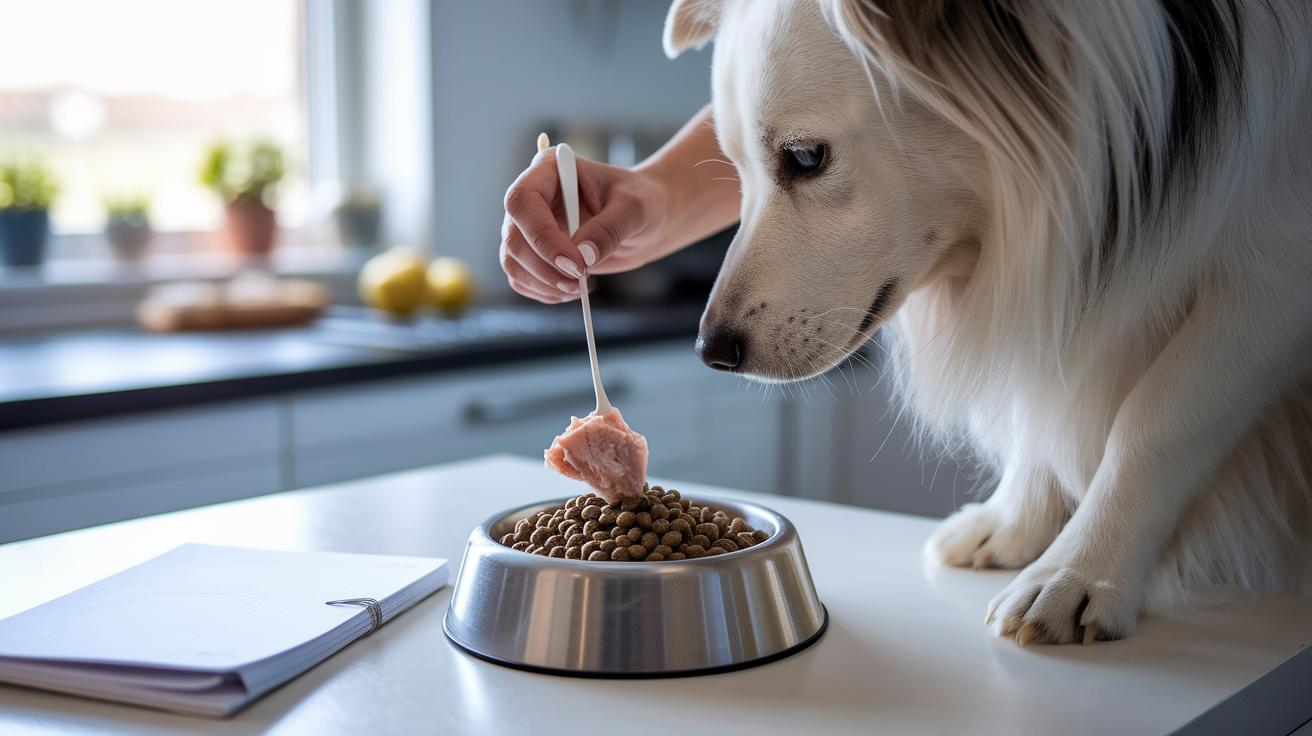
After an 8- to 12-week elimination diet with no accidental exposure to allergens, keep your pet’s usual base food and add one new ingredient at a time. Begin by blending in only 10% of the test ingredient, say, turkey, with 90% of the safe, hypoallergenic food.
Spend 1 to 2 weeks on each ingredient to see if symptoms reappear. Keep a simple food journal with the date, type of food, serving size, and any changes such as itching, stomach upset, or ear irritation. This record helps you spot patterns and figure out which ingredient might be causing a reaction.
Follow these steps:
- Make sure your elimination diet lasted at least 8 to 12 weeks with no accidental exposure to allergens.
- Introduce one new ingredient at a time. Limit it to 10% of the meal.
- Watch your pet for 1 to 2 weeks before adding the next ingredient.
- Record any signs like scratching, stomach upset, or other issues.
- If symptoms return, remove that ingredient immediately and wait until your pet recovers before trying another.
Custom Meal Plans: Inflammation Control Recipes and Allergen-Free Treat Tips
Cooking at home for your pet lets you control every ingredient while helping to ease inflammation. A great trick is to add foods known to lower swelling, such as salmon, pumpkin, turmeric (a spice with natural anti-inflammatory benefits), and coconut oil. For example, try a simple dish of steamed fish paired with pumpkin puree and green beans. This mix offers lean protein, fiber, and essential vitamins that help soothe a sensitive tummy.
It is important to check that each meal is balanced. Make sure the recipe meets your vet's guidelines for proteins, fats, carbohydrates, vitamins, and minerals. Always consult your vet to ensure your custom meals match your pet's specific health needs.
When making treats, steer clear of common allergens by using freeze-dried proteins or creating homemade jerky from approved meats. This reduces the risk of triggering inflammation while still providing a delicious reward. Here are some quick tips for allergen-free treat making:
| Tip | How It Helps |
|---|---|
| Choose Approved Ingredients | Eliminates hidden allergens and keeps treats safe. |
| Test Small Batches | Helps you see which flavors your pet likes best. |
| Control Portions | Keeps treat intake balanced with meals. |
Imagine your pet's tail wagging happily as they enjoy a treat that also boosts their health! Including safe, anti-inflammatory ingredients in your pet's diet not only aids digestion but can also lessen itching and allergy symptoms. Try varying the proteins and veggies to keep meals fun, balanced, and tailored to your pet's needs.
When to Consult a Veterinarian and Veterinary Screening for Food Reactions

When you suspect your pet might have a food allergy, your vet is the best guide. There aren’t any dependable blood or skin tests for food allergies. Instead, vets use an elimination diet (a special diet where certain foods are removed) along with a look at your pet’s history to decide what to do next.
If your pet experiences severe symptoms like trouble breathing or signs of a life-threatening reaction (anaphylaxis), get help from your vet immediately.
If the strict elimination diet doesn’t make your pet feel better, it might be time to think about other causes, like environmental allergens. In these cases, your vet may suggest lab tests for allergies or switch your pet to a prescription hydrolyzed diet. This special diet breaks down proteins (the building blocks in food) so they are less likely to cause problems.
Below are key points to discuss with your vet:
| Topic | What to Share |
|---|---|
| Pet’s History | Review your pet’s symptoms and their diet changes |
| Elimination Diet Progress | Mention any improvements or continuing issues |
| Alternative Diets and Tests | Ask about lab-based allergy tests and hydrolyzed diets |
Working closely with your vet ensures your pet gets tailored care. The elimination diet is a proven way to tackle food allergies, and your vet's guidance will help you take the next steps to keep your pet happy and healthy.
Final Words
In the action, this post outlined a clear method to start a pet allergy elimination diet guide. It discussed consulting a veterinarian, picking a balanced, hypoallergenic meal, and sticking to an 8–12 week schedule. We covered tracking symptoms, reintroducing one ingredient at a time, and even adding safe treats. Follow these steps for a smoother experience in pinpointing food triggers and easing your pet's discomfort. With proper care and vigilance, your pet can live a healthier, happier life.