

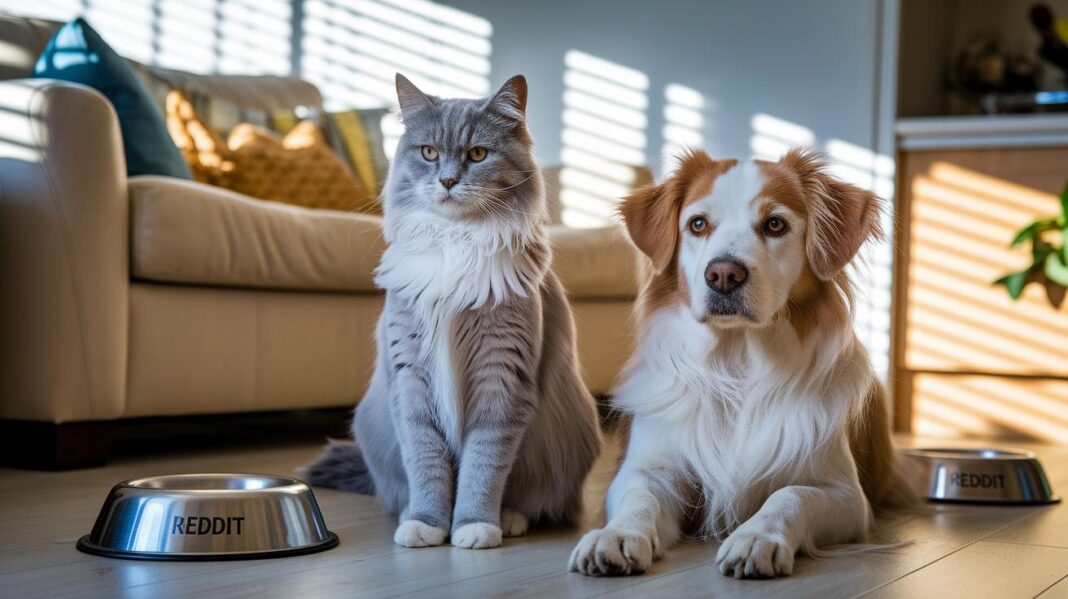

Ever wondered if your pets have their own secret social order? In a home full of furry friends, they interact in different ways. Some greet each other with a gentle nudge or a friendly touch, while others prefer to keep a little space. This helps every pet feel safe the way they like. Noticing these behaviors can show you which pet is more social and which one needs their quiet spot. When you understand these little exchanges, your home can be a calmer and happier place for everyone.
Key Interaction Patterns Among Pets in Shared Homes
Pets show different ways of interacting when they share a home. Friendly behaviors include gentle touches and mutual grooming. You might see one pet licking another's fur or giving a playful bow. These actions show that pets feel safe and connected.
Sometimes, pets simply share a room without much interaction. They rest in different corners, showing no strong interest in each other. This kind of neutral behavior is common and helps everyone feel comfortable.
There are also moments when a pet keeps its distance. A pet might move away or hide when another comes close. This avoidance behavior helps prevent conflict and eases tension in a busy home.
Different types of pets and their unique personalities can shape these behaviors. For example, a curious dog might be more playful and seek out friendly contact, while a shy cat may prefer quiet spaces. Understanding these differences can help you make small adjustments at home so every pet feels secure and respected.
Recognizing Social Hierarchies and Roles in Multi-Pet Settings
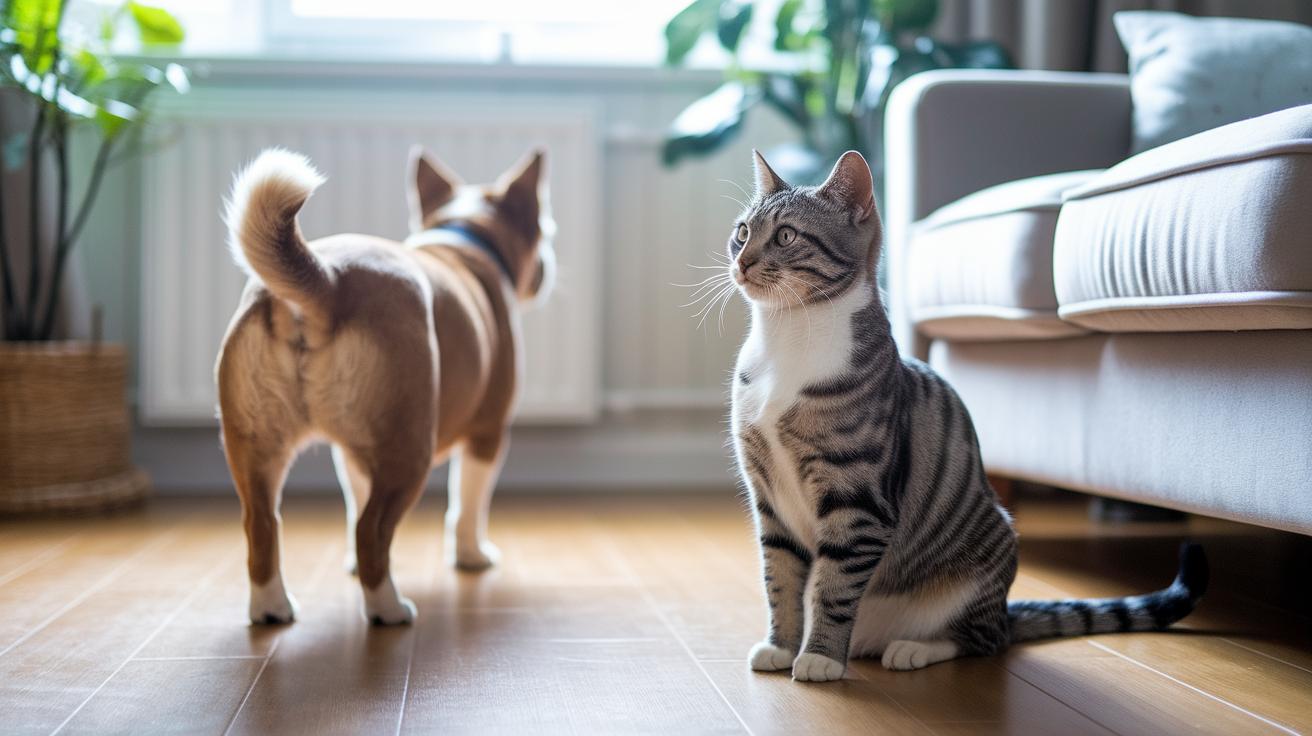
In homes with many pets, noticing how they interact is very important. Every pet settles into a rank based on its personality and habits. When you see these roles, you can help keep your home calm and friendly.
Dominance and Submission Cues
Watch your pets for clear signs. A stiff posture, raised fur, or direct eyes might show that one pet is taking charge. Sometimes a pet will turn away or hide as a sign of submission. For example, when a dog steps back as another approaches, it is respecting that pet's space. These body language cues help keep things balanced naturally.
Role Differentiation by Species
Different kinds of pets show their roles in their own ways. Dogs are often more active and playful, while cats may seek quiet corners and signal their independence in subtle ways. Small pets usually find safe hideaways to avoid conflicts. Each species has its style, which shapes how they act in a group.
Give your pets the space they need by providing separate resting areas and individual attention when required. Keeping a regular routine and watching them closely can help reduce tension and make your multi-pet home peaceful.
Environmental Factors Influencing Behavior in Multi-Pet Homes
The setup of your pet’s space can greatly affect their behavior. Creating clear areas for meals, rest, and play helps each pet feel safe and relaxed. This means giving every pet a special spot, which lowers stress and stops fights over toys and treats. Even small tweaks in your layout can lead to friendlier interactions.
| Enrichment Strategy | Benefit |
|---|---|
| separate feeding stations | reduces resource guarding |
| elevated perches | creates personal space |
| rotated toys | keeps pets engaged |
| modular pen kits | offers flexible spaces |
| scent-marking areas | helps control indoor marking |
To get started, divide your home into distinct zones. Use separate bowls and feeding spots so pets don’t compete over resources. Create quiet areas with elevated perches where pets can unwind away from the bustle. Change up toys every few days to keep playtime fun and engaging, and add modular pen kits to switch spaces when needed. Watch your pets closely for any shifts in behavior, and adjust the setup if you notice extra tension or boredom. With a little thoughtful planning, you can help all your pets feel happier and more at ease.
Common Conflict Triggers and Resolution Strategies in Multi-Pet Households
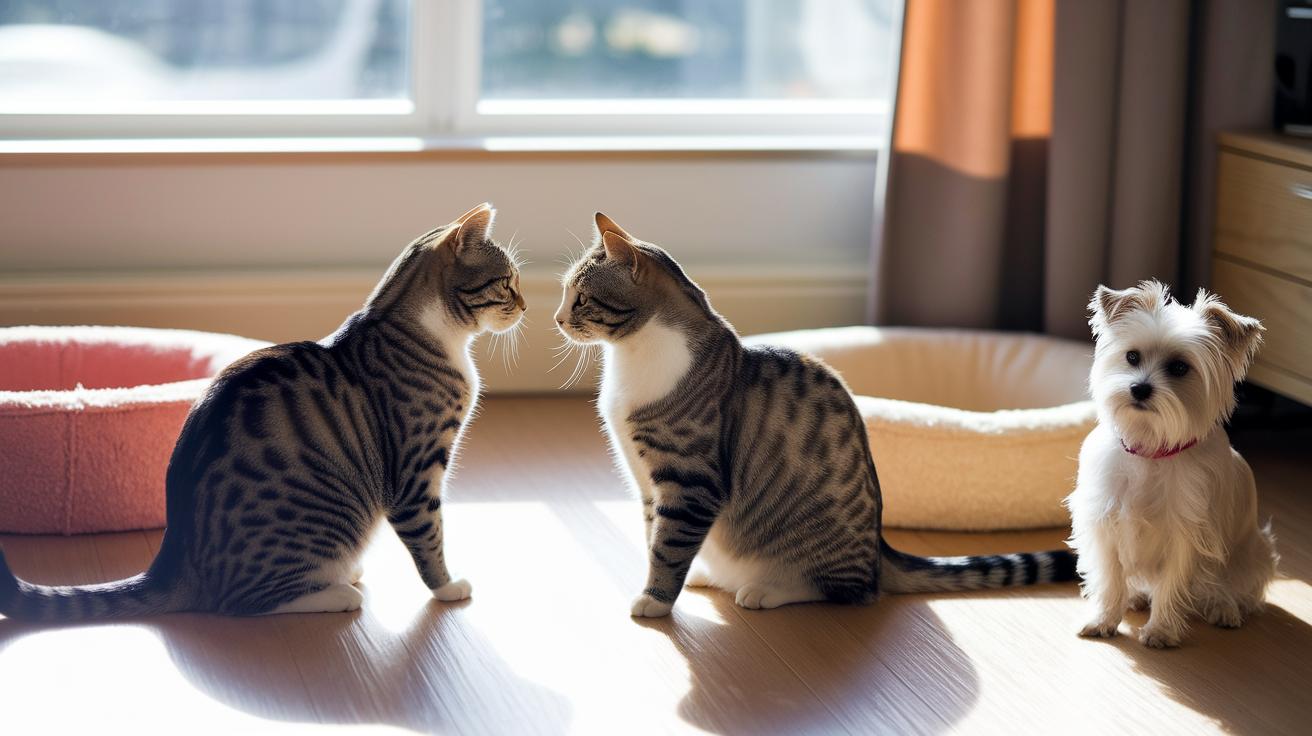
When you notice your pets staring each other down or acting uneasy, it’s smart to step in early. Sometimes when food, toys, or space seem scarce, pets can start to feel tense. Keeping an eye on these moments and acting quickly helps each pet feel safe at home.
Here are a few easy strategies to ease the stress:
- For feeding times, try giving pets their meals at different times.
- If one pet loves a toy a bit too much, switch out the toys and watch over play.
- When pets fight for their spot in bed, add extra cozy places for them to sleep.
- If a pet begins marking its space, set up a dedicated area like a special litter box or scratching spot.
- For pets that run around with too much energy, plan short daily play sessions or walks.
- For pets that might get too rough during play, set clear boundaries for safe fun.
Keeping these tips in mind and sticking to a regular routine for meals, play, and rest helps keep your home calm. Over time, these changes can lead to fewer arguments and plenty of peaceful moments with your furry friends.
Structured Routines for Enhancing Group Harmony in Multi-Pet Homes
Keeping a set schedule for meals, playtime, and rest can make a busy household run more smoothly. For example, feeding your pets at the same time every day helps them know what to expect. This simple routine is also mentioned in our tips for reducing conflict and setting up your pet’s space.
We also suggest using positive reinforcement to train your pets. This means giving a small treat when a pet stays calm during group play. It’s a great way to build good habits without overloading you with extra advice.
Combining these tips makes it easier to create daily routines that help your pets bond and feel safe. When pets stick to the same schedule, they naturally feel more connected and relaxed.
Monitoring and Adjusting to Evolving Multi-Pet Dynamics
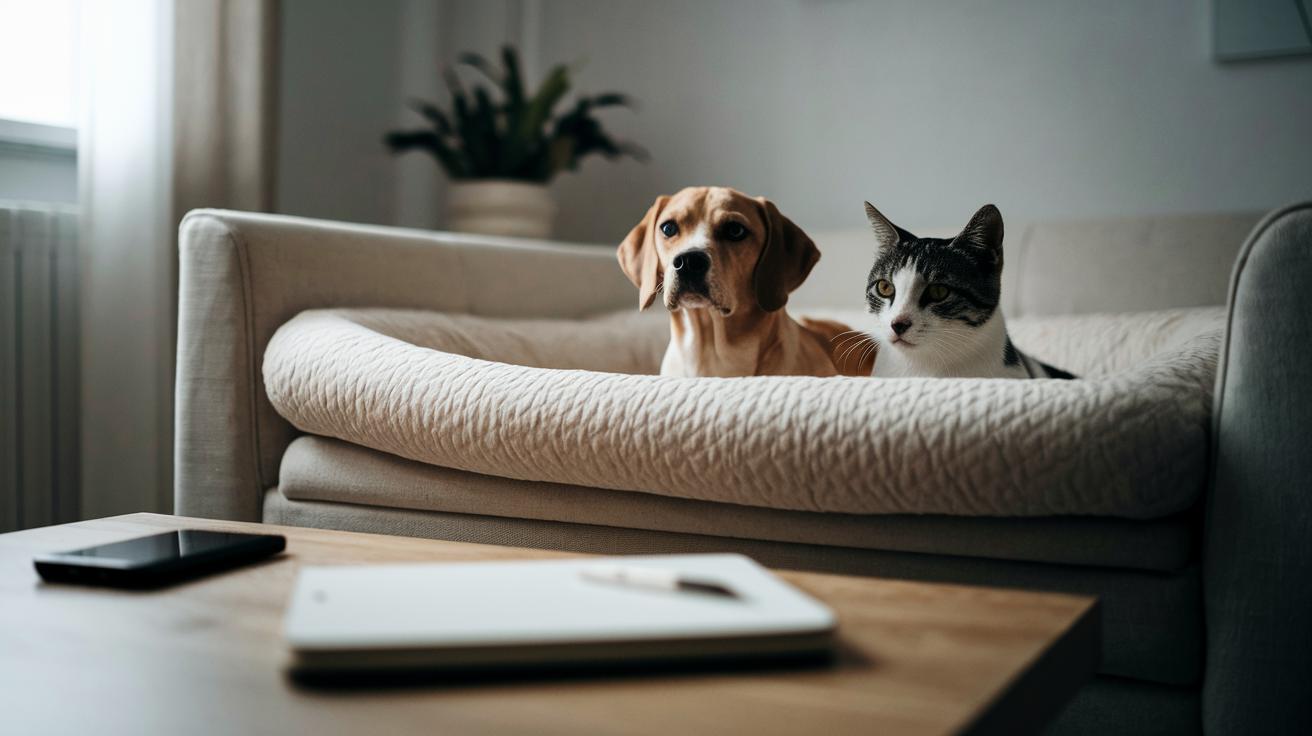
Keep a close eye on your pets to spot any signs of stress. Look for small changes in how they move or interact that might mean they’re not feeling comfortable.
Try jotting down notes or recording a quick 30-second video during feeding time. This helps you see if one pet is acting more anxious than usual.
If you notice any stress, consider adding extra cozy spots or setting up a small pen area. These changes can help make your pets feel more secure.
Also, check in on expert advice regularly. Their latest tips and accessory suggestions can help you tweak your home to keep every pet relaxed and happy.
Final Words
In the action of exploring pet behavior patterns in multi pet households, this article covered key areas of interaction, social hierarchies, and environmental influences.
Short segments discussed affiliative actions, neutral and avoidance cues, and how structured routines can reduce conflict.
Clear tips on monitoring and adjusting to evolving dynamics were offered too.
Keep a close eye on these practical strategies, and enjoy watching your furry friends thrive together in a happy, well-managed home.