

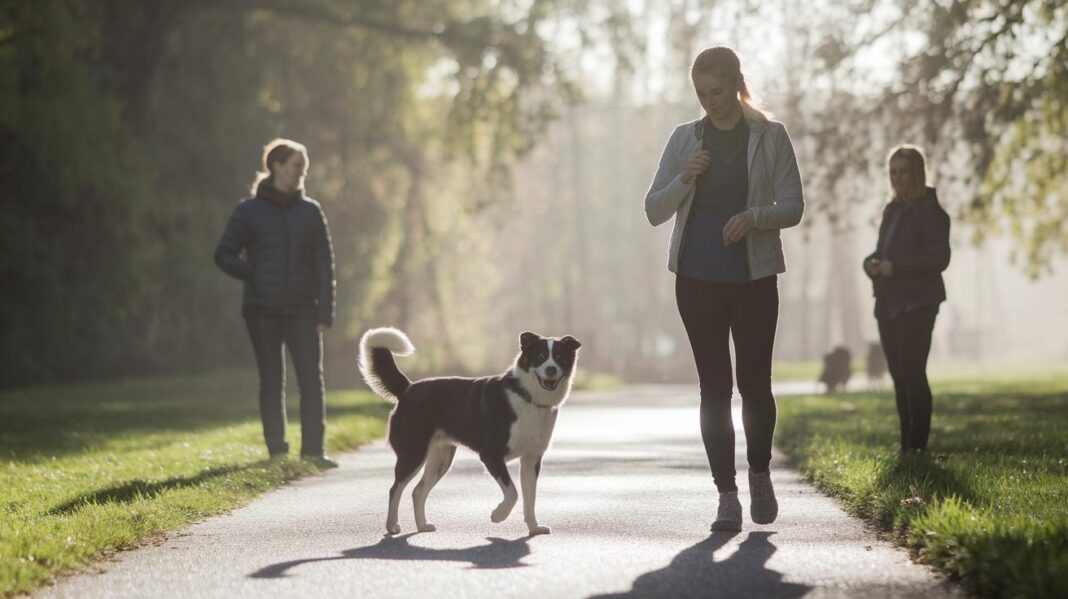

Have you noticed that some dogs are acting aggressively lately? Many pet owners and trainers have seen more cases of snapping and growling. Experts say this can happen when dogs feel stressed by fear and boredom.
When we understand what upsets our dogs, we can help them feel safer and calmer. Recognizing these triggers lets us ease their stress and keep them on a steadier path. Let’s explore why these changes happen and find small ways to bring back the optimism in our furry friends.
What the Data Shows About Why Dog Aggression Seems to Be Rising
Dog trainers across the U.S. are seeing more cases of aggressive behavior in pets. Videos, blogs, and podcasts about dog actions show that many of these cases stem from fear. In simple terms, a dog may attack when it feels threatened. One trainer explained that a dog, confined in a small crate all day, became stiff and snapped at the air when let out. This shows how built-up fear can turn into aggression.
Boredom also plays a big role. Dogs that spend too much time in small spaces or crates can feel anxious and frustrated. When they finally get attention, they may react with growling, lunging, or even biting. Bite records and trend studies back up these sudden outbursts. Trainers say that fear-based responses often do not improve with standard treatments.
Experts warn that if no steps are taken to reduce these stress triggers, the problem could get worse. The rise in aggressive behavior highlights the need for pet owners to act quickly. New data from bite reports and behavior checks remind us that easing stress for our dogs is crucial to keeping them calm and safe.
why dog aggression seems to be rising: Optimism
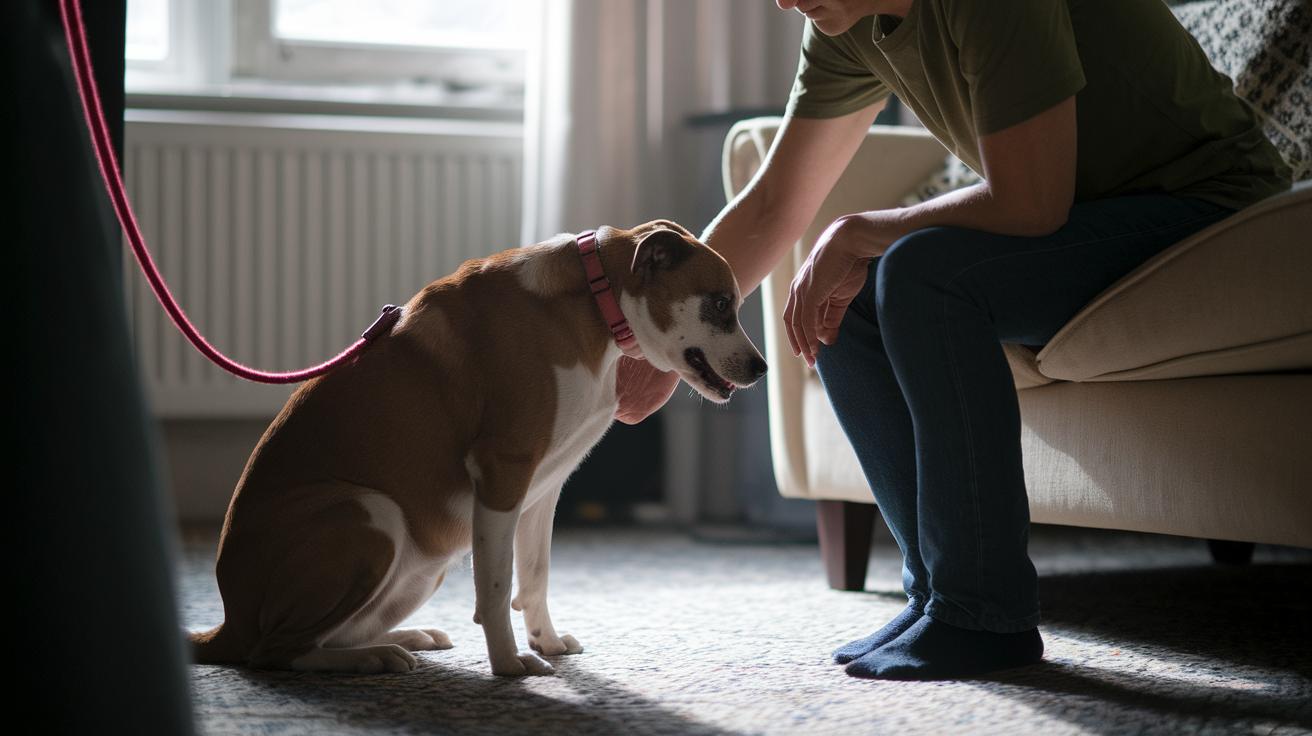
When you notice an uptick in your dog’s aggressive behavior, it can be unsettling. But knowing what might be triggering these actions gives you a way to help your pet feel better. Paying attention to warning signs can keep your dog calm and safe.
Here are five common triggers:
-
Fear-based responses: When dogs face stressful situations, like loud fireworks, they can freeze or snap at the air. This behavior is more about being scared than being truly angry. See more in our Aggressive Dog Body Language article.
-
Pain from health issues: Conditions such as arthritis (joint pain and stiffness) or dental problems can make a dog uncomfortable. When they feel pain, they might growl or snap when touched. Spotting these signs early can lead to better pain management.
-
Hormonal changes: Intact males might show extra aggression when competing for a mate, while females can become more reactive during their heat cycles. These natural shifts mean you may need to adjust your care during these times.
-
Neurological problems: Issues like brain tumors or nerve injuries can suddenly change how a dog behaves. If you see unexpected aggression, it’s important to get immediate veterinary help.
-
Rare rabies cases: Unvaccinated dogs can sometimes develop sudden and dangerous aggression if they contract rabies. Keeping up with vaccinations is a step that really pays off.
Recognizing these signs gives you hope. With early intervention and proper care, you can help manage your dog’s behavior and improve their overall wellbeing.
Environmental and Social Influences on Rising Dog Aggression
Living in a busy city can be hard on our dogs. When a dog spends too much time in a small apartment or in a crate, it can get bored and stressed. This built-up stress often shows in stiff postures or pacing. Check out our Dog Body Language article for more clues.
City life brings loud noises, crowded sidewalks, and constant activity. These factors keep dogs on edge and can lead to defensive behavior. When the stress piles up, even normally calm moments become hard for them.
Spending too much time alone can also make dogs irritable. A dog that isn’t used to being around lots of people or other animals may become defensive when it suddenly faces a lot of activity. Puppies that miss out on early social experiences might see harmless situations as threats later in life.
Big changes in their surroundings, like moving to a new home or having a new family member, can unsettle dogs. These changes often create anxiety that may trigger defensive reactions as dogs struggle with unfamiliar routines and places.
Genetic Predispositions and Breed-Related Patterns in Dog Aggression Increase
Many dog breeds were chosen by people for jobs like guarding or hunting. This means they were bred to be alert and ready to react. Because of this, some dogs may seem more aggressive when they feel stressed.
Certain genes help control how a dog handles fear and stress. Some pups have genes that make them react strongly to even small stresses. This means they might show defensive behavior while other dogs stay calm, even if they have similar training.
Spaying or neutering can help lower aggression that comes from hormones, but it does little for fear-based aggression. In these cases, a dog’s genes play the larger role.
Knowing about these genetic traits can help pet owners and trainers provide better care. By understanding a dog’s natural tendencies, you can tailor training and care to keep your pet balanced and happy.
Owner Practices, Training Gaps, and Daily Routines Impacting Dog Aggression Trends
When training isn’t consistent, it can really change how your dog behaves. Using punishment can scare your pet, and that fear may turn into aggression later. It's easy to miss the small signs, and before you know it, little issues grow into big ones that are hard to fix.
Skipping 30 to 60 minutes (half to one hour) of exercise daily leaves your dog with extra energy. That pent-up energy can lead to frustration and the dog might act out aggressively. Just like us, dogs need a way to burn off stress. A simple walk or play session can make a big difference.
Feeding time can also cause problems if there aren’t clear rules. When dogs eat without supervision, they might scramble over food, leading to fights. This competitive feeding makes them more protective and reactive over their meals.
- Inconsistent training methods
- Lack of daily exercise
- Unsupervised competitive feeding
- Ignored early warning signs
Putting in place regular routines and using gentle training techniques can help lower the chances of aggressive behavior.
Expert Perspectives and Emerging Research on Why Dog Aggression Seems to Be Rising
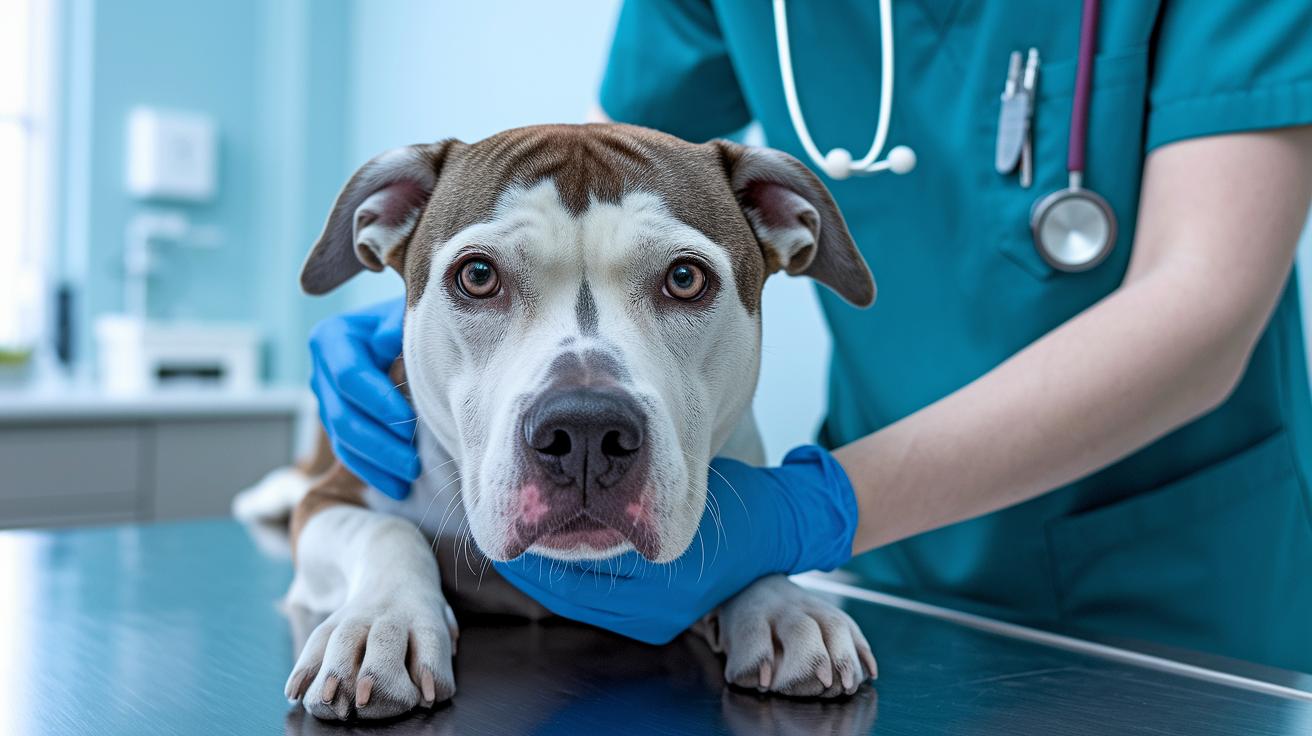
Experts in pet behavior have seen more cases of serious aggression in dogs. Data from 2020 to 2023 shows a 15% rise in such cases each year. Many veterinarians say that checking for pain and anxiety early can help manage these issues before they worsen.
Veterinarians also point out that changes in a dog's mood may come from underlying health problems or stress. One clinic now checks for pain while watching a dog’s behavior. This simple step helps tell if the aggression comes from physical discomfort or fear.
New genetic studies are finding clues about how some genes might make dogs more reactive when stressed. Early results suggest that certain genes can change a dog's response during stressful times. This exciting research may lead to more targeted treatments and better behavior-modification strategies.
Training programs that use a clicker and rewards show real promise. These methods have a 40% better success rate than older punishment approaches. Experts say that reward-based training helps dogs focus and respond more positively. Over time, this gentle method can ease defensive behaviors and lead to a calmer pet.
Prevention and Intervention Best Practices for Addressing Rising Dog Aggression
Make sure your dog gets 30 to 60 minutes of fun, structured exercise every day. Regular walks, games, or play sessions help reduce stress and use up extra energy. When your dog has a steady outlet, it feels calmer and is less likely to act out.
Start socializing your puppy early. Let your puppy meet 8 to 12 different people and explore different places before it reaches 16 weeks old. This simple step teaches your puppy that new faces and surroundings are safe, which can lower fear-based aggression later on.
Use rewards instead of punishment. Treats and clicker training make learning exciting and help your dog focus on good behavior. Reward-based training avoids making your dog feel scared or confused.
Have a plan ready for times when aggression flares up. Choose a quiet, safe spot where your dog can take a short time-out to calm down. This brief break can prevent the situation from getting worse.
Talk to your vet if your dog suddenly becomes aggressive. Sometimes, pain from problems like arthritis (joint pain) or dental issues can cause this behavior. A thorough check-up can show if pain is behind the aggression.
Don't hesitate to ask a pet behavior expert for help. These professionals can provide personalized tips to manage aggression and stop problems before they grow.
Keep your home calm and predictable. Dogs thrive on routine, so stick to regular feeding times, walks, and play sessions. A steady routine helps lower anxiety and reduces aggressive reactions.
Regularly review your training sessions to ensure they are fun and stress-free. Keeping your approach consistent can prevent small issues from turning into serious aggression.
Societal and Legal Implications of the Rise in Dog Aggression

Cities around the country are stepping up their rules. Many are enforcing stricter leash laws and now require reports when incidents occur. One city noted that tightening leash rules can help stop dangerous run-ins in local parks. Increased concerns about safety have pushed local governments to review their dog-aggression policies.
Reports show that liability claims from dog attacks have increased by 12% over the last two years. This rise is leading lawmakers to think about rules that target specific breeds and require more detailed incident reports. These measures are meant to hold dog owners responsible and keep people safe. Many communities are also adding bite-prevention classes in schools and parks to boost awareness and lower risks.
Local government agencies are taking another close look at how they oversee animal behavior. Some new proposals call for a required behavior check after a dog shows its first signs of aggression. This early screening could help catch issues sooner and offer help before problems get worse.
- Stricter leash-law enforcement and mandatory incident reporting
- More liability claims leading to proposals for breed-focused rules
- Community programs that teach bite-prevention in schools and parks
- New ideas for behavior checks to identify early signs of aggression
These steps show that keeping our neighborhoods safe is a high priority. Law changes and community education work hand in hand to protect both your pet and your family.
Final Words
In the action, the post broke down current data, expert insights, and owner strategies shaping why dog aggression seems to be rising. It highlighted factors like fear-based behavior, environmental stress, and gaps in training routines. The analysis also touched on genetic tendencies and societal shifts affecting pet behavior. Taking these findings one step further, small but consistent changes in care can make a big difference. Positive steps today mean safer, healthier, and happier days ahead for your furry friend.
FAQ
Why does dog aggression seem to be rising?
The rise in dog aggression appears connected to stress, fear-based responses, and changes in socialization. Data shows that urban stressors and inadequate routines often heighten aggressive behaviors in dogs.
Why is my male dog suddenly aggressive towards me?
The male dog’s sudden aggression may signal pain, fear, or stress. This shift can indicate an underlying health or behavior issue that should be evaluated by a veterinarian.
Why did my dog suddenly get aggressive with other dogs or family members?
Sudden aggression towards other dogs or family can stem from fear, discomfort, or changes in the environment. Such behavior may suggest that your dog is experiencing stress or pain that needs further attention.
Why is my female dog suddenly aggressive toward my male dog or other dogs?
Female dogs may act aggressively toward other dogs when experiencing hormonal shifts or anxiety. Changes in dynamics or stress can trigger this behavior, warranting review by a pet professional.
Why is my dog aggressive towards some dogs but not others?
When a dog shows aggression selectively, it may be related to past negative encounters or fear of certain dogs. Targeted training and gradual socialization can help ease these selective reactions.
Why is my dog suddenly biting me?
A dog that suddenly bites may be acting out of pain, fear, or stress. This behavior could indicate an underlying health issue, so it’s wise to have your pet evaluated by a veterinarian.
What breeds are prone to sudden rage syndrome?
Some breeds, especially those bred for guarding or hunting, can show traits of sudden aggression. Still, environmental factors and training play a large role in how these traits are expressed.
Does gabapentin help with aggression in dogs?
Gabapentin is mainly used to manage pain and anxiety rather than directly treating aggression. It may help ease discomfort that triggers aggressive behavior, but it is not a stand-alone solution.
Can Lyme disease cause aggression in dogs?
Lyme disease might lead to aggression indirectly through pain and discomfort. If you suspect Lyme disease, consult a veterinarian for proper diagnosis and treatment to help manage any behavioral changes.