

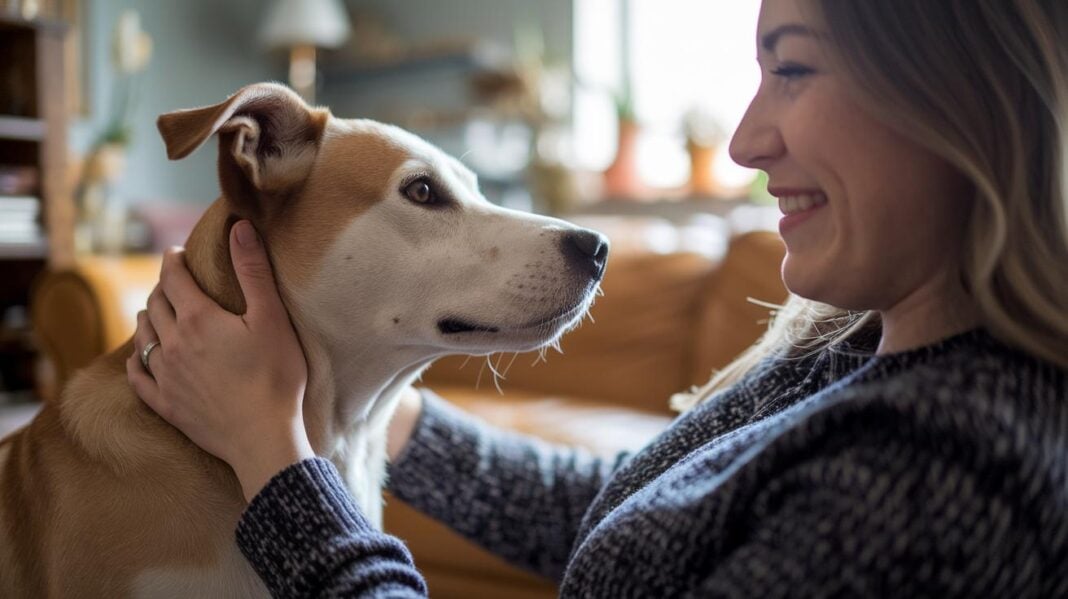

Ever wondered what your pet is trying to tell you? A soft head bump or a gentle tail wag can speak volumes. These little signals show when your furry friend is happy, playful, or even a little bit unsure.
Learning to read these clues can help you bond more closely with your pet. By noticing how they act, you can better meet their needs, whether it’s playtime or a bit of quiet comfort.
Next time you cuddle with your pet, take a moment to watch how they move and react. It’s like getting a secret glimpse into their feelings. Enjoy the special connection that grows from understanding these quiet messages.
2. understanding nonverbal cues in pet behavior: Bonding
Pets share their feelings without words. Their facial expressions, gestures, and how they hold themselves tell you what’s going on inside. Watching these small signs helps you bond more with your furry friend.
When a cat gives you a soft head bump or gently rolls over, it shows comfort and trust. Sometimes a playful tap of the paw or a roll on its back means the cat is ready for fun. Noticing these cues can help you decide if your cat wants to play or just relax quietly.
Dogs speak in a similar way. A loose, open mouth and a gentle tail wag usually mean they are happy. If their tail starts wagging faster or in a new direction, it might show they’re feeling different about people or other pets nearby. Recognizing these signals can prevent mix-ups and make your relationship even closer.
Vets even use a tool called the feline grimace scale (a way to look at a cat’s ears, eyes, and whiskers to spot pain) to check on cats. This proves that even the tiniest changes in body language matter.
By paying attention to these silent messages, you can easily meet your pet’s needs and make sure they’re feeling loved and cared for.
Canine Signal Cues and Tail Movement Interpretation

Dogs talk without words by moving their tails. When a dog meets someone new or a person that seems to be in charge, it may wag its tail more on the left side. This left-side wag shows that the dog feels a bit unsure. By contrast, a right-side wag usually means the dog is happy and comfortable. Imagine your dog's tail swaying gently to the right when you come home, it is a sign of joy and trust.
A cheerful dog often has a relaxed, open mouth with its tongue hanging out and gentle panting, much like a soft, warm breeze. If a dog holds its tail low or tucks it between its legs, it is likely feeling nervous or cautious. Picture a dog meeting a stranger for the first time: it might start with a slow, low wag and then become more energetic as it gets to know the person.
The way a dog wags can change quickly. At first, the wag may seem small and hesitant, but later it can become big and full of life as the dog warms up. To learn more about these signals, check out the dog body language resource.
Feline Facial Expressions and Interaction Cues
Every cat shows its feelings with tiny signals on its face. A small change in ear position can tell you a lot about your cat's mood. When their ears point forward, it means they are curious and engaged. But if you see them turned slightly to the side, they might be feeling a bit cautious. A slow blink acts like a gentle nod of trust, letting you know your cat feels safe with you.
A cat's eyes are another window into its mood. Wide, relaxed eyes usually mean your cat is calm and content. On the other hand, a slight narrowing of the eyes might hint at a bit of discomfort. Even tiny movements of the eyelids can help you tell if your cat is feeling happy or if something might be off.
Many veterinarians use a tool called the feline grimace scale to check for pain in cats. By looking at small details like ear position and slight tightening around the eyes, you can spot signs of distress. For example, a little twitch at the corner of the eye combined with a lowering ear could mean your cat might be hurting.
Key Postural Signals and Gesture Patterns Across Species
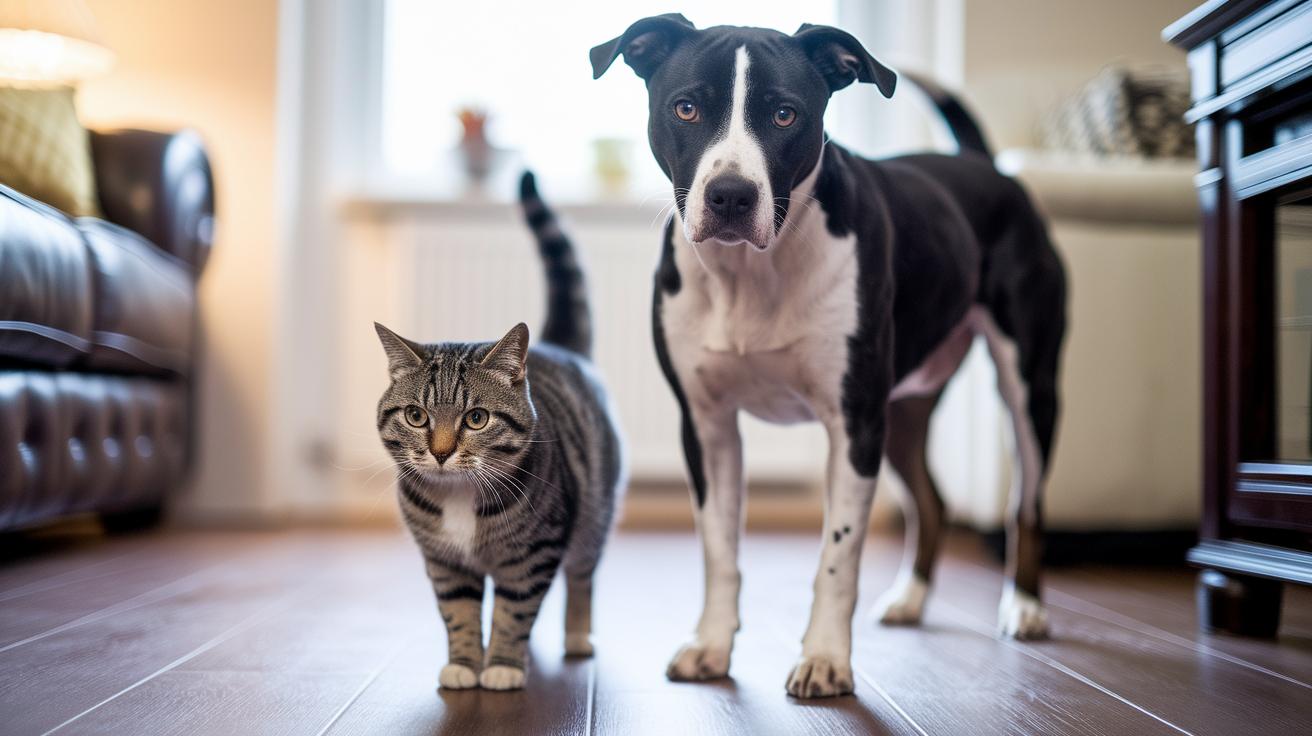
When you watch your pet's body, you can learn a lot about how they feel. For instance, an angry pet might stand very stiff, hold its head up high, and keep its tail raised. Tight muscles add to this firm look, much like a dog or cat that suddenly freezes with its ears straight and a puffed tail. This often means they are stressed or ready to act.
On the flip side, a pet that feels scared or unsure might crouch low, flatten its ears against the head, and tuck its tail close. Think of a cat slowly backing away or a dog sneaking behind furniture. These signs usually show fear or uncertainty.
There are a few more signals to note. Sometimes, a pet's fur along the back may stand up (raised hackles) when they are under stress or very excited. And when a pet rolls onto its belly, this belly-up position often shows trust or a hint that they want to play.
| Behavior | What It Means |
|---|---|
| Aggressive | Stiff body, high head and tail, and tight muscles |
| Scared or Submissive | Low crouch, ears flattened, and tucked tail |
| Stress | Raised hackles |
| Trust or Play | Belly-up roll |
Noticing these signs helps you understand what your pet is trying to tell you. Watching for these cues regularly can strengthen your bond and keep both you and your pet safe.
Practical Tips for Applying Nonverbal Cue Observation in Daily Care
Every day, take 5–10 minutes to quietly watch your pet as they go about their day. This short time helps you learn what is normal and spot any little changes quickly. For example, if your pet always does the same morning stretch, a change might mean something is off.
Try recording short videos during these sessions. Later, you can watch them back to see small details you might miss at first, like a slight droop in your dog’s ears or a change in how they stand.
Stay calm and relaxed when you observe your pet. Notice if their ears go flat or if they stand stiffly, which could be signs of stress. Use gentle praise or a treat to reward good behavior, and softly guide them if you see signs of discomfort.
Consider these steps:
- Spend 5–10 minutes each day watching your pet.
- Record short videos to check for subtle changes.
- Stay calm and observe closely.
- Reward good behavior with treats or kind words.
Even small shifts, like a slower blink in a usually bright-eyed cat, can give you hints about their health. Keeping a close eye on your pet helps you catch issues early and keep them happy and well.
Expert Insights on Enhancing Owner-Pet Communication Through Silent Expression Analysis

Recent research shows that a pet's small changes in blinking or subtle face movements can alert us to discomfort before other signs appear. Dr. Claire Stevens (DVM, May 2023) noted that new AI tools can catch these tiny cues, like a dog taking just a little longer to blink, which may signal pain earlier than usual.
For instance, one study found that when a dog's blink rate dropped by a few seconds over a week, it often meant mild stress was building up. In another case, a cat's quick blinks slowed over several weeks, and its ears began to rest differently. This change led the owner to a vet visit, where an early stage of inflammation was discovered. These findings show how modern methods can give us extra clues in understanding our pets' silent signals.
Final Words
in the action, the blog post broke down how pets share their feelings through quiet signals. It walked through the fundamentals of nonverbal cues in pets, from canine tail movements to feline facial expressions and general posture, helping readers spot signs of stress, play, and pain. Quick tips and expert insights showed simple ways to check for changes and connect better. This clear guide supports reliable pet care, empowering you in understanding nonverbal cues in pet behavior and keeping your furry friend safe and happy.
FAQ
FAQ
What does understanding normal dog behavior include?
Understanding normal dog behavior means watching for signs like tail wagging, relaxed posture, and gentle barks. These cues show when your dog feels happy, playful, or uneasy.
How do interesting dog behaviors explain their feelings?
Interesting dog behaviors such as specific tail movements and body signals reveal their moods. They help you notice if your dog is comfortable, anxious, or in need of space.
Do dogs enjoy being petted on the head?
Dogs’ enjoyment of head petting depends on their personal comfort. Some like it while others may find it intrusive. It’s often better to pet them on the shoulders or chest.
Why might my dog not let me touch its head, and why is it advised to avoid it?
Dogs might not let you touch their head because they see it as a challenge to personal space. Many view head touches as dominant behavior, so sticking to safer areas builds trust.