

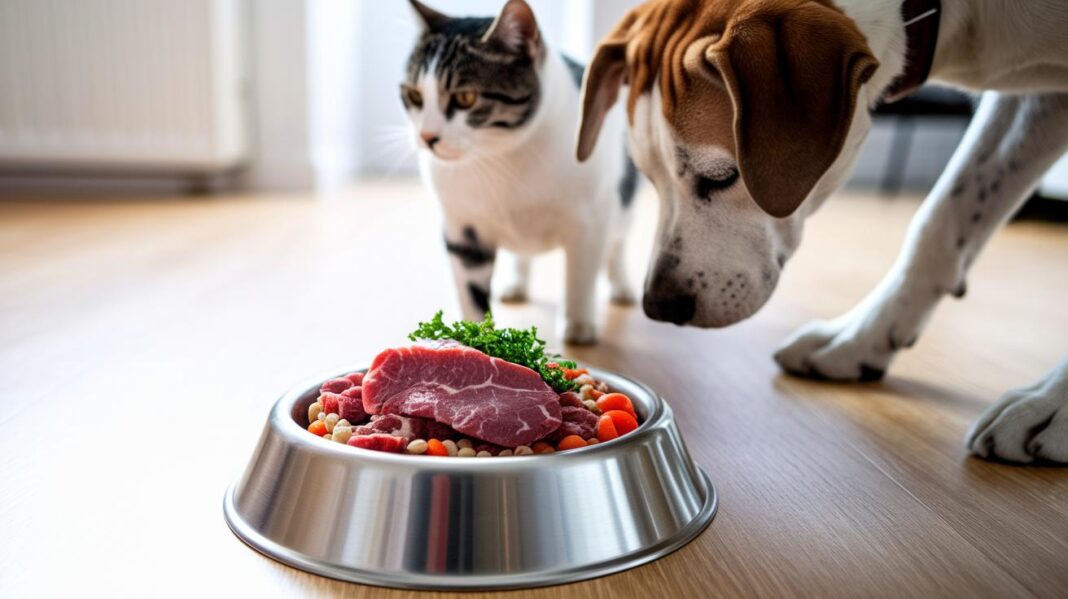

Ever wonder what really goes into your pet’s food? Raw pet food is made from muscle meat, organ meat (like liver), bones, fruits, and vegetables. This natural mix is full of enzymes and vitamins. Many pet owners say it helps give their pets a shiny coat, cleaner teeth, and more energy. In this article, you'll learn the key nutrition facts and health benefits of raw diets. You might even change how you feed your furry friend for a healthier, happier life.
Raw Pet Food Nutrition Facts and Health Benefits!
Raw pet food comes from natural ingredients that are not cooked. It is made with muscle meat (the main part of the meat), organ meats (like liver or kidney), whole or crushed bones, fruits, vegetables, raw eggs, and sometimes even dairy. Because nothing is heated, natural enzymes (special proteins that aid digestion) and vitamins stay as they are.
There are many types of raw pet food. You can find frozen or freeze-dried options, Prey Model Diets that mimic what animals might eat in the wild, protein bites, and even food toppers to add extra flavor. These choices let you pick what best suits your pet’s taste and needs.
Many pet owners notice real benefits when they feed their pets a raw diet. They see shinier coats, healthier skin, and cleaner teeth. Pets often have more energy and smaller, less messy stools. This type of diet is thought to support good digestion and energy levels, helping pets live active lives.
- Muscle meat
- Organs
- Bones
- Fruits
- Vegetables
| Ingredient | Role in Diet | Typical Inclusion Rate |
|---|---|---|
| Muscle Meat | Main protein source | 50-70% |
| Organs | Provides vitamins and minerals | 10-15% |
| Bones | Supplies calcium and phosphorus | 10-15% |
| Fruits | Offers fiber and antioxidants | 2-5% |
| Vegetables | Delivers vitamins and fiber | 2-5% |
Macronutrient Breakdown of Unprocessed Pet Diets
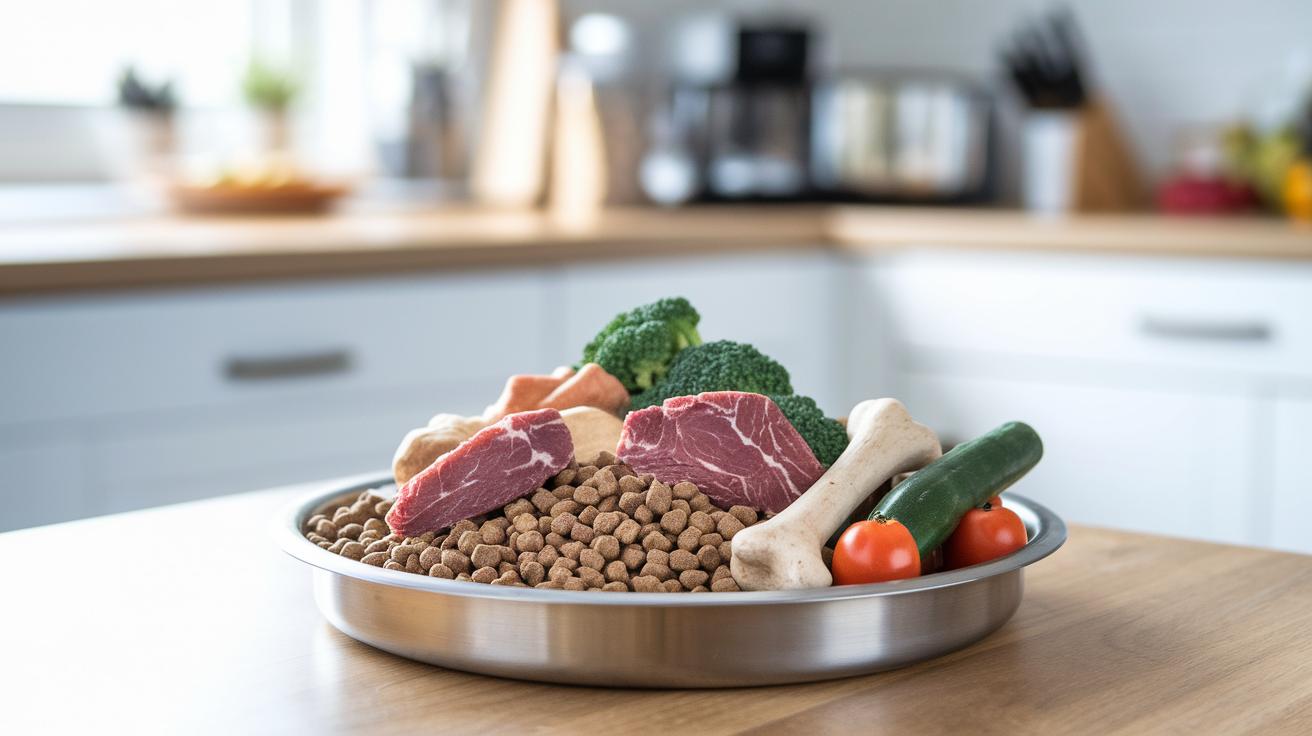
Raw pet diets are made from natural, untouched ingredients that give your furry friend the energy they need. Muscle and organ meats provide protein, which helps build and repair body tissues. Think of protein as the bricks used to build a house. Fats from meat and dairy boost energy and help absorb essential vitamins. Bones offer minerals like calcium and phosphorus to keep your pet’s bones strong, while fruits and vegetables add fiber, vitamins, and other nutrients to support good digestion and overall health.
There are several ways to serve a raw pet diet. You can choose from:
- Frozen raw meals
- Freeze-dried options
- Prey Model Diets
- Protein bites
| Nutrient | Source | Function |
|---|---|---|
| Protein | Muscle and organ meats | Helps build and repair body tissues |
| Fat | Meat and dairy | Provides energy and aids in vitamin absorption |
| Minerals | Bones and vegetables | Supports strong bones and overall body functions |
Essential Vitamins, Minerals & Micronutrients in Raw Pet Food
Raw pet food is not cooked, which means it keeps important vitamins, like those in the B-complex and vitamin C, safe from the heat. This gentle approach also protects natural digestive enzymes so your pet can enjoy the full benefits for healthy digestion. In raw diets, ingredients like organ meats and bones are full of key minerals such as zinc, iron, and manganese. These nutrients help boost the immune system, support healthy skin, and keep your pet full of energy. Keeping these ingredients in their natural state gives raw food an edge over cooked options.
- Vitamin B-complex – Helps turn food into energy and supports nerve function
- Vitamin C – Acts as an antioxidant and strengthens immune defense
- Zinc – Aids in keeping skin and coat healthy and supports immune responses
- Iron – Helps carry oxygen in the blood
- Manganese – Supports strong bones and enzyme function
- Calcium – Builds strong bones and supports dental health
Some brands use a method called high pressure processing (HPP). This technique uses pressure instead of heat to remove unsafe bacteria while keeping all the good nutrients, like vitamins, minerals, and enzymes, intact. This way, your pet gets a meal that is as close to nature as possible.
Comparative Analysis: Raw Pet Food Nutrition vs Conventional Kibble

Raw diets deliver natural ingredients that keep key enzymes, vitamins, and minerals intact. This means your pet gets food close to what nature planned. With kibble, the food is cooked at high temperatures, which can lessen important nutrients. Even though many kibbles add extra vitamins, they often don’t pack the same natural punch as raw diets.
Many pet owners notice that uncooked meats and low-processed ingredients give their pets a healthy boost. A lot of raw food brands use high pressure processing (HPP), a method that cuts down on harmful bacteria while keeping nutrients safe. Kibble, on the other hand, is cooked and mixed with additives, which can lower the quality of the nutrients. Pets that eat diets similar to their natural prey might enjoy better overall health.
| Diet Type | Nutrient Bioavailability | Processing Level |
|---|---|---|
| Raw Diet | High | Minimally Processed (with HPP) |
| Kibble | Lower | Highly Processed (cooked) |
Targeted Health Benefits of Raw Pet Food: Digestive, Immune & Coat Support
Raw pet diets mix nutrient-packed ingredients with natural enzymes, vitamins, and fatty acids. This helps boost your pet’s overall health while targeting specific areas like fur quality, digestion, and immune support.
Here are some benefits you might see:
- Shiny, strong fur that feels healthy
- Easier digestion for better nutrient uptake
- Extra immune support to help fight off illnesses
- Cleaner teeth and healthier gums from natural nutrition
- Improved joint ease for active play
- More energy for everyday fun
- Firmer, smaller stools that show a balanced gut
These benefits come from the raw food preparation. Because the food isn’t heated, the natural enzymes, vitamins, and fatty acids stay intact. That means improved digestion, stronger immunity, better dental health, and overall wellness for your pet.
Risks, Safety Protocols & Balanced Raw Diet Guidelines
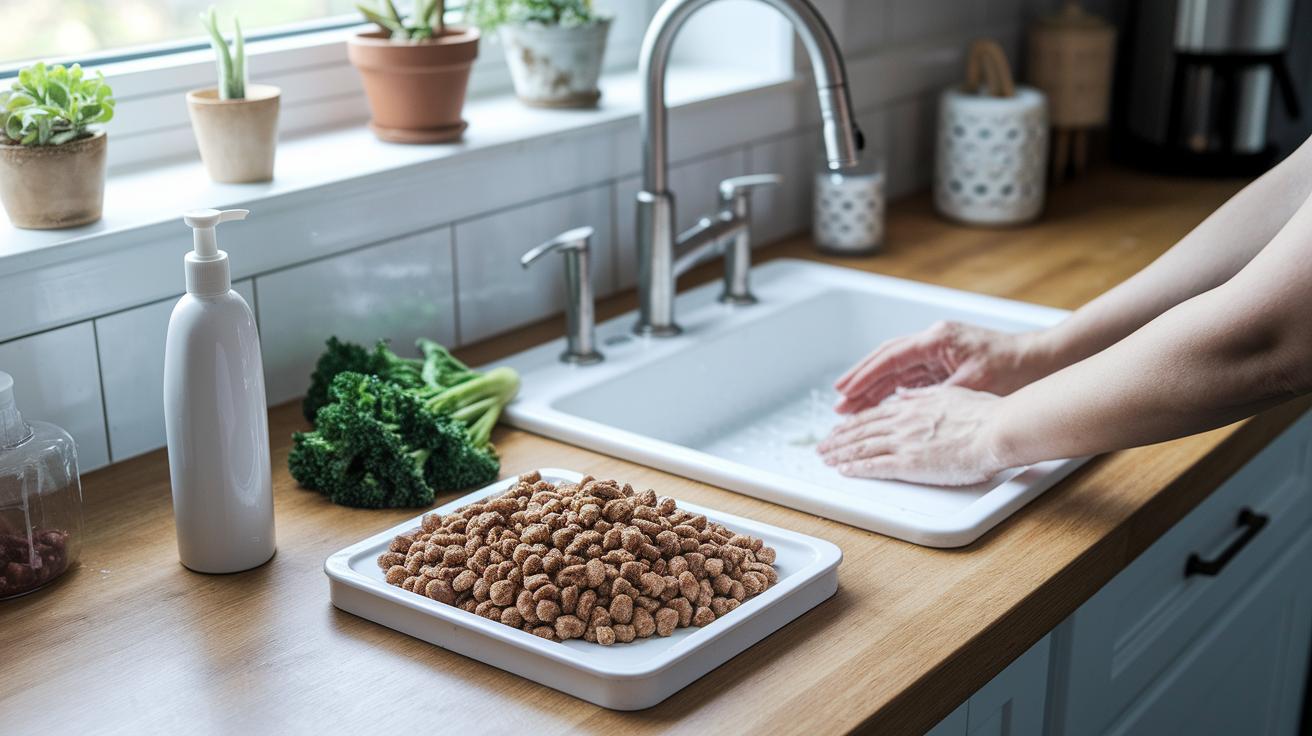
Raw pet food can be risky because it may contain bacteria like salmonella or E. coli (germs that can cause sickness). These germs can harm both your pet and your family, especially if someone has a weak immune system. When making raw meals at home, it’s important to follow strict hygiene steps to keep everyone safe.
Clean work areas, proper storage, and careful handling are key for a safe raw diet. Always wash your hands before and after handling raw meat, and clean surfaces and utensils right away. Bacteria can grow quickly on wet surfaces or if the food is kept at the wrong temperature, so pay attention to how you store and prepare each ingredient.
Here are some simple steps to help keep raw pet food safe:
- Store raw ingredients at or below 40°F (4°C).
- Clean and disinfect all preparation surfaces and utensils.
- Keep raw pet food separate from other foods in the fridge.
- Follow any specific handling and storage instructions on the product labels.
- Always wash your hands thoroughly before and after handling raw meat.
It is also a good idea to consult your veterinarian when switching your pet to a raw diet. Your vet can review your pet’s meals to ensure that they are balanced and meet your pet’s specific needs based on breed, age, and health. This advice helps keep the transition gradual, safe, and supportive of your pet’s overall well-being.
Veterinary Perspectives & Transition Strategies for Raw Feeding
Many vets and the FDA say that raw diets might have some good points, but there isn’t enough solid proof for every health claim. They also warn that raw food can be risky if it isn’t handled or stored right. Some experts recommend commercially made raw diets that use safe methods like high pressure processing (a way to kill germs) to lower these risks.
Vets advise pet owners to change diets slowly and carefully, keeping in mind your pet’s breed, size, age, and overall health. Here’s an easy plan to follow:
- Start by mixing a small amount of raw food with your pet’s current meal.
- Watch your pet closely over the next few weeks.
- Work with a pet nutrition expert to check that the diet is balanced.
- Make slow changes based on how your pet responds.
There are also helpful tools like feeding calculators, expert-led courses, and consultation services available. These tools can guide you through the switch to a raw diet and help keep your pet’s meals balanced and safe.
Final Words
In the action, raw pet food proves its value by offering natural ingredients, nutrient-rich meals, and practical safety tips. We covered things from the raw pet food nutrition profile to the specific health benefits owners might notice, like improved skin, energy, and digestion.
Breaking it down further, we saw raw diet essentials such as muscle meat, organs, bones, fruits, and vegetables. With clear guidance and vet-approved insights, remember the Raw Pet Food Nutrition Facts and Health Benefits for keeping pets healthy and happy.
FAQ
What are the best raw pet food nutrition facts and health benefits?
The best raw pet food nutrition facts highlight that raw diets offer essential proteins, fats, and nutrients from unprocessed animal meats and produce, resulting in shinier coats, better digestion, and more energy for pets.
What scientific research supports the dog raw food diet?
The dog raw food diet scientific research shows that minimally processed diets maintain nutrient integrity and can result in smaller, firmer stools, improved skin, and increased vitality in dogs.
What raw food diet for dogs recipes work for home cooks?
Raw food diet for dogs recipes typically include a mix of muscle meat, organ meats, bones, fruits, and vegetables, providing balanced nutrients that resemble a wild, natural diet for dogs.
What tips help beginners with raw dog food feeding?
Raw dog food for beginners guide suggests starting slowly, consulting with a veterinarian, and monitoring your pet’s health as you transition to a diet full of unprocessed proteins and fresh ingredients.
What are the risks and downsides of feeding dogs raw food?
Feeding raw food to dogs involves risks such as exposure to harmful bacteria, possible nutrient imbalances, and requires strict hygiene and proper storage to ensure pet and owner safety.
What changes might you see before and after switching to a raw diet for dogs?
Raw diet for dogs before and after comparisons often reveal improved coat health, increased energy, firmer stools, and overall better immune and dental health after transitioning to a natural, nutrient-rich diet.
Why do some vets disagree with raw feeding and what do they recommend?
Veterinarians who are cautious about raw feeding point to risks like bacterial contamination and imbalanced nutrition. They often recommend thorough consultation and gradual transition using rigorously tested commercial raw diet options.