
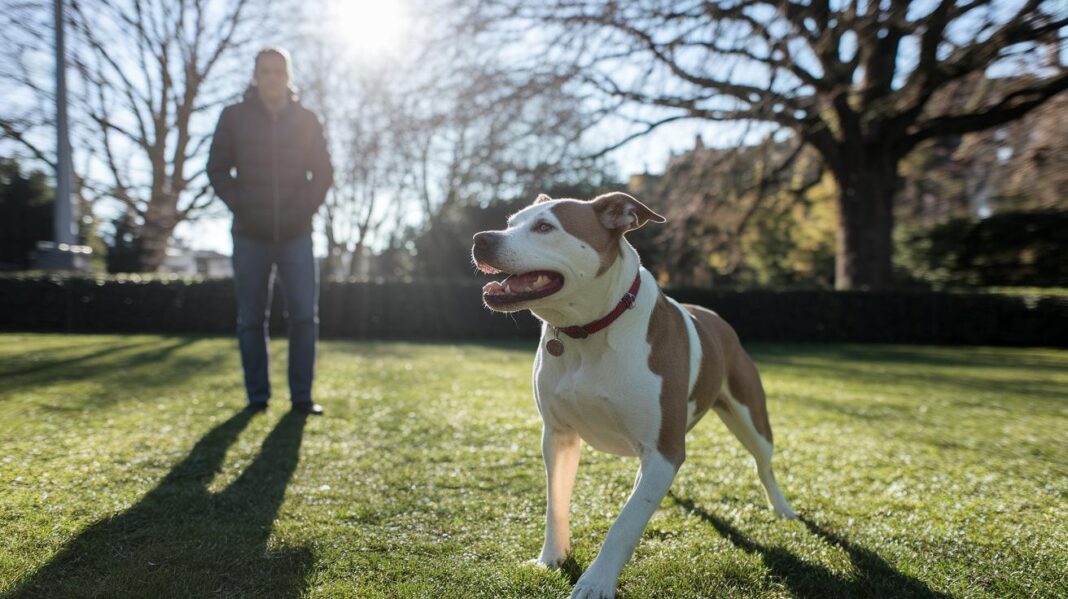

Ever notice your dog's body go stiff and his eyes fix so long it feels like a warning? When your dog shows a tight, rigid posture or a hard, unblinking stare, he might be trying to tell you he feels unsafe. These body signals can be subtle, but knowing what to look for helps keep everyone safe. In this post, we'll explain these signs so you can catch them early before things get out of hand.
Aggressive dog body language: Insightful Canine Signs
Dogs can show signs of aggression in many ways. Sometimes the clues are subtle, like a stiff body or locking eyes. When a dog goes from relaxed to alert with ears standing straight up, its body is trying to warn you before it might act out.
It’s important not to misread these signals. One sign, like a high tail, might not mean much on its own. But when you see it with other cues, such as a stiff posture or a hard stare, it means the dog is very alert and could react quickly.
- Stiff body posture
- A hard, direct stare
- Raised fur along the back (hackles)
- Bared teeth
- Growling or snarling
- A sudden lunge forward
- Tail held high and rigid
Looking at all of these signs together helps you understand the dog’s mood. Think of it like putting together a puzzle. One piece by itself might not tell the whole story, but when you put them together, you see how the dog is feeling. Noticing these clues early can help keep everyone safe.
Aggressive Canine Facial and Vocal Cues

Dogs can show early signs of aggression through small changes in their faces and voices. Even a slight shift might tell you your dog is feeling uneasy before any big action happens.
- When a dog's ears quickly shift or pull back, it may be feeling unsure or moving from alert to defensive.
- A slight frown or tightened brow can mean your dog is uncomfortable inside, even before any clear aggressive move.
- Notice if a bark or grunt changes to a harsher tone; this can be a gentle warning that tension is rising.
- A soft snarl with tightened facial muscles might hint the dog is beginning to feel threatened without fully showing its teeth.
- A low, quiet growl, less loud than a full bark, can be a way for the dog to test its boundaries.
- A quick, sharp look in the eyes, breaking from a relaxed state, may mean the dog is swiftly assessing a situation and might escalate soon.
By watching these small facial and vocal changes along with overall body behavior, you can notice early aggression and take action before things get worse.
Body Posture and Stance in Aggressive Dogs
Dogs speak without words. Their body signals tell us how they feel. When a dog stands stiff and frozen, it is often getting ready for a confrontation. A forward lean means the dog might attack soon. Sometimes, a dog circles around its target, carefully picking its moment to act. Other times, it stands sideways to seem less threatening even though it is preparing to react. Quick shifts between stepping back and moving forward show that the dog is feeling mixed emotions. Notice raised hair along its back; that's another clear warning sign.
| Posture | Description | What It Means |
|---|---|---|
| Stiff, Frozen | The dog stands very still with tense muscles. | Getting ready for a fight. |
| Forward Lean | The dog tilts its body forward as if to pounce. | May be preparing to attack. |
| Circling the Target | The dog slowly moves around its target. | Checking its options and getting ready. |
| Side-on “Bluff” Stance | The dog turns sideways. | Tries to look less threatening while readying a move. |
| Retreat vs. Approach Shifts | Quickly switching between backing away and moving forward. | Shows inner conflict or tension. |
By watching these signs, you can better understand a dog's mood. A sudden change from a relaxed stance to a tense one warns that the situation may be escalating. Keeping an eye on these shifts can help you decide when it is best to give the dog space or step in to keep everyone safe.
Tail Position, Hackles, and Hair as Aggression Indicators
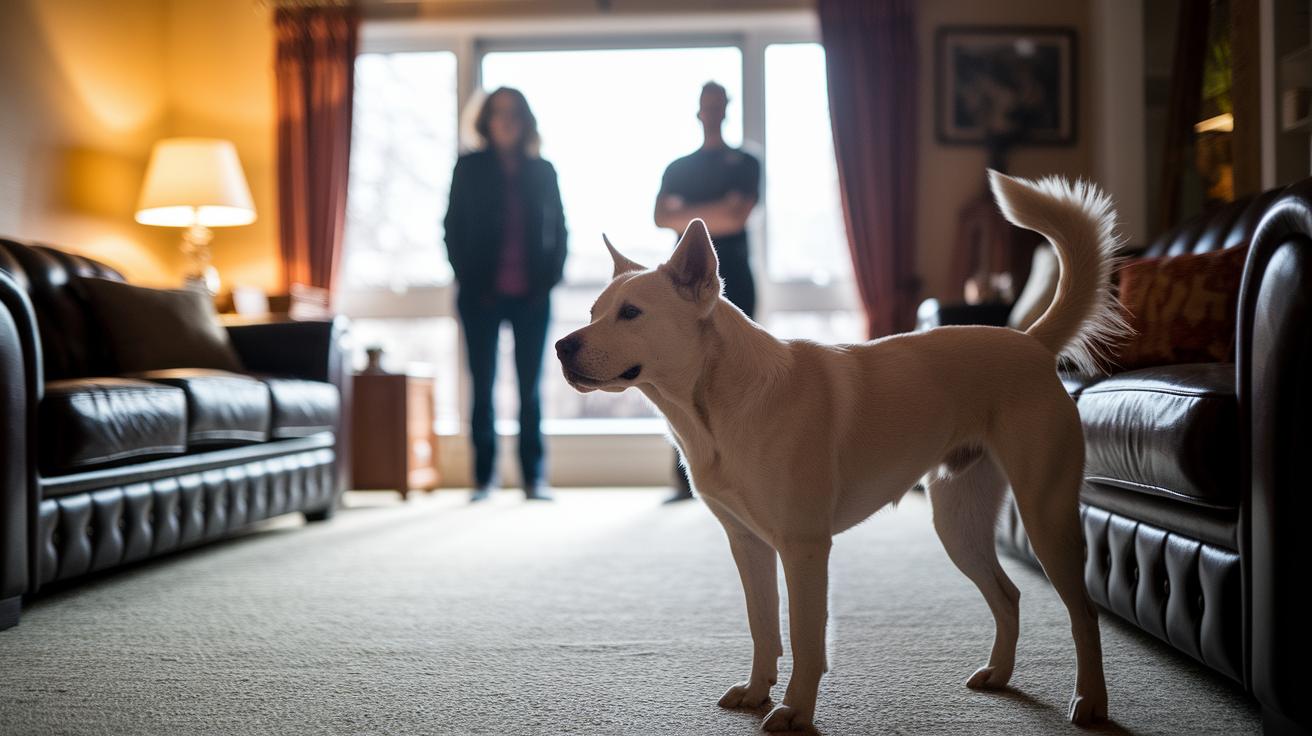
We have merged the details about a high, stiff tail, raised hackles, and various tail movements into the sections "Aggressive dog body language: Insightful Canine Signs" and "Body Posture and Stance in Aggressive Dogs." This makes it easier for you to find all the key signs of aggression in one place.
Common Triggers and Contexts for Canine Aggression
Dogs sometimes act aggressively toward strangers when they are surprised by an unknown person or a sudden touch. This reaction can happen quickly. They may also guard things that matter to them, like food, toys, or a favorite spot, by growling, snapping, or lunging.
Many times, fear and defense mix together. When a dog feels scared or overwhelmed, it might stiffen up and give a hard stare. These signs show up when something in the environment doesn’t feel right. Some dogs even act bossy when they want to take control. It’s important to watch all the signals together to understand what your dog is really saying.
Pain or sickness can also trigger aggression. If a dog is hurting, even a gentle touch might cause a sharp response. A dog in discomfort may snap or give clear warnings to protect a sore spot. Knowing that pain can change your dog’s mood can help you be extra gentle during these moments.
A dog’s surroundings and past experiences, like a history of bites, play a big role in its reactions. Stressful environments and previous aggressive behavior may make a dog see normal actions as threats. By watching its cues and understanding the situation, you can better manage and predict when your dog might act out.
Differentiating Aggression from Fear and Playful Behavior
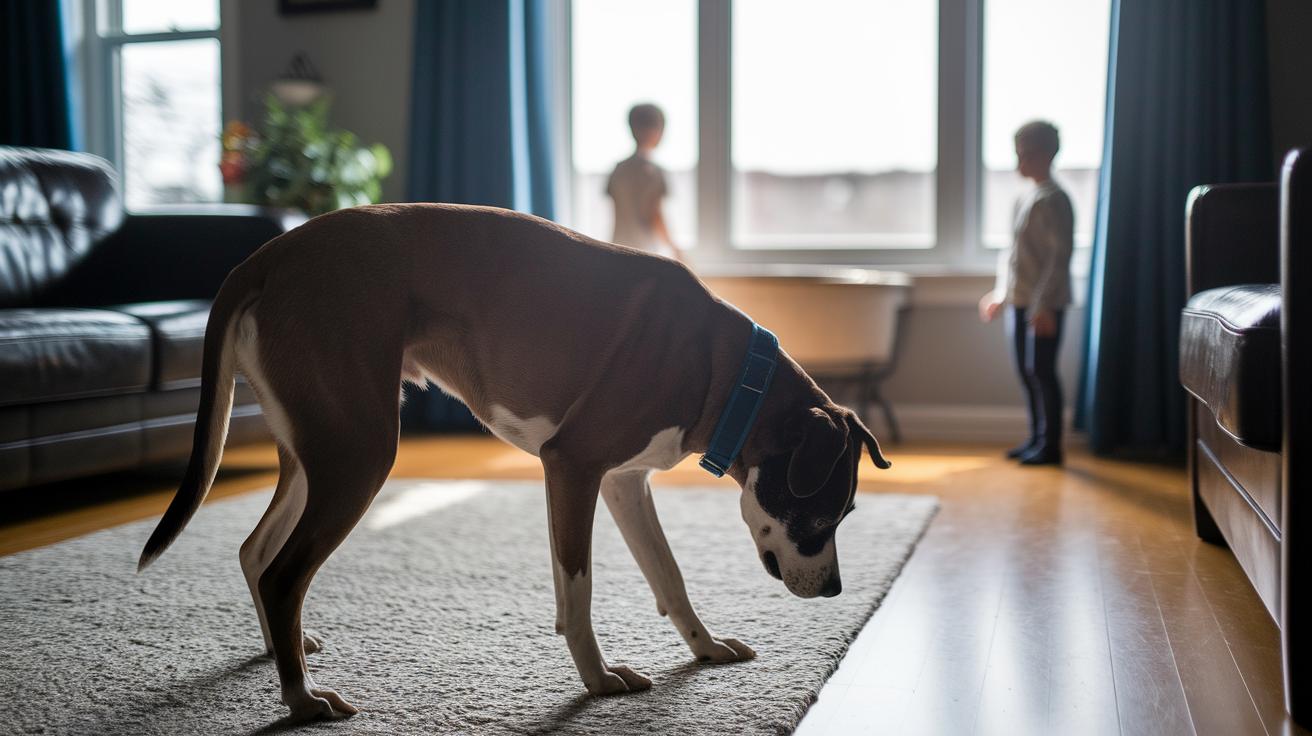
Dogs use their bodies to show us how they feel. A dog that stands firm with stiff muscles is usually on the lookout for danger. But if a dog seems relaxed with a gently curved back or lowered head, it might be nervous or trying to avoid a conflict. Small hints like a tucked tail or a soft roll over can mean the dog is feeling scared, while a loose, wiggly walk shows a friendly mood.
Fear Versus Aggression
When a dog is scared, it may lower its body and hunch its back to stay small and safe. This is very different from an aggressive dog, which stands straight with tight muscles and a fixed, hard stare. In short, fear makes a dog try to hide, while aggression sets it up to act directly.
Play Versus Threat
A playful dog often does a play bow with a loose, bouncy walk, inviting you to join in the fun. This clearly shows that the dog wants to play and is not dangerous. On the other hand, a threat is shown when a dog moves straight toward you with a fixed, strong stare and a stiff body. This tells you to step back and be careful.
Strategies for Safe Interaction and De-Escalation around Aggressive Dogs
If you see a dog showing signs of anger, managing space is very important. Watch how the dog moves and holds its body. These clues help you know if the dog is getting ready to act up. Keeping a safe area for both you and the dog can ease stress for both of you.
Maintain Safe Distance
Use a fence, a door, or any barrier to keep a healthy gap between you and the dog. If you get too close, step back slowly while watching the dog carefully. This gentle retreat helps calm the situation and stops the dog from feeling crowded.
Avoid Direct Eye Contact
Keep your eyes soft and relaxed. Looking directly into a dog's eyes can seem like a challenge and may make it feel more threatened. Instead, use your side vision to keep track of the dog while staying calm.
Redirect and Reward
Try to shift the dog's focus with a toy or a treat. A simple distraction can break the cycle of tension. By rewarding calm behavior, you help guide the dog towards feeling better and acting more relaxed.
Professional Protocols
Sometimes, using a professional training plan such as Kim Brophey’s Off Duty Protocol can make a big difference. These methods help train dogs to settle down and maintain a safe distance from people. Both pet owners and trainers have found success using these techniques for long-term improvement.
Final Words
In the action, we explored key signs of aggressive dog body language. We broke down warning signals from stiff postures to direct stares and raised hackles. We also shared practical tips to read facial cues and tail signals, while outlining safe interaction strategies.
This guide helps pet owners interpret varying cues and respond calmly when a dog shows signs of threat. Stay safe and confident by using these insights to prevent incidents and keep every pet happy and secure.
FAQ
Q: What does aggressive dog body language look like?
A: Aggressive dog body language shows a stiff, rigid posture with direct eye contact, raised hackles, bared teeth, and sometimes lunging. These signals mean the dog may be ready to act in a threatening way.
Q: How can I tell if a dog is being aggressive?
A: A dog being aggressive often stands stiffly, stares unblinkingly, bares its teeth, and may growl or lunge. These cues indicate the dog is warning others and requires extra caution.
Q: What is a red flag in a dog’s behavior?
A: A red flag in dog behavior is evident when the dog adopts a frozen stance with a fixed gaze and bared teeth. This set of signals warns that the dog could be prepared to bite if further provoked.
Q: How should I interact around an aggressive dog?
A: Interacting around an aggressive dog means giving the dog space, not making direct eye contact, and avoiding sudden movements. This approach helps de-escalate potential aggression and keeps everyone safer.
Q: What does male aggressive dog body language look like?
A: Male aggressive dogs may show dominant behaviors such as a stiff, forward-leaning posture, intense stare, and raised tension in their body. These signs suggest the male dog might be reacting with aggression.
Q: How does a dog display aggression towards other dogs?
A: When directed towards other dogs, aggression is shown by a rigid posture, direct stare, bared teeth, and sometimes growling or lunging. These body cues signal that the dog is setting boundaries or challenging another.
Q: What does a dog’s sleeping position reveal about their mood?
A: A relaxed, sprawled sleeping position usually shows comfort and trust, while a tightly curled or tense posture may indicate unease. Studying sleeping positions helps owners understand a dog’s overall mood.