



Have you ever wondered when the best time is to neuter your dog for a long, healthy life? For small breeds, dogs usually finish growing by 6 to 9 months. Bigger breeds often need extra time for their bones and joints to become strong. Neutering at the right time can lower health risks and boost overall well-being. Think about your dog's breed and growth rate when making this decision. In this article, we explain the best timing to give your pet a healthy start.
Optimal Timing for Neutering Your Dog
Small and medium dogs are usually ready for neutering between 6 and 9 months. By this age, many pups have grown enough to handle the surgery. For female dogs, neutering early can greatly reduce the chance of developing mammary cancer. Picture a lively 7-month-old terrier visiting the vet, it’s a sign that the time might be right.
Large breeds like Golden Retrievers, Labradors, and German Shepherds often do better by waiting until they are about 12 months old. This extra time helps them build strong bones and joints, cutting down the risk of issues like hip dysplasia. Imagine an 11-month-old German Shepherd still growing strong bone structure for a smoother recovery.
Deciding the best time for neutering is a personal choice for each pet. Your veterinarian will check your dog's overall health, growth stages, and any breed-specific risks to make the best recommendation. Their tailored advice helps ensure that the surgery supports both short-term recovery and a healthy, active future for your furry friend.
when to neuter a dog: Happy Health Timing

The best time to neuter your dog depends on his breed. Smaller dogs grow faster, while larger breeds need more time. Neutering at the right age helps ensure healthy growth.
Here are some rough guidelines:
- Small and medium breeds: around 6 months old.
- Large breeds (like Labs and Shepherds): 12 to 18 months old.
- Bernese Mountain dogs: 12 to 18 months old.
- Breeds with short noses (Brachycephalic): about 6 months old, but they require careful surgical planning.
- Boxers and Dobermans: waiting until 12 to 15 months can help lower their cancer risks.
- Giant breeds: often best after 18 months.
Always check with your veterinarian. They will review your dog’s growth and overall health and give personal advice. For instance, German Shepherds may need extra caution. Small dogs might be ready at 6 months, but waiting longer for Boxers and Dobermans can help them develop fully and reduce some health risks. Brachycephalic breeds need extra care with anesthesia because of their sensitive breathing. Trust your vet’s guidance to decide on the safest time for your dog’s neutering.
Health Benefits and Risks of Neutering Dogs
Neutering can help your dog live a longer, active life. For female dogs, getting spayed early, ideally before their first heat, can almost wipe out the chance of mammary cancer (breast cancer) and lowers the risk of serious uterine infections. In male dogs, neutering stops testicular cancer and helps prevent prostate and anal diseases while also reducing unwanted roaming and aggressive behavior. These benefits often mean fewer health issues as your pet grows older.
Here are some of the main advantages:
| Benefit | What It Means |
|---|---|
| Mammary Cancer Reduction | Very low risk of breast cancer in females |
| Testicular Cancer Prevention | Eliminates the risk of testicular cancer in males |
| Uterine-Infection Prevention | Fewer life-threatening uterine infections |
| Improved Behavior | Less aggression and roaming |
Of course, there can be some risks too:
| Risk | Details |
|---|---|
| Joint Development Issues | Large breeds might face joint problems if neutered too early |
| Cancer Risks in Certain Breeds | Some breeds may have an increased cancer risk if neutered very early |
| Hormonal Imbalance | Early neutering can sometimes upset natural hormone levels |
Weighing these benefits and risks can help you make the best decision for your pet. Neutering helps cut down on cancer risks and improves behavior, but for some large breeds, doing it too early might lead to joint issues. It’s important to chat with your veterinarian about the right timing based on your dog’s breed, age, and overall health.
Veterinary Guidelines and Expert Recommendations on Neuter Timing

Most vets suggest having your dog spayed or neutered when they are between 6 and 9 months old. Groups like WSAVA and AHA recommend this age range for a safe surgery and to make sure your pet is healthy enough for the procedure.
- WSAVA recommends the 6-9 month range for many breeds.
- AHA stresses doing a full health check before surgery to lower anesthesia risks.
- Research from UC Davis shows that waiting a bit longer for larger dogs may help their joints and bones grow stronger.
A complete health check is very important. Your vet will use these guidelines and look at your pet’s own growth to decide the best time for surgery. This careful planning helps make sure the surgery is safe and helps your furry friend stay healthy long after the procedure.
Neutering Procedure Requirements and Preoperative Planning
Before booking your pet's neutering surgery, take a few simple steps to keep them safe. A basic exam, blood tests, and a fasting period help lower the chance of anesthesia problems. These checks let your vet know your pet is healthy and ready for surgery.
| Requirement | Detail |
|---|---|
| Minimum Weight | Your pet should weigh at least 2 pounds (about 0.9 kg) |
| Pre-op Exam | A physical check and blood tests to be sure your pet is healthy |
| Fasting Period | Skip food for 8–12 hours to reduce risks with anesthesia |
| Anesthesia Clearance | Your vet must give a thumbs up to use anesthesia safely |
| Owner Consent & Prep | Talk about the surgery details and sign a consent form |
By following these steps, you help your pet get through surgery safely. Each check is meant to lower the chance of problems like anesthesia reactions or infections after the operation. When your pet meets these requirements, your vet can confidently perform spaying (removing the ovaries) or neutering (removing the testes). Taking the time to handle fasting, get a clear exam, and talk things through with your vet all help make the recovery smoother and the procedure safer.
Post-Operative Care Following Dog Neutering
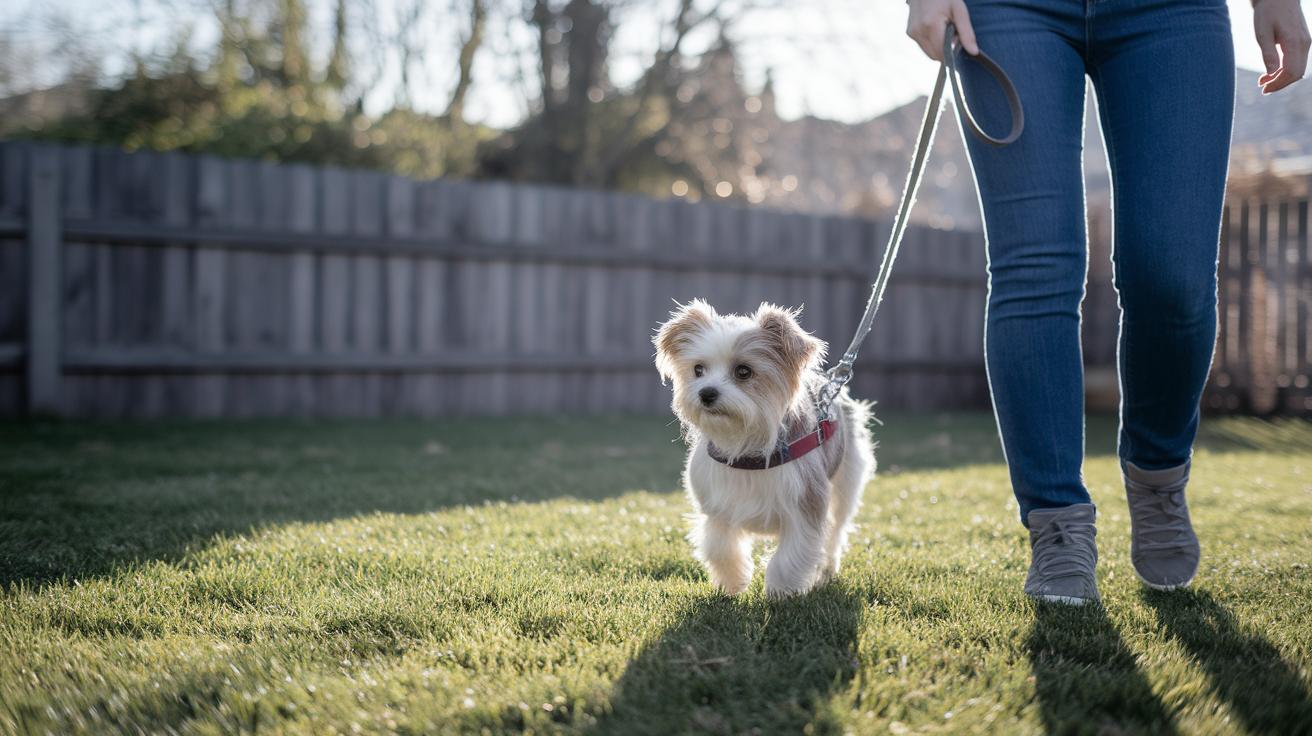
Right after your dog's neutering surgery, limit their activity for 10 to 14 days. Keep walks short and always on a leash, and avoid any running, jumping, or rough play that could strain the incision. Picture your pup on a quiet, gentle stroll as it heals.
Check the incision every day for signs of infection like extra redness, swelling, or any unusual discharge. Follow your vet's instructions closely and give any prescribed pain medicine to help ease discomfort. If your vet says the stitches should be removed in about 10 to 14 days, make sure to stick to that plan.
Watch for any changes in your dog's behavior or appetite. If you notice anything odd, call your vet right away. Simple care like this gives your furry friend the best chance to heal safely and comfortably.
Special Cases: Shelter Puppies and Senior Dog Neutering
In many shelters, puppies as young as 8 weeks have their neutering done. This early step helps control the number of unwanted litters and makes room for more rescued pets.
For many pet families, neutering of adult dogs is planned after the first year. Waiting until a dog grows fully can be better for its overall health and maturity.
Senior dogs need even more care before any surgery. Because older pets face a higher risk of complications, a vet will do a complete checkup first. This exam includes a physical check and blood tests to look at the heart, kidneys, and liver. With this information, the vet can choose the safest anesthesia and care plan. After the surgery, extra monitoring helps manage pain and supports a smooth recovery.
Final Words
In the action of learning about breed-specific neutering details, we clarified ages for small, large, and special-case dogs. We broke down pre-op and post-op care steps while stressing that consulting your vet is key to making safe decisions.
You now have a clear view on when to neuter a dog and how proper timing benefits your pet's life. Rely on expert advice to create a safe, healthy, and loving home for your furry friend. Enjoy the peace of mind that comes with informed care.
FAQ
How much does it cost to neuter a dog?
The cost to neuter a dog averages between $200 and $500, with expenses varying by location, clinic fees, and your pet’s size. Check local veterinary centers for specific pricing.
When should a dog be neutered according to pet owner discussions?
Pet owner discussions suggest neutering small and medium breeds at about 6–9 months, while large breeds may benefit from waiting until 12 months or more for better growth outcomes.
What are the signs that a dog, especially a male, needs to be neutered?
Signs that a dog may need neutering include roaming, marking territory, and increased aggression. These behaviors signal that you should discuss timing and benefits with your veterinarian.
What age should a female dog be spayed?
The ideal age to spay a female dog is generally around 6 months old, though your veterinarian may offer personalized advice based on your dog’s development and overall health.
What is the best age to neuter a large male dog?
For large male dogs, experts usually recommend waiting until they are 12–18 months old to ensure proper growth, while small breeds commonly undergo neutering around 6 months.
When is it too late to neuter a dog?
Neutering can be performed at many stages of a dog’s life, although the surgery’s risks and benefits may change. A veterinary consultation is essential to decide the best timing for older pets.
How do breed differences affect neuter timing and the spay/neuter age chart?
Breed differences play a key role in neuter timing. Small breeds are often ready at 6–9 months, whereas large breeds may need to wait until 12 months or later. Always consult your veterinarian and refer to a spay/neuter age chart for specific guidelines.
Why do veterinarians recommend waiting until around 6 months to neuter?
Veterinarians generally suggest waiting until about 6 months to allow sufficient growth and reduce joint issues, especially in large breeds, ensuring that the procedure aligns with each pet’s overall developmental timeline.