



Have you ever seen your dog trembling with worry and wondered if there is an easy fix? Many caring pet parents have turned to fluoxetine to help ease canine anxiety. Nearly 60% of owners say their furry friend feels calmer and less stressed once treatment begins.
Fluoxetine works by boosting a natural brain chemical that helps your dog feel better. When combined with a steady routine, this medicine can reduce anxiety and improve your pet's overall well-being. Always talk with your veterinarian before starting any new treatment.
Effectiveness of Fluoxetine for Dogs with Anxiety
Fluoxetine is a medicine that many pet owners trust to help calm dogs with anxiety. About 59% of dog owners have seen clear improvements when their pets are treated for issues like separation anxiety, social anxiety, or anxiety related to certain places. Some owners have even noticed less aggression, fewer repetitive behaviors, reduced fear of loud noises, and less unwanted marking in the house. One dog even began taking treats happily and became less reactive to other dogs by the third week of treatment. This shows that fluoxetine can bring real relief and improve a dog’s quality of life.
Fluoxetine works by increasing serotonin (a natural chemical that helps dogs feel calm) in the brain. This boost helps maintain a longer "feel-good" effect, easing the signs of anxiety. When paired with a steady routine and gentle training, the benefits of fluoxetine become more noticeable. For many pet owners, this makes fluoxetine a valuable tool in managing their dog’s anxiety effectively.
Mechanism of Fluoxetine Action in Canine Anxiety

Fluoxetine is a type of selective serotonin reuptake inhibitor (SSRI) that helps boost a dog's level of serotonin, a brain chemical that supports a calm mood. By slowing how fast serotonin is broken down, fluoxetine lets your pet enjoy a longer feeling of well-being. This often results in fewer anxious behaviors, better sleep, and improved digestion.
The medication also helps create a more even-keeled emotional state. With more serotonin, dogs can handle stress more easily. Even in situations that once flustered them, many dogs show a noticeable calming shift over time. Used alongside positive training and a steady routine, fluoxetine may help your dog enjoy calmer everyday moments.
Conditions that might improve with fluoxetine include:
- Separation anxiety
- Social anxiety
- Location-based anxiety
- Aggressive behaviors
- Obsessive-compulsive disorder
- Noise phobias
- Inappropriate urine marking
Fluoxetine Dosage and Administration Guidelines for Dogs
Your vet decides the right dose of fluoxetine for your dog by checking your pet’s weight, health, and any anxiety issues. The medicine is given once each day, usually in the morning, so its calming effects help throughout your dog's busy day. It works slowly by boosting serotonin levels that ease anxiety and reactivity.
Fluoxetine comes in several forms to best suit your pet. Tablets come in 10, 15, and 20 mg doses. Capsules are offered in 10, 20, and 40 mg amounts. There are chewable tablets available from the Reconcile brand in 8, 16, 32, and 64 mg doses. If your dog has trouble swallowing pills, your vet may suggest a flavored liquid that can be mixed with food for easier dosing.
Missing one dose usually isn’t a big problem because the medicine builds up gradually in your dog’s system. However, never double the dose as this can be dangerous. Always check with your vet before making any changes to the dosage or form of the medicine.
| Formulation | Strengths (mg) | Brand/Format |
|---|---|---|
| Tablets | 10, 15, 20 | Human Prozac® |
| Capsules | 10, 20, 40 | Generic SSRI |
| Chewables | 8, 16, 32, 64 | Reconcile® |
| Liquid | Variable | Compounded flavor |
Monitoring and Managing Fluoxetine Side Effects in Dogs
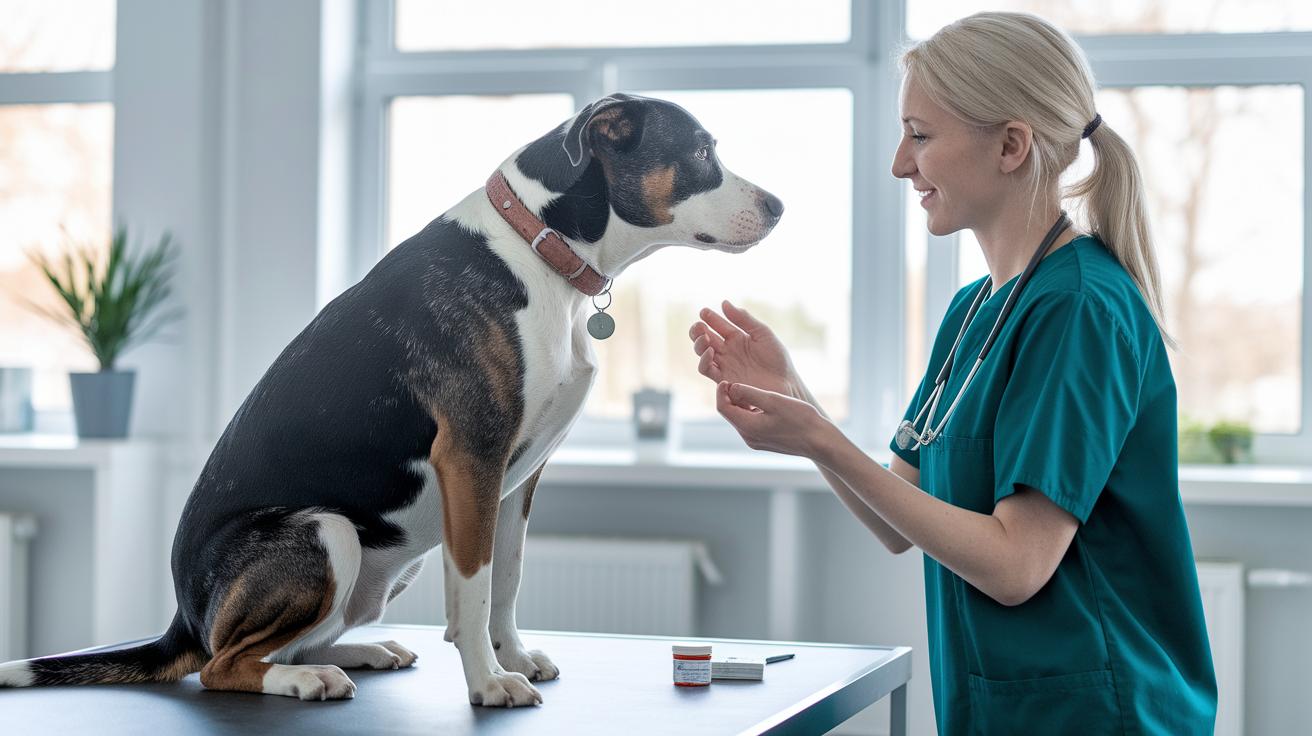
Fluoxetine may cause side effects in dogs that you should keep an eye on. Your dog might vomit, get diarrhea, or stop eating well. Giving the medication with food can help ease stomach upset. If your dog’s appetite drops, your vet might lower the dose until your dog starts eating better and then gradually increase it again. Some dogs may also become very sleepy or a bit agitated. Stopping fluoxetine suddenly can cause withdrawal symptoms like nausea, shaking, or even more anxiety.
Try these steps to keep your dog safe and comfortable:
- Check your dog every day for any unusual vomiting or diarrhea.
- Watch their eating habits and note if they eat much less than usual.
- Look for changes in behavior, such as extra sleepiness or restlessness.
- Call your vet if you notice signs of withdrawal after a missed dose or if symptoms get worse.
- Keep human medications away from your pet to prevent accidental overdose.
By watching for these side effects and speaking with your vet if anything seems off, you can help keep your dog's treatment safe and effective in managing anxiety.
Contraindications and Drug Interactions for Canine Fluoxetine
Dogs with certain health issues should not take fluoxetine or need extra care when using it. If your dog has a history of seizures, an SSRI allergy (a bad reaction to a type of antidepressant), diabetes, or liver or kidney problems, it's best to avoid this medication. Puppies under six months old and dogs that are pregnant or nursing should also steer clear of it. For example, if your dog has liver issues, your vet might pick another treatment.
Some drug combinations can raise the chance of bad reactions. Mixing fluoxetine with medications like monoamine oxidase inhibitors (MAOIs, drugs that affect brain chemicals) or serotonin receptor antagonists such as trazodone (used for anxiety) can cause unsafe changes in serotonin levels. Other drugs that lower the seizure threshold or affect how the body breaks down medicines (via the cytochrome P-450 enzyme system) may also change fluoxetine’s effects. Many common antibiotics and some pain relievers are usually fine, but any mix should be managed closely by your vet.
Always let your vet know about all medications and any health issues your dog has. This careful review helps ensure that using fluoxetine along with other treatments remains safe and effective for your furry friend.
Timeline and Duration of Fluoxetine Treatment for Dogs

Patience is key when starting fluoxetine for your dog. Many pet owners notice small changes by the third week, like a calmer behavior and fewer signs of anxiety. By weeks four to eight, the calming effects become more obvious as your dog’s mood and overall well-being improve. This steady progress helps build your confidence in the treatment.
Most vets recommend a follow-up visit about one to two months after starting fluoxetine. These check-ups let you and your vet check your dog's behavior, look for any side effects, and adjust the dose if needed. It’s really important to give the medicine every day and never change the dose without talking to your vet. Stopping suddenly can cause withdrawal symptoms such as nausea, shaking, or extra anxiety.
Setting realistic expectations helps with planning follow-ups and noticing changes. Keeping a daily log of your dog’s behavior can be very useful for making any needed adjustments to the treatment.
Integrating Fluoxetine with Behavioral Therapy for Canine Anxiety
A study with 88 dogs showed that pairing fluoxetine with a behavior plan helped many pets. In the study, 59% of the dogs improved, 32% stayed the same, and 9% got a bit worse. One example: a dog that used to react strongly to sudden sounds learned to enjoy treats during training and gradually got used to controlled noise.
A helpful approach includes:
- Setting up a regular daily routine
- Using training that rewards good behavior with treats
- Slowly introducing the dog to things that cause anxiety (like controlled sound exposure)
- Making the surroundings calm and comforting
Every dog is different. You might need to adjust the training plan or add another anti-anxiety medicine to find what works best for your pet.
Veterinary Oversight and Follow-Up Care for Dogs on Fluoxetine
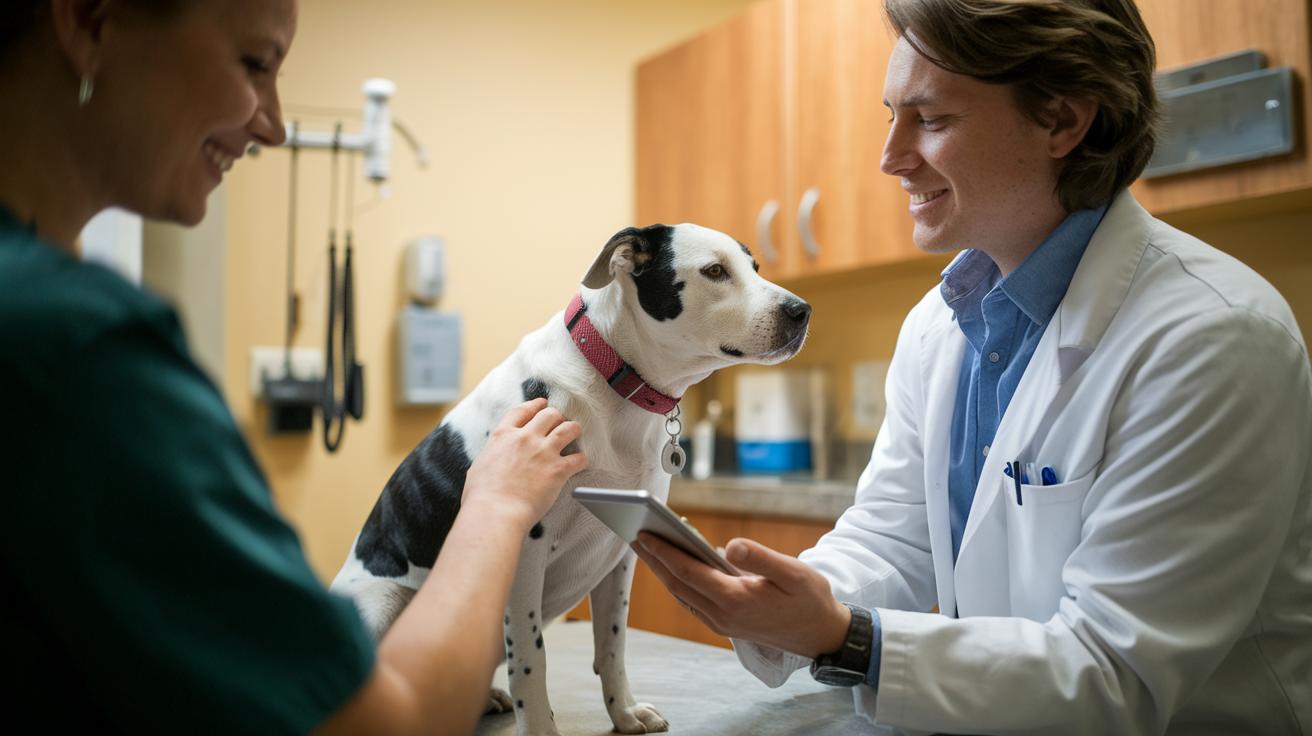
Fluoxetine is a prescription medicine, so your vet takes charge right from the start. Before giving it to help with your dog's anxiety, your vet reviews your pet’s full medical history. They often run blood tests to check liver (an organ that helps process medicine) and kidney (an organ that filters waste) function. This helps ensure your dog is ready for treatment.
Regular check-ups are important to keep track of your dog's progress. During these visits, your vet will ask if you notice any changes in behavior, appetite, or energy levels. They also look for signs of discomfort or unusual side effects. Sometimes, your vet might adjust the dosage or run extra tests to make sure the treatment works safely.
Any change in the treatment, including reducing the medication, should always be done under your vet’s guidance. Routine evaluations keep your dog safe, help spot issues early, and ensure that your pet stays calm and enjoys a better quality of life.
Final Words
In the action, the article broke down how fluoxetine for dogs anxiety works and the measurable effects seen in many cases. The information spanned its mechanism, proper dosage, potential side effects, and the importance of careful monitoring by a vet. It explained which dogs should avoid it and when behavioral therapy can boost its benefits. The timeline for improvement and the essential safety steps were also outlined. The guide leaves you with clear steps towards a calmer, healthier pet, so you can move forward with confidence and optimism.
FAQ
Fluoxetine for dogs anxiety side effects
Fluoxetine for dogs with anxiety may cause vomiting, diarrhea, or reduced appetite, and sometimes mild agitation or lethargy. Always consult your veterinarian if side effects persist.
Fluoxetine for dogs anxiety dosage
The dosage of fluoxetine for canine anxiety is based on the dog’s weight and is usually given once daily. A veterinarian will tailor the dosage to your pet’s needs.
Fluoxetine for dogs anxiety dosage chart
A dosage chart helps translate your dog’s weight into the correct fluoxetine amount using various formulations like tablets and liquids. Your vet can guide you in this process.
Fluoxetine for dogs anxiety reviews
Reviews show that about 59% of dogs treated with fluoxetine for anxiety see improvements in behaviors like separation anxiety, social anxiety, and noise phobias, indicating measurable benefits.
Fluoxetine for dogs anxiety how long does it
Fluoxetine typically begins to ease anxiety in dogs by week three, with maximum benefits seen between four and eight weeks. Consistent use as prescribed is key.
Fluoxetine for dogs anxiety cost
The cost of fluoxetine varies based on the drug form—tablets, capsules, chewables, or liquid—and the dog’s weight. Check with your vet and local pharmacies for pricing details.
Fluoxetine for dogs dosage chart by weight
A weight-based dosage chart assigns a specific mg/kg dose that a veterinarian uses to safely prescribe fluoxetine. This chart ensures each dog gets the correct dose for its size.
Fluoxetine dog dose mg/kg
The fluoxetine dog dose in mg/kg is calculated specifically for each pet based on its weight. Your veterinarian will use this measure to provide an effective, safe treatment plan.
How does fluoxetine make dogs feel?
Fluoxetine works by boosting serotonin levels, making dogs feel calmer and more balanced. This can reduce anxiety and reactivity, helping your pet relax.
What is the best thing to give a dog for anxiety?
For anxious dogs, fluoxetine is a commonly recommended medication when combined with behavioral therapy and environmental adjustments. Consult your vet for a full treatment plan.
How quickly does fluoxetine work in dogs?
Fluoxetine generally begins to work by the third week, with full effects observed between four and eight weeks. Regular vet check-ups help monitor progress.
What to do for an extremely anxious dog?
For an extremely anxious dog, start by contacting your veterinarian. They may suggest a treatment plan that includes fluoxetine along with behavioral therapy and a calm environment.