

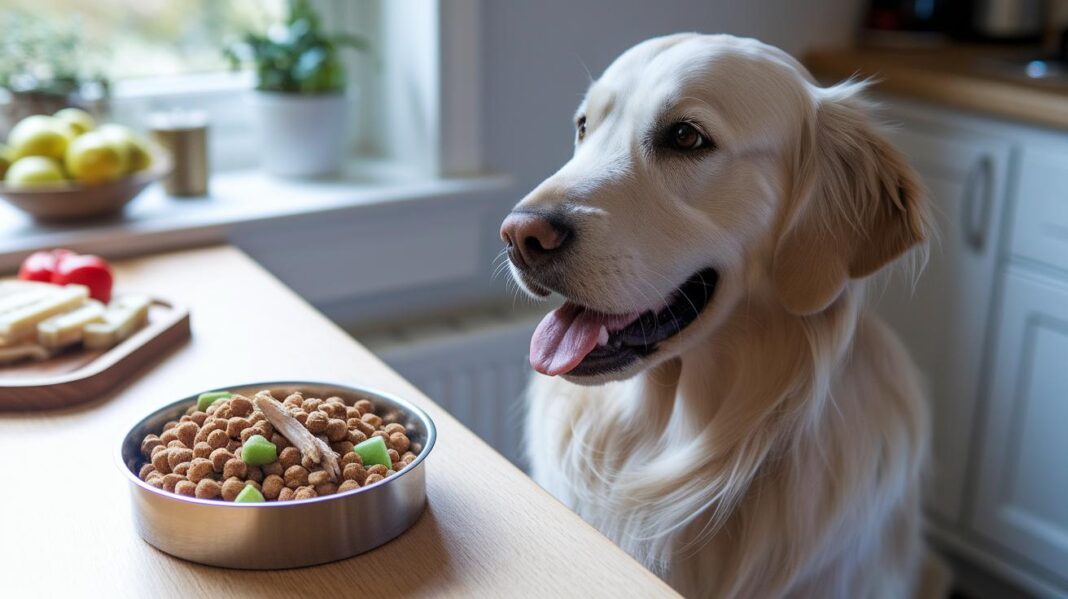

Are you noticing your dog scratching or seeming uncomfortable after meals? Many pet owners are switching from commercial food when they see signs of irritation. Homemade meals let you choose every ingredient, which means you can leave out allergens and unwanted additives. Think of it like making a simple stew at home, each ingredient is handpicked with your pet’s health in mind. In this guide, we explain easy steps to create balanced meals that may help ease allergy symptoms and keep your pup happy and healthy.
How to Create Homemade Dog Food for Allergies That’s Nutritionally Balanced
Making your own dog food can help you avoid hidden allergens and additives found in many commercial brands. When you cook at home, you control every ingredient, which means you can skip things like preservatives, dyes, and flavor enhancers. This fresh, nutrient-rich approach is much like cooking a hearty stew at home, where quality matters in every spoonful.
A good rule of thumb is to feed your dog about 2 percent of its body weight each day. For example, a 90-pound dog should eat roughly 1.8 pounds of food spread out over the day. You might need to adjust the portions a bit depending on your dog’s size and how active it is. The real perk here is that you can add key nutrients like omega-3 fatty acids (they help lower inflammation), antioxidants, lean proteins, and soluble fibers to support good digestion and overall health.
Here are some steps to help you plan balanced meals for your dog:
- First, figure out how much food your dog needs each day based on its weight.
- Choose high-quality proteins such as turkey, venison, or fish instead of ingredients that might trigger allergies.
- Mix in vegetables, like sweet potato and pumpkin, along with grains such as quinoa; these add helpful antioxidants and fiber.
- Add the right amount of fish oil for that extra omega-3 boost.
- Keep track of any changes in your dog’s health as you adjust the recipe.
Always check with a Board-Certified Veterinary Nutritionist to make sure your homemade diet meets your dog’s specific needs. Start with a simple recipe and slowly adjust the nutrient levels until it feels just right for your furry friend.
Key Ingredients in Homemade Dog Food for Allergies

If your dog shows signs of allergies, try a simple recipe with only a few ingredients. Use a protein your dog has never had, like duck, rabbit, or venison, to help spot the ingredient causing a reaction. Start with one new protein to see if it works.
Choose fresh, plain ingredients that keep their nutrients. Adding a little fish oil (rich in omega-3 fatty acids) helps support healthy skin and a shiny coat. Include cooked veggies like sweet potato, pumpkin, or quinoa for extra fiber and antioxidants that aid digestion.
Mix these ingredients into one balanced meal to turn possible allergens into a wholesome, allergy-friendly food for your dog.
Novel Proteins and Grain-Free Options for Homemade Dog Food for Allergies
If your dog struggles with allergies, you might consider switching to novel proteins and grain-free carbohydrates. Try using meats like bison, duck, venison, or whitefish instead of common options. These alternatives are less likely to upset a sensitive stomach and can reduce allergic reactions.
For carbohydrates, opt for grain-free choices such as quinoa or sweet potato. They help with digestion and steer clear of ingredients like corn, soy, and eggs, which can often cause problems.
Mixing up your recipes can be fun and beneficial. One idea is the Whitefish & Carrot Mix, a light dish that offers lean protein and crunchy carrots. You might also try Duck & Green Bean Delight, which pairs tasty duck with fiber-rich green beans. For a heartier option, a Turkey & Oatmeal Bake or a Venison & Sweet Pea Blend can give your pet a satisfying meal.
These protein swaps and grain-free carbs provide a fresh way to manage food sensitivities. They help ensure balanced nutrition and support healthy digestion, so your pet can feel its best every day.
Vet-Approved Homemade Dog Food Recipes for Allergies
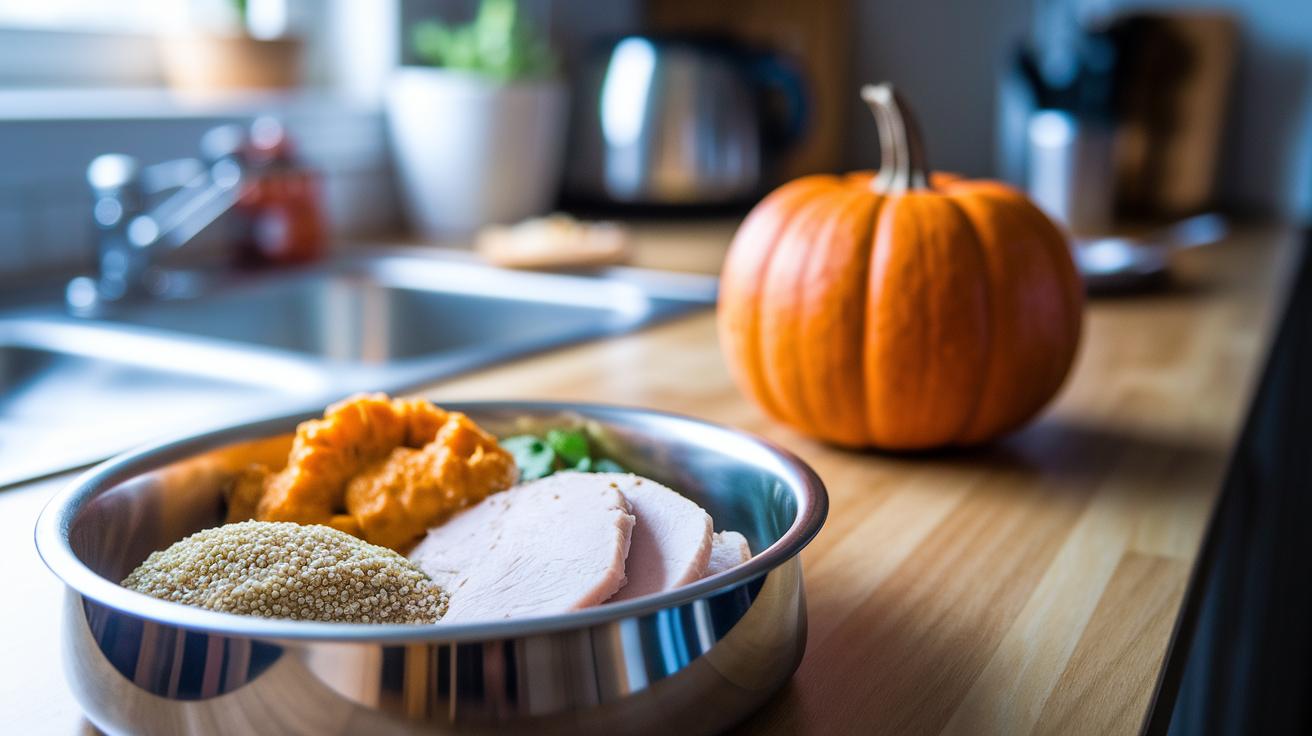
These recipes have been approved by veterinarians to help manage your dog's allergies with healthy, balanced meals. They offer anti-inflammatory benefits and use only fresh, high-quality ingredients to support dogs with sensitive stomachs.
One favorite recipe is Homestyle Turkey & Vegetables with Quinoa. For this dish, use 3 lb (about 1.36 kg) of ground turkey that is at least 85% lean and cook it in an Instant Pot. This meal mixes lean protein with quinoa and pumpkin for extra fiber and adds a bit of fish oil to boost omega-3 fatty acids, which help lower inflammation.
Other approved recipes include:
- Beef and Pumpkin Stew: This recipe gives a serving of about 1¼ cups and combines lean beef with pumpkin for protein and fiber.
- Chicken and Rice Casserole: Also portioned at 1¼ cups, this option uses a milder protein and easy-to-digest rice to avoid common allergens.
- Lamb and Lentil Stew: Another 1¼-cup meal that pairs lamb with lentils for a nourishing boost.
- Venison and Sweet Pea Blend: A 1-cup serving that introduces a new protein source with nutrient-rich sweet peas.
- Whitefish and Carrot Mix: A 1-cup recipe that mixes lean whitefish with carrots, and includes extra omega-3-rich fish oil.
Each recipe is portioned with the idea that your dog should eat about 2 percent of its body weight each day. For instance, a 60-lb (about 27 kg) dog might need a slightly different serving size. Always check with your veterinarian to make sure these recipes fit your dog’s unique nutritional needs.
Transitioning to Homemade Dog Food for Allergies Safely
Start by slowly mixing your dog's regular food with the new homemade recipe. For the first day, mix one part homemade food with three parts of the current diet. Over the next 7-10 days, gradually increase the amount of homemade food until it becomes the only option. This gentle change helps keep your dog's stomach from getting upset.
Keep a close eye on your pet during the switch. Check their poop, watch how active they are, and look for any changes in their skin. If you notice loose stools, low energy, or extra itching, write it down in a food journal. This can help you spot if a particular ingredient is causing trouble.
If you think your dog might have a food allergy, you might want to try an elimination diet. This means feeding them a simple diet with a few ingredients for 8-12 weeks. After that period, slowly add one new ingredient at a time and note any reactions.
Always talk with your veterinarian during this process. They can make sure your dog’s diet remains balanced and help adjust the plan based on your dog's needs. Sharing your observations with your vet will help fine-tune the recipe for a smooth transition.
Diagnosing and Managing Allergies with Homemade Dog Food Meal Plans

Your vet’s advice is key. They might suggest a short trial where your dog eats a simple diet (an elimination diet) while checking reactions with skin or blood tests. For example, you may try feeding your dog duck for 8-12 weeks to see if it causes any issues.
Keep a food diary to note changes in your dog’s energy, skin, and pooping habits. Then, slowly switch to meals with fewer ingredients or special formulas made with broken-down proteins (which are easier on your dog’s tummy) as explained in our allergy recipe guide. For instance, you could gradually change from the usual diet to one with venison and a few select vegetables to help lessen flare-ups.
Regular vet check-ups are important too. They help you know if the symptoms come from food or from other things like pollen or flea bites. This careful plan combines testing with gradual meal changes to keep your dog happier and healthier.
Safe Cooking Techniques for Allergy-Friendly Homemade Dog Food
When cooking meals for dogs with allergies, it’s important to use methods that keep nutrients safe and sound. One way to do this is with an Instant Pot to steam or gently boil your ingredients. This method holds in vitamins and minerals while making everything soft for easy digestion. Avoid using cooking oils that have additives, as these can upset sensitive tummies. Always ensure that proteins reach 165°F (74°C) to wipe out any harmful germs.
Chopping foods into small pieces or pureeing them makes the meal easier to eat and helps everything cook evenly. For instance, after steaming vegetables and lean proteins, a light blend can give you a uniform texture that’s simple for your dog to enjoy. Once you’re done, let the food cool quickly before putting it into airtight containers. Keep the food in the refrigerator for up to 3 days, or freeze extra portions if you need to store them longer. When it’s time to serve, gently warm the food so it stays both tasty and nutritious.
A careful, step-by-step process will help you make safe, allergy-friendly meals without chemicals. Try using the Instant Pot’s steam setting first, check the temperature with a thermometer, and then blend the ingredients until they are smooth. This method helps keep your pet’s food both healthy and delicious.
Final Words
In the action, you’ve learned how to build balanced, vet-approved meals that skip allergens. The post walks you through key ingredients, safe cooking techniques, and gradual diet transitions. It even covers diagnostic checks and managing flare-ups. Each step helps form a clear plan to keep canine health in check. Following these easy guidelines, you can confidently switch to homemade dog food for allergies, knowing you’re taking a positive step for your pet’s well-being.
FAQ
Frequently Asked Questions
Q: What are some vet-approved homemade dog food recipes for skin allergies?
A: Vet-approved recipes for skin allergies use novel proteins like duck or venison, combined with allergen-free vegetables and omega-3 fatty acids to soothe inflammation and help reduce yeast issues.
Q: How do I choose the best homemade dog food for allergies and sensitive stomachs?
A: Select recipes that avoid common allergens such as beef, dairy, and wheat. Instead, opt for novel proteins and easy-to-digest carbohydrates to support sensitive digestion and reduce allergic reactions.
Q: What defines the best dry dog food for skin allergies?
A: The best dry dog foods for skin allergies are formulated with limited ingredients, often featuring novel proteins and anti-inflammatory fats, to minimize triggers while promoting skin and coat health.
Q: Which human foods are safe for feeding dogs with skin allergies?
A: Safe human foods include plain sweet potatoes, pumpkin, and lean meats without added salt or spices. These ingredients can support dogs with skin allergies when introduced gradually and under vet guidance.
Q: What can I add to homemade dog food to help with itching?
A: Adding omega-3 fatty acids from fish oil and antioxidants can support skin health and help reduce itching by lowering inflammation when incorporated into homemade meals.
Q: What naturally helps dogs manage allergies?
A: Natural helpers for dog allergies include fresh ingredients like fish oil, novel proteins, and vegetables rich in antioxidants, all of which support the immune system and promote healthier skin.
Q: What food options can ease symptoms for dogs with itchy skin?
A: Feeding dogs a balanced, allergen-free diet rich in novel proteins, sweet potatoes, pumpkin, and omega-3 fatty acids can help calm irritation and minimize symptoms related to itchy skin.
Q: What food choices assist in reducing allergies in dogs?
A: Foods that reduce allergies in dogs focus on limited-ingredient recipes that avoid common triggers, and include anti-inflammatory components like fish oil, antioxidants, and novel protein sources to ease allergic responses.