



Ever noticed your dog pacing, chewing, or even losing weight? These signs might mean your pet is feeling anxious.
When used correctly under your vet's care, sedatives can help ease those jitters. They work like a gentle touch on a troubled heart, helping to calm your furry friend down.
In this article, we walk you through different sedative options that may help bring comfort during stressful times. Keep reading to learn how these treatments can turn chaos into calm for your beloved pet.
dog sedative for anxiety: soothing pet comfort
If you notice your dog pacing, chewing on things, or even losing weight, it may be showing signs of anxiety. Catching these symptoms early can help you stop the worry from building and make life more comfortable for your pet.
Vets have different treatment options. Sometimes a vet may prescribe drugs like Fluoxetine, Sertraline, or Paroxetine to boost serotonin (a natural mood chemical), though it can take 4 to 6 weeks before you see full benefits. For dogs that get anxious when left alone, tricyclic antidepressants like Amitriptyline and Clomipramine work on both serotonin and another chemical called norepinephrine. If your dog needs fast relief, medications such as Trazodone usually start working within 1 to 2 hours, and in a pinch, benzodiazepines like Alprazolam or Lorazepam can calm them in minutes during stressful moments like thunderstorms or vet visits. Dexmedetomidine gel is another choice specifically for noise-related anxiety, offering comfort in just minutes. There’s also Buspirone, which helps with general anxiety but may take 1 to 2 weeks to show its effects.
Many pet owners also choose natural sedatives and combine them with behavior tips and enriching their pet’s environment to boost comfort. And with next-day delivery services, getting both prescription and specially compounded anti-anxiety meds is easier than ever.
Prescription Dog Sedative for Anxiety Options
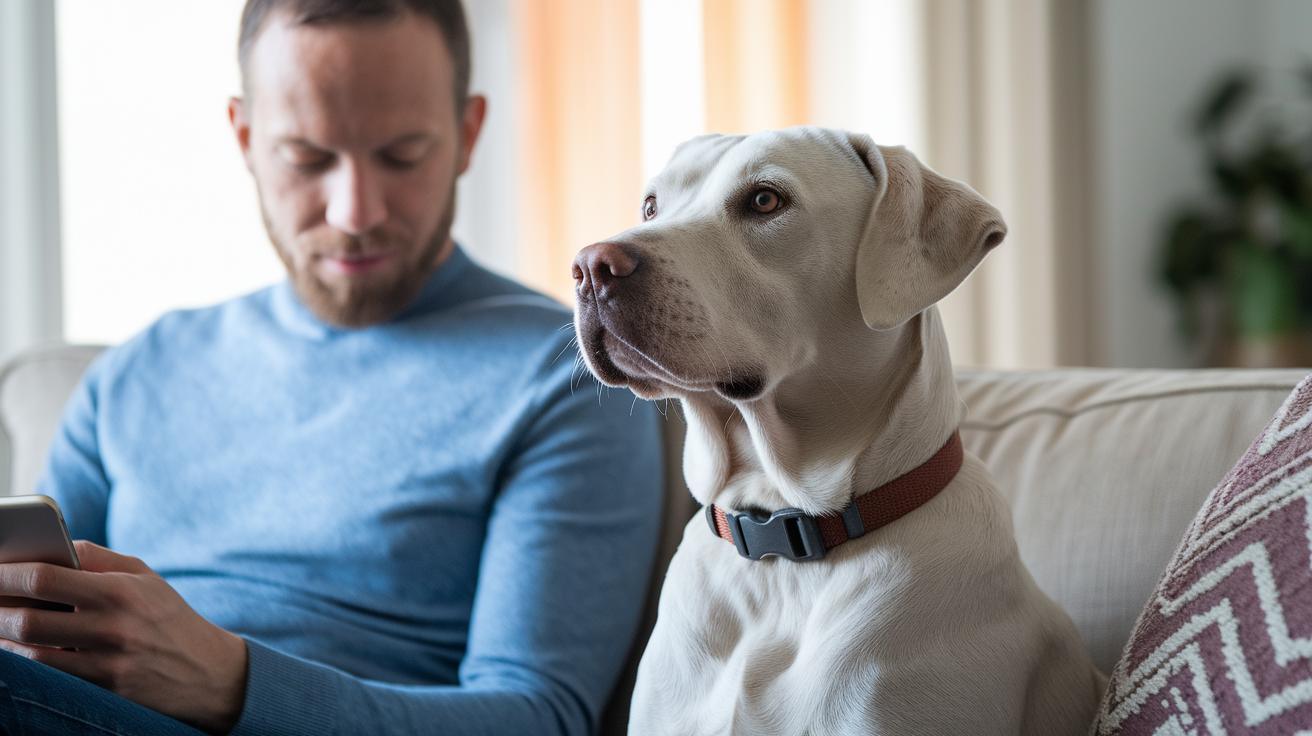
Prescription sedatives can help ease your dog's anxiety. Vets choose the right option by looking at your pet’s specific needs. One pet owner shared, "After several weeks on an SSRI like Fluoxetine, my anxious pup became noticeably calmer and more playful." Each type of medication works differently and comes with its own timing and dosage guidelines.
Some drugs, like SSRIs (such as Fluoxetine and Sertraline) and TCAs (like Amitriptyline and Clomipramine), take about 4–6 weeks to show full benefits and are best for long-lasting anxiety. Trazodone (a type of SARI, which helps balance serotonin) works fast, in just 1–2 hours, for stressful or one-time events. Benzodiazepines (for example, Alprazolam or Lorazepam) start easing anxiety in roughly 30 minutes, making them good for sudden stress. Dexmedetomidine gel can reduce noise anxiety in about 5–20 minutes. Buspirone is used for general anxiety and usually shows improvement in 1–2 weeks.
| Medication Class | Examples | Onset to Effect | Typical Dosage | Primary Use |
|---|---|---|---|---|
| SSRI | Fluoxetine, Sertraline | 4–6 weeks | 1–2 mg/kg daily | Chronic anxiety |
| TCA | Amitriptyline, Clomipramine | 4–6 weeks | 1–2 mg/kg daily | Separation anxiety |
| SARI | Trazodone | 1–2 hours | 2–5 mg/kg | Situational events |
| Benzodiazepine | Alprazolam, Lorazepam | 30 minutes | 0.01–0.03 mg/kg | Short-term stress |
| Alpha-2 Agonist | Dexmedetomidine gel | 5–20 minutes | 0.25–1 mcg/kg | Noise phobias |
| Azapirone | Buspirone | 1–2 weeks | 0.5–1 mg/kg twice daily | General anxiety |
Over-the-Counter Dog Sedative for Anxiety Solutions
If your dog gets a bit anxious and you’d rather try something gentle, there are over-the-counter options available. Products like Zylkene capsules and Solliquin Soft Chews offer a natural way to help calm your pet. They work by affecting natural calm-promoting substances (alpha-casozepine from milk protein or L-theanine from tea) in your dog's body. Remember, these products are for mild anxiety and not for serious or emergency situations.
Zylkene Capsules
Zylkene capsules usually need to be given every day for 7 to 14 days before you see noticeable changes. The key ingredient comes from a milk protein that helps soothe your dog's nervous system. One pet owner mentioned, "Giving my dog Zylkene capsules for a couple of weeks made him noticeably more relaxed during stressful events." Most side effects are mild, but be sure not to give more than recommended because too high a dose can lead to slight drowsiness or an upset tummy.
Solliquin Soft Chews
Solliquin Soft Chews use natural botanical extracts to calm your dog in a tasty way. They are designed for regular use rather than a quick fix during a stressful moment. While these chews work well for mild anxiety, keep an eye out for signs of digestive upset if your dog has too many. And always check with your vet before mixing them with other sedative products.
Natural Dog Sedative for Anxiety Remedies

Natural remedies can help calm your anxious dog. Many pet parents choose options like melatonin, essential oils, or plant-based blends to help their pups relax. Melatonin is a supplement that helps control sleep patterns and can turn a jittery evening into a calm one when given in the right amount. Just be sure to follow the dosing instructions because too much can upset your dog's natural hormone balance.
Essential oil aromatherapy uses natural extracts like lavender and chamomile to create a soothing atmosphere. You can use a diffuser or even a collar with diluted oils to spread a gentle scent around your pet. However, never apply undiluted oils directly to your dog's skin, as this could cause irritation.
Homeopathic blends and plant-based tinctures with ingredients like valerian and passionflower offer another natural way to ease anxiety. These should only be used after talking with your veterinarian to ensure you’re using the right dose. Using too much or the wrong mix might upset your dog's tummy or even make them more agitated.
Combining these natural options with simple changes in your dog's environment or behavior training can create a comfortable space and help manage anxiety during stressful times.
Reviewed by: Dr. Sarah Johnson, DVM, October 7, 2023
Dosage Guidelines for Dog Sedative for Anxiety
Start by confirming your dog's weight with a good-quality scale. For example, if your pup weighs 20 kg (44 lbs), measure twice to be sure before you calculate any dose.
Here are some extra practical tips. Your vet might suggest giving gabapentin at 5–10 mg per kg about 1 hour before a stressful event. This medicine works well with other treatments like Trazodone and gel forms of Dexmedetomidine.
- Use a syringe or dosing cup for any liquid medicine so you get the right amount.
- Always check your math with your vet before you give any sedative.
- Keep an eye out for signs like extra sleepiness or unsteady steps, which could mean too much medication.
- If you’re using a gel, make sure the area on your dog’s skin is clean and dry so the medicine can absorb properly.
| Tip | Description |
|---|---|
| Weight Verification | Ensure accuracy by using a calibrated scale and measuring twice if possible. |
| Administration Technique | Use the right tools, like a syringe or dosing cup, to measure liquid or gel medications correctly. |
| Monitoring Signs | Watch for unusual drowsiness, stumbling, or any other odd behaviors. |
Side Effects and Safety Profile of Dog Sedative for Anxiety Options
Medications and natural treatments can help calm your dog but may also carry some risks that need your attention.
Prescription drugs might make your dog very sleepy, clumsy, or less coordinated. Drugs like clomipramine and amitriptyline (types of TCAs) can cause heart rhythm problems and dry mouth-like effects if given in high doses. Some medications such as alprazolam and lorazepam (benzodiazepines) can sometimes make your pet more hyper instead of calm. Injectable sedatives are meant only for specific procedures and should always be used under your veterinarian’s guidance.
Natural sedatives, including herbal remedies, can also cause side effects. Your dog might experience an upset stomach, allergic reactions, or changes in liver function. Even calming supplements available without a prescription may lead to slight sleepiness or digestive issues if the dose is too high.
Always keep a close eye on your pet after giving any sedative. It helps to note any changes you see so your vet can adjust the dose for safety and comfort. Look out for signs like increased anxiety, unusual movement, or any other behavior changes. If you notice any problems, contact your veterinarian right away.
Veterinary Insights on Dog Sedative for Anxiety Management
Veterinary experts say that no sedative works best by itself. Medicines should be used along with behavior changes like positive reinforcement (rewarding good behavior) and making the home more fun and safe for your dog. Every dog is unique, so sometimes it takes a bit of trial and error before you find the best medicine. Always work with your vet to avoid any risky drug combinations.
Adding comfort items such as a quiet room, gentle music, and regular walks (or play sessions) can help the sedative work even better. Some practices even offer next-day delivery of medications so you never miss a dose. Regular vet check-ups allow adjustments to the dose or a switch to a different option if needed. In short, the best way to ease your dog's anxiety is to use a mix of medicine, behavior changes, and everyday lifestyle tweaks.
Rapid-Acting Dog Sedative for Anxiety in Emergencies
Sometimes storms, fireworks, or sudden trips to the vet can really stress your dog out. In these situations, check the sedative and dosing instructions we mentioned earlier.
Call-out:
- In an emergency, these fast-acting options help calm your dog within minutes to about an hour.
- Follow your vet’s advice and keep an eye out for signs of too much sedation, like extreme sleepiness or wobbly movements.
Quick Reminder: When time is short, a calm decision from you can truly help ease your dog's anxiety.
Final Words
In the action, we explored various kind of relief through both pharmaceutical and natural solutions. The post detailed treatment options, dosage guidelines, and monitoring tips. It showed how a dog sedative for anxiety can work well alongside behavior adjustments and comfort measures. We also touched on the importance of vet guidance and the need to weigh possible side effects. Staying informed and working closely with your vet helps you create a safer, happier life for your pet.
FAQ
Can you buy sedatives for dogs over the counter?
Over-the-counter sedatives, like Zylkene capsules and Solliquin soft chews, offer mild calming effects, but they are for low-level anxiety only. Stronger sedatives typically require a vet prescription.
What is the best sedative for dogs with anxiety?
The best sedative for dogs with anxiety depends on your pet’s needs. Prescription options like SSRIs or benzodiazepines and OTC products each work differently. Consulting your vet helps find the right match.
What is the strongest over the counter sedative for dogs?
The strongest over-the-counter sedatives are nutraceutical products that promote calmness. They are generally milder than prescription options, so severe anxiety usually needs prescription medication and professional guidance.
What sedative is used for grooming in dogs?
A dog sedative for grooming often includes prescription benzodiazepines, which provide quick relief during stressful events. Your vet can recommend a safe option tailored to your dog’s grooming needs.
What natural anxiety meds can help dogs?
Natural anxiety meds for dogs include herbal supplements, melatonin, and essential oil aromatherapy. These remedies offer gentle calming benefits but should be used under vet guidance for proper dosing.
Are there over-the-counter dog sedatives available for grooming?
Over-the-counter options such as Zylkene capsules may help calm dogs during grooming. However, they usually address mild anxiety, and severe stress may require a stronger, vet-prescribed treatment.
What sedative can help a dog sleep?
A sedative for sleep in dogs might include natural remedies like melatonin or specific prescription options. Veterinary advice is necessary to choose a sleep aid that suits your dog’s health profile.
What are the best anxiety tablets for dogs?
The best anxiety tablets vary based on your dog’s condition. Options like Trazodone or benzodiazepines provide relief for short-term incidents. A vet’s guidance ensures you get the proper treatment and dosage.
How do you treat severe anxiety in dogs?
Treating severe anxiety in dogs involves a vet evaluation and often a combination of prescription sedatives with behavior adjustments. This comprehensive approach helps reduce stress and improve your pet’s quality of life.
What is the 3-3-3 rule for dog anxiety?
The 3-3-3 rule for dog anxiety involves observing three key triggers, monitoring behavior changes, and intervening quickly. This guideline helps pet owners act early to prevent anxiety from worsening.