

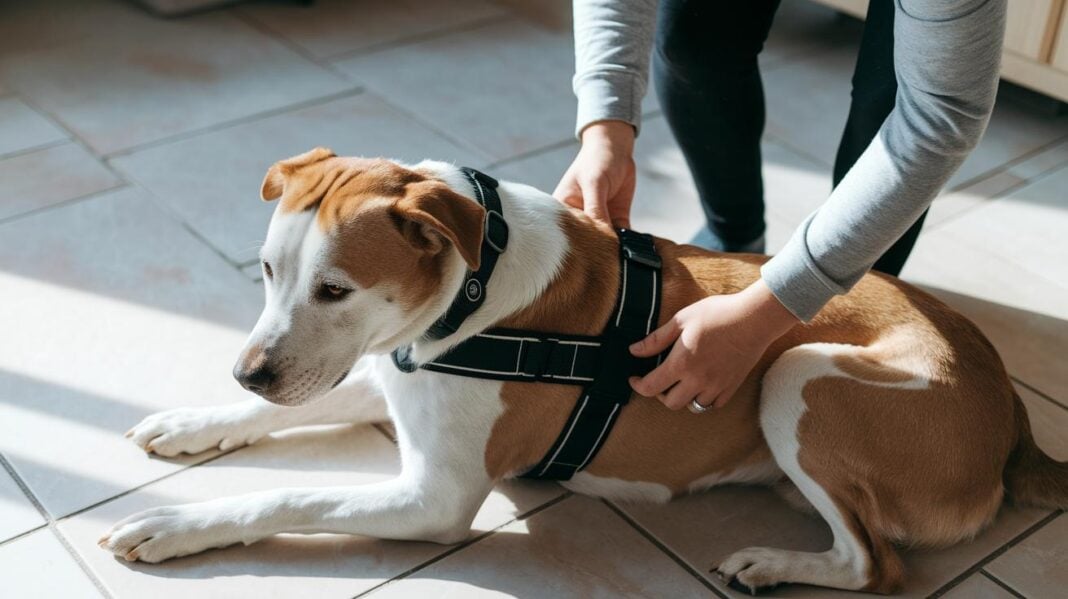

Ever wonder if your pet gear really keeps your furry friend safe? A good harness, leash, or accessory can make all the difference between a happy outing and extra worry.
This guide will show you what to look for. We cover important details like how well the gear fits and how strong it is. Follow these tips to help ensure every adventure stays safe and stress-free.
Pet Gear Safety Tips: Your Complete Safety Guide
Pick gear that fits your pet just right. A well-fitting harness should sit snugly without rubbing your pet's armpits or neck. Always use a strong leash, especially on busy trails, and carry one even when you're off the main path since many parks require pets to be on a leash. Keep in mind that slip leads might seem handy, but they can be uncomfortable and even dangerous if your dog tugs hard. One pet owner said that switching to an adjustable, padded harness made walks easier and less stressful.
It’s also key to have good pet ID tags. Customizable tags help others quickly recognize your pet, lowering the chance of a mix-up during an adventure. Don’t forget your waste management gear, like poo bag holders. Carrying bags keeps your walk clean and helps you avoid fines that can be as high as $500. This small step lets your pet enjoy the outdoors while following local rules.
Remember, choosing safe pet gear is a big part of managing risk. Quality gear keeps your pet comfortable and lowers the chance of injury or accidents. Smart equipment choices let you protect your pet and enjoy safe outings every time. Check your pet’s gear often for wear and tear, so you can replace items before they become a hazard.
Harness Fit and Collar Safety Tips for Pets
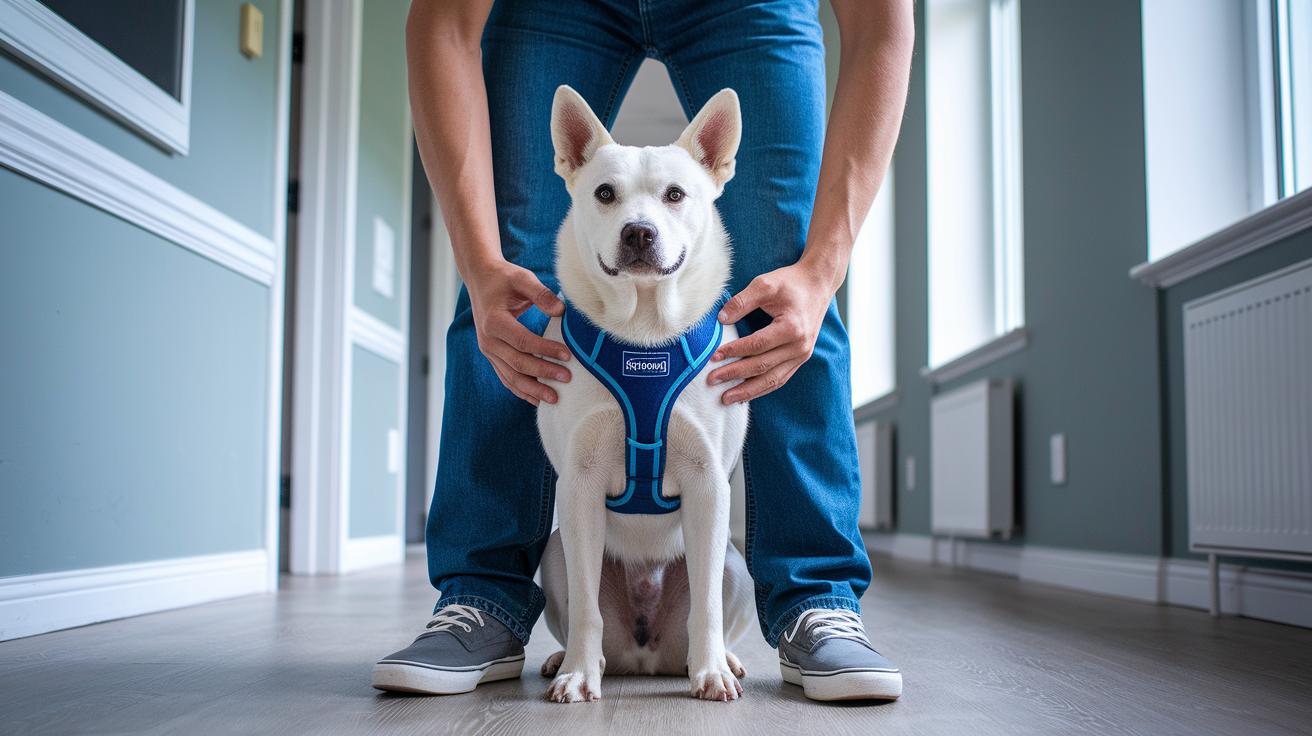
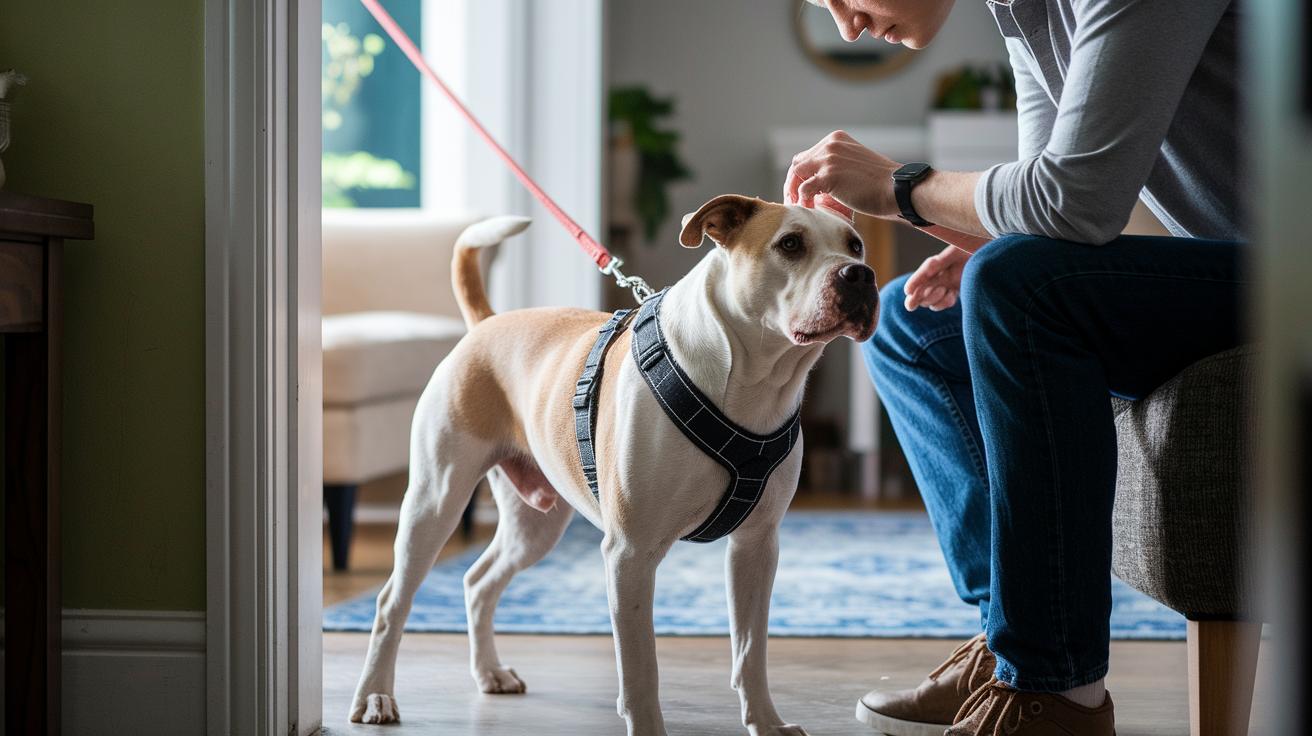
When you choose a harness, make sure it fits snugly without rubbing your pet's armpits or neck. A good harness sits just right, letting your dog move without any discomfort. Quick tip: fasten the harness and slide two fingers underneath. If it feels secure yet gives enough space, it’s a keeper.
If your dog pulls a lot, slip leads might press too hard on their throat and cause discomfort. Instead, try a padded, adjustable harness. One pet parent shared that switching to a padded model made walks calmer because the extra cushioning helped stop chafing.
For cats, a breakaway collar is a safer option. These collars are made to come off if they get caught on something, which lowers the risk of choking or injury. Choose a breakaway collar built from sturdy, non-toxic materials that won’t add too much weight on your cat’s neck.
It’s also important to check the collar’s certification. Look for collars that meet recognized safety standards like ASTM or ISO (standards set by experts to ensure durability and safety). A certified collar gives you peace of mind and helps avoid surprises during play.
Finally, do a daily check on harnesses and collars. Look over the straps, buckles, and any padding for signs of wear or fraying. If you spot any damage, replace the gear right away. Taking a few extra minutes to check your pet’s gear helps keep them safe on all your everyday adventures.
Leash Safety Tips and Tether System Evaluations
Always carry a leash when you head out with your pet. Most parks and trails need pets to be leashed for safety, and a strong, non-slip lead is best. This type of leash helps protect your pet if it pulls hard, giving you peace of mind during your outing.
Before each adventure, give your leash a quick check. Look over the fabric for any signs of wear and make sure the metal clips aren’t rusty or frayed. If you spot any damage, replace the leash immediately to avoid any risks.
When using a tether system in your yard, such as cable tethers or yard stakes, double-check that the anchor points are solid. Also, ensure the tether has a smooth swivel joint without any rough edges that might catch your pet's collar. A good tip is to pull firmly on the tether. If it stays in place, you’re all set.
Regularly checking and maintaining your pet’s gear can prevent accidents and keep your furry friend safe.
Pet Gear Safety Tips for Water and Outdoor Adventures
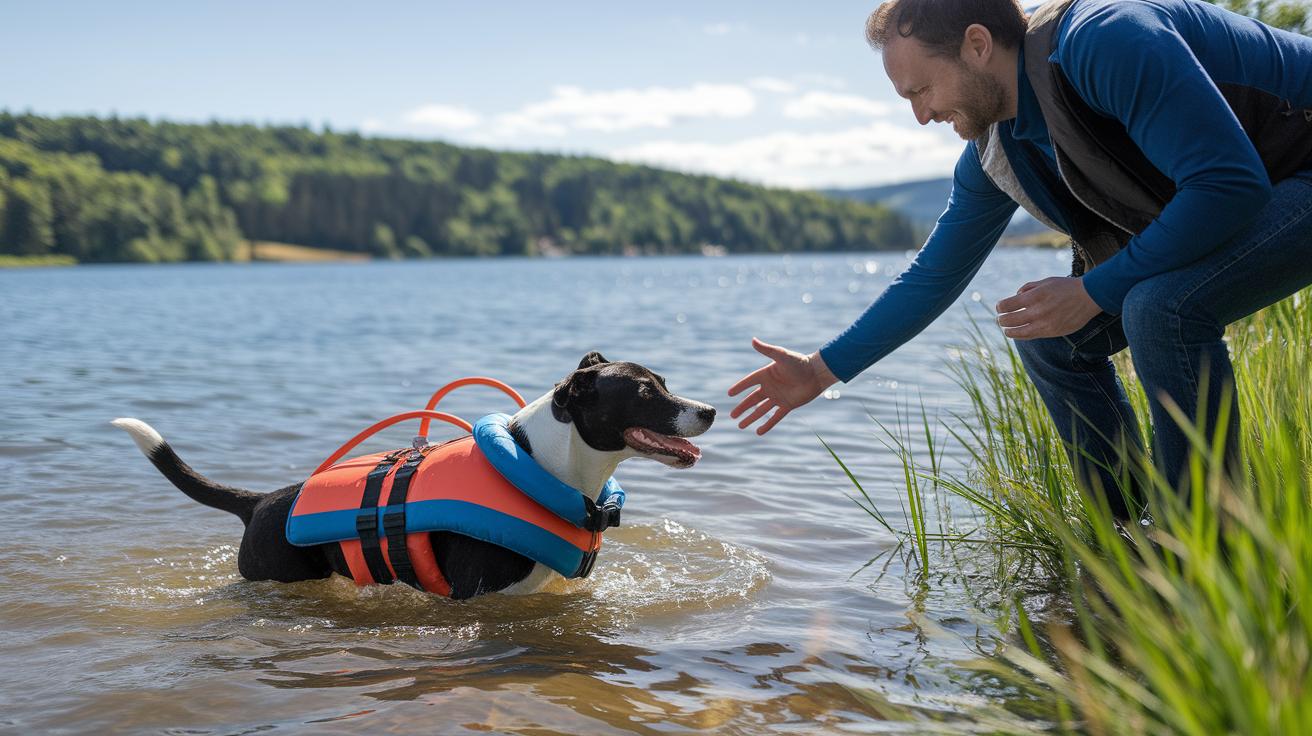
When you plan a day out with your pet, the right gear can make all the difference. A life jacket with a secure handle lets you grab your dog quickly if needed. Pick one from a trusted brand so you can feel sure of its quality. One pet parent even said a jacket with a strong handle made lake trips feel much safer.
For walks on rough trails or hot pavement, pet booties protect your dog's paws from burns and scrapes. They work well when the ground is hot or uneven. And on sunny days, cooling gear like vests, bandanas, or gaiters helps keep your pet cool and comfy during long walks.
Another handy item is a compact travel bowl. These bowls are lightweight and can clip onto a backpack or fit in a small bag, making it easy to offer your pet water or food wherever you go.
| Item | Primary Use | Key Safety Feature |
|---|---|---|
| Life Jacket | Water rescue aid | Grab handle for quick pull |
| Pet Booties | Paw protection | Shield from hot surfaces |
| Cooling Apparel | Heat management | Temperature control design |
Using the right gear sets the stage for fun and safe adventures with your pet.
Travel and Carrier Safety Tips for Pets
Traveling with your pet is much simpler when you have the right carrier. Pick one that fits your pet snugly for a smooth, secure ride. Before each trip, take a moment to check the carrier. Look at the latches, seams, and zippers to be sure they are in good shape. In the car, use a seat belt harness or a canine car seat to keep your pet safely in place. It’s also a smart idea to bring along a collapsible travel bowl for easy access to food and water.
Here are the steps to make sure your carrier and restraints are ready for any adventure:
| Step | What to Check |
|---|---|
| 1 | Carrier fits your pet’s size |
| 2 | Latches close securely |
| 3 | Seams are strong and free from damage |
| 4 | Zippers move easily without catching |
| 5 | Seat belt harness or car seat is properly fastened |
Following these simple checks can help make travel less stressful and keep your pet safe and comfortable on the road.
Toy Safety Tips: Durability and Material Guidelines
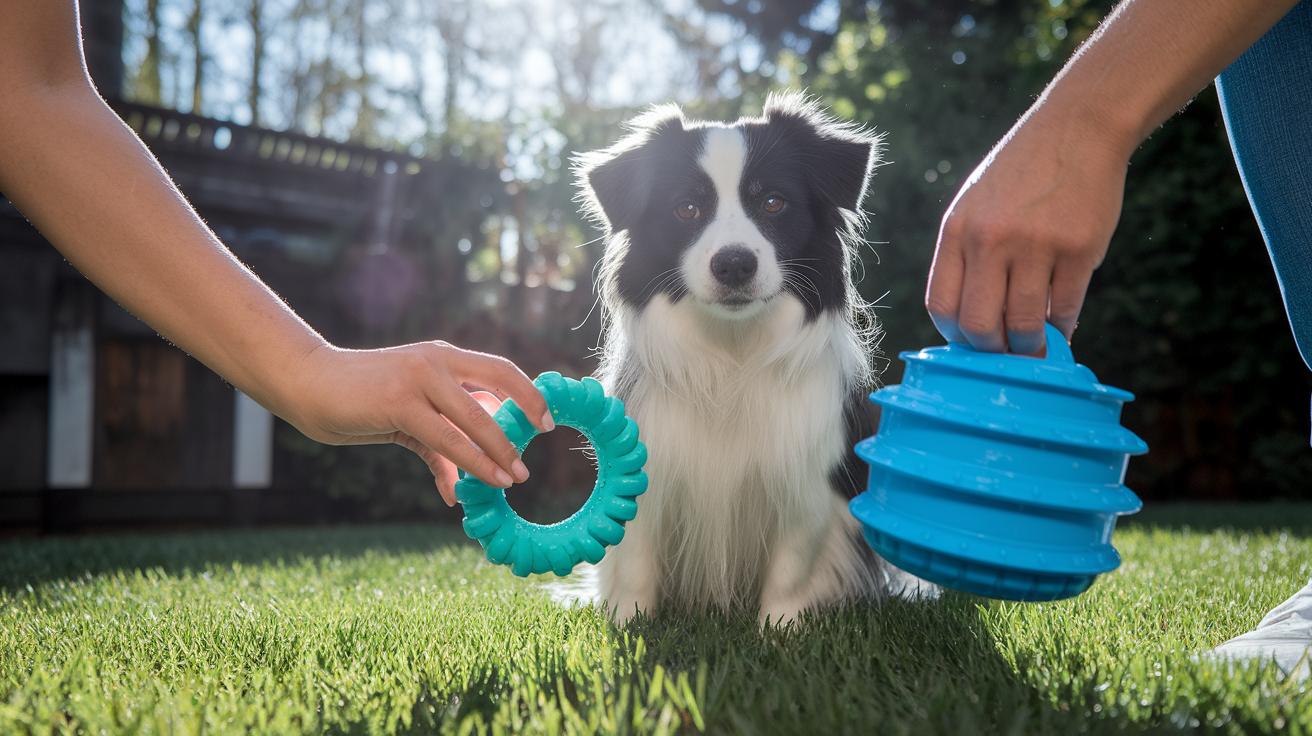
When choosing toys for your pet, pick ones made from non-toxic, chew-resistant materials. One pet parent shared, "I switched to a chew toy made of strong, safe material, and my dog doesn't chew on dangerous items anymore." Check that the toy stays firm even when your pet bites it hard.
For water play, go with floating toys. These toys are tested to withstand splashes and accidental drops. A pet parent recalled, "The floating toy stayed buoyant and undamaged during our pool day." This makes them a smart choice for water fun.
Interactive toys can also be a great pick. Cooling toys help lower your pet's temperature on hot days while keeping them active. Puzzle toys are excellent too, just make sure they are the right size and don't break into small parts that might cause choking.
Remember to inspect your pet's toys regularly so you can spot any wear and tear before it turns into a safety issue.
Seasonal Pet Gear Safety Tips: Summer and Winter Advice
In summer, keeping your pet cool is very important. A good cooling vest can help your pet avoid heat stress. Try a vest that fits nicely and cools naturally as your pet moves. Also, consider a UV-resistant bandana or sun shirt. These items block harmful rays from the sun, so your pet can enjoy outdoor play without worry.
When cold weather comes, it is time for winter gear. A warm thermal jacket adds extra insulation during chilly walks. Insulated booties protect your pet’s paws from ice and snow, cutting the risk of frostbite on cold surfaces. They also help when the ground is cool during summer nights.
No matter the season, always check that the gear fits securely and is made of quality materials. Look for signs of wear like loose seams or faded colors. It is a good idea to test any new gear before a long outing. Proper gear means your pet can enjoy every moment outside safely.
Review the gear regularly and replace any pieces that show damage. Keeping your pet’s outfit in top shape results in stress-free playtimes and happy, healthy paws.
Maintenance and Inspection Safety Tips for Pet Gear
Taking care of your pet gear is a simple way to keep your furry friend safe on every outing. Clean pet bedding and food or water bowls regularly, just like you wash your own plate to enjoy a healthy meal.
Spend a few minutes each day checking all straps, clips, and seams on harnesses, carriers, and leashes. One pet owner shared that checking her dog’s harness every morning helped avoid problems on their walks. Look for any signs of fraying or wear; catching these issues early can prevent accidents later.
Before you head out, take a quick look at your first-aid kit. If you see any expired items, replace them right away. Also, check for any safety notices from the gear’s manufacturer so you know if there are any updates or recalls.
- Clean pet bedding and food/water bowls regularly to keep germs away.
- Check all straps, clips, and seams on harnesses, carriers, and leashes for wear.
- Review your first-aid kit before each outing and replace any expired items.
- Keep an eye on manufacturer notice for any gear recalls or safety updates.
Final Words
In the action, you learned how to choose the right gear for outdoor play and travel, from fit-tested harnesses and secure collars to sturdy leashes and reliable travel accessories. You saw how regular inspections and simple maintenance steps help prevent accidents. These pet gear safety tips offer a clear guide for keeping pets safe during adventures, playtime, and everyday outings. Keep these tips handy and enjoy more confident, worry-free visits to the park or trail.
FAQ
What are the best pet gear safety tips for dogs and other pets?
The best pet gear safety tips suggest using well‐fitting harnesses, sturdy leashes, and quality carriers for safe outdoor adventures. A detailed PDF guide can offer more step-by-step advice.
What pet safety products are available to protect my pet?
Pet safety products include harnesses, breakaway collars, life jackets, and secure carriers. These items help keep pets safe during play, travel, and outdoor activities.
Is there a pet safety organization that provides guidelines for pet care?
A pet safety organization offers trusted guidelines, recall alerts, and safety updates so pet owners can make informed decisions about gear and overall pet health.
What are the general safety tips for animals and pet care?
General safety tips for pet care include selecting the right gear, regular equipment checks, and maintaining proper hygiene. Doing so ensures pets are protected from common risks.
How can I keep my pet safe in the car and while traveling?
To keep your pet safe during travel, use a properly sized carrier or a seat belt harness. Always inspect the travel gear before each trip to limit movement and reduce injury in sudden stops.