



Have you noticed your pet acting a bit different as they grow older? Their changes might catch you off guard, but they show a lifetime full of love and memories. Your pet may bark or meow more, cuddle closer, or even seem a little grumpy sometimes. These shifts are normal signs of aging and might mean your friend needs some extra care. Let’s look at what these changes mean for their health and how you can build an even stronger bond.
Age Related Changes in Pet Behavior: Heartening Shifts
As our pets get older, they start to act a bit differently. These changes can be normal parts of aging and show that your pet has enjoyed many happy years. Sometimes you might see behaviors that remind you of the pet they once were, while other signs tell you they need a little extra care.
Here are some changes you may notice:
- They might make more sounds, like barking or meowing, than before.
- Some pets want to be closer and snuggle more, while others might seem to want more alone time.
- Occasionally, an older pet might forget their bathroom routine.
- Sleep may become restless or happen at unusual times.
- They might move slower or seem stiff, which could be joint pain or arthritis (a condition that makes joints hurt).
- They could appear more grumpy, which might be because they are in discomfort.
- Sometimes, you may notice confusion or a bit of anxiety, possibly because of losing some sight or hearing.
These behavior changes often happen because aging affects both the body and the mind. Joint pain, changes in hearing or sight, and shifts in routine can lead to these signs. Noticing these changes early means you can give your pet extra care and bring in your vet when needed. Keeping a close eye on their habits helps you tell normal aging apart from health problems that need quick attention so your furry friend stays comfy and happy for years to come.
Medical Drivers of Age Related Changes in Pet Behavior

Aging pets may start acting differently because of health issues. For example, osteoarthritis (joint pain) can make your pet hesitant to jump or climb stairs, and it might even cause some irritability. Canine cognitive dysfunction (a condition similar to dementia) can lead to memory loss and confusion. Changes in vision or hearing can also make your pet feel anxious or uneasy. Sometimes, what looks like normal aging could actually be a sign of something more serious, like kidney disease. This is why it’s so important to have your pet checked by the vet.
| Condition | Symptoms | Recommended Actions |
|---|---|---|
| Osteoarthritis | Pain, reluctance to jump, difficulty with stairs, irritability | Talk to your vet about anti-inflammatory medications and joint supplements |
| Canine Cognitive Dysfunction (CCD) | Memory loss, disorientation, confusion | Have your pet evaluated by a vet and discuss ways to support cognitive health |
| Sensory Loss | Reduced vision or hearing, startle responses, anxiety | Make changes at home to help reduce stress and keep your pet safe |
| Kidney Disease | Changes in appetite, lethargy, behavior shifts | Ask your vet for lab tests and follow their treatment plan |
A good vet exam is key to understanding these shifts in behavior. A full checkup from head to tail, along with the right lab tests, helps your vet tell the difference between natural aging and real health concerns. This careful look into your pet’s health means you can get the right treatment to keep them comfy and happy.
Home Adaptations for Comfort and Age Related Changes in Pet Behavior
Older pets can really benefit from a few easy changes at home. When your dog or cat is getting older, they might move a bit slower and need extra help to stay safe. Simple adjustments can ease their discomfort and make everyday life smoother.
Here are some ideas to create a safer, cozy space for your senior pet:
- Use ramps or steps to help them get onto furniture or climb stairs. This helps lessen the strain on their joints.
- Put down non-slip mats on slippery floors so they have a firmer grip while moving around.
- Add toe grips or non-slip covers on their paws if your dog has short nails, this can really boost their traction.
- In colder months, consider using booties or paw balms to protect their paws from ice and rough surfaces.
- Take shorter, more frequent walks to keep them active without overdoing it.
- Keep an eye on their weight. Using portion control during mealtimes can help reduce extra stress on their joints.
Sticking to a regular daily routine also helps your pet feel calm and secure. When feeding, playing, and resting happen at the same time every day, it makes life predictable and soothing for them.
With these small adaptations, your home can be a safe haven where your furry friend stays comfortable, active, and secure as they grow older.
Supporting Cognitive and Emotional Age Related Changes in Pet Behavior
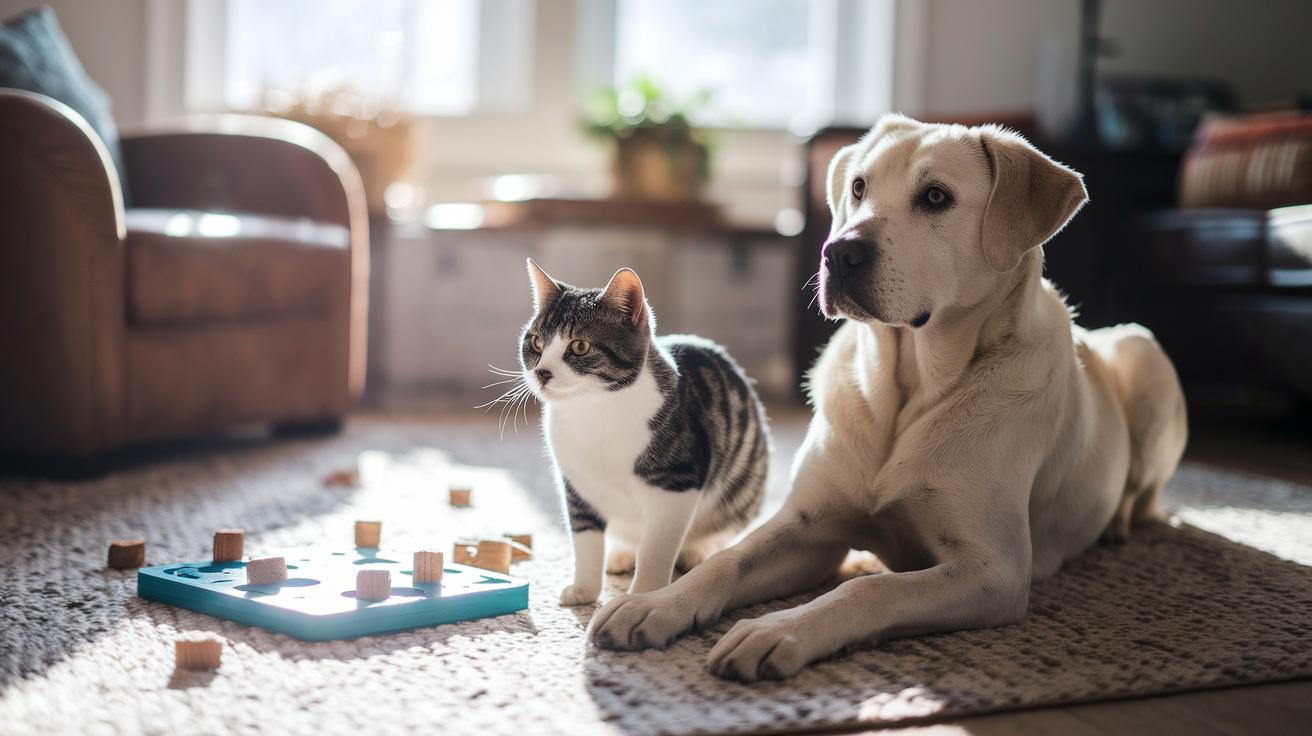
As our pets get older, they may seem different from when they were young. They might appear confused, pace around, or just stare blankly. Some may even seem more anxious by clinging, barking more than usual, or avoiding familiar routines. This can happen because of pain, losing some of their senses, or changes in their daily schedule. Keeping them mentally active and emotionally soothed can help slow these changes and improve their well-being.
- Try a puzzle feeder that makes your pet think and rewards them with a tasty treat.
- Hide little treats around the house to spark a scent game that engages their sense of smell.
- Enjoy brief, gentle clicker training sessions to create fun learning moments.
- Set up a quiet space where your pet can relax without any interruptions.
- Stick to a regular daily routine to give your pet a strong sense of security.
- Consider adding foods rich in antioxidants (substances that fight cell damage) and B vitamins to support your pet’s brain health.
Including these activities in your pet’s day can help manage memory issues and mood shifts. Using fun mental challenges and a consistent routine makes your pet feel more at ease and supported. These simple tips can make everyday life more comfortable and enjoyable for your loyal companion.
Nutrition Strategies for Managing Age Related Changes in Pet Behavior
A good diet plan can really help your older pet feel great every day. As they age, pets need fewer calories but more high-quality protein and extra nutrients to keep their joints and brain working well. Changing their meals and adding supplements can help manage their weight and keep them full of energy.
- Use lean, high-quality protein to build and repair muscles.
- Lower overall calories while making sure meals have the right nutrients for their slower energy needs.
- Add omega-3 fatty acids (healthy fats that can help reduce inflammation) and antioxidants to support joint comfort and brain function.
- Offer smaller, more frequent meals to boost digestion and keep energy levels steady.
- Keep your pet well-hydrated and schedule regular dental check-ups to help them stay comfortable.
Watching your pet’s food intake and weight is key. Keeping track lets you adjust portions when needed and prevents extra stress on their joints from extra weight. This balanced approach can help your pet have a more comfortable and active life in their senior years.
Veterinary Consultation Triggers for Age Related Changes in Pet Behavior
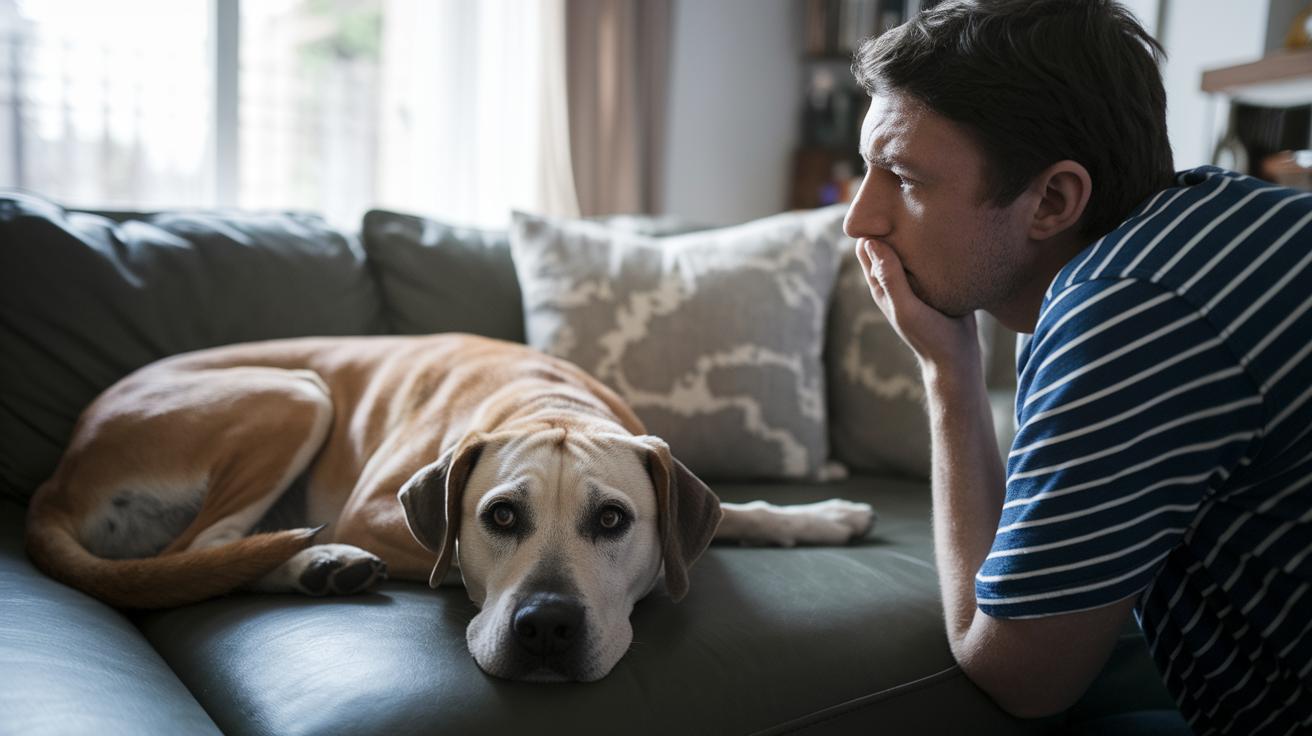
Watch your pet closely for about 1–2 weeks to see if anything changes. If your pet starts sleeping more or less, eating differently, or showing different energy levels, it might be time to check in with your vet. For example, if your furry friend suddenly becomes grumpy or unusually quiet, that can be a warning sign. Also, if your pet flinches when you touch them or limps while walking, they could be in pain. Big changes in how much they eat or drink, or having accidents inside, are signals to call your vet right away. And if your pet collapses or has trouble breathing, get help immediately.
During a routine exam for older pets, the vet will do a full check from head to tail. They will look for pain or stiffness in the joints, check the heart and teeth, and run lab tests (blood tests) to see how the organs are working. The vet might also use a simple questionnaire to see if your pet’s memory or thinking is changing.
Keeping a daily log of your pet’s habits and noting any red flags helps your vet create a care plan just right for your pet.
Final Words
In the action, we saw a range of signals like increased vocalizing, clinginess, and visible discomfort that can hint at age related changes in pet behavior. We also explored key medical issues, smart home tweaks, mental enrichment, proper nutrition, and clear signs for veterinary checks.
Each section offered practical tips that help keep your pet comfortable and engaged in later years. Keep a close eye on these shifts and work with your vet for the best care. Stay positive, it’s all about adapting together for happier, healthier lives.
FAQ
What does old dog behavior before death look like?
Old dog behavior before death shows signs like confusion, decreased appetite, and increased vocalizing or withdrawal. These changes often signal health decline that may need veterinary attention.
What are common age related changes in pet behavior?
Age related changes in pet behavior include less energy, altered sleep patterns, and clinging or cautious actions. These shifts can result from joint pain, sensory loss, or cognitive decline.
How do dog behavior changes at 2 years old differ from senior dog behavior?
Dog behavior at 2 years old usually reflects learning and social maturity, while senior dog behavior shows slowed mobility, forgetfulness, or discomfort from aging.
Why is my old dog acting weird all of a sudden?
When an old dog acts weird all of a sudden, it may be due to pain, cognitive issues, or sensory loss. Sudden changes should be checked by a veterinarian.
What does a senior dog age chart show?
A senior dog age chart compares dog years to human years, helping track maturity and age milestones so pet owners can adjust care as dogs get older.
Why does my 14-year-old dog bark all the time?
A 14-year-old dog barking often might be expressing anxiety, discomfort, or signs of cognitive dysfunction. A vet evaluation can help determine the cause and guide care.