



Have you ever thought that a gentle diet might help your pet recover faster after surgery? I know it might sound odd, but soft, easy-to-digest meals let your pet get nutrients without putting extra strain on a delicate tummy.
After anesthesia, pets may lose some muscle and have low blood sugar. This makes regular food a bit too hard to handle. Feeding soft food gives them a gentle boost to rebuild strength and keep their energy levels steady.
In this article, we’ll explain why soft meals are a key part of a smooth recovery, and we’ll share simple tips to help your furry friend bounce back quickly.
Comprehensive Soft Diet Framework for Pets Post-Surgery
After surgery, your pet needs gentle nutrition to help keep energy levels steady and muscles strong. Sometimes, their body breaks down muscle for energy (a process known as catabolism). A soft diet helps them absorb nutrients easily without overworking their stomach.
Anesthesia can upset your pet's blood sugar balance. In simple terms, surgery can make it harder for their body to use sugar properly. This is why careful monitoring is key. Feeding through the digestive tract soon after surgery can reduce the risk of a slow-moving gut (postoperative ileus), which might cause nausea and vomiting.
Healthy dogs and cats can usually fast for 12 to 24 hours before surgery. After sedation, however, it is best to wait a few hours before offering the first soft meal. Here are some simple tips for refeeding:
- Soak dry kibble in warm water or low-sodium broth. This turns the food into a soft, pudding-like meal.
- Serve small pieces of boiled egg for an easy protein boost.
- If your veterinarian agrees, mix in a small spoonful of plain, unsweetened yogurt for extra probiotics.
These steps help reintroduce food gently, keeping your pet’s energy up and their digestion on track. With a careful approach, you can support a smoother and faster recovery after surgery.
Key Benefits of a Soft Diet for Pets Post-Operation

A soft diet gives your pet gentle, easy-to-digest nutrition that helps them absorb important nutrients while giving their tummy a break. These meals are packed with protein to boost the immune system and help rebuild muscle without stressing the digestive system.
For dogs, soft meals keep energy up during recovery. Low-residue foods (foods that leave little waste in the gut) can help prevent nausea and ease digestive discomfort after surgery. Try this tip: warm the food just a little , about 10 seconds in the microwave , and test it on your wrist to make sure it’s pleasantly warm. This small step mimics body heat and can help your pet digest more easily.
Cats also do well with soft diets made just for them. Special formulas take care of their sensitive tastes and water needs, making it easier for them to get the nutrients they need without upsetting their delicate stomachs.
Soft Diet for Pets After Surgery Fuels Recovery
After surgery, giving your pet a soft meal can help ease their tummy and supply the energy they need to regain strength. Here are six simple soft diet ideas with easy prep tips:
-
Wet or canned pet food
Use the same protein your pet normally eats, but in a wet or canned form. This food is gentle on the stomach and familiar, offering a mix of protein and moisture that helps in recovery. -
Soaked dry kibble
Put your pet’s regular kibble in a bowl and add warm water or low-sodium chicken broth. Let it sit for 10 to 15 minutes until it turns soft like pudding. This extra moisture lightens the load on your pet’s gut and makes it easier to chew. -
Homemade chicken and rice
Mix one part cooked chicken with one part white or brown rice. Serve the meal lukewarm so there’s no sudden temperature shock. This recipe is low in fat and gentle on the stomach while giving protein and energy. -
Plain smooth baby food
Pick a meat or vegetable baby food that does not have onion or garlic. Its smooth texture helps your pet eat easily and digest well, making it a good choice when solid food is too much. -
Hard-boiled egg pieces
Chop a hard-boiled egg into small pieces for a boost of easily digestible protein. The soft texture makes this a great addition to your pet’s recovery diet. -
Plain yogurt
With your vet’s approval, add 1 teaspoon of plain unsweetened yogurt to each meal. Yogurt can bring helpful probiotics and extra protein to support your pet’s digestion without being too heavy.
Each of these options gives your pet a mild, nutrient-packed meal that won’t stress their digestive system. Start with small portions and watch how your pet does so you can adjust the meals to meet their needs during recovery.
Portion Guidelines and Recovery Feeding Schedule for Soft Diet Pets
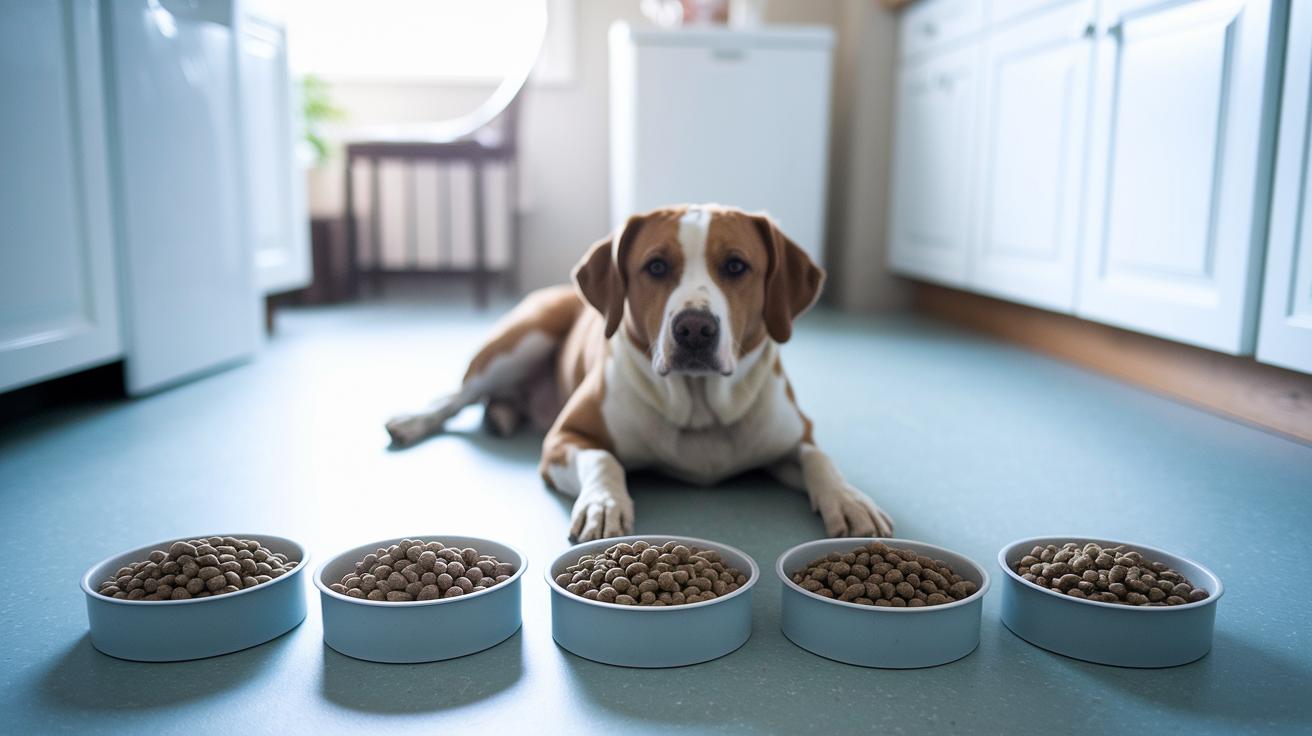
After your pet’s surgery, keeping a close eye on meal sizes is key to a smooth recovery. Start by splitting your pet’s daily food into 4 to 6 small meals. For example, if your dog usually eats 1 cup of food in a day, offer about ¼ cup every 4 hours. This helps ease the work your pet’s tummy has to do and keeps their energy steady.
Wait at least 3 to 4 hours after anesthesia before giving food or water. This pause helps prevent choking and gives your pet time to fully wake up from the sedation. Offering small, frequent meals also lowers the chance of stomach upset, like nausea or bloating.
For the first meal after surgery, try feeding only about 25% of your pet’s regular portion. Then, gradually increase the amount by 10-15% every 1 to 2 days, depending on how your pet feels and how hungry they are. So if your pet starts with ¼ cup, add a little more with each meal – just enough so their delicate stomach isn’t overwhelmed.
Also, be sure to offer a little water break between meals. Sipping water in small amounts helps keep your pet hydrated without overloading their stomach. Follow your veterinarian’s advice and adjust the meal size based on your pet’s size and condition to make the recovery as comfortable as possible.
Soft Diet Preparation Tips: Texture, Temperature, and Safe Additives
To help your pet enjoy a softer meal, mix warm water (100–105°F or 37–40°C) or low-sodium broth with dry kibble. Stir one cup of kibble with the liquid and let it sit for 10–15 minutes until it turns into a smooth, pudding-like texture.
Serve your pet’s food lukewarm. A good trick is to test a little on your wrist, like you would with a baby's bottle. It should feel pleasantly warm, not too hot or cold.
For extra nutrition, mix in mild additives. For example, add 1 teaspoon of plain, unsweetened yogurt (rich in friendly probiotics that help digestion). Just be sure to check with your veterinarian first.
Stick with easy-to-digest ingredients to support your pet’s healing and make feeding time stress-free.
Vet-Approved Soft Diet Adjustments and Transition Strategies
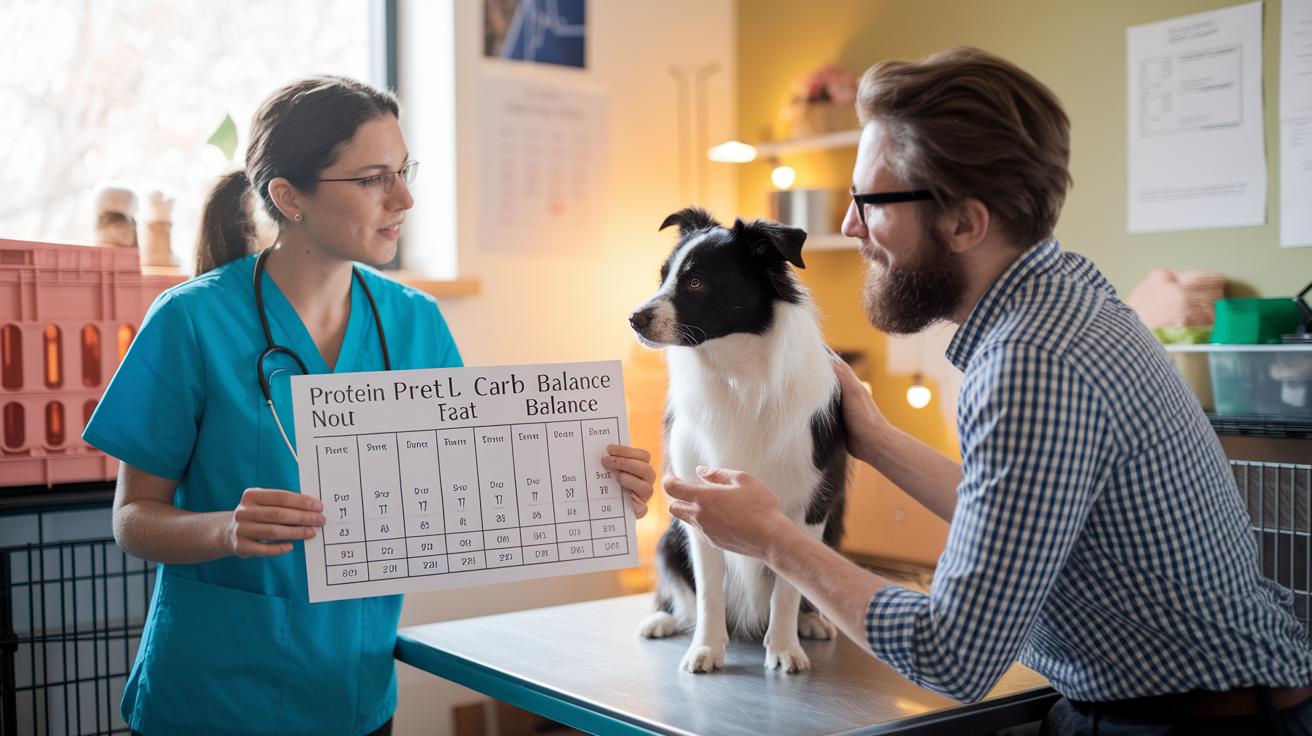
Work with your veterinarian to adjust your pet’s diet during recovery. Every pet is unique, and their needs change after surgery. Your vet may suggest tweaking the balance of proteins, fats, and carbohydrates to give your pet the energy they need for healing. For instance, they might add more protein-rich foods to help boost your pet’s immune system while keeping fats low to ease tummy troubles.
Gradual Solid Food Reintroduction
Slowly introduce more solid food over a week. Start by increasing the solid portion by about 10-20% each day. This gentle change helps your pet’s tummy get used to more solid food without causing upset. Begin with very soft, blended foods and mix in a few extra bits of mash daily. Keep an eye out for any signs of discomfort. For example, you might say, "Mix a little extra mashed steamed veggie with the soft meal, start with small bites." Increase the solid food gradually as long as your pet handles it well.
Monitoring and Follow-Up
Keep track of your pet’s recovery by checking their weight, body condition, and appetite every week. Watch for signs like vomiting or diarrhea and be ready to make quick changes if needed. Checking the quality of your pet’s stool is also important because it shows how well their stomach is handling the new diet. Regular check-ups with your veterinarian will help make sure the diet is adjusted properly and transitions safely to regular meals.
Final Words
In the action, we broke down gentle feeding strategies for pet recovery. This post highlighted how a soft diet for pets after surgery can help ease digestion and provide key nutrients for healing. We covered simple recipes, proper portion sizes, and safe temperature tips to support your pet’s well-being. Following these vet-recommended steps helps reduce digestive stress and builds confidence in care. Keep calm and trust in this approach to help your furry friend regain strength and feel better each day.
FAQ
Frequently Asked Questions
What is a soft diet for pets after surgery?
A soft diet for pets after surgery means meals that are easy on the tummy. This can include soaked kibble, pureed chicken and rice, or vet-approved wet food designed to support smooth digestion and healing.
Are scrambled eggs good for dogs after surgery?
Scrambled eggs offer high-quality protein and a soft texture that can fit a post-surgery diet. They should be served plain, without salt or seasoning, and approved by your veterinarian for your dog’s recovery.
What are good food choices for dogs after dental surgery?
After dental surgery, choose moist, easily chewed foods like pureed chicken and rice or softened canned dog food. These options prevent strain on sensitive gums while ensuring proper nourishment during recovery.
What should I do if my dog is not eating 5 days after surgery?
A dog not eating for 5 days after surgery is a sign to act. Check for other symptoms and contact your veterinarian right away to rule out complications or discomfort that need attention.
How do dog sedatives work after surgery?
Dog sedatives after surgery help keep your pet calm during recovery. Always follow your veterinarian’s instructions for proper medication type and dosage to ensure safe and effective use.
How can I comfort my dog after tooth extraction?
To comfort your dog after tooth extraction, provide a cool, soft diet and a quiet space. Gentle petting, fresh water, and following your veterinarian’s pain management advice can help your dog feel better.