



Have you noticed your dog struggling with tummy troubles even after eating? Probiotics could be a helpful boost, but they might also bring a few risks. These friendly, live bacteria act like little helpers in your dog's gut, easing digestion (the process of breaking down food) and supporting natural defenses. Many pet owners have seen smoother digestion and extra energy in their pups, though some dogs might experience temporary bloating or mild side effects. In this post, we explain the benefits and possible risks of probiotics so you can decide if they are the right fit for your furry friend.
Understanding Probiotics for Dogs: Key Benefits and Risks
Probiotics are good live bacteria, like Lactobacillus acidophilus (a helpful germ), that keep your dog's tummy in balance. These friendly bacteria help break down food, ease digestion, and boost your pet's natural defenses. You might even see less gas and diarrhea in just a few days. With regular use over a few weeks, your dog’s skin and overall energy can improve. These supplements come in doses made just for dogs to get the best results with minimal worry.
Even though many pet owners notice steadier digestion and a stronger immune system, some dogs might feel a bit bumpy at first. It’s common for a dog to have some bloating, extra gas, or mild diarrhea as their system adjusts. In rare cases, especially with dairy-based formulas, a dog could have an allergic reaction. And if your pet takes other medicines, always check with your vet so no interactions happen.
Here are the top 5 benefits of probiotics for dogs:
| Benefit | Description |
|---|---|
| Better Digestion | Helps break down food so your dog can absorb nutrients easier. |
| Less Gas and Diarrhea | Eases upset tummies by lowering bouts of gas and diarrhea. |
| Stronger Immune System | Boosts natural defenses to help fight off infections. |
| Improved Skin | Reduces inflammation which may lead to a shinier coat. |
| Balanced Gut Health | Keeps the mix of good bacteria steady in your dog’s gut. |
And here are 4 possible side effects to watch out for:
| Risk | Description |
|---|---|
| Temporary Bloating | Your dog might feel a little puffy as their gut adjusts. |
| Extra Gas | Some extra burping or flatulence until things settle down. |
| Mild Diarrhea | This might happen during the first few days of use. |
| Rare Allergic Reactions | Especially with dairy-based formulas, a dog can react if they’re sensitive. |
To start, use a small dose. For larger dogs, a teaspoon (about 5 ml) works well; smaller dogs should get a proportionally smaller amount. Slowly increase the dose as your dog's stomach gets used to it. Always choose a probiotic made especially for dogs and follow the dosage your vet suggests. If you see any signs your pet isn’t handling it well, contact your vet right away.
How Probiotics Support Canine Gut Wellness and Digestion
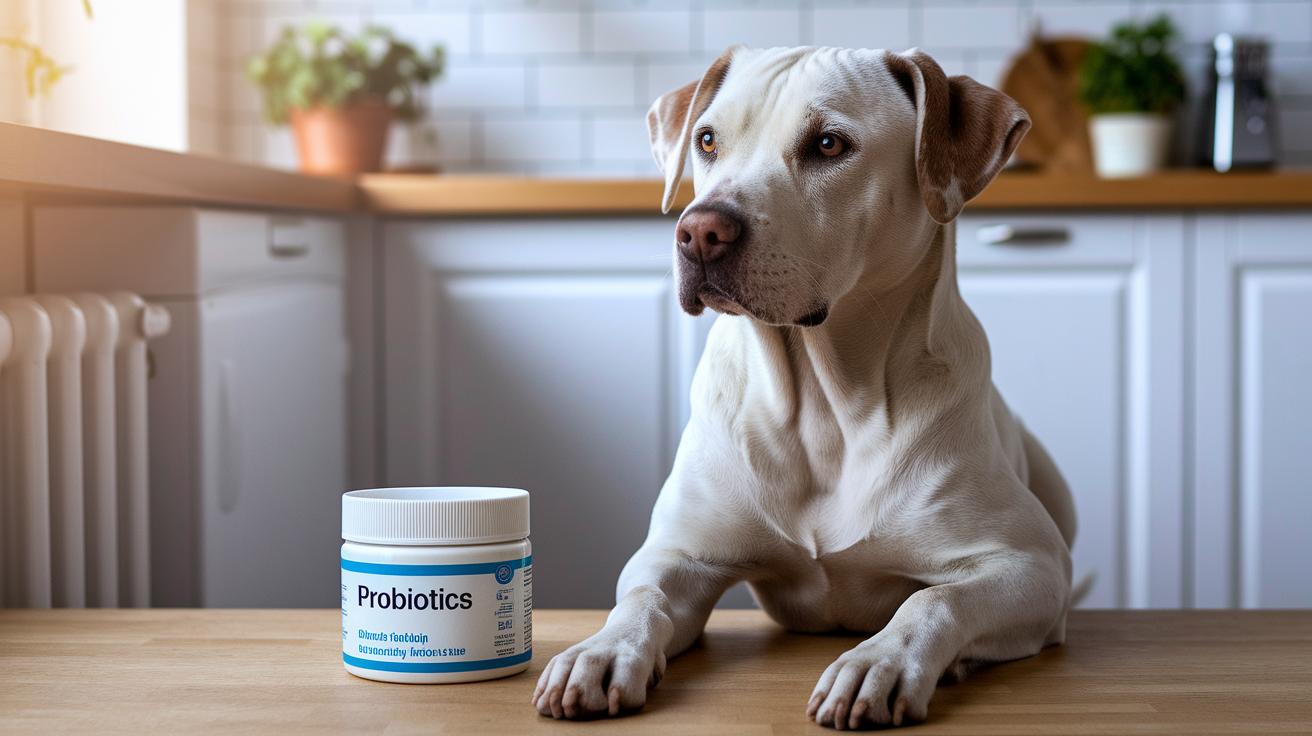
Dog probiotic supplements work by restoring the balance of friendly bacteria living in your pet's gut. These good bacteria help break down food and absorb nutrients, making them a great option for dogs that suffer from diarrhea, constipation, or irritable bowel syndrome (a condition that causes stomach upset). Keeping your dog’s gut balanced helps support a healthy digestive system.
Prebiotics, such as fruit pectin, yeast, or seaweed, act as water-soluble fibers that feed these beneficial bacteria. This combination boosts bacterial growth and helps the gut stay steady during changes in diet or stressful times. Mixing prebiotics with probiotics gives your dog consistent and reliable support for smooth digestion.
Many pet parents notice smoother digestion and less discomfort when their dogs take these supplements regularly. For pets with occasional tummy troubles or ongoing digestive issues, combining probiotics and prebiotics can be a simple way to support a balanced and healthy gut.
Strain-Specific Efficacy: Lactobacillus and Bifidobacterium Benefits in Dogs
Probiotic supplements for dogs can include a mix of friendly bacteria that work together to keep your pet happy and healthy. Key strains like Lactobacillus acidophilus, Bifidobacterium animalis, and Enterococcus faecium help support digestion, boost the immune system, and keep the colon in good shape. Using a blend of these strains helps form a strong natural gut community that can make digestion smoother and defend against bad bacteria.
Lactobacillus acidophilus helps with digesting food and supports antibody production to keep your dog’s immune system steady. For example, starting with a dose that fits your dog’s size can lead to better digestion over time.
Bifidobacterium animalis works to keep the colon healthy and may even ease mild inflammation, which can help improve skin condition. Think of it as a gentle helper that balances your dog’s inner world.
Enterococcus faecium is another beneficial bacterium that works to block harmful germs, keeping the bacterial balance healthy. Mixing different strains brings out the best benefits, helping your dog enjoy better gut health overall.
A balanced mix of these strains may help keep your dog's digestion efficient, skin healthy, and immune system strong.
Potential Adverse Reactions and Managing Gastrointestinal Disorders

Many pet parents might see signs like bloating, gas, or diarrhea when their dog starts a new probiotic. These changes help the gut adjust, and digestive shifts can happen, especially with dairy options such as yogurt or kefir. Allergic reactions are rare, but they can occur.
| Adverse Reaction | Management Strategy |
|---|---|
| Bloating | Cut back on the amount. If bloating lasts more than 48 hours, slow down how fast you increase the dose. |
| Gas | Start with a small dose and gradually raise it. Keep an eye out for ongoing discomfort. |
| Diarrhea | Stop giving the supplement and watch your dog closely. If diarrhea goes on for over 48 hours or gets worse, contact your vet. |
| Allergic Reaction | Stop using the supplement right away. Look for signs such as swelling and get in touch with your vet. |
When introducing a new supplement, always watch your pet closely. For instance, if you notice bloating lasting more than 48 hours, first lower the dose and slow up the increase. Follow these steps:
- Adjust or pause the supplement.
- Monitor your pet's symptoms carefully.
- Call your vet immediately if the symptoms continue or get worse.
Dosage Management Guidelines for Safe Probiotic Use in Dogs
Begin with a small amount. For tiny dogs under 20 lbs, try 1/4 to 1/2 teaspoon. For larger dogs, start with 1 teaspoon to 1 tablespoon. This lets your dog's stomach get used to the probiotic without any sudden changes.
Increase the dose slowly. Add a little more every few days, always watching for signs that your dog is comfortable. Take care to avoid a big jump in dosage so that any tummy upset is kept to a minimum.
Keep a daily routine. Giving the probiotic at the same time every day helps your dog absorb nutrients better and supports a strong immune system. This steady routine keeps your dog’s gut balanced and happy.
Choosing Quality Dog Probiotic Supplements: Formulation and Labeling Insights

When you pick a dog probiotic supplement, look for clear CFU counts per serving (this tells you the number of live bacteria) and a list of the specific strains included. For example, a label might show "5 billion CFU per serving" with strains like Lactobacillus acidophilus, which helps support your dog’s digestive health.
Read the label carefully. Avoid supplements with fillers, artificial ingredients, or items that haven’t been proven safe for dogs. A simple, clear ingredient list means the product is made just for your pet and only contains helpful components.
Stability is important too. Choose products that are tested by independent labs to ensure they consistently deliver the right amount of probiotics. Also, good packaging helps keep the supplement fresh so your dog gets reliable, high-quality support for overall well-being.
Veterinarian Consultation for Probiotic Regimens and Holistic Dog Care
Talk with your veterinarian before giving your dog any probiotic. Your vet will check your pet's health, suggest safe probiotic strains (for example, Lactobacillus or Bifidobacterium), and advise on the right amount for your dog. This important step helps avoid problems like mixing with other medicines or giving too much or too little. Following your vet's advice makes sure the supplement works well with your dog's overall care.
A whole-body care plan for your dog mixes changes to their diet with probiotic supplements. For example, a special diet with prebiotic fibers (like fruit pectin or yeast) works together with probiotics to support your pet's nutrition. This plan can help boost your dog's immune system and keep their diet balanced. Sticking to your vet's guidance sets up a safe daily routine for your pet's health.
It’s important to see your vet regularly to check on how your dog is doing with the probiotic. These check-ups let the vet adjust the amount if needed to keep your pet’s gut healthy. This routine helps your dog get lasting benefits from the probiotic and stay in great shape.
Final Words
In the action, we explored how balancing your dog's gut can improve digestion, skin, and immunity. We broke down dosage guidelines, selection tips, and potential side effects that may occur as your pet's system adjusts.
This post helped you understand probiotics for dogs benefits and risks, stressing the importance of safe application and vet advice. Keep a close eye on your dog's progress and stick to a gradual approach. Every step you take helps build a healthier, happier companion.