



Ever wonder if giving your dog a bath at home could turn from a hassle into a fun bonding time? Imagine a calm, spa-like moment right in your own bathroom. This guide shows you simple steps to make bath time easy and stress-free. We'll explain how to gently brush your pet, gather all the supplies, and ease your furry friend into the water. Follow these tips to change a messy routine into a comforting ritual that leaves your dog feeling happy and refreshed.
Step-by-Step Home Dog Shower Preparation
Begin by giving your dog a good brush. This removes mats and loose hair so that water and shampoo can flow freely. Think of brushing as a mini spa session that both cleans and comforts your pet.
Next, gather your supplies. Make sure you have:
- Dog shampoo, conditioner, or a simple DIY baking soda mix
- Cotton balls to help protect the ears and clean around the face
- A non-slip mat to keep your dog safe
- Towels for drying
- Treats to reward good behavior
- Steel wool to cover the drain and catch loose fur
Set up your bathroom or tub area by placing the non-slip mat on the floor. Cover your drain with steel wool to trap any stray hair. Fill the tub halfway with lukewarm water (around 90°F or about 32°C). Test the water on your wrist so you know it feels just right.
Before you start adding water, let your dog explore the empty tub. Reward any curious behavior with a treat and a kind word. Then, slowly add water so your pet can adjust without feeling overwhelmed. This steady approach makes the bath less stressful.
Be sure all your supplies are within reach. For more tips and a complete list of grooming essentials, check out Pet Grooming 101 (https://petsnewz.com?p=1113). With the area prepared and everything at hand, you create a calm and safe setting for your dog’s shower.
Managing Water Temperature and Wetting Techniques in Your Home Dog Shower
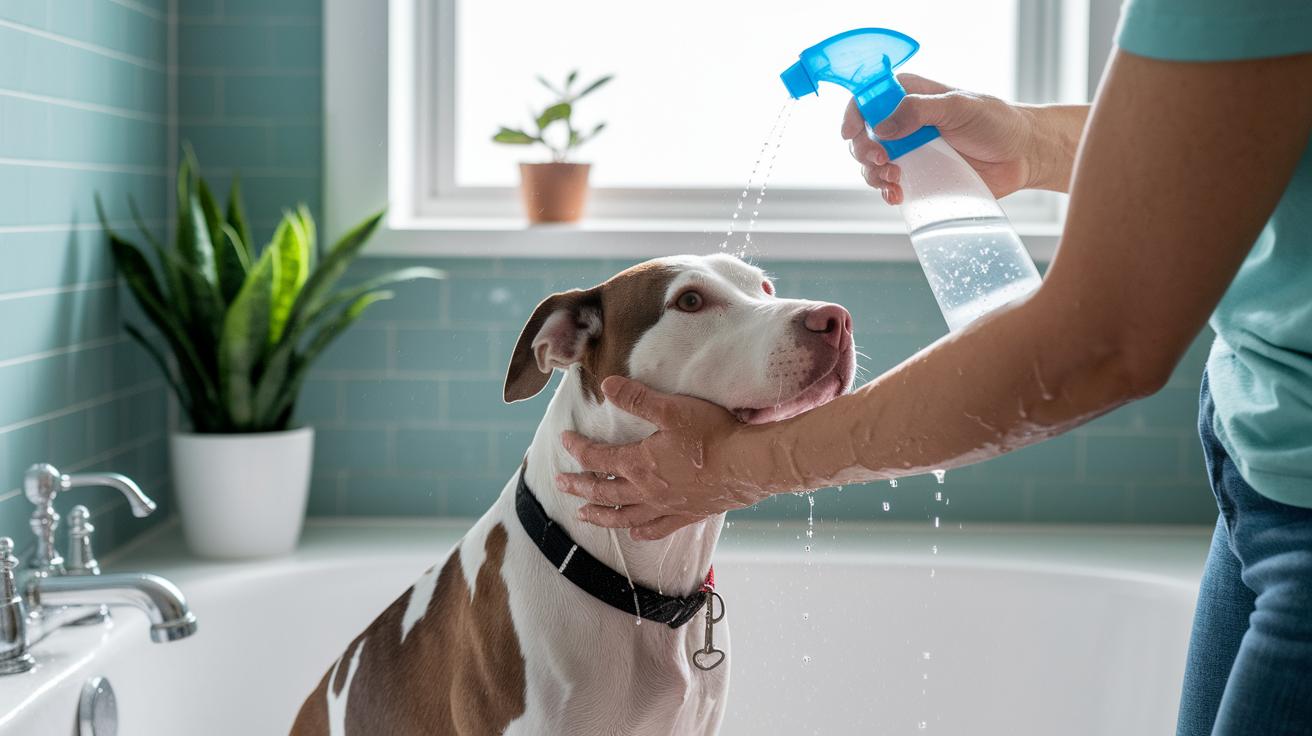
Start by testing the water on your wrist, making sure it feels warm and comfortable for your dog. Lukewarm water makes the bath soothing without any surprises.
Grab a handheld sprayer or a small cup to gently wet your dog. Begin at the shoulders and slowly work your way down the back and legs. This ensures the water spreads evenly so the shampoo works where it needs to.
If your dog has a double coat, take a little extra time to soak the undercoat. This helps the shampoo clean out any hidden dirt beneath the fluffy top layer. Keep water away from the ears and eyes by using a gentle cup near the head. Once the rest of the coat is wet, you can carefully rinse these sensitive areas.
Imagine softly pouring a warm stream over your pup's back, keeping things calm and safe. This method not only comforts your pet but also makes rinsing the coat easier and more effective.
Shampoo Selection and Lathering Techniques for Dog Showers
Choosing a Dog-Friendly Shampoo
First, choose a shampoo made just for dogs. Look for products that are approved by a vet and have a pH balance that keeps your dog's skin comfortable and healthy. If your pup has sensitive skin, you might try a hypoallergenic formula or one with oatmeal. These gentle formulas can even work for daily baths, according to some vets.
Homemade Baking Soda Shampoo
If you're in the mood for a DIY option, try this easy baking soda mix. Combine 1 cup baking soda with 2 cups water. Add 3 to 5 drops of a dog-safe essential oil and a small dash of Castile soap. This mix helps clean your dog's coat, soothes irritation, and adds shine. Stir the ingredients well before applying. One pet owner shared that their dog's fur felt softer and looked brighter after using this blend.
Lathering Best Practices
Start by applying the shampoo at the base of your dog's neck. Gently massage it along the back and legs. Use your fingers to work the shampoo into a soft, even lather while keeping the eyes and inner ears safe. Picture making small, circular motions that build foam without scrubbing too hard. This method not only cleans but also makes rinsing easier by leaving no residue. A quick tip: take your time and ensure every part of your dog's coat gets a full wash. This balanced approach helps make bath time a pleasant experience for both you and your furry friend.
Cleaning Ears, Paws, and Sensitive Areas in a Home Dog Shower
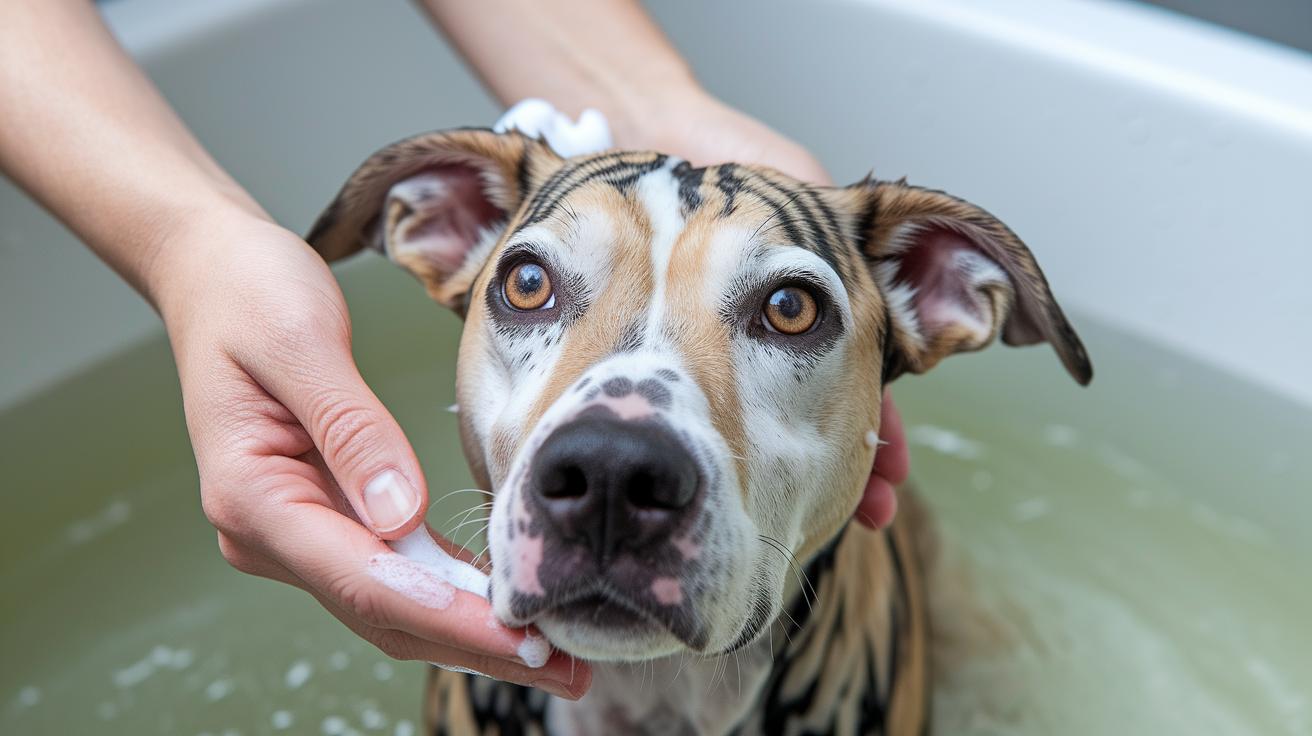
Before you wet your dog's ears, gently place a cotton ball in each ear canal. This little step stops water from getting in and helps prevent irritation.
Use a soft, damp cloth or pet wipes to carefully clean around your dog's eyes and muzzle. Do it slowly to keep your pet comfortable.
Lift one paw at a time, rinse off any dirt, and then gently pat it dry. This keeps the paws clean and free of excess moisture.
Place a non-slip mat in the bathing area so your dog stays safe on the wet floor.
Picture softly dabbing your dog's face with a cloth, much like wiping off crumbs from a favorite toy. When cleaning their ears and other delicate spots, use gentle strokes. This care makes your dog feel secure and keeps them comfortable during bath time. If you're unsure about the best way to handle these sensitive areas, check out expert grooming tips at home pet grooming.
Post-Shower Drying and Care in Your At-Home Dog Shower
Start by grabbing a large, soft towel and gently pressing it against your dog's wet coat to soak up the water. If you choose to use a low-heat blow dryer, keep it at least 12 inches away from the fur to ensure safety while speeding up the drying process.
Next, focus on the undercoat, especially important for dogs with thick or double layers, to help prevent chills and tangles. Picture softly wiping a damp towel along your dog's belly to keep them cozy.
Once drying is complete, offer lots of praise and a tasty treat. A few kind words and a snack make the whole process a positive experience for your furry friend.
Finally, take a moment to tidy up the shower area. Remove any fur that may have clogged the drain, discard any drain cover materials, and wipe down the floor and hose to prevent mold from forming.
Following these steps helps your dog stay comfortable and makes bath time a calm, enjoyable part of their routine.
Final Words
In the action, you learned to prep your space, gather supplies, and brush out loose hair before starting. You got clear tips on setting water temperature and lathering your dog with care. The guide walked you through cleaning ears, paws, and sensitive areas, and finished with safe drying techniques. This approach shows exactly how to give a dog a shower at home while keeping your pet calm and comfortable. Enjoy the process and celebrate each step toward a happier, healthier pet.
FAQ
How do I shower my dog at home?
The dog shower at home process starts by gathering supplies, brushing to remove mats, and using lukewarm water (around 90°F). Introduce your pet to a dry tub first and add water slowly with treats.
How can I give my dog a bath if they hate water or might freak out?
The dog bath for water-averse pets involves a gentle approach. Let your dog explore the tub dry, then gradually add lukewarm water while offering treats to help calm and encourage them.
How do I give a dog a bath without using traditional dog shampoo or much water?
The waterless dog bath method uses alternatives like a DIY baking soda mix (baking soda with water) or pet wipes. This approach minimizes water use while still cleaning your dog effectively.
What is the 90/10 rule for dogs?
The 90/10 rule for dogs means that 90 percent of the bath solution should be water while only 10 percent is dog-safe shampoo or cleaning agent, ensuring the coat is thoroughly rinsed and gently cleaned.
How do I give my dog a bath outside?
The outdoor dog bath setup involves finding a safe, contained area with a non-slip surface, using available water sources, and following the same calm, step-by-step bathing process as you would at home.