



Have you noticed your pet acting a bit different lately? During the pandemic, our furry friends got used to having us around all the time and formed strong bonds. Now that our daily routines have changed, many dogs are pacing and cats are hiding when left alone. These new behaviors might mean they are feeling a mix of emotions. The good news is that by understanding these changes, we can find ways to help our pets feel safe and comfortable again.
Recognizing Post Pandemic Pet Behavior Changes
During the lockdown, our pets grew used to having us around all day. In 2020, Americans ended up spending about two extra hours at home, according to the 2022 American Time Use Survey. This extra time helped our pets form a deep bond with our presence. Now that many of us are returning to our busy routines, some pets are showing signs of stress when left alone.
A recent 2024 analysis by Colleen Kilday shows that even 15 months after lockdown began, many pets struggle with shorter time apart from their owners. Pet parents are noticing changes in behavior. For example, dogs that once waited happily may now pace, whine, or even have accidents indoors if left alone too long. Similarly, cats, who once enjoyed a quiet spot, might now hide or pull away from interaction. These behaviors are clear signs that the lockdown has changed how our pets handle separation.
It’s not just about new schedules, our pets are also adjusting emotionally. Short, regular breaks can help them learn to be okay on their own again. Pet owners can slowly change their routines to ease these feelings of anxiety. Recent surveys and animal welfare data support these observations, showing that many pets are still working through their post-pandemic stress.
Identifying New Anxiety and Stress Signals in Post Pandemic Pets

Many pets that joined your family during lockdown or were born in that time now feel stressed as their routines change. For example, a dog used to constant company may become startled when left on its own. Vets have noticed more pets showing signs like growling at strangers, snapping when someone comes too close, or even bursts of wild energy followed by a quiet, sad state. These reactions often come when pets feel unsure about their new routines.
Some pet owners also report that their furry friends bark more than usual or have accidents indoors. This shows that a pet might not be ready for long bouts of alone time. Using a camera to check on your pet can help you spot any early signs of stress. Recognizing these behaviors is key to helping your pet slowly adjust.
- Excessive vocalizing
- Destructive chewing
- Accidents inside the house
- Growling at people
- Snapping when startled
- Pacing or restlessness
Post Pandemic Pet Socialization Differences Among Dogs and Cats
After many quiet months at home, our pets seem to be behaving a bit differently when it comes to socializing. Experts say it is best to slowly reintroduce social time with calm, short walks, controlled visits with relaxed people, and gentle introductions to other pets. Dogs might hesitate before joining in at dog parks, and even greet familiar faces with caution. They often stay on the sidelines until they feel comfortable again. Meanwhile, cats may find a cozy hiding spot or settle into a quiet corner until they trust that meeting others is safe.
Using positive reinforcement (rewarding pets with treats and gentle pats) can help both dogs and cats slowly feel at ease in social settings. This kind, patient approach gives them chances to build their confidence little by little through safe, repeated interactions.
| Socialization Type | Dogs’ Behavior Post Pandemic | Cats’ Behavior Post Pandemic |
|---|---|---|
| Human Interaction | Cautious greetings, hesitant approach | Hiding or minimal contact |
| Intra-species Play | Reserved during play, seeks familiar companions | Limited playful engagement, prefers solitude |
| Multi-species Introductions | Uncertain, slow to interact with other animals | Avoids new animal friends initially |
These changes show that both dogs and cats need a gentle approach to reconnect and feel secure with social interactions again.
Changes in Exercise and Play Routines After the Pandemic

When lockdown began, many pets found themselves in new routines. With owners working from home, the regular walk times and play sessions changed. Now that daily schedules are shifting back, many dogs and cats seem unsure about returning to their old habits. For instance, a dog that once enjoyed a calm walk around the block might now appear hesitant or distracted when taken out at the usual time.
Animal experts explain that these sudden changes can add both physical and mental stress to our pets. One helpful tip is to use enrichment tools to get them moving and thinking. Enrichment toys, like puzzle feeders and scent games (which let pets search for hidden treats), mimic the natural way our pets forage for food. Simple activities such as chasing a dangling toy or a laser pointer can gently boost a cat’s activity, while a new ball or a game of fetch can spark a dog’s interest.
To help your pet adjust, start with short, structured play sessions. Gradually increase the playtime as your pet becomes more comfortable. You could try taking different routes on walks or introduce food puzzle games to add variety. This slow and steady approach keeps your pet from feeling overwhelmed by sudden changes in their routine.
post pandemic pet behavior changes spark joy
During lockdown, many pets' feeding and resting habits changed a lot. With owners working from home, pets began nibbling on food all day or even skipping meals since their routines got mixed up. Some pets started eating at odd hours, leaving the old schedule behind. Puzzle feeders now help out by making mealtime fun and keeping pets busy while easing stress.
Many pet owners also noticed that their pets had different sleep patterns. Some furry friends refused to wake up early and chose to sleep in, while others napped too much because their day was out of sync.
A regular daily schedule can help bring back stability. Try small changes like offering meals at the same time each day and setting up a quiet space just for your pet. Gradually reintroducing set meal and playtimes can help your pet settle into a happier, more predictable routine.
Managing Separation Stress as Pets Return to Alone Time
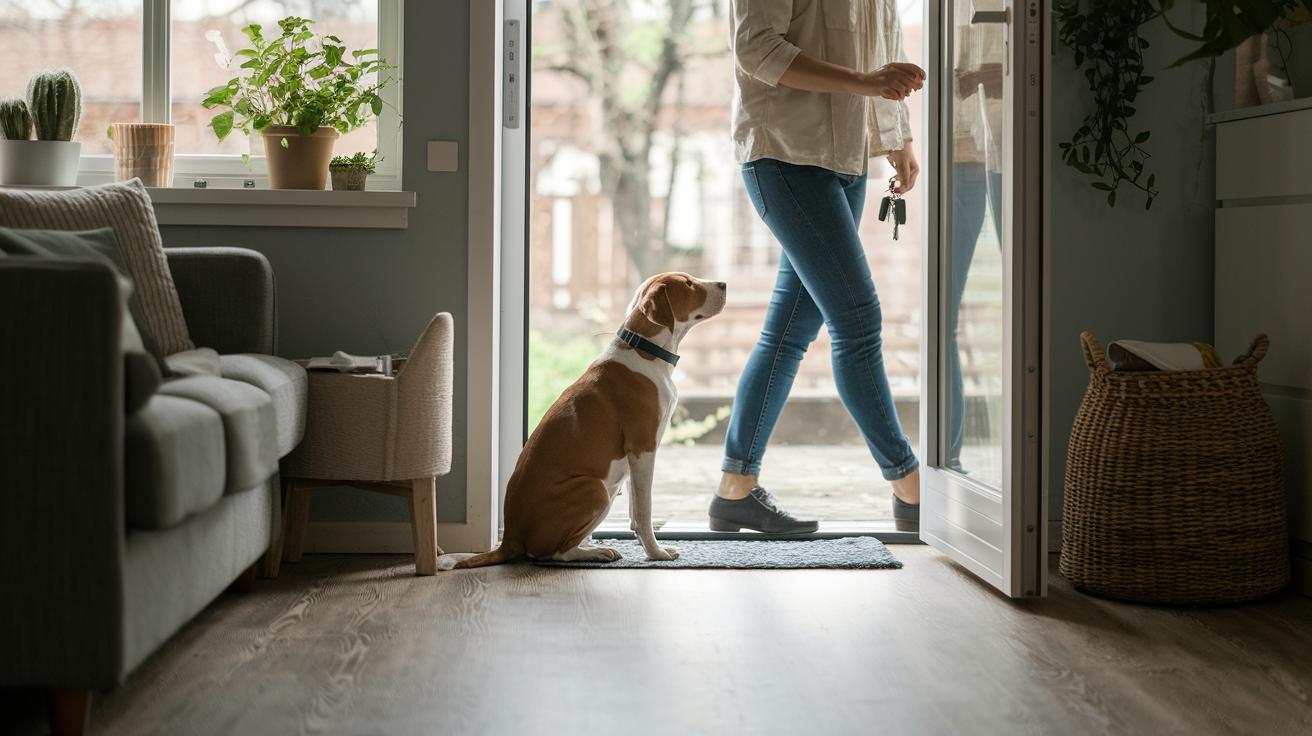
When your daily routine changes and your furry friend must spend time alone, taking small, gradual steps can help ease their worries. Before you head out, let your pet use the bathroom to lessen any discomfort and signal that it's time for a short break.
It helps to keep an eye on how they're doing. Try setting up a camera on your smartphone, tablet, or laptop to spot signs of stress like too much barking or pacing. Start with leaving your pet alone for just a few minutes and slowly increase the time over several weeks. This gentle method shows them that being alone is safe.
Remember, using harsh tools like e-collars or bark collars is not the answer. These can make your pet more anxious instead of solving the problem. Instead, focus on positive interactions and, if needed, consider getting professional advice. If you have long days away, think about hiring a dog walker, a pet sitter, or even bringing your pet along on errands when possible.
Stick to a routine by checking in regularly and adjusting alone time little by little. With patience and care, your pet can learn to enjoy quiet moments at home.
Veterinary Behavior Insights and Post Pandemic Care Recommendations
Since 2020, vets have noticed more pets showing anxious and aggressive behavior. Many pets now growl defensively, snap, or act extra alert when meeting new people. These signs remind us that our furry friends felt the stress of long lockdowns and still struggle with lingering anxiety.
Veterinary clinics are offering new ways to help. Many pet owners are trying non-medicine options like pheromone diffusers (devices that spread soothing scents), calming chews, and over-the-counter anxiety supplements for mild cases. If these steps aren’t enough, your vet might prescribe medicine to steady severe symptoms. Some clinics even offer wait-in-car appointments so pets can skip the stressful waiting room.
If your pet’s behavior doesn’t get better, it’s a good idea to see a behavior specialist. A specialist can figure out if your pet’s stress comes from past experiences or from sudden changes after the lockdown. If you notice sudden irritability or more aggression, talk to your vet about extra therapy options. Watching your pet’s daily actions can help catch these signs early and create a safer, more comforting routine.
Reviewer: Dr. Emily Hart, DVM (Reviewed on 10/05/2024)
Final Words
In the action, we examined how our pets adjusted after lockdown. We touched on shifts in exercise and feeding routines, new anxiety symptoms, and differences between dogs and cats. We also explored steps for easing separation stress and shared tips from veterinary experts.
Our discussion on post pandemic pet behavior changes helps you understand why these adjustments occur and offers clear steps to support your furry friend. Keep a positive outlook as you help your pet settle into new routines and enjoy a safer, happier life.
FAQ
What are common post-pandemic pet behavior changes?
Post-pandemic pets often show shifts in behavior including separation anxiety, changes in play and exercise routines, altered feeding habits, and rest patterns as they adjust from lockdown constant company to more independent time.
How can I recognize anxiety and stress signals in my pet after lockdown?
Recognizing anxiety in pets means watching for signs such as excessive vocalizations or changes in behavior. Common symptoms include:
- Excessive vocalization
- Destructive chewing
- Indoor accidents
- Growling or snapping at strangers
- Hiding or withdrawal
- Increased reactivity during interactions
What differences exist in post-pandemic social behavior between dogs and cats?
Dogs and cats show varied social behavior changes. Below is a table that outlines how each species reacts post-pandemic:
| Socialization Type | Dogs’ Behavior Post Pandemic | Cats’ Behavior Post Pandemic |
|---|---|---|
| Human Interaction | More hesitant, seeking reassurance | May hide or avoid frequent contact |
| Intra-species Play | Taken time to reengage in group play | Less interactive, preferring solitude |
| Multi-species Introductions | Show caution around unfamiliar animals | Usually avoid or retreat from met animals |
Why have pet exercise and play routines changed post-pandemic?
Many pets lost regular walking schedules during lockdown and now struggle with pre-pandemic routines. Enrichment tools like puzzle feeders and scent games help reengage both physical activity and mental stimulation.
How have feeding and rest patterns shifted for pets since the pandemic?
Lockdown led to irregular meal times as pets grazed at home and altered their sleep cycles. Today, using structured meal routines and gradual changes helps reestablish healthy feeding and rest habits.
What can I do to manage separation stress as my pet returns to more independent time?
Managing separation stress starts with short periods apart, ensuring your pet relieves itself before you leave, and gradually extending alone time. Tools like pet cameras and professional sitters can also help ease anxiety.