

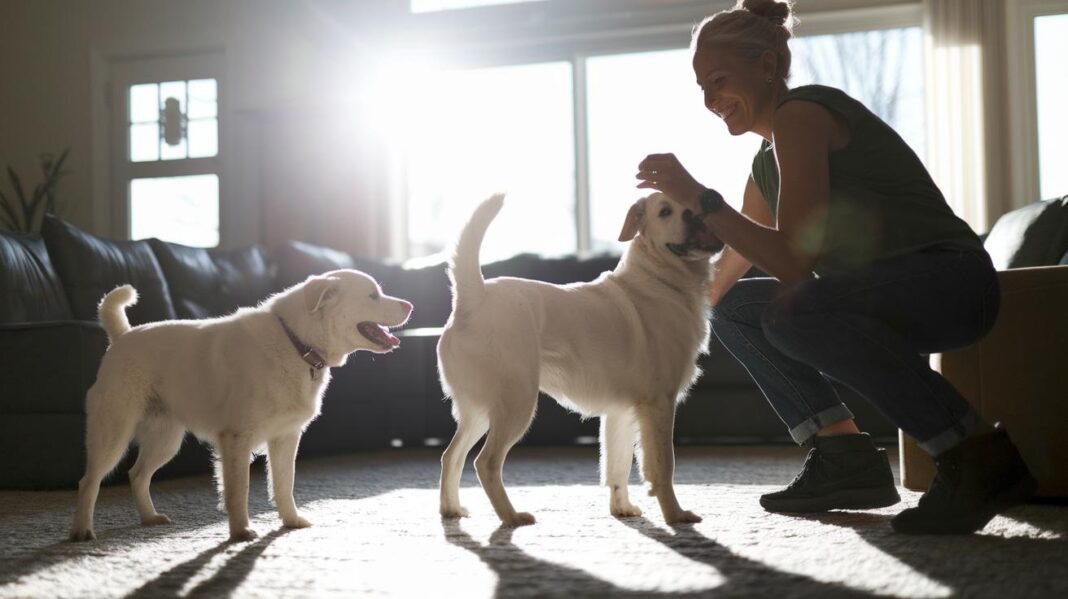

Have you seen your pet light up after learning a new trick? Fun pet training does more than entertain. It helps you build a strong bond and boosts your pet's confidence. A friendly high five or a playful spin can turn an everyday moment into a fun mental workout. In this post, you'll learn how simple gestures and repeated, low-stress practice can make your pet feel safe, loved, and happy.
How Fun Pet Trick Training Methods Spark Engagement and Learning
Starting trick training early with your puppy or kitten builds a strong bond while sharpening big skills like recall. Simple tricks like a gentle paw shake or a playful sit create a foundation of trust and joy. This turns everyday play into a special time for connection, making your pet feel safe and loved from day one.
Low-stress repetition helps your pet learn human cues. Use treats, kind words, and clear gestures so your pet quickly picks up commands like "high five" or "spin." Doing these steps in a calm setting makes learning feel like a fun game. It can even feel like a mini celebration for you both.
Fun trick training also gives your pet important mental exercise and helps boost focus. Small challenges with steady rewards encourage your pet to concentrate on the task and ignore distractions. This playful practice not only sharpens their attention but also makes each training session a joyful experience that strengthens your bond.
Step-by-Step Fun Pet Trick Training Methods: Teach 8 Engaging Tricks
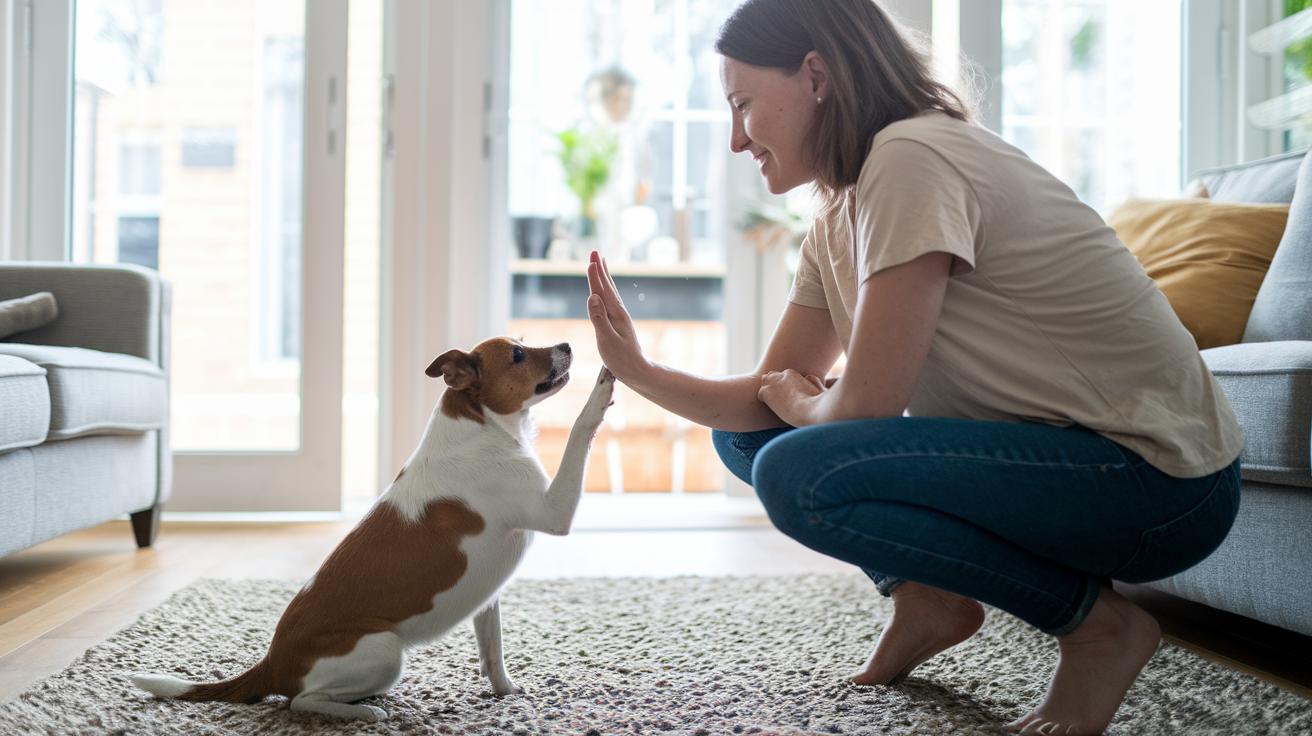
Start by teaching your pet these eight fun tricks using simple words and clear signals. Use short phrases and a steady hand gesture to show what you mean. Keep each session upbeat so your pet learns happily.
- High Five: Show your hand and say "high five." When your pet taps your hand with its paw, give a treat right away.
- Spin: Move your hand in a circle while saying "spin." Guide your pet through a full turn, then praise and treat them.
- Play Dead: Say "bang" and make a light finger-gun gesture. Encourage your pet to lie gently on their side and reward the calm move.
- Fetch Specific Items: Hold up the item and say "fetch." When your pet brings back the correct object, offer lots of praise.
- Open & Close Doors: Gently guide your pet to push or pull a door with their nose or paw. Use words like "open" or "close" and reward any effort.
- Wave: Lift your hand slightly to invite a wave. When your pet lifts a paw, mark the action with a treat.
- Back Up: Stand facing your pet and slowly step back while saying "back up." When your pet moves a few steps away, reward the movement.
- Sit Pretty: Help your pet sit on their hind legs by gently supporting them and saying "sit pretty." Ensure they balance well before giving a treat.
Regular practice helps you add small changes to these commands for more advanced tricks. These fun sessions keep your pet's mind active and strengthen your bond over time.
Applying Positive Reinforcement in Fun Pet Trick Training Methods
When you use positive reinforcement with tasty treats and clear cues, your pet feels happy and ready to learn. A favorite treat or a clicker helps mark every success, so your pet quickly understands that their action brings a reward. This friendly approach makes training feel like a fun game.
Regular, stress-free practice teaches your pet to control impulses and master new tricks. Mixing kind words with yummy treats and clear signals creates joyful moments that boost your pet’s confidence and learning.
Interactive Lure Reward Programs
Try using a favorite toy or treat to guide your pet. Hold a treat and slowly move it to show the right steps. This method helps your pet follow along and learn the trick smoothly.
Innovative Treat-Based Learning Schemes
Choose different types of treats and give them at just the right moment. Small, soft treats work great. They encourage quick actions and help your pet understand the behavior with immediate praise.
Interactive Signal Response Strategies
Pair simple spoken cues with hand signals to give clear commands. If you use a dog clicker, pick one with a clear sound. This extra tip builds steady responsiveness and makes training more consistent.
Mixing treats, clicker feedback, and gentle guidance can turn every training session into a joyful learning time. Try different methods and watch your pet’s skills grow. Remember, keeping things consistent helps your pet learn at their own pace.
Pet-Specific Fun Pet Trick Training Methods: Custom Tricks for Different Pets

Dogs
Begin by teaching your dog a simple spin or a high five. Hold a treat in your hand and slowly move it in a circle. Use a clear word like "spin" as your dog follows the treat. You can also set up a few weave-pole weaves or a small agility tunnel for your puppy. These fun games build body skills and make your bond stronger.
Cats
Invite your cat to try a target touch trick. Place your favorite treat or toy on a low surface and encourage a quick paw tap. Try balancing challenges on a kitten perch too. This game helps sharpen focus and adds moments of playful success.
Rabbits
Help your rabbit learn a hoop jump by gently guiding them with tasty treats. You can also create a little obstacle course in a safe space. These activities boost agility and keep your rabbit's curious mind busy.
Rodents
Set up a mini maze for your rodent and use a tiny piece of food as a target. This small maze run challenges their quick thinking and improves their natural movements. Repeating these fun, low-stress exercises will build their confidence over time.
Birds
Teach your bird to step up by gently encouraging them onto your finger or a small perch. Use calm, simple words and small treats to reward their action. This clear routine helps build trust and mental alertness.
Exotic Pets
For special friends like ferrets or small reptiles, try a fun game of fetch or a little tunnel run. Keep sessions short and filled with positive energy. These playful tasks match their natural interests and help strengthen your unique bond.
Safety Tips for Fun Pet Trick Training Methods
Start every pet trick training session with safety first. If your pet has any health issues, be sure to talk to your vet before you begin. This simple step helps make sure that tricks like Sit Pretty or Dance won't cause any harm.
Choose a quiet, safe spot where nothing can get in the way. Use soft, calm guidance when you introduce new moves to your pet. If your pet is still recovering from an injury or has shorter legs, it’s wise to check with your vet and adapt the trick. Adjusting how hard or fast you work can help protect your pet’s joints and muscles.
Keep each training session brief, about 5 to 10 minutes. Watch your pet closely for signals like yawning, lip-licking, or pacing. If you see these signs, take a break or wrap up the session early. Short sessions help prevent fatigue and keep your pet excited and safe during training.
Video Resources for Fun Pet Trick Training Methods

Check out over 300 videos that show fun pet tricks in action. You can search by trick name such as "spin tutorial dog" or "kitten balance" to quickly find a video that matches your pet's level and type. Each video offers a step-by-step guide so you can easily follow along and try the trick with your pet using clear and steady cues.
Watch these videos and then practice live with your pet. Seeing the trick in action, and then trying it together, helps your pet learn faster. Short, focused sessions make training fun for both you and your pet, leaving you both happier and more confident.
Final Words
In the action, the blog showed how early training builds bonds and improves communication with your pet. The guide walked through step-by-step fun trick routines and positive reinforcement techniques that spark focus and excitement. It shared clear safety tips and video resources for a hands-on approach. Using fun pet trick training methods, you can create a spirited, confident learning environment for your pet. Enjoy the process and celebrate every small win along the way.
FAQ
What unique dog tricks can I teach my dog?
Unique dog tricks include playful spins, funny high-fives, and even a dramatic play dead. These tricks help build a strong bond while keeping your pet mentally engaged and physically active.
What are fun tricks to teach my dog for beginners and kids?
Fun tricks for beginners and kids might include simple commands like sit, shake, and high-five. They are easy to learn and create enjoyable training sessions for both children and pets.
How can I teach my dog easy tricks in one day?
Easy tricks can be taught in one day by focusing on simple commands with clear steps, using treats and repetition to keep sessions short and stress-free.
What are some advanced tricks to teach my dog?
Advanced tricks such as playing dead, backing up, or opening and closing doors challenge your dog and require more focus. These skills build on basic commands and improve overall communication.
What are the three C’s of dog training?
The three C’s of dog training are consistency, clarity, and calm. Consistent practice, clear cues, and a relaxed approach make training more effective and enjoyable.
What is the 1/2/3 dog training method?
The 1/2/3 dog training method breaks learning into three simple steps: introduce a clear command, quickly follow with an action, and then reward after three repetitions to reinforce the behavior.
What’s the hardest dog trick to teach?
The hardest trick is often the one that tests your dog’s balance and focus. Tricks that involve complex maneuvers or multiple steps challenge even the most attentive pups.