



Have you been wondering how to bring a pet into your life? Rehoming or adopting a pet is about more than just feelings. It involves cost, care, and making sure that your pet’s needs match your lifestyle. Some people pay fees to get a specific breed, while others choose to give a home to an animal in need. Either way, making a careful choice not only benefits your family but also helps free up shelter space for more animals.
Weighing Rehome vs Adoption: Key Decision Factors
When you're choosing between rehoming and adoption, think about both the costs and the care details. Most shelters charge an adoption fee of about $50 to $150. This fee usually covers spay/neuter and basic shots. By comparison, buying a puppy from a breeder can cost anywhere from $800 to $2,000 because you know their breed and family background. Plus, adopting helps clear space in shelters so another pet can have a chance at a loving home. Many adopted pets even come house trained, even when their breed mix isn’t clear.
Shelters carefully check to see if you and the pet are a good match based on your lifestyle and the pet’s needs. Sometimes, if the match isn’t right, the application might be declined. Over 4 million dogs and cats get adopted every year in the U.S., and around 800,000 pets are reunited with their families through microchips (small devices placed under the skin for identification). In the end, the decision comes down to how much you’re ready to invest financially and if you can meet the pet's care requirements.
Here are some key points to keep in mind:
- Cost differences and fees
- Known versus unknown breed background
- The pet’s age and training history
- Health condition and vaccination records
- Whether your home environment is a good fit
- How the shelter or breeder screens potential adopters
Choosing between rehoming and adoption is a personal decision. It’s all about matching your financial situation and lifestyle with the pet’s needs while promoting responsible animal care.
Matching Pet Needs to Lifestyle for Successful Rehome or Adoption

Rescue profiles share key details about a pet’s nature and needs. They talk about energy levels, how social the pet is, and even signs of anxiety (feeling nervous or uneasy). For example, a very energetic pet might need lots of outdoor play and regular exercise, while an older, calmer pet may do best in a quiet spot. A home with a yard or a good-sized room can really help.
It’s important that your daily routine fits with your pet’s care needs. Feeding, grooming, and play should slip easily into your day. If you’re always busy, a pet that needs less exercise might be a better pick. But if your family loves long walks and outdoor fun, a lively pet might be the ideal match. Think of it like fitting together the perfect puzzle pieces.
Family readiness counts too. Consider how a pet’s behavior will mix with your children, roommates, or other animals at home. Rescue centers often list extra support like training or medical care, so check those details carefully. When a pet's needs match your living space and routine, everyone adjusts much more easily.
Financial Planning in Rehoming vs Adoption
When you adopt a pet from a rescue, you usually pay between $50 and $150. This fee often covers important care like spay/neuter surgery and basic shots. Buying a pet from a breeder, however, can cost from $800 to $2,000. This higher price tag covers pedigree checks, health tests, and making sure the breed stays true to type. For many pet owners, these numbers can really tip the scale one way or the other.
Pet insurance can also help manage costs down the road. There are several plans to choose from, such as Accident Only, Time Limited, Max Benefit, Lifetime, Puppy/Kitten, and Older Pet plans. Most plans cover between 70% and 90% of vet costs after you pay a small fee (a deductible). It might help to look at a pet insurance comparison chart for more details.
Don’t forget about regular expenses. Food, routine vet check-ups (around $200–$400 a year), and grooming are all part of the cost of keeping a pet healthy. It’s also smart to set aside an extra $500–$1,000 for emergencies. Planning your budget now can make sure your pet gets the care it needs for years to come.
Health and Behavior Assessments for Prospects in Rehome or Adoption
Medical History Review
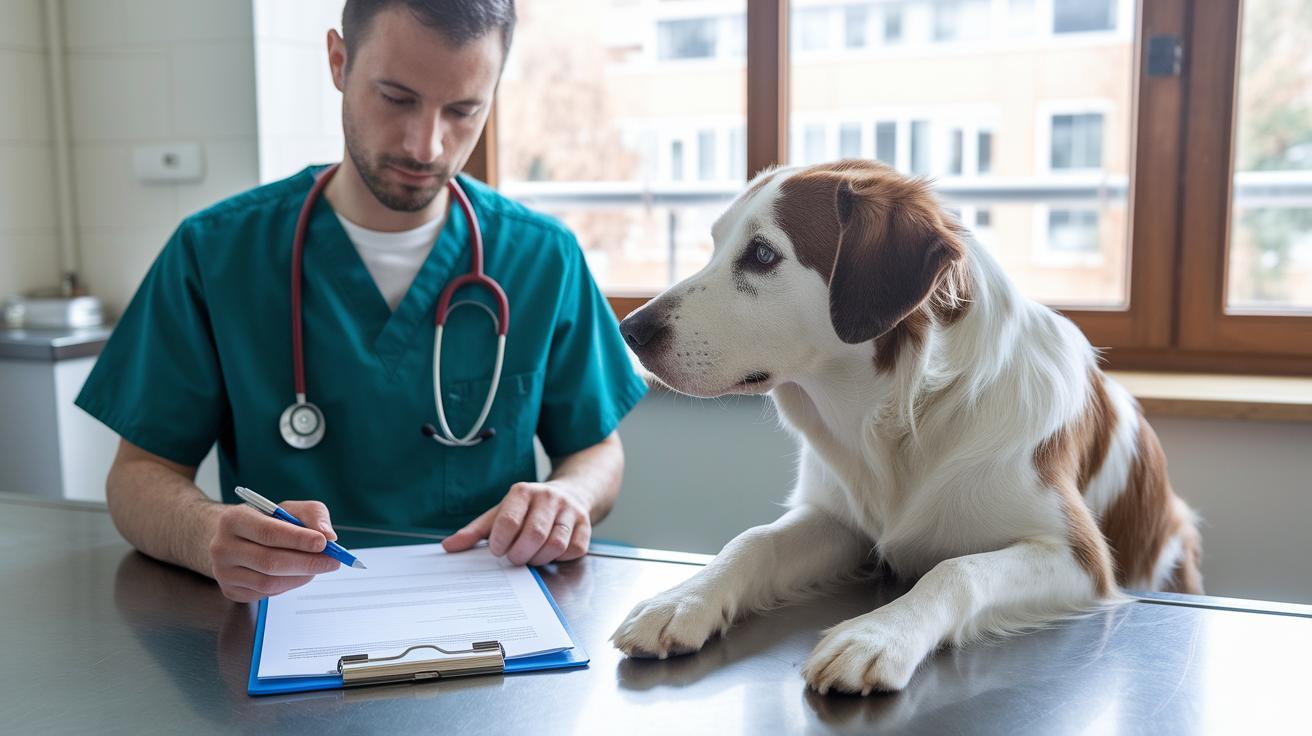
Rescue centers do full check-ups to make sure each pet’s medical record is in good shape. They verify if a pet has been spayed or neutered and review the vaccination list to ensure basic shots like rabies and distemper are up to date. They also check records of parasite treatments and note any signs of inherited health issues. For example, a shelter might say, "This pup’s vaccination log and deworming records are current." Vets also look for genetic problems that might need special care in the future. Rehoming contracts often require follow-up visits to the vet and behavior guidance to catch any problems early.
Temperament and Behavior Testing
Shelter staff run simple tests to understand a pet’s personality and stress levels. They might use an anxiety scale to see how a pet handles new situations. They also observe how pets act during play or when meeting others. For instance, staff might note, "The cat seems a bit anxious when meeting new people but calms down with gentle play." These observations help match the pet with a home that suits its personality and lifestyle.
| Assessment Type | Purpose | Conducted By |
|---|---|---|
| Medical History Review | Check spay/neuter status, vaccinations, and parasite treatments | Veterinarian |
| Temperament Testing | Look at anxiety, aggression, and social behavior | Shelter Staff |
Navigating Legal and Ethical Frameworks in Pet Rehome or Adoption
Legal contracts and rehoming agreements are key parts of pet adoption. They set clear rules so everyone knows their role and helps stop pets from ending up in crowded shelters if owners cannot care for them. Many services charge a small fee to check that an adopter is serious. This fee makes sure expectations are clear from the start and helps keep the pet happy over the long run.
The screening process checks that the pet will have a safe and loving home. Often, this means a quick home visit and a background check. Adopters are asked about their daily routines and home setup to see if it matches the pet’s needs. This process catches any early challenges so the pet’s new home fits its personality and special care requirements.
Shelters follow strict rules set by local authorities. These rules require health checks and the proper legal documents before a pet is adopted. By sticking to clear guidelines and keeping good records, ethical shelters build trust with adopters and the community. This transparency helps ensure every pet goes to a home that meets legal standards and offers caring treatment.
Preparing for a Smooth Transition in Rehome and Adoption

Moving your pet to a new home can be a big change for everyone. With a bit of careful planning, you can help lower stress for both your pet and your family. Using familiar items can make a huge difference. Items like the same food and water bowls, favorite toys, and a cozy bed help your pet feel safe. Even keeping a small item like a blanket or a collar can offer comfort because it carries a familiar smell.
Introducing your pet to its new home slowly is another smart step. Spreading out the change over one to two weeks can lessen any anxiety your pet may feel. A short trial period, where your pet lives with the new family for a few days, can give everyone a chance to adjust and see if they are a good match. In addition, look for help from support groups or post-placement hotlines. These groups offer useful tips and advice on training and handling common challenges during the move.
Consider these simple steps for a smooth rehoming or adoption process:
- Provide familiar items like food bowls, toys, and bedding.
- Keep a small keepsake like a blanket or collar to comfort your pet.
- Introduce the new home over one to two weeks.
- Try a brief trial period to see if your pet and the new family are a good fit.
- Use post-placement hotlines and support groups for ongoing advice and training.
Final Words
In the action with weighing factors like cost, health, and legal considerations, this article helped break down the differences between rehoming and adopting pets. It highlighted matching a pet's needs with your lifestyle and setting a realistic budget. You read straight facts on behavior tests and transition tips to ease your pet’s new beginning. Keep this guide handy when you rehome or adopt a pet what to consider, so you can make choices that benefit both you and your new friend. Enjoy happy, healthy moments ahead.