

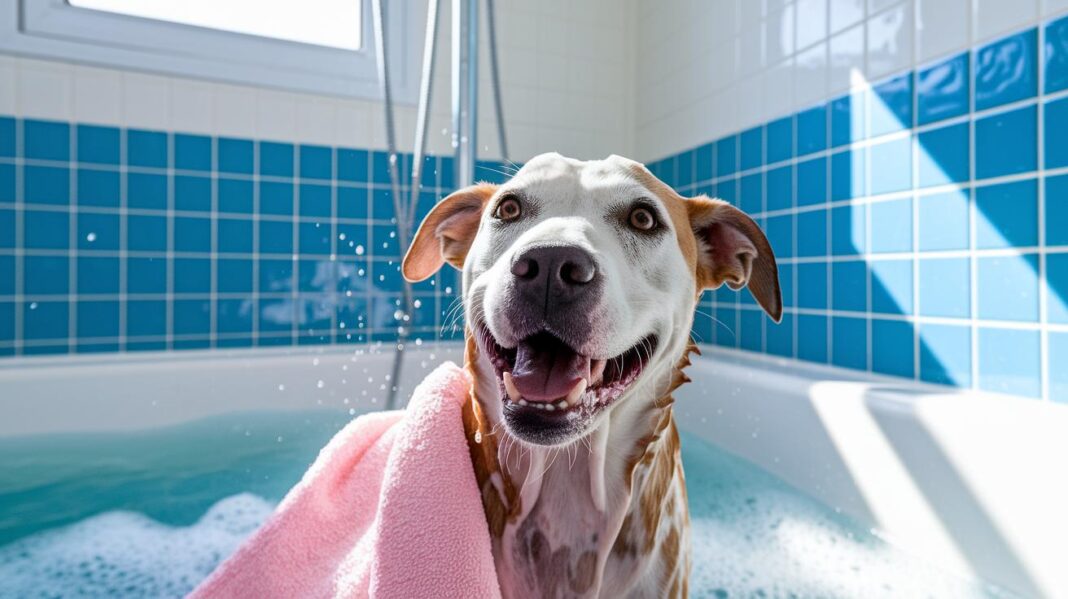

Ever wonder if your dog is getting too many baths? Many pet parents stick to a two-week routine, but your dog's coat and busy days might call for a different schedule. Bathing regularly keeps your dog clean and healthy, yet using the wrong shampoo or bathing too often can hurt their skin. This post breaks down the key things to consider so you can choose the best bath routine, keeping your pup feeling fresh and happy.
Determining Your Dog’s Ideal Bathing Frequency
Bathing your dog washes away dirt and helps keep their coat comfortable and clean. Most dogs are fine with a bath every two weeks, but this is just a starting point. Your dog's health, coat type, and daily activities can change how often they really need a wash. For example, dogs that love outdoor play or get dirty quickly may need more baths. Indoor dogs with less mess usually do well with fewer baths.
Weekly baths might work if you use a gentle, soap-free shampoo. This type of shampoo keeps your dog's natural oils intact so their skin stays moist and their coat remains shiny. Using regular shampoo too often can dry out their skin and cause irritation. Watch your dog's skin and fur after a bath; if you notice redness, dryness, or oiliness, you might need to change the bathing schedule.
Keep in mind there is no one-size-fits-all rule for dog baths. Breeds with heavy or double-layered coats might need less frequent baths but can benefit from regular rinses to remove loose fur and dirt. Meanwhile, dogs with sensitive or oily skin might require extra care with mild cleaning products. Always consider your dog's everyday needs and choose products that keep them healthy and happy.
How Health Conditions and Allergies Shape Bath Schedules
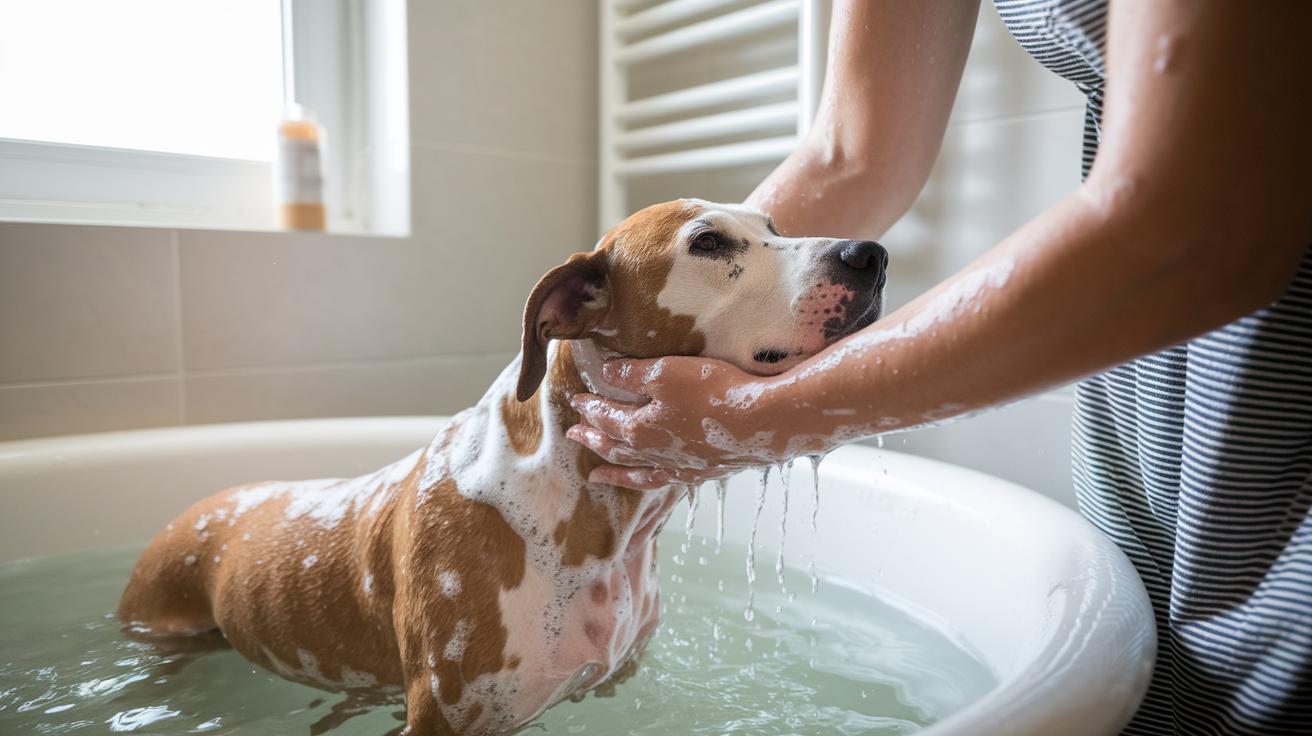
Regular baths help wash away allergens and soothe itchy skin for dogs with sensitivities. If your pup has a skin condition like dermatitis (inflammation of the skin), using oatmeal or medicated shampoo can ease irritation. A good bath can also reduce pollen and dander in their coat, making your pet feel better and your home cozier.
Bathing too often might harm sensitive dogs by stripping away natural oils. Without these oils, the skin can get dry, flaky, and more irritated. Instead of following a strict schedule, watch for signs like a noticeable odor, constant itching, or visible dirt. These cues tell you when it’s time for a bath.
Always choose gentle shampoos made for sensitive or allergic dogs. Products meant for delicate skin help keep natural oils balanced and protect the skin. Tailor your bath routine to meet your dog’s unique needs, ensuring they stay clean while keeping their skin safe and healthy.
Breed and Coat-Specific Bathing Intervals
Different breeds need different bathing schedules. For example, short-haired dogs like Beagles usually do well with a bath every 4 to 6 weeks. Their smooth fur picks up dirt quickly, especially if they love to play off-leash. Long-haired breeds such as Shih Tzus require extra care. They need a bath every 4 to 8 weeks and regular brushing to prevent painful tangles.
Sticking to these tips keeps your pet’s coat clean, soft, and tangle-free. A gentle shampoo without soap helps maintain natural oils, leaving the fur shiny and the skin healthy. The idea is to match the grooming routine with the coat type and your dog’s lifestyle.
Double-coated breeds like German Shepherds and Huskies do best with a different plan. They usually need 2 to 3 complete baths per year. In between, consider giving them a weekly rinse with a mild solution. This light rinse removes dirt without soaking the thick fur, so natural oils can still protect the skin. Sometimes, a professional groomer is the best choice for tackling mats and deep cleaning double-layered fur.
| Breed | Coat Type | Recommended Bath Interval |
|---|---|---|
| Beagle | Short-haired | 4–6 weeks |
| Shih Tzu | Long-haired (plus detangling) | 4–8 weeks |
| German Shepherd | Double-coated | 2–3 baths per year; weekly rinse |
| Husky | Double-coated | 2–3 baths per year; weekly rinse |
Puppy and Senior Dog Bathing Guidelines
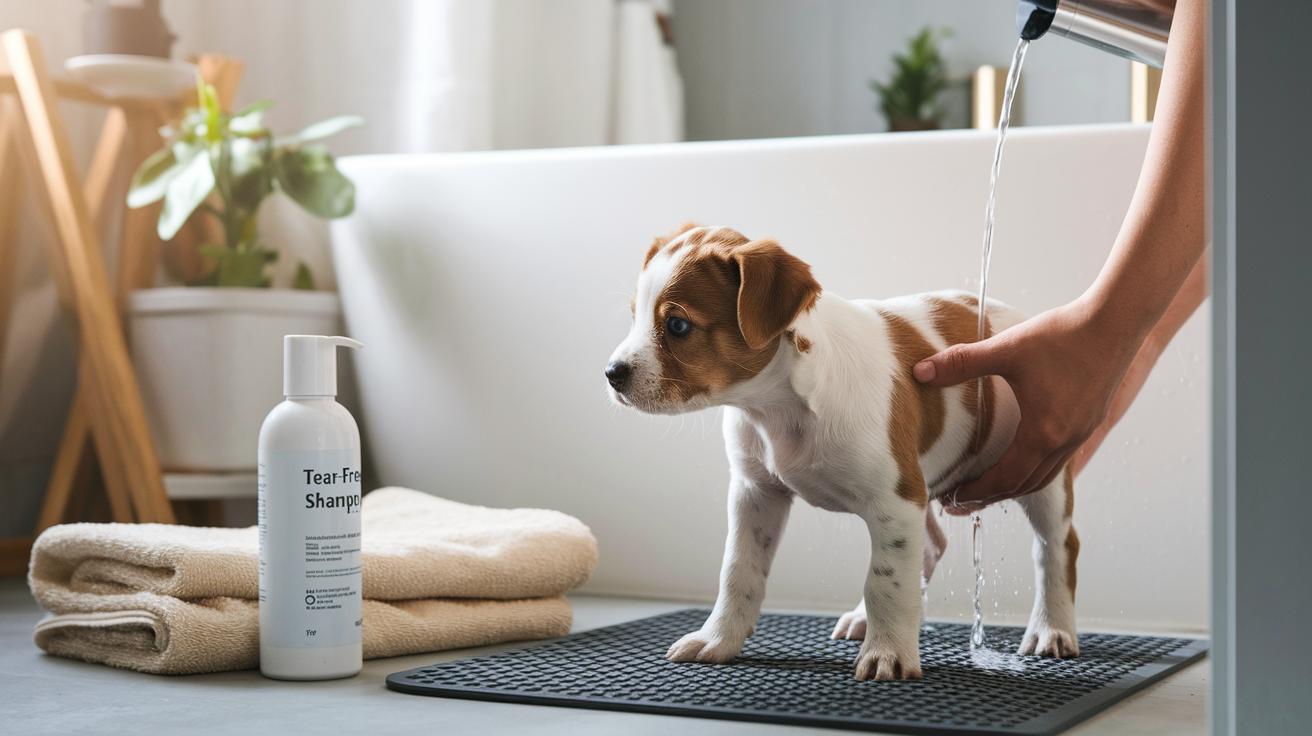
For young puppies, a bath every three to four weeks is just right. Use a tear-free shampoo that is gentle on their delicate skin. This mild product helps keep the natural oils intact and stops irritation in its tracks. Make bath time relaxed by using warm water and a calm approach. Remember, washing too often can wash away the oils that protect their skin. A soothing bath not only cleans but also helps build a happy, positive experience for your pup. Use a soft towel and keep the area peaceful so your puppy feels comfortable and secure.
For senior dogs, a bath every four to six weeks works well. Use warm water and gentle pressure during the wash, especially if your dog has arthritis or moves slowly. Keep an eye out for any signs of dry or irritated skin and tweak the routine as needed. A gentle bath can ease sore muscles and keep their coat and skin clean. Avoid using harsh detergents and choose a moisturizing shampoo made for older pets. Creating a calm and supportive environment during bath time will help your senior dog feel safe and cared for.
Seasonal and Lifestyle Factors in Dog Bathing
Bathing your dog depends on the season and their daily activities. In winter, give your pup fewer baths to keep their natural oils and skin moisture intact. For dogs with thick coats who love outdoor play, a lighter bath routine in cold weather prevents their skin from drying out. Indoor dogs can follow a gentler schedule and may only need spot cleaning on days they seem less dirty.
During summer and allergy season, extra baths might be needed. Warmer weather can bring more pollen, dirt, and allergens. Dogs that spend a lot of time outdoors, whether rolling in mud, swimming, or exploring, should have a bath soon after these fun outings to remove any irritants. If you notice a slight odor or see some visible dirt, it’s time for a wash.
Active, outdoor dogs need more frequent cleaning than indoor pets. Adjust your bathing schedule based on your pet’s daily activities to help keep their coat healthy and reduce the buildup of allergens and debris, keeping them fresh all year long.
At-Home Dog Bathing Routine: Step-by-Step Instructions
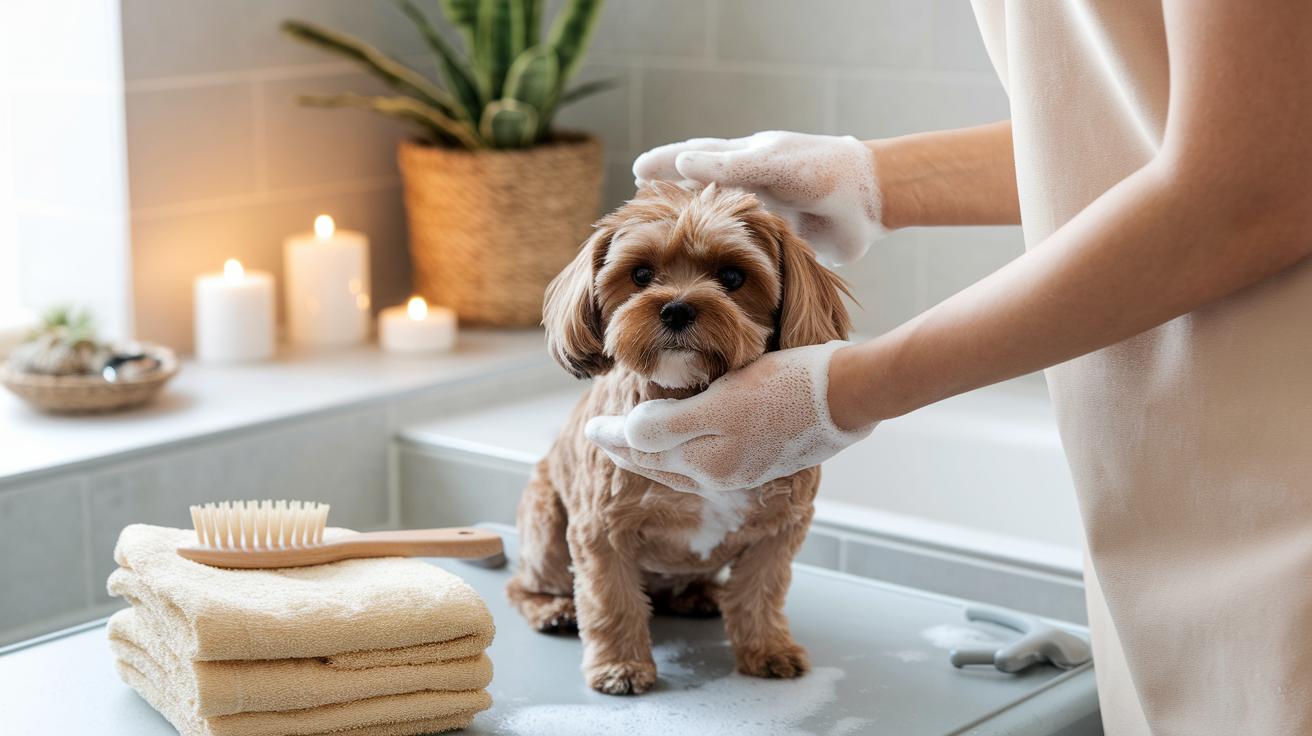
Start by choosing a calm, safe space where your dog can relax. Gather everything you need: a gentle shampoo made for dogs with allergies (a shampoo that won’t irritate sensitive skin), towels, and a brush. Setting up your space first helps make bath time feel secure and stress-free for your pet. This routine works well for both short-haired and long-haired dogs, if your dog has long fur, gently detangle while you bathe. Taking a few moments to prepare will make everything go smoothly. For more ideas on setting up your space, check out the "home pet grooming" guide at https://petsnewz.com?p=1123.
Follow these simple steps to give your dog a safe at-home bath:
- Get your area ready and collect your shampoo, towels, and brush.
- Brush your dog’s coat to remove loose hair.
- Wet your dog with warm water (comfortable, not too hot).
- Lather the dog shampoo from the neck down, massaging it gently.
- Rinse thoroughly to make sure no shampoo is left behind.
- For dogs with long hair, use conditioner and gently detangle.
- Dry your dog with a towel or a low-heat blow-dryer, then brush again.
These easy steps help keep your dog’s coat clean and reduce skin irritation, so your furry friend stays comfortable and fresh between baths.
Shampoo Choices and Preventing Over-Bathing Pitfalls
Your vet recommends products like Dermcare, Virbac, and Blackmore’s that clean your dog's coat while keeping its natural oils intact. These soap-free shampoos work gently to remove dirt without the harmful chemicals found in many cheaper brands. Oatmeal and aloe shampoos are especially helpful for dogs with sensitive or allergy-prone skin, as they soothe itchiness and ease irritation. Many pet parents say that regular use not only comforts their dog but also keeps skin moisture balanced, helping to avoid the dry, flaky skin that comes with over-bathing.
When picking a shampoo, look for labels that mention gentle formulas for sensitive skin. Vet-recommended products are designed to protect your pet's skin barrier while cleaning effectively. Frequent use of oatmeal and aloe shampoos can boost hydration and calm minor irritations. By steering clear of harsh detergent shampoos, you keep your dog's coat vibrant, healthy, and full of natural oils. Choosing the right shampoo means your dog stays clean, comfortable, and protected between baths.
Maintaining Cleanliness Between Baths with Brushing and Spot Cleaning
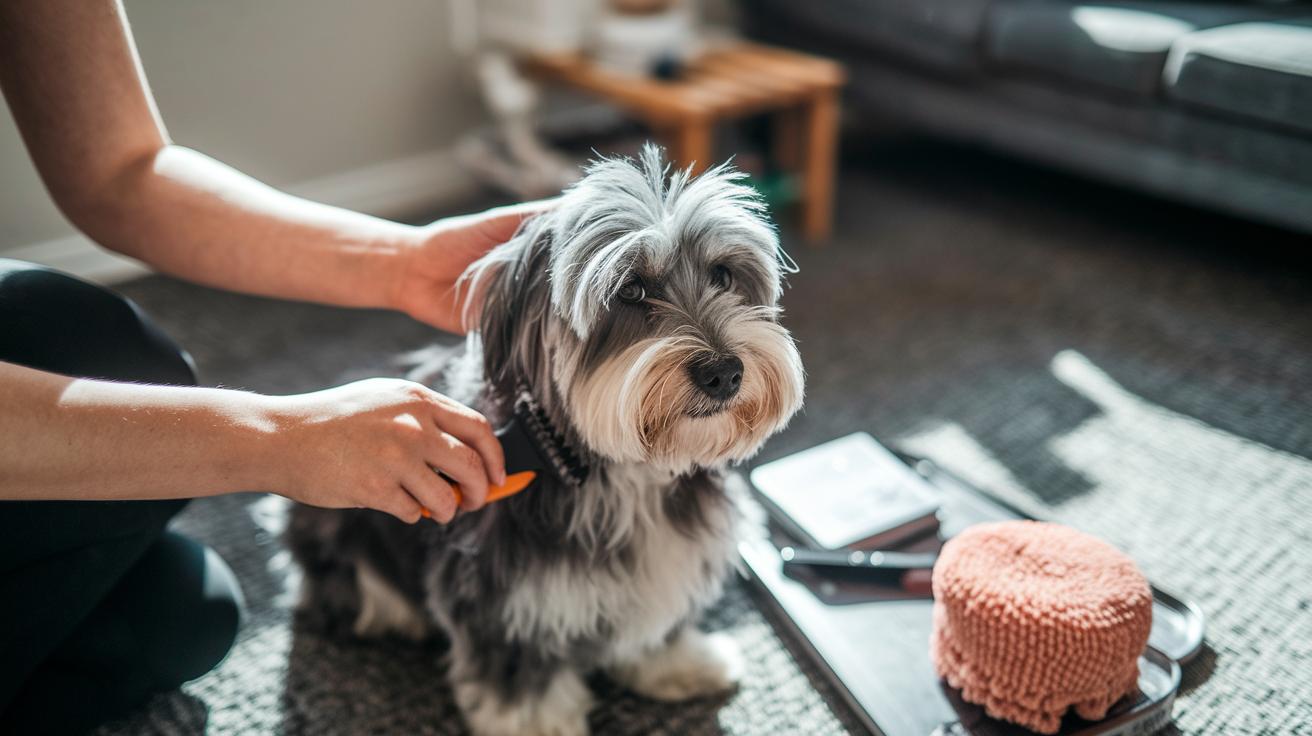
Keeping your dog clean between baths helps keep its natural oils intact and lowers the need for frequent full washes. Regular brushing is key. For short-haired dogs, brush them two to three times each week. Breeds with double coats may even need daily brushing during shedding time.
Spot cleaning is a great way to remove small patches of dirt and odor without stripping away the coat's natural protection. This step is especially important for pets with allergies or sensitive skin because it reduces the chance of irritation from too many baths.
Simple daily care makes a big difference in your dog's hygiene. Here are some quick tips:
- Brush short-haired dogs two to three times per week.
- Brush double-coated breeds every day during shedding.
- Use pet-safe wipes to clean paws and the face.
- Apply dry shampoo or cornstarch for a quick freshen-up.
- Try microfiber mitts to spot-clean without giving a full bath.
These routines help keep your pet comfortable and clean while preserving the natural oils that keep its fur shiny and skin healthy.
Final Words
In the action of planning your dog's grooming routine, you learned about tailoring bath schedules to each dog's health, coat, and lifestyle. The post covered everything from breed-specific routines to at-home bath tips and safe shampoo choices. It also explained seasonal and age-related adjustments while emphasizing how important it is to spot cleaning between baths. We hope you now have a clearer view on how often should you bathe a dog and feel empowered to keep your pet feeling their best. Keep making smart, loving choices.
FAQ
Can I bathe my dog once a week?
Bathing your dog weekly can work for some breeds using gentle, soap-free shampoos. The frequency depends on your dog’s coat type and skin sensitivity, as overbathing can lead to dryness and irritation.
How often should you bathe a dog, according to Reddit and general advice?
The frequency suggested by community advice is roughly every two weeks, but your dog’s lifestyle, coat, and sensitivity determine the best interval for regular baths.
How often should I bathe my Shih Tzu or my short-haired dog?
Shih Tzus may need baths every 4–8 weeks due to their long hair and grooming needs, while short-haired dogs typically benefit from baths every 4–6 weeks, keeping fur clean without stripping oils.
How often should I bathe my dog with skin allergies?
Bathing a dog with skin allergies often involves using oatmeal or medicated shampoos. The recommended frequency is less often, to remove allergens while retaining natural oils and preventing further dryness.
How often should I bathe my dog in winter or if he’s an indoor pet?
In winter or for indoor dogs, fewer baths are best. Reduced bathing helps preserve natural oils, minimizing the risk of dry, irritated skin while maintaining overall cleanliness with occasional spot cleaning.
Can I bathe my dog two days in a row?
Bathing your dog on consecutive days is generally not advised. Repeated baths in a short period can strip the skin of natural oils and lead to dryness and irritation over time.
What does overbathing a dog mean?
Overbathing refers to washing your dog too frequently, which removes essential natural oils from the skin. This practice can result in dry, itchy skin and potential irritation, so moderation is key.
What bathing schedule suits breeds like Mexican Hairless, Puli, Golden Retriever, German Shepherd, and Chinese Crested Dog?
The ideal schedule varies by breed. For instance, German Shepherds usually require fewer full baths, while Puli and Golden Retrievers might need more careful coat management; adjust intervals based on each dog’s specific needs.
How does the general advice on dog bathing apply compared to discussions on Reddit?
General advice and community discussions both recommend tailoring bathing frequency to your dog’s health, coat type, and activity level. Using a moderate schedule with gentle products generally works best for most pets.