


Have you ever wondered if you can clear up your pet’s dandruff using kitchen items? Many pet owners feel worried when they see white flakes on their furry friend’s coat, but there’s hope. You can actually try simple, homemade remedies to soothe your pet’s skin and help keep natural bacteria in balance, all without costly treatments.
In this post, we share easy tips like gently massaging with coconut oil and giving your pet an oatmeal bath (a mild, soothing soak). Try these down-to-earth ideas and enjoy watching your pet’s coat regain its healthy shine.
DIY Pet Fur Care: Top Natural Remedies for Dandruff
Natural remedies offer a simple, home-made way to treat your pet's dandruff. They help keep your pet’s skin soft, naturally moisturized, and support the good bacteria on their skin. Best of all, these treatments use everyday kitchen items and are easy on your wallet.
-
Coconut Oil Massage – Warm 1 teaspoon of coconut oil for every 10 lbs (about 4.5 kg) of your pet’s weight until it melts. Gently massage it into your pet’s fur for about 5 minutes. You should see improvement in 2 to 4 weeks.
-
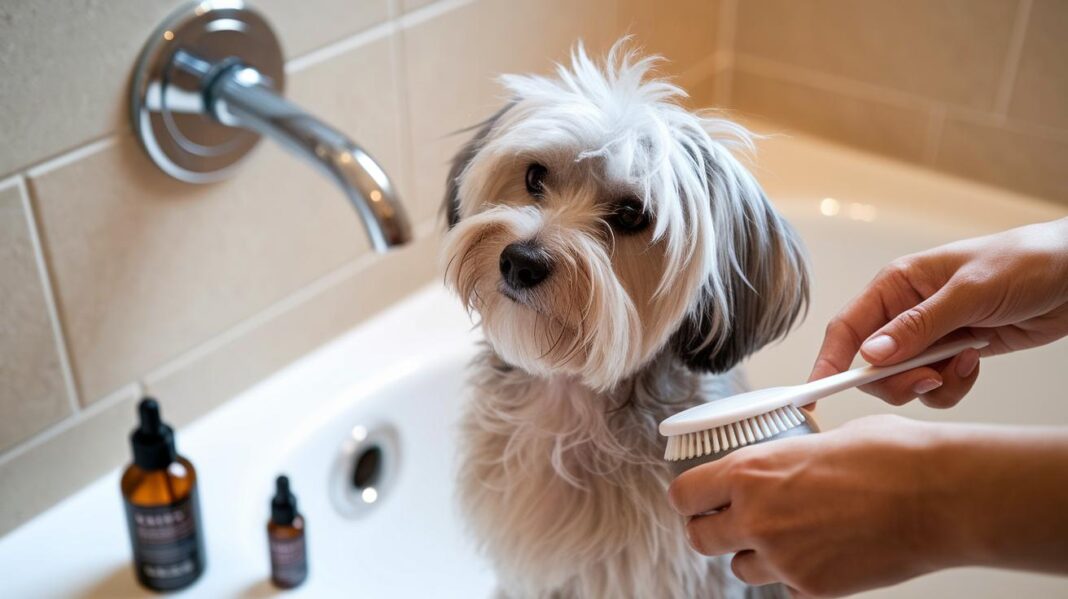
Oatmeal Soothing Bath – Grind 1 cup of plain oats into a fine powder. Mix the powder with warm water and bathe your pet for around 10 minutes. Use this soothing bath once a week to calm irritated skin.
-
Apple Cider Vinegar Rinse – Mix apple cider vinegar with water in a 1:3 ratio (one part vinegar to three parts water). Lightly spray this mix on your pet's dry fur, careful to avoid the eyes, and let it air-dry. This helps balance skin pH and offers a natural antibacterial boost.
-
Dietary Omega-3 Boost – Add 100 mg of fish oil for every 10 lbs (about 4.5 kg) of your pet’s weight to their meals. This helps improve their coat and moisturizes their skin from the inside out, with results usually seen in 4 to 6 weeks.
-
Indoor Humidity Increase – Use a cool-mist humidifier for about 6 hours daily or place water bowls near sunny windows. This adds moisture to dry air, helping to keep your pet’s skin hydrated every day.
Always do a small patch test before using any remedy on your pet. If you see any redness or irritation, stop right away. It may take 2 to 4 weeks to see improvements, so adjust treatments carefully and contact your vet if symptoms worsen. Keep a close eye on your pet and introduce new treatments gradually to avoid stressing their skin.
Root Causes of Pet Dandruff and Flaky Fur
Pet dandruff happens when dead skin cells fall off, leaving tiny white or gray flakes on your pet's fur, bedding, and other surfaces. This is more noticeable when your pet's skin loses its natural moisture.
Dry indoor air and heated rooms in winter take away the natural oils that keep your pet's skin healthy. When these oils are gone, moisture evaporates quickly, and the skin's protection weakens. This makes flaky spots appear more often.
Bugs and allergies can also cause flaky skin. For example, Cheyletiella mites (sometimes called walking dandruff) and flea allergies can make your pet's skin look flaky. A diet low in omega-3 and omega-6 fatty acids (fats that support healthy skin) can worsen the problem even more.
Sometimes, health issues might be behind the constant dandruff. Conditions like hypothyroidism in dogs or exocrine pancreatic insufficiency (EPI) in cats hurt skin health. If your pet has long-lasting dandruff, it is a good idea to have a vet look at it to find the right treatment.
DIY Pet Fur Treatment Ingredients and Preparation Methods
Start by warming virgin, unrefined coconut oil until it becomes liquid. Use 1 teaspoon for every 10 lbs of your pet’s weight. Stir it well so that it feels as smooth as softened butter when you give your pet a gentle massage.
Grind 1 cup of colloidal oatmeal and mix it into 2 gallons (about 7.5 liters) of warm water heated to 100°F (38°C). Stir until the water looks milky. If your pet feels uneasy, double-check the water temperature and make small adjustments.
Mix apple cider vinegar (with 5% acidity) with water in a 1:3 ratio. Strain the mixture to remove any extra bits. This rinse helps balance your pet’s skin pH. If your pet shows signs of stinging, check the mixture and make sure it is correctly diluted and filtered.
For extra skin support, open a fish oil capsule or measure a bit of flaxseed oil and mix it into ¼ cup of wet food. If your pet has a sensitive tummy, start with a smaller amount and slowly increase it over time.
Advanced Customizations and Troubleshooting
• Watch your pet for any signs of irritation. If you notice discomfort, rinse the treatment off completely and adjust the ingredient amounts next time.
• You can change the recipe for different pets. Use a bit more coconut oil for thick fur to help it penetrate deeper, or go lighter for short coats.
• Buy ingredients from certified organic sources when you can. Always read the product labels to ensure you get the best quality.
• Store your coconut oil in a cool, dark spot and keep the oatmeal in an airtight container to keep it fresh longer.
| Tip | Details |
|---|---|
| Water Temperature | Use water at 100°F (38°C) for the oatmeal bath. Adjust if your pet seems sensitive. |
| Coconut Oil Storage | Keep it in a cool, dark place and always check the expiration dates. |
| ACV Dilution | Mix in a 1:3 ratio with water and filter well to avoid any residue. |
| Omega-3 Dosage | Monitor the dose based on your pet’s size. Start small for pets with sensitive tummies. |
For more at-home grooming tips and step-by-step instructions, visit our home pet grooming section at https://petsnewz.com?p=1123.
Safe Application of DIY Pet Fur Care Remedies
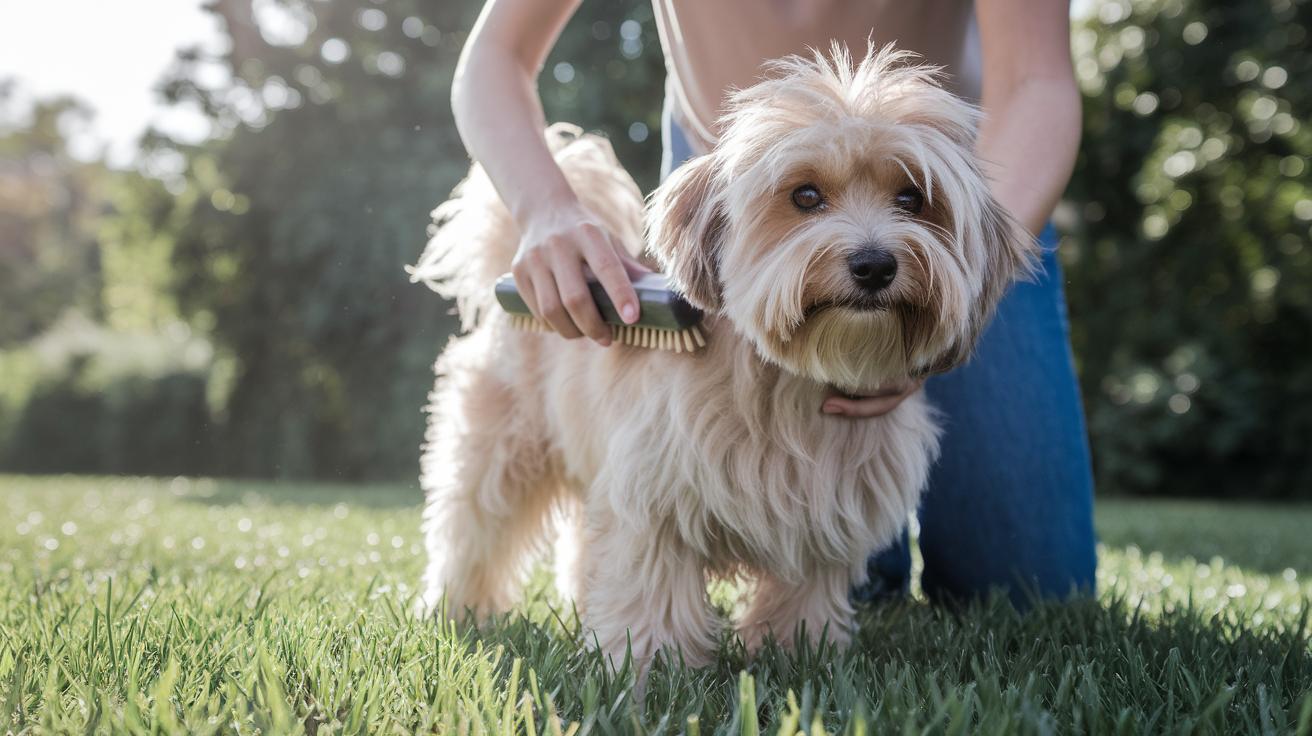
Brush your pet every day during heavy shedding to spread their natural oils and keep their coat healthy. Only bathe your pet when necessary because bathing more than once every 2 to 3 weeks can remove the oils that protect their skin. Regular brushing also lifts loose hair and debris while keeping the helpful bacteria on their skin intact.
Start a coconut oil massage by warming a small amount of virgin coconut oil. Rub it into your pet’s coat with your fingertips using gentle, circular strokes from the neck down to the tail. Work slowly so the oil penetrates deeply and boosts circulation. If you see any redness or irritation, use less oil or take a break until the skin recovers.
For a soothing bath, choose an oatmeal or pH-balanced shampoo that is free from harsh chemicals. Use lukewarm water to protect your pet’s natural skin bacteria and avoid high temperatures. Rinse well to remove all soap residue and gently dry your pet with a soft towel. This simple bathing routine helps keep sensitive skin calm and your pet comfortable.
Pet Fur Dandruff: When to Seek Veterinary Care
If your pet has mild dandruff, natural treatments usually help within 2 to 4 weeks. But if your pet keeps scratching, starts losing fur, or gets red, sore spots even after treatment, this is a sign to get help. Sometimes the flaking can get worse over 6 to 8 weeks or even last more than two months. These changes might mean there are allergies, hormone problems like an underactive thyroid (hypothyroidism), or even parasites that need checking.
Your vet may do skin scrapings, blood tests, or allergy checks to find the cause. A proper diagnosis makes sure that serious issues like a weak pancreas (exocrine pancreatic insufficiency or EPI) or ongoing bacterial infections are treated, so your pet stays healthy and happy.
Final Words
In the action, we explored natural, at-home treatments to help soothe pet dandruff. You learned how a coconut oil massage, oatmeal bath, apple cider vinegar rinse, omega-3 boost, and even a humidifier use can make a difference. We discussed common causes of flaky fur and safe application steps so your pet stays comfortable.
These diy pet fur care remedies for dandruff can be a practical start to smoother, healthier fur. Give these methods a try, and enjoy watching your pet thrive with a nourished, happy coat.
FAQ
FAQ
Q: What DIY pet fur care remedy can I use with dandruff shampoo?
A: The DIY remedy for dandruff shampoo uses a gentle, pH-balanced cleanser that cleans while soothing dry skin. It helps reduce flaking without stripping essential oils from your pet’s coat.
Q: How does apple cider vinegar, as a dandruff vinegar treatment, help my dog’s coat?
A: Apple cider vinegar, when diluted and used as a rinse, restores pH balance and fights bacteria. This natural treatment soothes irritation and aids in reducing the flakes on your dog’s fur.
Q: How can home remedies treat dog dandruff and itching effectively?
A: Home remedies like coconut oil massages, oatmeal baths, and omega-3 supplements improve skin hydration and lower irritation. These methods help ease dog dandruff and itching when applied safely over a few weeks.
Q: What is an effective form of dog dandruff spray?
A: A typical dog dandruff spray often mixes a diluted apple cider vinegar solution with water. It soothes irritated skin and reduces flakes when sprayed on dry coat areas, offering an easy, topically applied option.
Q: What ingredients should I apply on a dog’s coat to combat dandruff?
A: To combat dandruff, you can apply soothing ingredients such as coconut oil, diluted apple cider vinegar, or prepare an oatmeal rinse. These items moisturize dry skin and calm irritation in your pet’s fur.
Q: Which dog shampoo is best for dandruff and itching?
A: The best dog shampoo for dandruff and itching is a mild, fragrance-free formula enriched with natural moisturizers like oatmeal. It gently cleanses the coat, reducing irritation while preserving skin oils.
Q: What home remedy works for reducing dandruff on cats?
A: For cats, a gentle oatmeal bath is a safe home remedy that soothes irritation and minimizes dandruff. Always consult your vet before starting any treatment to protect your cat’s sensitive skin.