

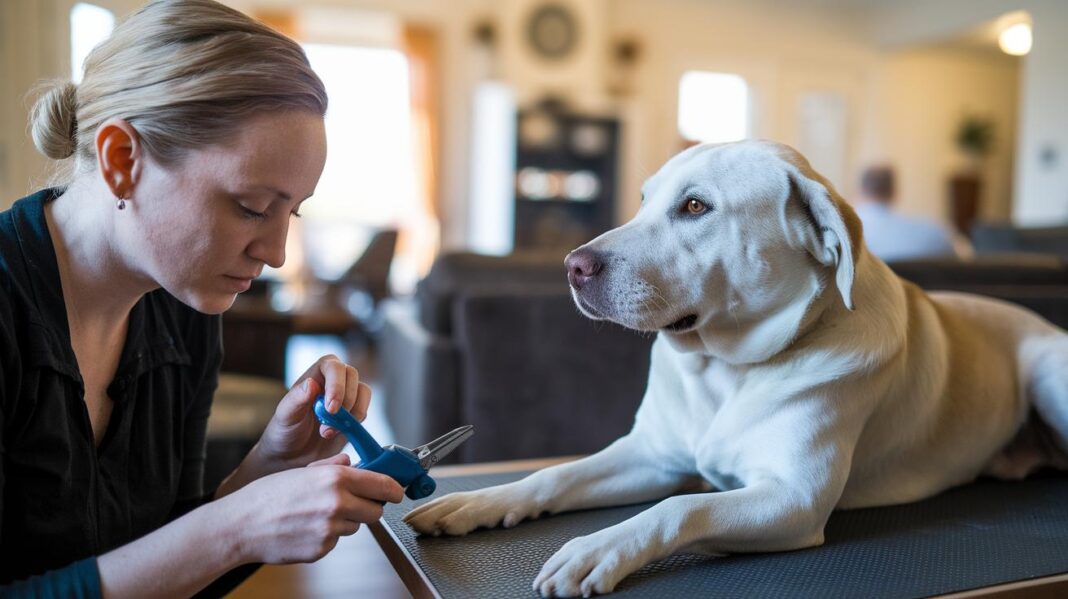

Ever wonder if trimming your dog's nails can be calm and easy? Imagine a grooming session where every gentle snip makes your furry friend feel safe and happy. This guide shares a simple, step-by-step routine to help turn nail trimming into a relaxed time for you both. With a few basic tools, a little preparation, and plenty of praise, you can keep your dog's paws safe while protecting their nails. This gentle method not only prevents injuries but also builds a warm, positive bond between you and your pet.
How to Trim Dog Nails Safely: Calm Routine
Trimming your dog's nails can be a calm and easy process if you follow a simple, step-by-step routine. This method helps keep both you and your pet relaxed while protecting your dog from injury.
- First, gather all your tools. You will need sharp nail clippers designed for dogs, some styptic powder like Kwik Stop (a product to help stop bleeding), and a few tasty treats such as peanut butter, cheese, or cool whip.
- Next, choose a bright area with good lighting and set up on an elevated, non-slip surface. This helps smaller dogs feel secure and stay still.
- Before you trim, gently handle your dog's paws while giving treats and praise. This helps your pet get comfortable with the process.
- Look for the quick in the nail by aligning the nail with the footpad. The quick is the sensitive part inside the nail, and it can be hard to see on dark nails.
- Trim a small piece of the nail at a 45-degree angle. This makes sure you do not cut the quick and leaves a clean edge.
- If you notice any bleeding, immediately apply the styptic powder to help stop it.
- After each nail, be sure to praise and reward your dog. This builds a positive experience and makes future trims easier.
Remember to go at your dog's pace and take breaks if your pet seems stressed. With patience and consistency, nail trimming will become a regular, manageable routine.
Preparing for Safe Dog Nail Trimming at Home
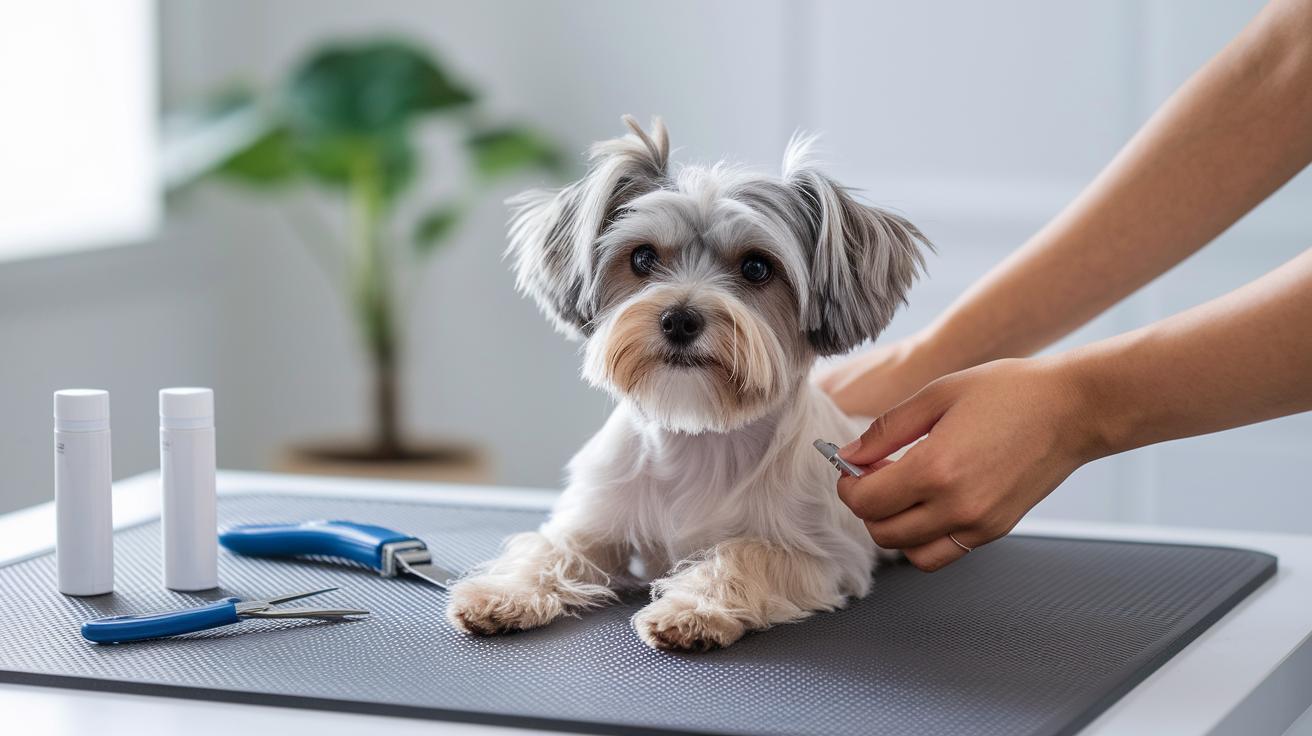
Start with a tidy, quiet space. A neat area keeps both you and your dog calm. When things are organized, your dog feels safe and ready for nail care.
Before you begin, gather your tools. Use nail clippers made for pets with sharp blades (not the ones for people). Have some styptic powder on hand to stop any small bleeds. Keep a few treats nearby to reward your dog along the way. Let your pet see and smell the clippers first. Give a treat after a quick glimpse so the tool becomes a friendly object.
Next, set up your grooming spot in a bright room. For small dogs, place them on a raised, slip-resistant surface so they stay secure. Keep your tools close by to avoid any delays or fumbling.
For more grooming tips, check out our guide on home pet grooming.
Handling Anxious Dogs During Dog Nail Trimming
Trimming your dog’s nails can be stressful for both of you, but a calm pet makes the process safer and easier. A relaxed dog means fewer accidents and a chance to build trust between you and your furry friend. One great way to help is by slowly getting your dog used to having its paws handled.
Try these steps to make nail trimming a positive experience:
- Begin with very short sessions of touching your dog’s paws.
- Give a treat before and after you touch their paws.
- Choose a quiet spot in your home, free from distractions.
- Wear clothes that do not seem threatening.
- Let your dog get used to the sound of the clippers by playing it softly.
- Use a gentle hold, like wrapping your dog in a towel.
- Take play breaks between trimming each nail.
Starting slowly with just a little handling and reward goes a long way. Soon, your dog will learn that nail care is nothing to be scared of but a time filled with praise and treats. With patience and routine, nail trimming will become a safe and pleasant part of your pet’s care.
For more tips on easing grooming anxiety, check out our pet grooming 101 guide.
Spotting the Quick and Preventing Bleeding in Dog Nail Trimming

The quick is the soft, sensitive part inside your dog's nail that holds nerves and blood vessels. Cutting too far, especially on dark nails where the quick is hard to see, can hurt your dog and cause bleeding.
Cut only a little bit at a time. Hold the clipper at a 45° angle and snip carefully. For dark nails, line up the clipper with the footpad so you don’t cut past the quick. Think of it like trimming a candle’s tip, just enough to keep it neat without cracking.
Always keep some styptic powder nearby to quickly stop any small cuts.
Best Tools for Dog Nail Trimming: Clippers vs. Dremel
Choosing the right tool is key to safe and stress-free nail trimming for your dog. The tool you use makes a big difference in how neatly the nail is cut and helps lower the risk of injury. Sharp clippers with quality blades make a clean cut without squeezing or crushing the nail. When deciding between classic clippers and the newer Dremel-style grinders, consider features like sensor alerts, built-in lights to see the nail clearly, and guards that control how much is trimmed.
Basic plier-style clippers are made just for pet nails. They give you a simple, effective way to manage nail care without extra hassle. Many models now include built-in lights to brighten the area and sensors that detect the quick (the sensitive part inside the nail). This extra help makes it easier to avoid accidental cuts, especially when the nails are dark. Clipper guards also help by ensuring that only a small piece of the nail is trimmed each time, so you achieve a neat finish without stressing your pet.
Dremel-style grinders work differently by filing the nail gradually instead of cutting it off in one go. This slow filing lowers the chance of the nail splitting and can be gentler for dogs that dislike a quick snip. Some modern grinders feature sensor technology to prevent filing too much, much like the sensors in some clippers. This gentle, gradual process is ideal for pets with extra sensitive paws, making nail care more comfortable and less stressful.
Aftercare and Maintenance for Dog Nail Trimming
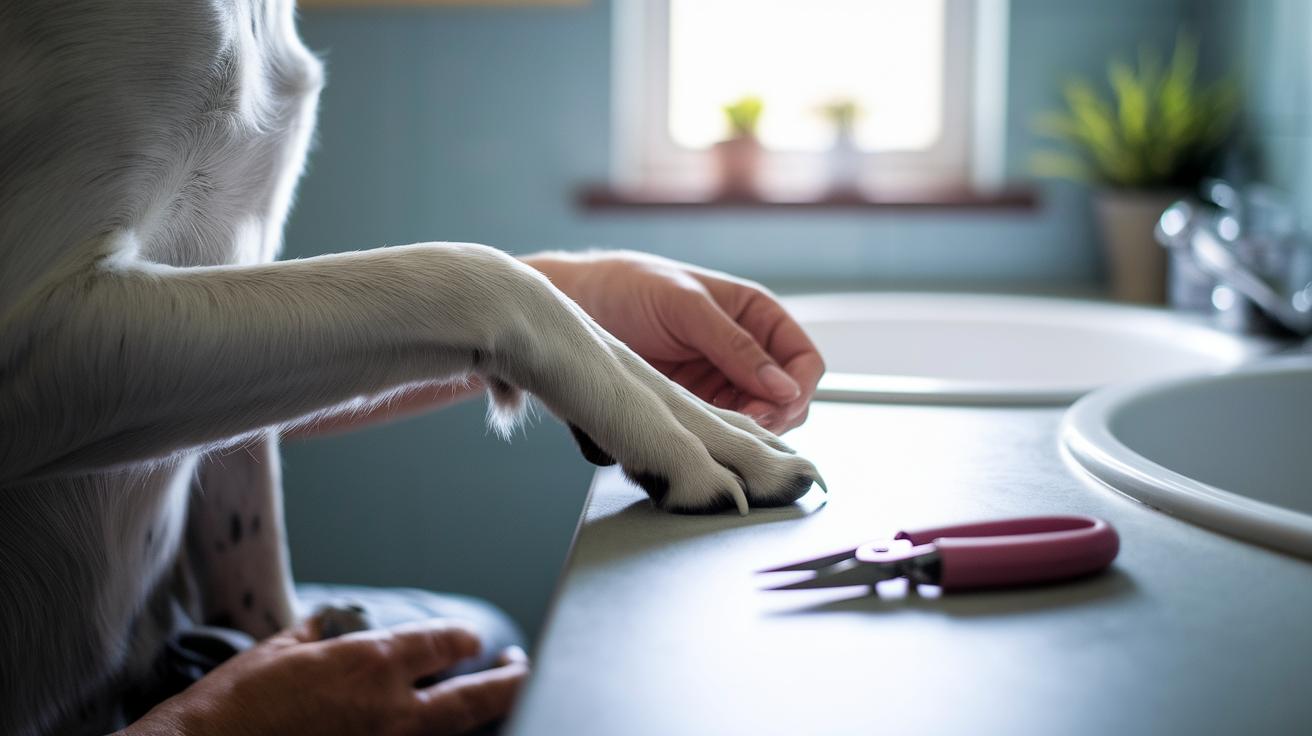
Regular nail care keeps your dog comfy and helps prevent joint stress. When nails grow too long, they can cause pain and change your dog's natural walk. Using simple tools like cornstarch pads to smooth rough edges is an easy, budget-friendly option to fix small issues between trims. This routine not only keeps your pet's nails in check but also builds a healthy habit overall.
Check your dog's nails every 4 to 6 weeks. This helps you catch the right time for a trim without wasting money or time. Many beginner-friendly grooming tools are both affordable and easy to use. Keeping the process simple means it won't turn into a stressful chore.
Make nail checks a part of your everyday routine, too. A quick look at the paws during daily care can alert you to any early signs of overgrowth. Adjust how often you trim based on what you see, and use little fixes like cornstarch pads for any rough edges to keep your dog's nails short and healthy.
Expert Dog Nail Trimming Tips and Common Mistakes to Avoid
Keep nail trimming sessions relaxed and slow. Let your dog get familiar with the clippers by handling them gently and offering treats. Try introducing the tool bit by bit and praising any small step forward. This helps build trust without stressing your pet.
Don't rush the process. Instead of clipping too much at once, cut small pieces to avoid the quick (the sensitive part inside the nail). Using dull clippers can pinch and split nails, so pause and check each nail carefully before moving on.
Expert Insights and Alternative Methods
If your dog is nervous, filing can be a softer approach. Use a nail file to smooth out rough edges instead of clippers to reduce the risk of cutting too far. File each nail gently, similar to lightly sanding wood, to keep your pet calm. If you see any signs of pain or bleeding, contact your veterinarian right away.
Final Words
In the action, this guide walked through setting up a calm space, gathering the right tools, and using positive rewards to help your dog feel at ease during nail trimming. We detailed clear, step-by-step tips, from avoiding the quick to having styptic powder nearby in case of a small slip.
By following our instructions on how to trim dog nails safely, you'll help keep your pet comfortable and happy. Enjoy each small win and keep the experience smooth and stress-free for both of you.
FAQ
How to trim dog nails safely for beginners and first-time dog owners?
Trimming dog nails safely for beginners means using sharp pet clippers in a calm, well-lit spot, using treats to reward, and cutting small nail sections at a 45° angle while avoiding the quick for comfort.
How to trim dog nails safely at home (including video-guided tips)?
Trimming dog nails safely at home starts with gathering quality tools in a well-lit, non-slip area. Using treats and positive reinforcement helps ease your pet into the process.
How does one handle uncooperative dogs during nail trimming?
Handling uncooperative dogs is done by gradually acclimating them through gentle handling, calm restraint, and plenty of treats, possibly having an assistant to help maintain a steady, stress-free process.
How to trim dark or black dog nails without cutting the quick?
Trimming dark nails safely involves aligning the clipper with the footpad, trimming small amounts at a 45° angle, and carefully stopping before reaching the quick to avoid pain and bleeding.
Is there a wrong way to cut dog nails?
Yes, cutting nails the wrong way includes using dull clippers, rushing the process, or cutting too close to the quick, which may cause pain and bleeding. Always take your time and work in small increments.