

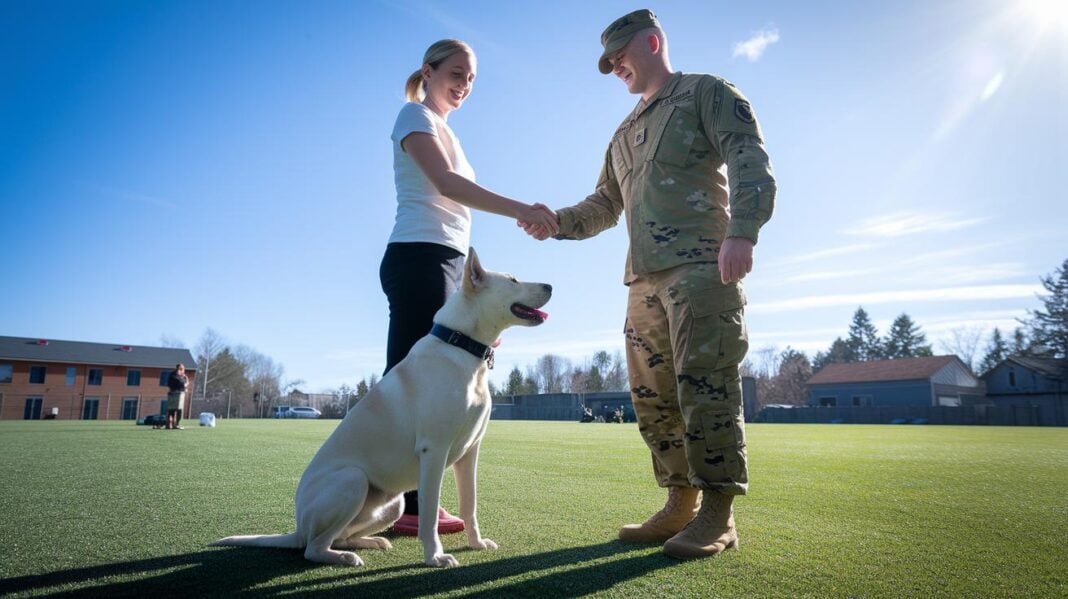

Each year, almost 400 military dogs retire from service. These courageous pups have handled tough jobs like finding drugs and searching for missing people. They are well-trained and need a home that offers a clear routine and lots of care. This guide shows you what to expect when adopting a military dog and how you can give these heroes a happy new life. Whether you used to work with them or you are a devoted pet parent, your home might be the perfect place for one of these brave dogs.
Military Dog Adoption Requirements: Bright New Beginnings
Military working dogs honor our country through years of dedicated service. Most retire after 8 to 10 years. At the Joint Base San Antonio 341st Training Squadron, about 300 to 400 dogs retire every year. This shows how important it is to find warm, loving homes for these special dogs.
These dogs have handled critical jobs like detecting drugs, searching for people, and patrolling. Now, they face a new chapter in civilian life. Their past work means they need a unique type of home. That’s why former handlers and military veterans get first choice. They understand the training these dogs have had and know how to help them settle in.
Adoptions are managed by the 341st Training Squadron at Lackland Air Force Base in Texas. The program makes sure that each military dog finds a caring home that honors its service and supports its new beginning.
Eligibility Criteria for Military Dog Adoption
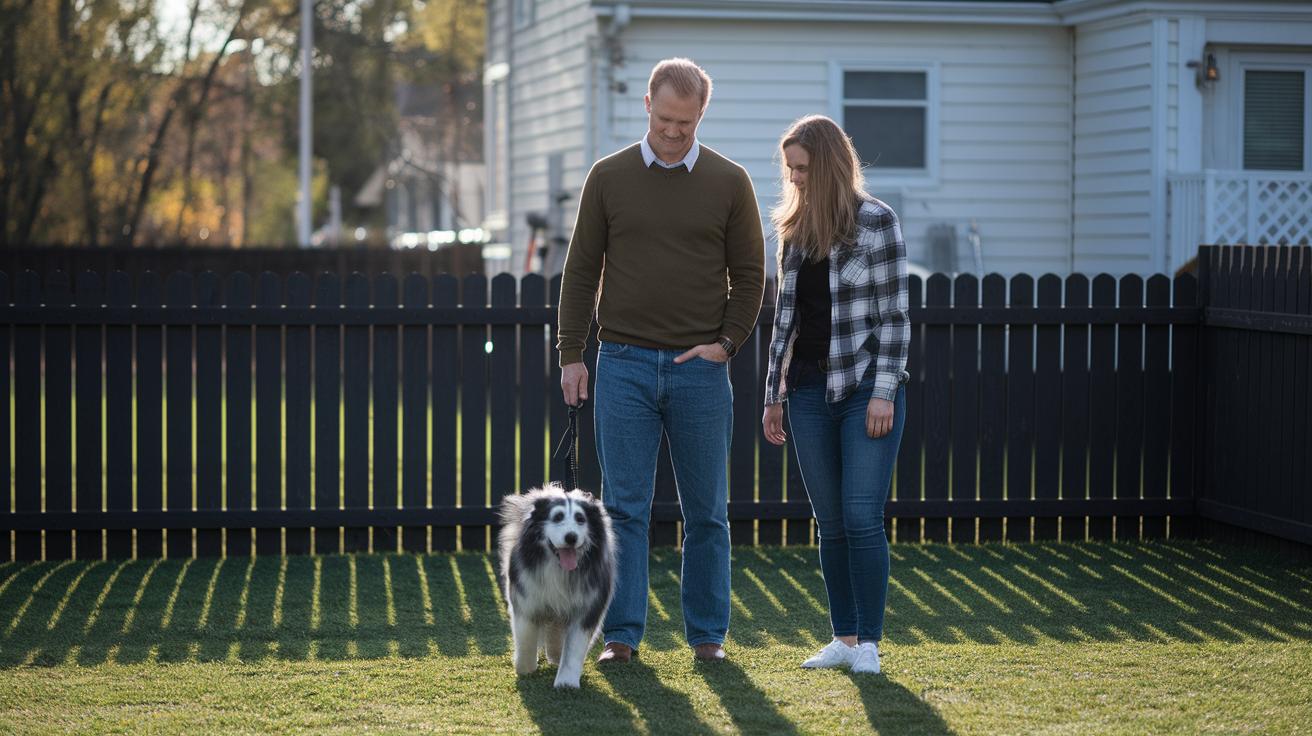
Adopting a military working dog is a special chance, but it comes with clear rules that protect both you and the dog. These dogs have unique training and past service, so they need a calm, loving home that understands their special needs. Here’s what you need to know:
- Must be at least 21 years old. This age rule makes sure you have enough maturity to care for a dog with a tough background.
- There should be no children under 5 in the household. A quieter home helps reduce stress for a dog used to a strict routine.
- You need a securely fenced yard that is at least 6 feet tall. This gives the dog a safe space to play and exercise while keeping it from wandering off.
- You can have a maximum of three dogs in your home, including the adopted military dog. This rule makes sure every pet gets the attention and care they deserve.
- Preference goes to former handlers and veterans. People who have worked with military dogs before know how to handle their unique training and behavior.
Following these rules helps ensure that retired military working dogs thrive in a secure and understanding environment.
Application Procedures for Military Dog Adoption
First, you fill out a detailed application. It asks about your personal information, where you live, your experience with dogs, and why you want a military working dog. Make sure you have your documents ready. You will need proof of your age, citizenship papers, a recent housing verification, and any records that show you’ve cared for a dog before.
After you send in your application, it goes through a careful review. You will be put on a waiting list until a well-matched dog is ready. During this time, the review team might call you to ask more about your living situation or your experience with trained work dogs.
- Fill out the application with your personal info, living conditions, dog-care history, and reasons for adopting.
- Submit key documents like proof of age, citizenship, housing verification, and records of past dog ownership.
- Wait while your application is reviewed and you are added to a waiting list until a compatible match is found.
- Attend an in-person meeting where you and the dog are evaluated together to ensure a good match.
- Finish the adoption by signing the agreement, paying a fee of $375 (transport charges extra), and completing DoD transfer paperwork.
Once you complete these steps, the adoption is legally finalized. All the details are clearly shown in the official documents. This easy process helps both you and the retired military dog start a happy new life together.
Medical and Behavioral Screening Protocols for Retired Military Dogs
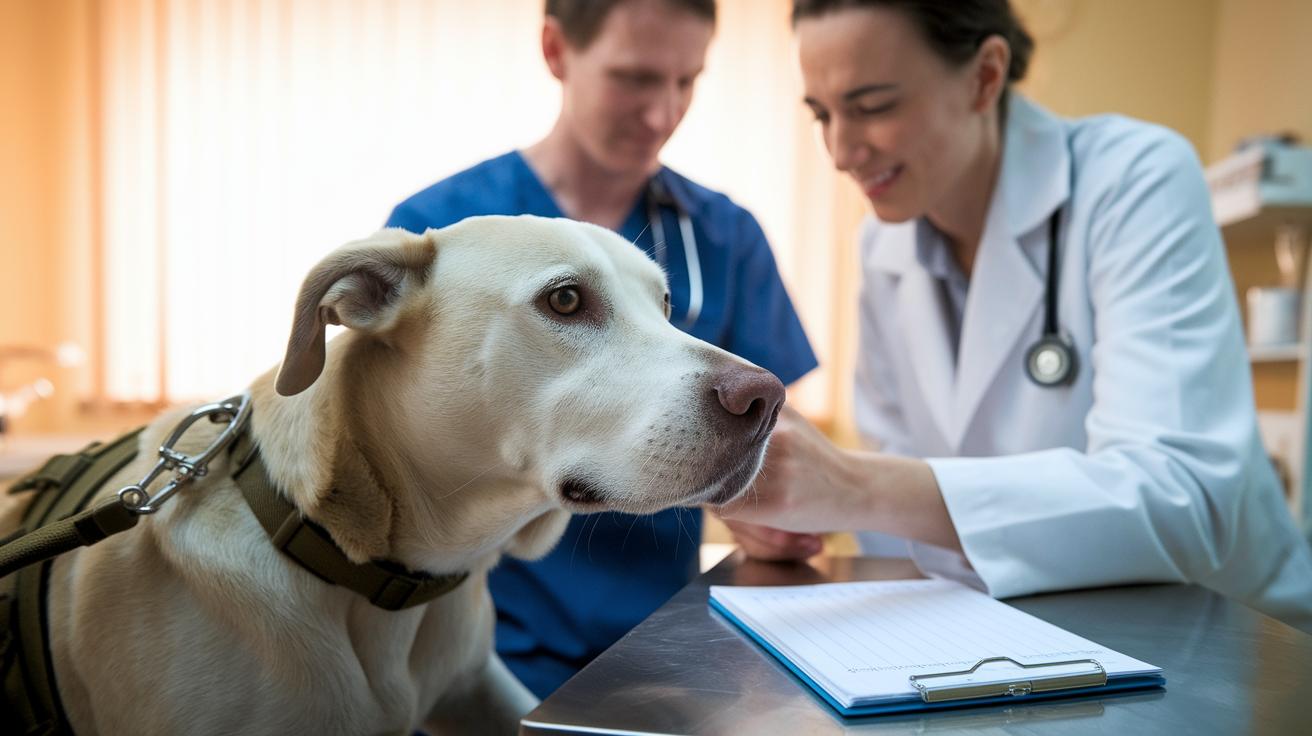
When a military dog retires, it goes through a careful checkup to make sure it is healthy and ready for a loving home. First, a trusted vet performs a complete physical exam to spot any injuries or health issues from its service. The vet also reviews the dog’s vaccination records to ensure its shots for rabies, distemper, parvovirus, and adenovirus are up to date. Along with the exam, the vet discusses preventive care to protect the dog from common illnesses.
Next, a behavior expert tests the dog’s temperament. They look at how calm and social the dog is and check for signs of fear or aggression. If a dog has service-related stress or injuries, professionals may suggest special rehabilitation to help ease its transition into home life. This careful process covers both physical and emotional needs.
| Test Type | Purpose |
|---|---|
| Physical Exam | Check for health issues or injuries |
| Vaccination Check | Confirm key immunizations |
| Temperament Test | See if the dog is friendly and calm |
| Behavior Risk Assessment | Find triggers for fear or aggression |
After these screenings, a detailed report is created for each dog. New pet parents receive a full health and behavior profile along with any tips for extra training or care. This way, retired military dogs get all the support they need to settle in happily at home.
Home Environment Requirements and Post-Adoption Support
A calm and safe home is important for retired work dogs as they settle into a new life. When experts visit your home, they look for a quiet area with a raised bed, a water bowl, and some favorite toys. Imagine a small corner where your dog feels comfortable and secure. A comfy bed and familiar toys help ease stress and bring back the good habits built during service.
After bringing your new friend home, support programs are available to help with the transition. You will be encouraged to work with a veterinarian who has experience with working dogs. They will help you set up a clear care plan. You might also get transition counseling and regular check-ups to answer any health or behavior questions. This ongoing support helps both you and your dog adjust to a calm life, one day at a time.
Legal and Financial Requirements in Military Dog Adoption

The transfer agreement clearly explains your responsibilities, including liability issues and special care duties that aren’t detailed in the initial application. For example, the contract states, "If daily care guidelines are not met, the dog must be returned for review." This means you need to follow those care rules closely to avoid extra costs or having to return your dog.
Federal rules for property transfers also require strict adherence to DoD protocols. This means you must keep good records and stick to a set care routine. For instance, paperwork might require you to "Maintain scheduled veterinary visits and document the dog's medical history." In short, these rules highlight the importance of following care routines to keep your dog safe and avoid any legal or financial issues.
Training Transition Standards for Retired Military Dogs
Retired military dogs have served with honor and come with special training that can help them adjust to home life. Begin by setting up a daily routine that includes regular feeding, exercise, and short training sessions. Mix the military commands they know with new house rules. Reward good behavior with praise and treats to help them learn what to do. During the adopter meeting, staff go over the dog’s service history and training marks to create a customized plan that respects the dog’s past work while preparing them for life at home.
A daily training plan must be paired with a thoughtful socialization schedule. Let the dog meet a few new people and explore different places while keeping things calm. Start with quiet outdoor spots, then slowly try busier parks or small groups. A calm, step-by-step approach prevents the dog from getting too stressed. Adopters should stick to a regular routine so the dog learns to expect new experiences. Keeping the home environment peaceful helps the dog adjust to unfamiliar sounds and sights. This careful plan builds trust and makes the change smoother for both the dog and the new owner.
FAQs on Military Dog Adoption Requirements
Are foster-to-adopt options available?
Yes, some military bases offer foster-to-adopt programs. These programs let you temporarily care for a dog until it gets used to home life. For example, you might foster a dog until it learns to walk confidently on a leash indoors.
What support is available for unique adoption challenges?
Some programs provide extra help for questions that don’t fit the usual process. Coordinators are ready to offer advice on behavior issues or other unusual challenges. They can share tips if your new dog is having a hard time settling into its new routine.
Final Words
In the action, we covered key points from eligibility criteria and application steps to health screenings, home requirements, legal obligations, and training transitions for retired military dogs. Each section provided clear, step-by-step guidance to help potential adopters understand the process. The FAQs addressed common questions with practical answers, making the information easy to navigate. With all facts laid out, pet owners can make confident decisions and pave the way for a happy future with their new companion through military dog adoption requirements.
FAQ
What are the eligibility requirements for adopting a retired military working dog?
The eligibility requirements include being at least 21 years old, a securely fenced yard (6-foot tall), a limit on three dogs per household, and a preference for veterans and former handlers.
How much does it cost to adopt a retired military dog?
The adoption fee is typically $375, which covers paperwork and administrative costs. Additional transport charges may apply during the Department of Defense transfer process.
What is Mission K9 Rescue?
Mission K9 Rescue is a program that assists in rehoming retired military working dogs, ensuring they receive proper care and supportive transition services in their new homes.
Why might a police dog adoption fail locally?
A police dog adoption might fail due to not meeting strict eligibility criteria, incomplete documentation, or an unsuitable home environment. Review local guidelines for rehoming these specialized canines.
What is the Military Working Dog Adoption Program?
The Military Working Dog Adoption Program connects eligible applicants with retired service dogs. The process involves a detailed application, home inspection, and in-person compatibility meeting to ensure a good match.
Are military dogs sold, or are they adopted?
Retired military dogs are not sold but adopted through official programs. They are provided to qualified families who meet strict requirements and commit to proper care throughout the canine’s life.
How can I adopt a retired police dog?
Adopting a retired police dog involves a review process with strict eligibility, background, and home environment assessments to ensure the dog is placed where its needs and temperament are well understood.
What is the 3 3 3 rule with adopting a dog?
The 3 3 3 rule is a guideline suggesting a structured trial and evaluation period, including three steps of introduction, three visits during adaptation, and three follow-up checks, though specifics can vary by program.
How do I qualify for a military service dog?
To qualify for a military service dog, applicants must meet criteria such as age, housing standards, and often have ties as veterans or former military dog handlers, along with proper documentation.
How hard is it to get approved for a service dog?
Approval for a service dog requires a thorough application, eligibility verification including home visits and documentation checks, and signing official agreements, making the process strict but clear for qualified applicants.