

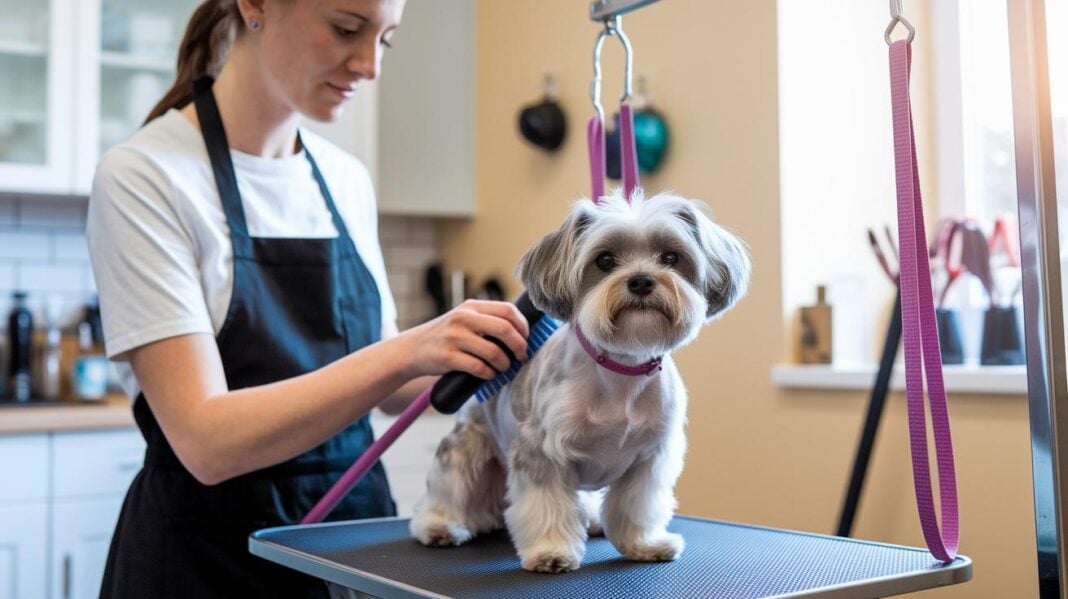

Have you ever thought about why grooming is more than just a quick wash? It keeps your pet clean, comfortable, and healthy. Grooming means giving your pet a bath, trimming their fur, clipping their nails, and cleaning their ears. These steps can help get rid of tangles and show you early signs of health problems. Imagine a shaggy coat turning into a smooth, shiny one, like you polished a favorite keepsake. In this post, we explain what pet grooming really means and share a simple routine that makes your furry friend feel loved every day.
Pet Grooming Defined: Overview and Core Practices
Pet grooming means keeping your pet clean, comfy, and healthy. It isn’t just about a quick wash, it covers bathing, trimming the fur, clipping nails, cleaning ears, and some light styling. These steps help control shedding, stop mats, and prevent skin irritation so your pet feels cozy and cared for.
A grooming session might go like this: you start with a warm bath, then gently brush out the fur to remove tangles and loose hair. Think about it like this, a well-brushed coat after a bath turns matted fur into smooth, shiny hair, much like polishing a favorite picture. This simple routine shows how grooming helps keep your pet in top shape.
Every part of grooming also lets you check on your pet’s health. Washing cleans the skin and fur; trimming and clipping remove extra hair and let you spot any problems early; nail care stops overgrowth that might hurt during play; and cleaning the ears can reveal infections right away. By doing these steps, you make sure your pet always looks good and feels great.
Essential Pet Grooming Tools and Techniques
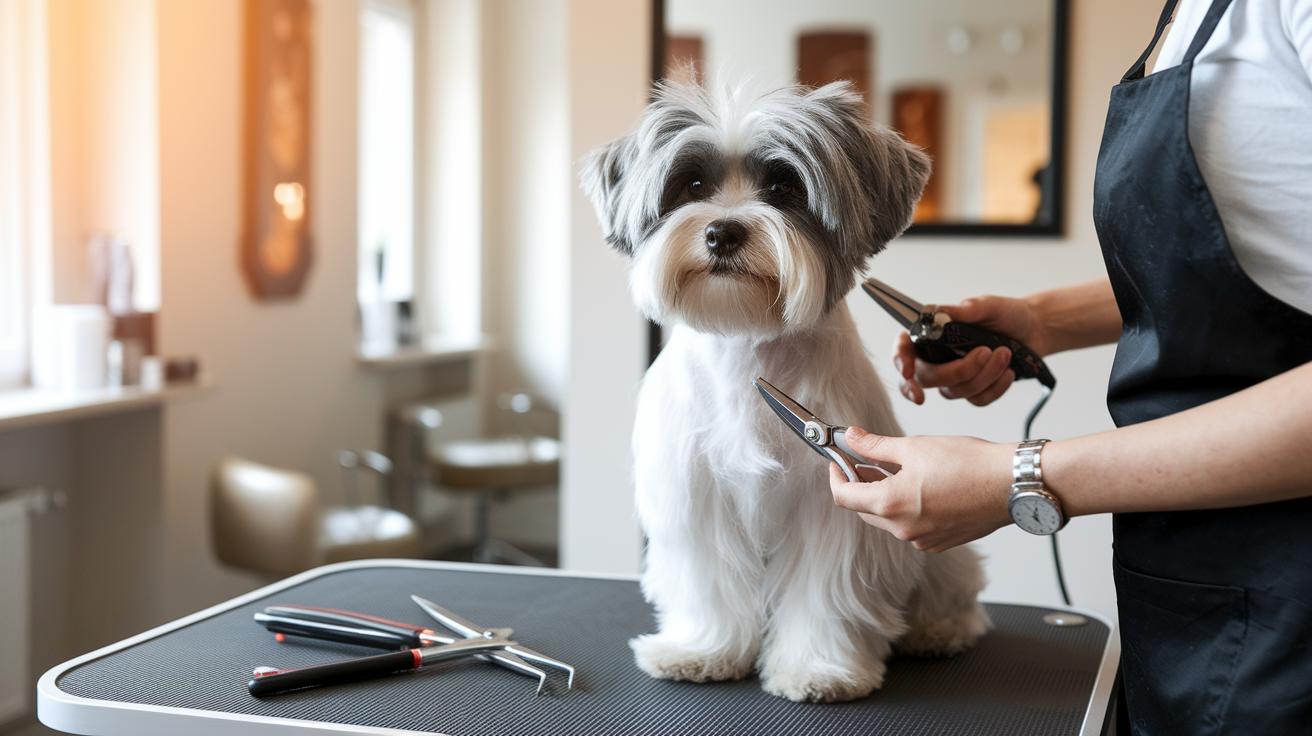
When it comes to grooming your pet, having the right tools and knowing how to use them makes all the difference. Groomers use different methods such as using scissors to trim fur (scissoring), electric clippers for cutting hair, and hand stripping (pulling out dead hair by hand) to keep pets looking tidy and feeling comfy. Each tool is made for a specific task which makes grooming smoother and simpler.
Picture a pet stylist with a trusty set of tools. Skilled groomers can change a scruffy pet into a neat, stylish friend with just clippers and shears. Understanding what each tool does shows why grooming is both an art and a science.
| Tool | Primary Use |
|---|---|
| Brush | Detangling fur and soothing the skin |
| Comb | Removing loose hairs and smoothing the coat |
| Clippers | Quickly trimming excess fur |
| Shears | Adding detail to the pet’s haircut |
| Shampoo | Cleaning the coat and keeping it healthy |
| Nail Trimmer | Safely cutting or smoothing nails |
In short, a good grooming kit is key for a calm and stress-free grooming session. Every tool plays its part, whether it’s keeping hair untangled or trimming nails safely. When you use the right techniques with the right tools, you’re giving your pet the detailed care they truly deserve.
Health and Comfort Benefits of Regular Pet Grooming
Grooming keeps your pet healthy and cozy. Brushing and bathing help remove loose hair and stop it from clumping into painful mats. Just like airing your clothes on a sunny day, a good grooming session makes your pet feel refreshed.
When you groom your pet, you're also doing a quick health check. While you work on tangles or wash their coat, keep an eye out for red spots, bumps, or little pests like fleas. Spotting these early can help you get your pet treated before problems grow. One pet parent even found a small skin infection during grooming and was able to get help from their vet right away.
Regular grooming also lets your pet’s skin breathe and lowers allergens that might cause discomfort. This simple routine not only makes their coat shine but can also help your pet feel calm and move more easily. In short, grooming isn’t just about looking good, it’s about helping your pet feel great and stay playful.
DIY Versus Professional Approaches to Pet Grooming
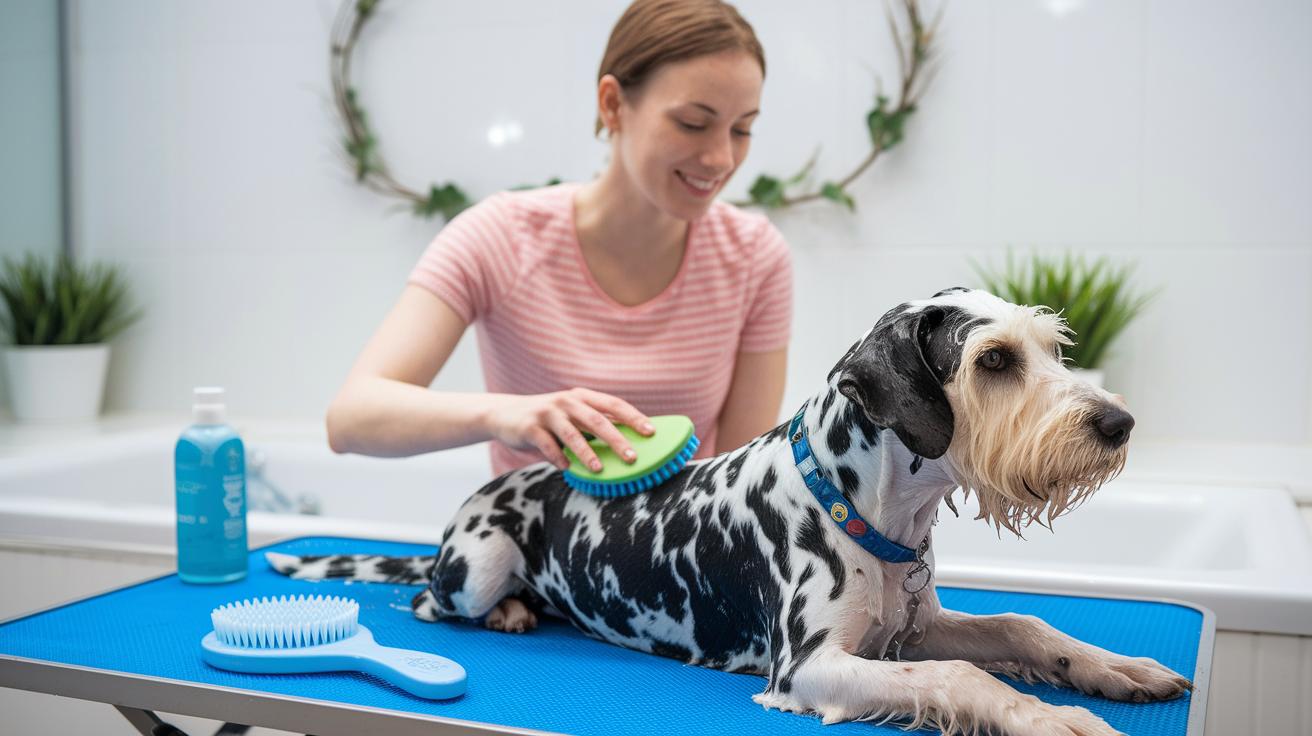
At-home grooming is a great way to care for your pet without breaking the bank. Giving your pet a bath with warm water and a gentle, pet-safe shampoo keeps them clean and comfy. When brushing, pick a brush with soft bristles so you remove loose hair gently. For nail trimming, use a good clipper or grinder and trim just a little bit at a time. This helps you avoid cutting the quick (the sensitive part inside a nail). Let your pet sniff and explore the brush or clippers before you start so they feel at ease. Doing these steps regularly keeps their coat shiny and helps prevent painful mats. Using the right tools and following a simple, step-by-step routine makes the process calm and safe for your furry friend.
Sometimes your pet may need a little extra help from a professional. Expert groomers can give breed-specific cuts that make your pet look and feel great. They use special techniques that reduce stress, which is important for nervous pets and larger animals. If your pet has a thick coat, lots of mats, or is hard to handle, a visit to the pet salon might be best. Professionals have the right tools and know techniques like scissoring, clipping, and hand trimming that can be hard to do at home. The cost for these services depends on your pet's size, coat condition, and any extra treatments they might need. For many pet owners, the peace of mind and extra care from a groomer make professional grooming worth the expense when home care isn’t enough.
Scheduling Pet Grooming: Frequency and Timing Guidelines
Grooming schedules change based on your pet's fur type, energy, and overall health. For a short-haired dog, a weekly brush works well to remove loose fur, and a monthly bath keeps them fresh. Long-haired pets, on the other hand, need more care. Brushing them several times a week and giving a trim every 6 to 8 weeks helps stop tangles and mats. One pet parent mentioned, "I brush my long-haired dog three times a week to keep his fur shiny and smooth."
Cats usually clean themselves, but combing them once a week can lower the chance of hairballs and let you spot any skin issues early. A good grooming plan mixes everyday care at home with occasional visits to a professional groomer. Regular brushing, whether done daily or weekly, helps remove dirt and dander (tiny skin flakes), while bathing controls oils and keeps the fur healthy.
For dogs that lead active lives or love the outdoors, extra grooming is needed to wash off mud and seasonal debris. Always adjust your grooming routine to fit your pet's specific needs. For instance, dogs that shed a lot or have sensitive skin might need gentler, more frequent care. Regular trips to the groomer also help you keep track of your pet's skin and nail health.
Safety Tips and Best Practices for Pet Grooming at Home
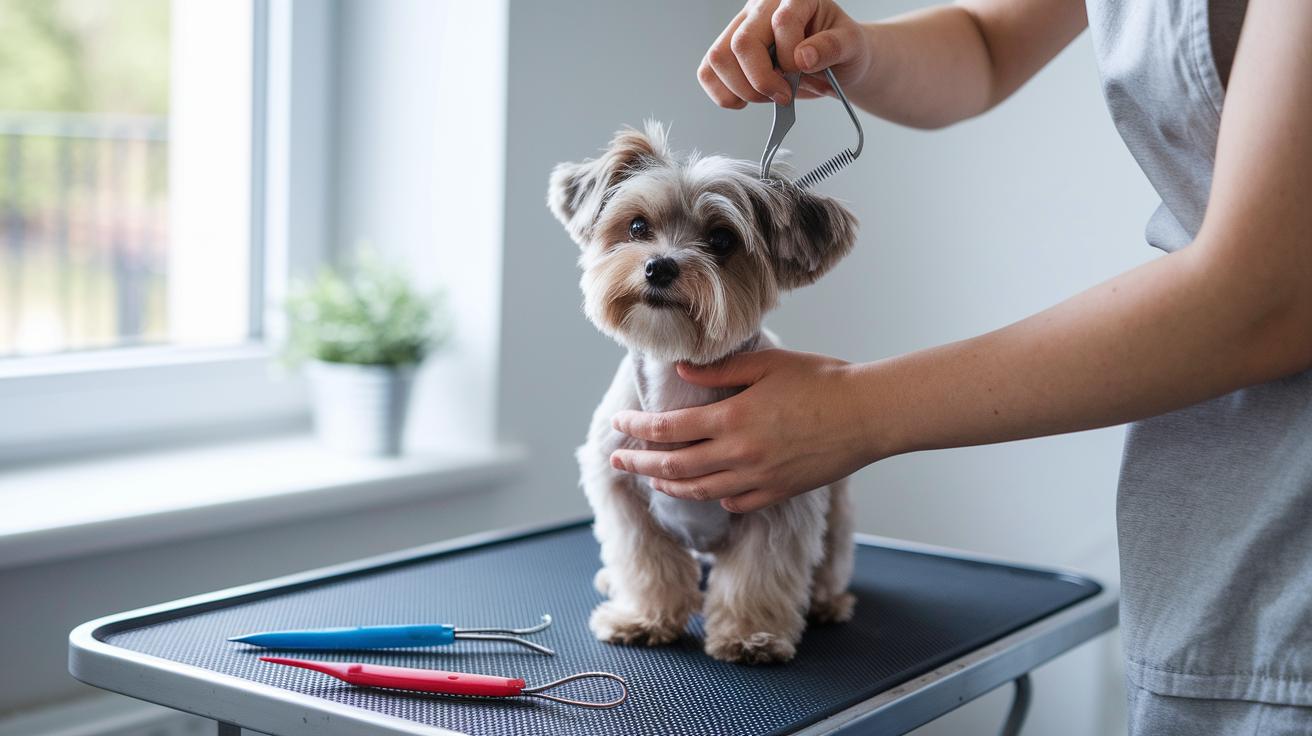
Grooming your pet at home should be calm and safe. Use sharp, clean tools to trim nails and groom fur so you don’t accidentally pull or cut your pet’s skin. For example, careful nail trimming (cutting off the tip of the nail) and gentle grinding help prevent pain or injury. Always clean your clippers and change the blades as the maker suggests. This simple step goes a long way.
Choose a bright, quiet space where your pet can see you. A calm room makes your pet feel secure and less stressed during grooming. One pet owner even mentioned they work near a window, which helps their dog feel at ease. Keep the space free from loud noises or sudden movements that might startle your pet.
Take a moment to check your pet’s ears for any debris and look over their skin for redness or irritation. This extra check can spot health issues early on. When using clippers, hold them firmly and move slowly around sensitive areas. Short grooming sessions are better than one long session so your pet stays relaxed.
- Always use clean and well-maintained tools
- Work in a bright, calm area
- Check ears and skin for any irritation
Final Words
In the action, we explored what is pet grooming and its many benefits. We unpacked the basics of bathing, trimming, and nail care along with key tools and safe techniques.
We also compared at-home tips with professional services, plus shared scheduling and safety advice for a stress-free experience. This guide helps you keep your pet healthy, safe, and happy. Enjoy putting these practical tips to use and celebrate every grooming win.
FAQ
Frequently Asked Questions
What is pet grooming?
The term pet grooming means keeping your pet clean and comfortable through bathing, brushing, nail clipping, ear cleaning, and coat trimming. This process supports overall health and reduces shedding and mats.
Why is dog grooming necessary?
Dog grooming is necessary because it helps maintain healthy skin and fur, reduces the risk of infections or parasites, and improves your pet’s comfort and mood.
How can beginners groom their dogs at home?
Beginners can start by using gentle bathing, careful brushing, and basic nail trimming. Creating a calm space and using proper tools makes the process safe and enjoyable for both pet and owner.
What are popular grooming styles for dogs?
Popular grooming styles for dogs include breed-specific cuts, simple trims, and creative designs that keep the coat neat while ensuring the pet feels comfortable and looks appealing.
How do I find pet grooming services near me?
Finding pet grooming services near you involves checking local directories, asking your veterinarian for referrals, or using online searches to locate trusted providers that offer caring and professional pet grooming.
What do pet grooming websites and images usually show?
Pet grooming websites and images typically display before-and-after photos, step-by-step care techniques, and visual guides for proper tool use, providing helpful tips for maintaining your pet’s hygiene.