

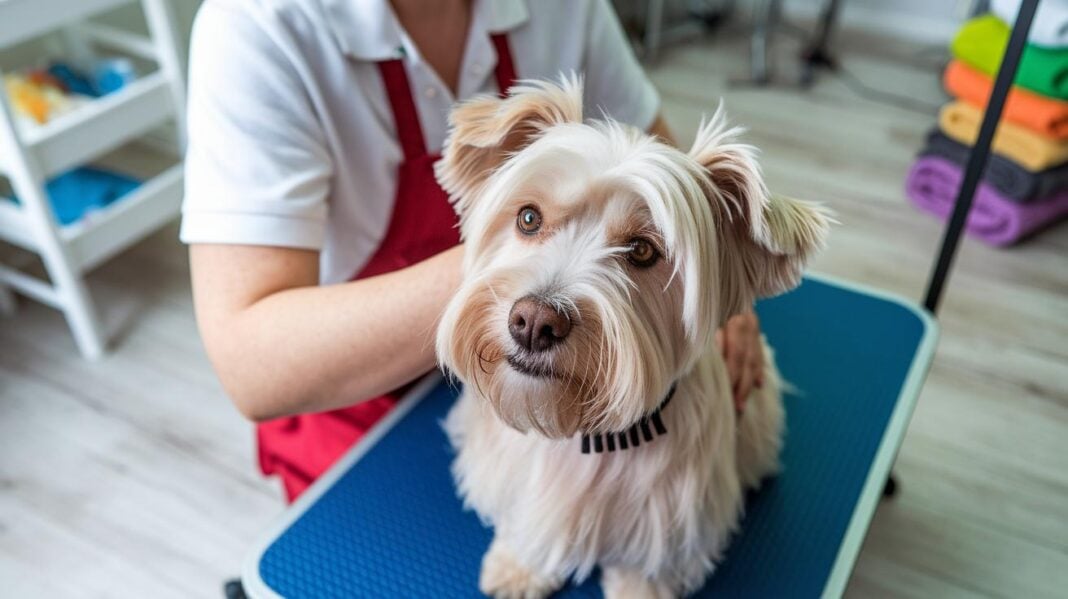

Have you ever wondered if your pet’s clean look might hide early health issues? Grooming isn’t just about neat fur. It helps you spot problems early and builds a closer bond with your friend. Brushing and bathing can make a daily routine feel like a special act of care. No matter if your pet has long hair or short, starting with the basics gives you the confidence to keep your companion looking and feeling great.
Essential Fundamentals of Pet Grooming 101
Grooming your pet is more than just keeping them looking neat. It gives you a chance to bond with your furry friend and helps keep them healthy. When you spend a few moments brushing or giving a quick wipe-down, you’re not only cleaning their coat but also watching for little bumps or irritations that might need a vet’s look. It’s a simple way to show your pet how much you care.
How often your pet needs grooming can depend on their breed and lifestyle. For instance, dogs with long or thick fur or those who love outdoor adventures may need grooming more frequently to prevent tangles and dirt buildup. On the other hand, shorthaired or mostly indoor pets might be fine with fewer sessions, focused on keeping them clean and comfortable. Adjust your grooming routine to match your pet’s personal needs.
The main tasks in grooming include brushing, bathing, trimming nails, cleaning ears, and taking care of their teeth. Brushing helps remove loose hair and dirt while also boosting skin circulation. Bathing cleans away debris without stripping away natural oils. Keeping nails trimmed avoids any discomfort, and cleaning the ears removes excess wax that might lead to infections. Lastly, using a pet-friendly toothbrush and toothpaste helps prevent plaque buildup on their teeth. These simple steps not only keep your pet looking their best but also serve as a quick health check to catch any early signs of problems.
Choosing the Right Tools for Pet Grooming 101
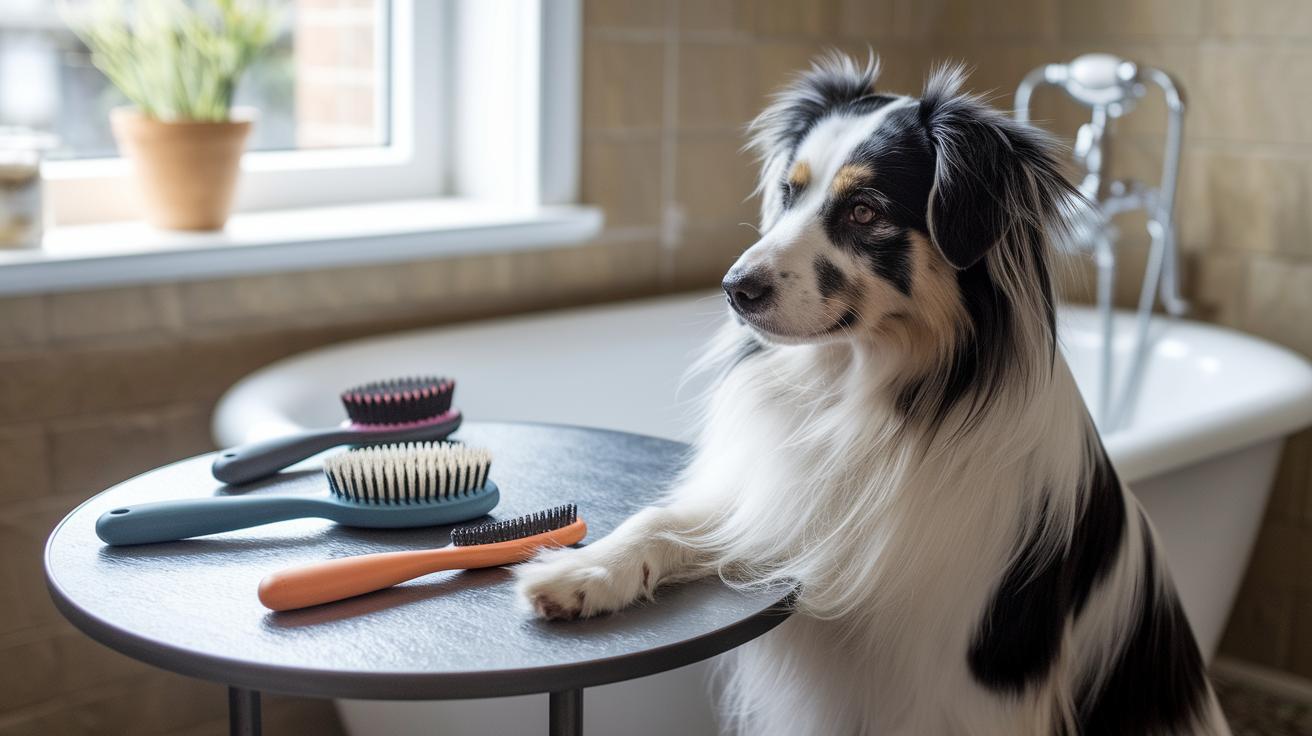
When you pick the right supplies for grooming at home, your pet stays healthy and looks great. Using the proper tools makes each grooming session easier and more comfortable for both of you. Start by using brushes like slicker, pin, or bristle brushes. These help remove loose hair and tangles without hurting your pet's skin.
Choose pet shampoos and conditioners made for different needs. Some are gentle for sensitive skin, some help control odors, and others fight fleas. For nail care, use nail clippers like the guillotine type, scissor type, or rotary grinders. These tools help trim your pet’s nails safely without cutting into the quick (the sensitive part inside the nail).
When cleaning your pet’s ears, use a vet-approved ear cleaning solution with cotton balls. Avoid cotton swabs to keep the process gentle. Finally, a pair of sharp scissors, electric clippers, and thinning shears will help you give your pet a neat style. Together, these tools keep your pet comfortable and give you better control during grooming.
| Tool | Purpose |
|---|---|
| slicker brush | Removes tangles and loose hair |
| pin brush | Gently detangles and smooths fur |
| bristle brush | Stimulates skin and redistributes oils |
| shampoo | Cleans fur with formulas for sensitive skin or flea control |
| conditioner | Smooths fur and reduces static |
| nail clippers | Trims nails safely without cutting the quick |
| ear cleaner | Gently cleans the ears with a vet-approved solution |
| scissors | Helps with precise trimming and styling |
Mastering Brushing and Combing in Pet Grooming 101
Brushing your pet’s coat every week is key to keeping it clean and healthy. It gets rid of dirt, dead hair, and loose dandruff (tiny skin flakes) that can make your pet uncomfortable. Brushing also helps stop tangles and mats while boosting blood flow in the skin. This action spreads natural oils that keep your pet's coat shiny and strong. If your pet is very active or has long hair, you might need to brush more than once a week. Short-haired, calmer pets usually do well with a weekly session.
Using the right tools makes grooming safer and more pleasant. For long-haired dogs, a de-shedding comb is great because it removes extra fur without pulling. Short-haired dogs often do better with a bristle brush that gently works the skin. Cats have sensitive skin, so a soft comb helps reduce hairballs. Work slowly, use broad strokes, and give lots of praise to keep your furry friend relaxed during grooming.
Step-by-Step Pet Washing Guide in Pet Grooming 101
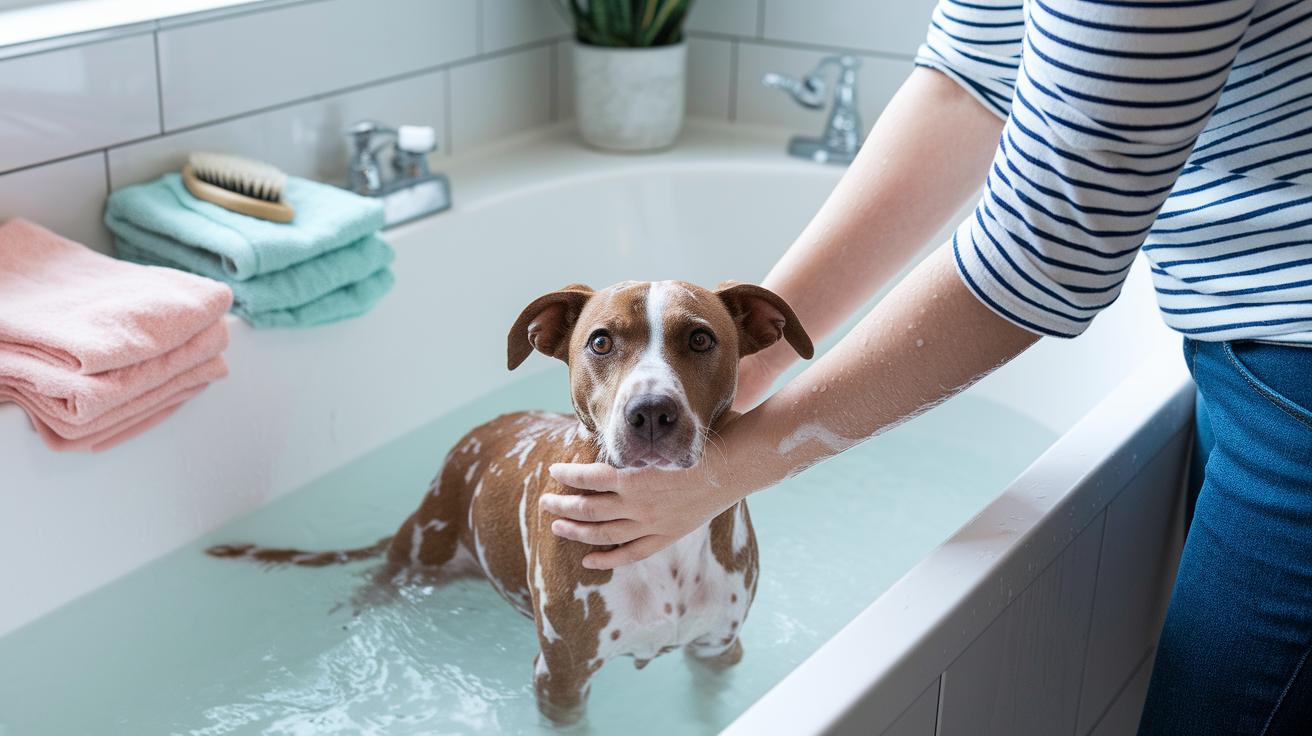
Giving your pet a bath helps remove dirt and smells while keeping their skin and coat healthy. Use warm water, not too hot or too cold, and a shampoo made for pets. This keeps their skin safe and avoids drying it out. It’s best to bathe your pet every 4 to 6 weeks, unless your vet says otherwise. While bathing, you can also look over their skin to spot any bumps or irritation.
Before you start, gather all your supplies. You will need pet shampoo, a gentle conditioner if you choose, a soft towel, and a brush to detangle after the bath. Taking your time makes the experience calming for your pet. Follow these simple steps to make bath time a kind and effective routine:
- Wet your pet’s coat with warm water.
- Apply pet shampoo and work it in to create a gentle lather.
- Rinse thoroughly until the water runs clear.
- If you use conditioner, apply it and rinse again.
- Gently squeeze out the water and towel-dry your pet.
- Brush out any tangles to finish up.
Nail Trimming and Ear Cleaning in Pet Grooming 101
When you trim your pet’s nails, the goal is to help them feel safe and build trust. Begin by gently handling their paws before reaching for the clippers. Follow these simple steps:
- Lightly touch and massage each paw.
- Allow your pet to sniff the clippers so they get used to it.
- Pretend to clip by mimicking the motion without cutting anything.
- Once your pet looks calm, trim a single nail and immediately give a treat.
For cleaning ears, use a routine that keeps your pet relaxed and helps you notice any issues. Try these steps:
- Soothe your pet with soft touches and quiet words.
- Squirt a pet-safe cleaning solution on the outer ear (do not insert deeply).
- Gently wipe the ear with a cotton ball.
- Look for any signs like redness, swelling, or bad smell. If you notice any of these, contact your vet right away.
Safe Fur Trimming and Styling Techniques in Pet Grooming 101
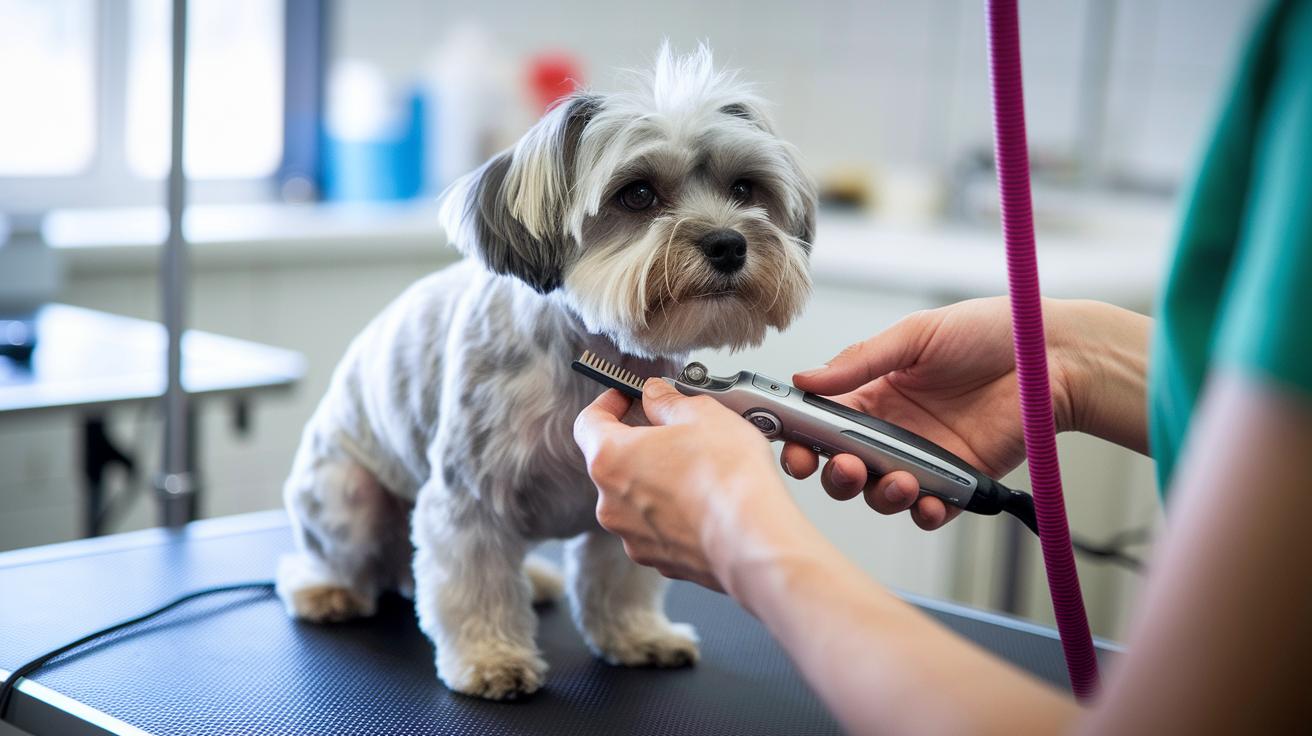
When you trim your pet’s fur at home, it is a good idea to check breed guidelines or ask your veterinarian first. Always work with a dry coat and trim just a small section at a time. Using sharp scissors or clippers makes the job easier because it stops the hair from getting pulled, which can hurt your pet. Trimming a little bit at a time helps you blend the edges so your pet looks neat and cared for.
It is just as important to keep your tools clean as it is to use the right grooming techniques. Thinning shears work well to smooth out any rough spots and give your pet a natural look. After each grooming session, be sure to clean your tools carefully. This reduces the chance of skin irritation and helps prevent germs from spreading, keeping your pet safe and comfortable.
Home Haircut Basics
Start with good, sharp scissors or electric clippers. Brush your pet gently to remove tangles before you begin. Work in small sections to make sure every area gets an even trim.
Tool Care and Maintenance
After grooming, wash your scissors and clippers with a pet-safe cleaner. Sharpen them when needed and store them in a dry place so they’re ready for the next session.
Breed-Specific and Seasonal Pet Grooming 101 Tips
Long-haired pets need a little extra care. They should be brushed and trimmed every week because their hair can get tangled and hold onto dirt. Short-haired pets do fine with grooming once a month. When it’s warm outside, a shorter coat helps keep them cool and safe. In winter, try not to cut too much of their fur so they can stay warm. Just be sure to remove any loose hair that might turn into mats. Adjust your grooming based on how much time your pet spends outside and how active they are.
Older pets need gentle grooming. Use soft brushes and keep sessions short so they don’t get stressed. Mobile groomers are a real help if you’re short on time or if your pet does not like long trips. These on-the-go services mean your pet can get professional care right at home. This approach keeps your pet comfy and healthy all year long.
Final Words
In the action, pet grooming 101 shows how brushing, washing, nail trimming, ear cleaning, and safe styling keep pets healthy and happy. It highlights essential routines that strengthen the bond between you and your furry friend.
The guide makes it clear how to adjust care depending on coat and climate. With easy steps and the right tools, you can spot issues early and boost your pet's well-being. Keep the care gentle and steady, and enjoy watching your pet thrive.
FAQ
What does the Pet Grooming 101 PDF offer?
The Pet Grooming 101 PDF offers a simple guide covering basic pet care tasks like brushing, bathing, nail trimming, and ear cleaning. It helps build trust while supporting overall pet health.
How does dog grooming work for beginners at home?
Dog grooming for beginners at home means following a basic routine. Start by brushing, bathing with pet shampoo, trimming nails, cleaning ears, and checking teeth to build trust and maintain health.
What steps are involved in professional dog grooming?
Professional dog grooming includes steps like thorough brushing, careful bathing, precise fur clipping and trimming, along with nail and ear care. These steps keep pets looking polished and healthy.
How can I find local pet grooming services near me?
Searching for “pet grooming near me” connects you with local pet salons or mobile grooming services. Reviews and online listings can help you choose a trusted provider for quality care.
What does the Dog Grooming For Dummies book cover?
The Dog Grooming For Dummies book breaks down basic care tips such as brushing, bathing, and styling. It is a handy resource for new pet owners who want straightforward grooming guidance.
Where can I watch professional dog grooming videos online?
Professional dog grooming videos on platforms like YouTube provide clear, step-by-step guides. They show proper techniques to help you keep your dog well-groomed and healthy at home.
What are the seven basic steps or tips for grooming a dog?
The seven basic steps include brushing, bathing, nail trimming, ear cleaning, dental care, coat clipping, and a final brush-out. Following these tips helps keep your dog comfortable and healthy.
What is rule #1 for grooming a dog?
Rule #1 for grooming a dog is to prioritize safety. Begin slowly, use pet-friendly products and tools, and watch closely for any signs of stress to keep your pet secure throughout the process.
What are common pet grooming mistakes to avoid?
Common mistakes include using harsh products, trimming too much fur, cutting nails incorrectly, and neglecting ear checks. Learn proper techniques or consult a professional to avoid these errors.