

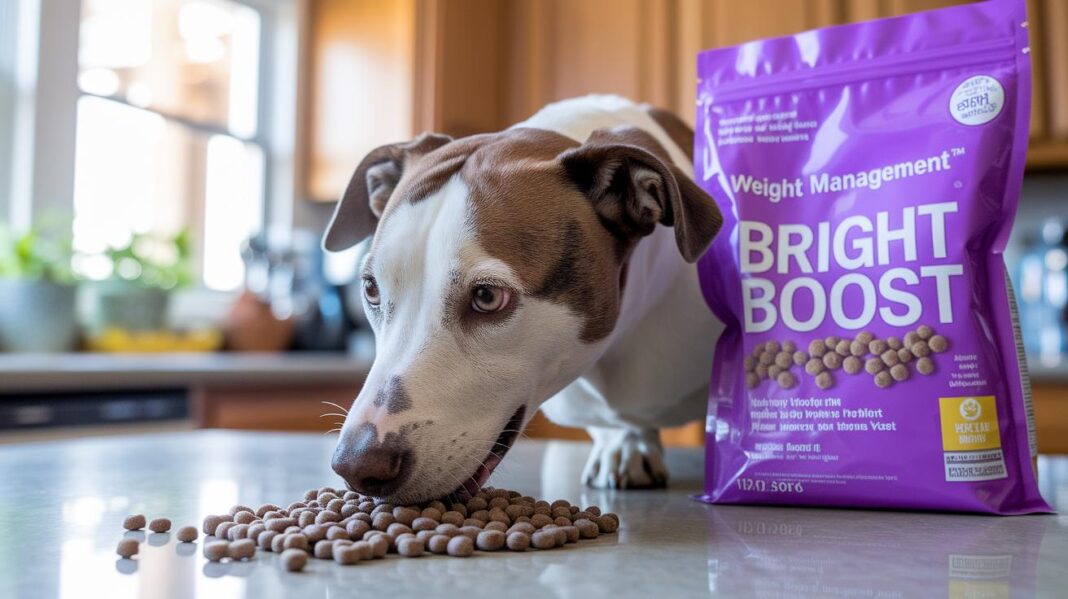

Is your dog carrying a few extra pounds? Many pet parents notice their furry friends are a bit overweight. Weight management dog food helps with that. These meals have fewer calories but still pack enough protein and fiber to keep your pet strong and satisfied. They work like a balanced meal plan that manages weight, supports healthy digestion, and builds muscle. By picking the right food, you can help your dog feel energetic, enjoy every walk, and maybe even add more happy years to their life.
Understanding Weight Management Dog Food
More than half of dogs in the United States carry extra weight. Weight management dog food is made with fewer calories and lots of good nutrients. It helps your dog lose weight safely while still getting the vitamins and protein needed for good health. Think of it like a healthy, balanced meal plan for your pet.
These special meals work by keeping muscle strong and making your dog feel full. They include high-fiber ingredients that help keep hunger at bay. Good proteins from chicken or fish help maintain muscle, and fibers like beet pulp or pea hulls help with digestion. Studies show that dogs at a normal weight may live up to 2.5 years longer than those who are overweight. That is why feeding your pet the right food is key.
Every dog is different. Their ideal diet depends on their activity level and overall health. By choosing a weight management dog food, you help your pet stay energetic and feel great all day long.
Essential Nutrients in Weight Management Dog Food

Weight management dog food is made to keep your dog healthy while using fewer calories. It includes quality protein from chicken, fish, or salmon. Protein is the building block that helps maintain muscle, so your dog stays strong even when cutting back on calories.
These diets also feature low carbs, which helps stop extra energy from turning into fat. Simply check the label for low-fat numbers to guide you in choosing the right meal for your pet.
Easily digestible fiber like pea hulls or beet pulp plays an important role. It makes your dog feel full and supports smooth digestion. A quick tip: if fiber is one of the top ingredients listed, it shows that the food can help your dog stay satisfied longer.
Some special nutrients boost your dog’s metabolism. These vitamins and minerals work together to help burn calories efficiently and maintain energy levels, even with fewer calories in the diet.
Wet food formulas usually have fewer carbs and extra water. This helps your dog feel fuller and can support a leaner body. Look at the nutritional facts, if water content is highlighted, it may mean the food is designed for calorie control while keeping your pet well-hydrated.
Comparing Top-Rated Weight Management Dog Food Formulas
When choosing a weight management food for your dog, it's important to look at its nutrition and benefits. Three top formulas are backed by veterinarians for their high, digestible fiber, controlled calories, and balanced protein levels. Each of these foods is designed to help your dog feel full while safely shedding extra pounds. They combine lean protein, low calories, and plenty of fiber so your furry friend stays satisfied. And don’t forget, you can get a 35% discount (up to $20 off) with the promo code AUTO35.
| Product Name | Formula Type | Key Features | Calories per Cup | Approx. Monthly Cost |
|---|---|---|---|---|
| Royal Canin Veterinary Diet Canine Satiety Support | Dry | Vet-endorsed, high digestible fiber, targeted protein | 350 kcal | $70 |
| Hill’s Prescription Diet Metabolic | Dry | Calorie-controlled, high fiber, lean muscle support | 340 kcal | $65 |
| Hill’s Prescription Diet Metabolic + Mobility | Wet | Lower carbohydrate, high water content, aids mobility | 150 kcal | $80 |
Think about your dog's unique needs when making your choice. Dry food is a great fit for active pets who enjoy a crunchy meal. It works well for larger or very energetic dogs. On the other hand, the wet option is perfect for dogs that need extra hydration or may have trouble chewing, such as older or less active pets. Matching the right food to your pet's lifestyle can help them stay healthy and happy.
Portion Control and Feeding Guidelines with Weight Management Dog Food
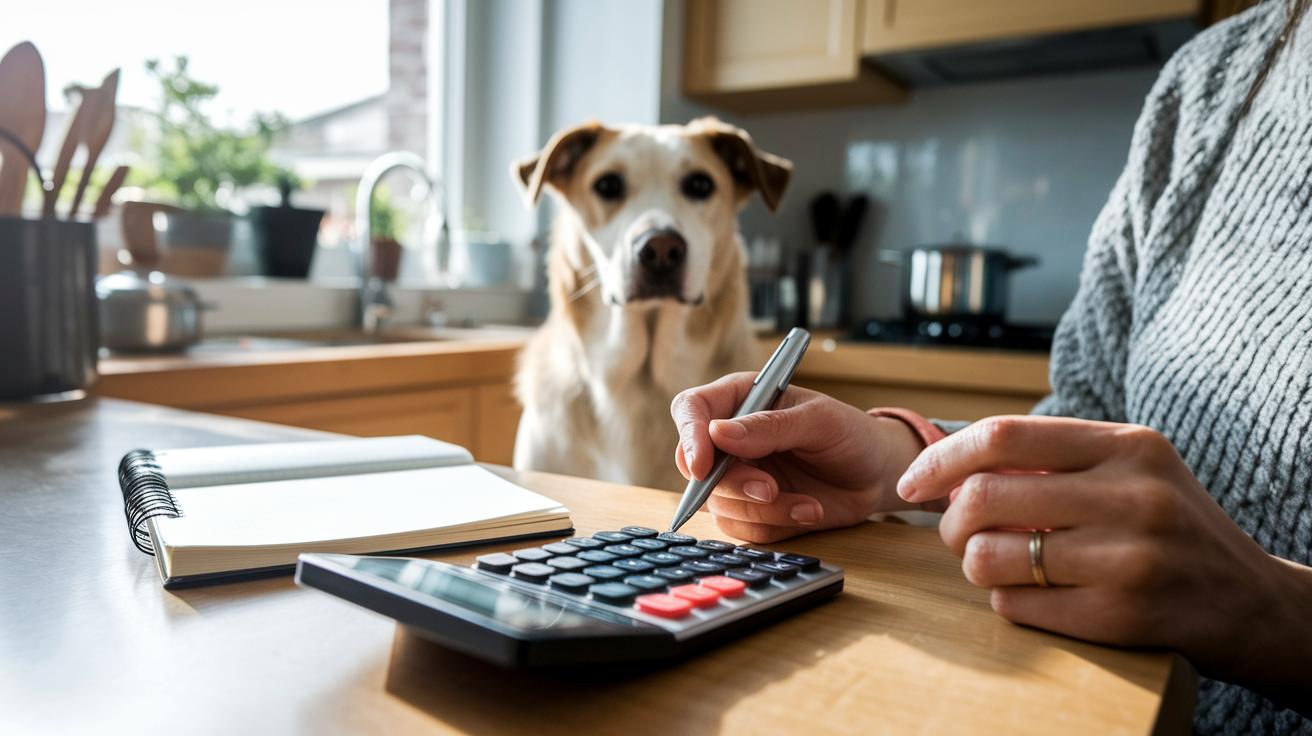
Figure out your dog's calorie needs first. Use a simple formula to find the resting energy requirement (RER): multiply 70 by your dog's ideal weight in kilograms raised to the 0.75 power. Next, adjust the number by multiplying by a factor between 1.2 and 1.8. For example, if your dog should weigh 10 kg (about 22 lbs), plug that number into the formula for a baseline and then adjust it depending on how much your dog moves around.
Count every calorie your dog eats, including treats. Try to keep treats to no more than 10 percent of the total daily calories. This makes the meal plan more precise and helps support healthy weight loss.
Keep track of your dog's progress by weighing them every two weeks. Use a simple feeding chart to note daily portions, weight changes, and any shifts in energy or appetite. Overweight dogs usually stick to this plan for 2 to 4 months, while obese dogs may need 4 to 6 months to reach their goal. Noticing small changes during weigh-ins can help you decide if you need to tweak the plan.
Integrating Weight Management Dog Food into Your Dog’s Wellness Plan
Using weight management dog food is a smart choice for any pet owner. It works best when combined with daily exercise and regular checkups with your vet. Try to create a routine that includes short walks, light play, or even a gentle jog. This not only burns extra calories but also helps your dog build strong muscles and stay agile.
Keep an eye on your dog's body condition. If your pup is just a bit overweight (around 10-20% above ideal), extra exercise and a few small changes to their meals can help. For dogs that are much heavier (more than 30% over ideal), a closely monitored feeding plan with diet, exercise, and some training tweaks might be needed. It’s a good idea to visit your vet every 2 to 3 months to track weight changes, update food portions, and talk about any shifts in energy or behavior.
A simple log of daily food amounts and exercise can really help. One example might be, "After dinner, we take a 15-minute walk to shed a few extra calories." This tip lets you see what works well and what might need a little change. Working together with your veterinarian makes sure that your dog's weight loss is safe and fits well into an overall plan for better health.
Veterinarian-Backed Safety and Expert Advice for Weight Management Dog Food

Talk with your vet about your dog's diet. If lab tests show even tiny changes or if your dog's coat loses its usual shine, it could be a sign to adjust their food.
Work together with your vet to set simple goals. Keep an eye on your dog's energy, lab results, and the look of their coat as you make any diet changes.
- Keep track of lab results and coat health
- Schedule regular checkups to review any changes
Final Words
in the action, we examined how weight management dog food offers lower-calorie meals with essential nutrients to support safe weight loss while preserving lean muscle mass. We broke down key ingredients, compared top formulas, and outlined portion control techniques for effective canine slimming diets. We also highlighted the benefits of combining diet with exercise and routine vet checkups for obesity prevention. This balanced approach guides you to make confident decisions that benefit your pet’s health. Keep moving forward with informed choices for a happier, healthier dog.
FAQ
What is the best weight management dog food?
The best weight management dog food is a low-calorie, high-protein formula with added fiber to keep your pet full. It is veterinarian-recommended and designed specifically to support safe weight loss and preserve lean muscle.
Does weight management dog food really work?
The weight management dog food works by providing fewer calories while adding fiber for fullness. It helps your pet lose weight safely, maintain muscle mass, and improve overall health when paired with regular exercise.
What can I feed my overweight dog to lose weight?
The best feed for an overweight dog includes low-calorie, nutrient-rich formulas that limit fats and sugars while boosting fullness with fiber. This helps reduce weight slowly and supports muscle health when combined with proper exercise.
Are there weight management dog food options without chicken?
Weight management dog food without chicken offers alternative protein sources, like fish or lamb. These formulas still provide balanced, low-calorie meals to help your pet lose weight safely while accommodating food sensitivities.
What options exist for both large and small breed weight management dog food?
Weight management formulas are available for both large and small breeds. Options for large breeds offer specific portion guidelines based on size, while small breed formulas provide controlled calories and balanced nutrition tailored to their needs.
How do products like Royal Canin and Costco compare in weight management dog food?
Royal Canin weight management options and Costco brands offer balanced, low-calorie meals. Royal Canin is known for its veterinary backing, while Costco provides affordable, quality formulas that deliver essential nutrients for healthy weight loss.
What are the differences between fresh and dry weight management dog food?
Fresh weight management dog food uses raw ingredients with higher water content to aid fullness, while dry formulas deliver convenience and measured calories. Both types support safe weight loss when integrated into your pet’s overall diet and exercise plan.