



Have you ever noticed your dog acting wild when meeting new people? Dog experts watch carefully for little hints in your pet’s everyday actions. They use solid science to help your dog swap rough behaviors for calm ones.
In this post, you’ll find simple, trusted tips to help bring more peace to your home. We explain how to read a wagging tail and spot signs of anxiety (nervous feelings that can show your pet is stressed). These tips can make a big difference in your dog’s daily life.
Ready to turn those noisy barks into gentle quiet?
Defining the Dog Behaviorist: Roles, Services, and Impact
Dog behaviorists watch every little move your pet makes. They notice when a dog wags its tail, growls, or bows to play, and this helps them understand what the dog is feeling. Their goal is to turn rough behaviors into calm habits using plans based on science.
While standard training teaches simple tricks like “sit” and “stay,” behavior modification digs deeper. If your dog barks non-stop at visitors, a behaviorist checks the setting and the dog's unique body language to find the cause. This way, both you and your pet enjoy more peaceful moments together.
Many dog behaviorists offer different services to suit various needs. These can include CRT K9 programs, Service Dog Training (to help dogs support people with special needs), Board & Train packages (hands-on, intensive training), Puppy Training for early lessons, and Dog Daycare to boost social skills in a structured setting. For instance, a Board & Train program might help a reactive dog learn to stay calm around strangers step by step.
Their work makes everyday pet care less chaotic and more joyful. With keen observation and practical steps, they tackle both serious behavior issues and basic obedience. A small tail wag might just hold the key to a calmer, happier pet life!
Certifications and Qualifications for Certified Canine Consultants
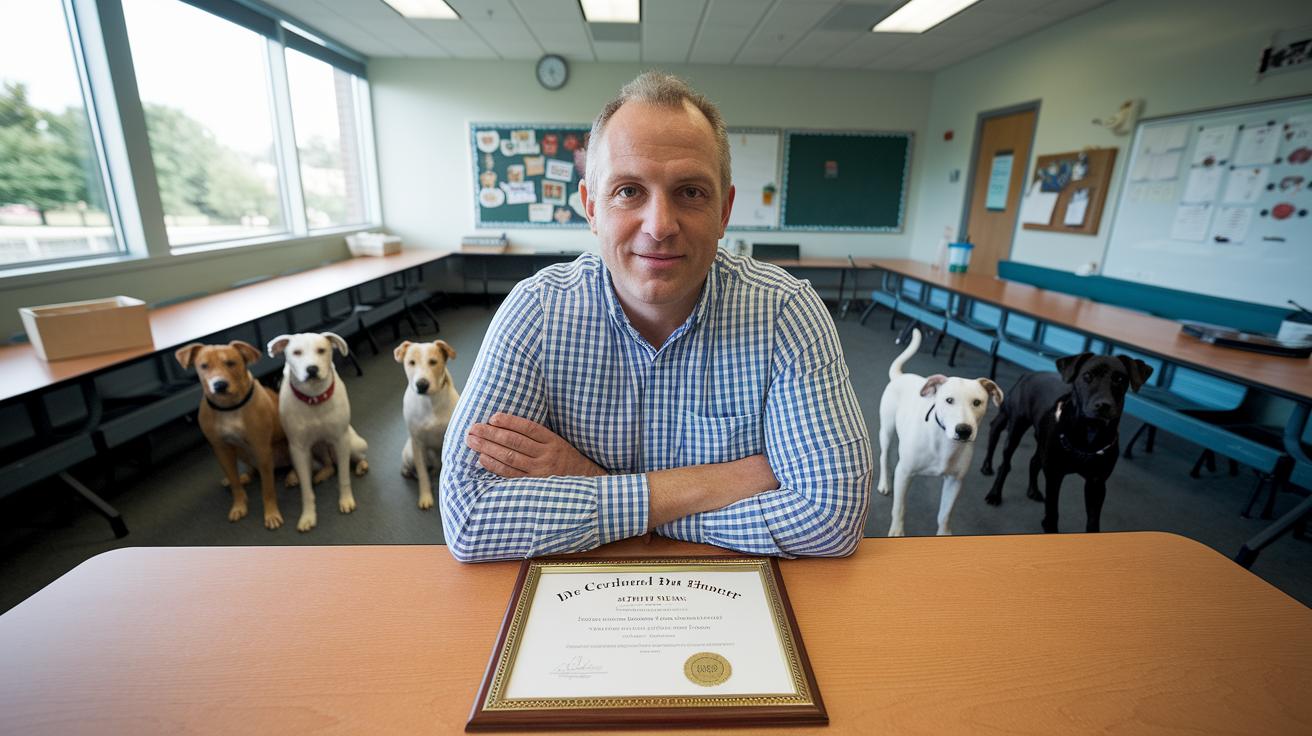
Many dog behavior experts begin their careers by studying veterinary science, animal studies, or psychology. They often take accredited pet behavior courses that teach both solid knowledge and real-life skills, much like a student gaining hands-on experience at a wildlife shelter. These courses help shape the future of certified canine consultants.
Certified canine consultants usually earn credentials from well-known groups like the International Association of Animal Behavior Consultants and the Association of Professional Dog Trainers. These groups set high standards and require experts to renew their certificates every three years. This ensures that pet parents know their consultant is keeping up with the latest research and techniques.
There are several levels of certification. An Associate Certified Applied Animal Behaviorist typically holds a Master’s degree and has at least two years of supervised experience. In contrast, a Certified Applied Animal Behaviorist usually has a Doctorate, five years of work experience, and research publications under their belt. These qualifications prove that the expert combines deep theory with hands-on practice to manage tricky pet behavior issues.
Practical training is very important too. Many accredited canine behavior specialists build on their formal studies with internships and volunteer work. Certification courses emphasize continuous learning and real-world experience, which helps experts support calm dogs and happy households.
Common Behavioral Issues and Intervention Techniques by Dog Behaviorists
Many caring pet owners deal with issues like constant barking at visitors, jumping on guests, furniture chewing, or even aggressive lunging. A dog behavior expert starts by watching the pet in its everyday setting. They look for triggers and pay close attention to the dog's body language. This careful check helps them set up a custom plan with clear steps.
Interventions work to bring back calm and build confidence. Changing the environment is one simple way to help. For example, adding fun toys or creating a quiet spot with soft bedding and familiar items can ease your pet’s anxiety when guests come over.
Another effective method is counterconditioning. Think of a dog that barks a lot when it hears the doorbell. A behaviorist might give a treat or kind praise right after the doorbell rings. When done in a controlled way, many dogs start to see the doorbell as a signal for something good instead of a cue to bark.
Positive reinforcement is also very important. Each time your dog stays calm or stops barking on command, reward it. This clear cause and effect shows the dog that good behavior earns praise.
Experts also teach dogs different, more acceptable actions. For example, teach a dog that jumps on people to sit instead when someone enters. Using treats and simple verbal cues consistently helps make these changes stick.
- Observe and note what sets off the behavior
- Make changes in the pet’s surroundings
- Pair triggers with rewards
These science-backed steps offer trusted advice so you can help create calmer, happier days with your furry friend.
How to Hire and Evaluate a Professional Pet Behavior Consultant
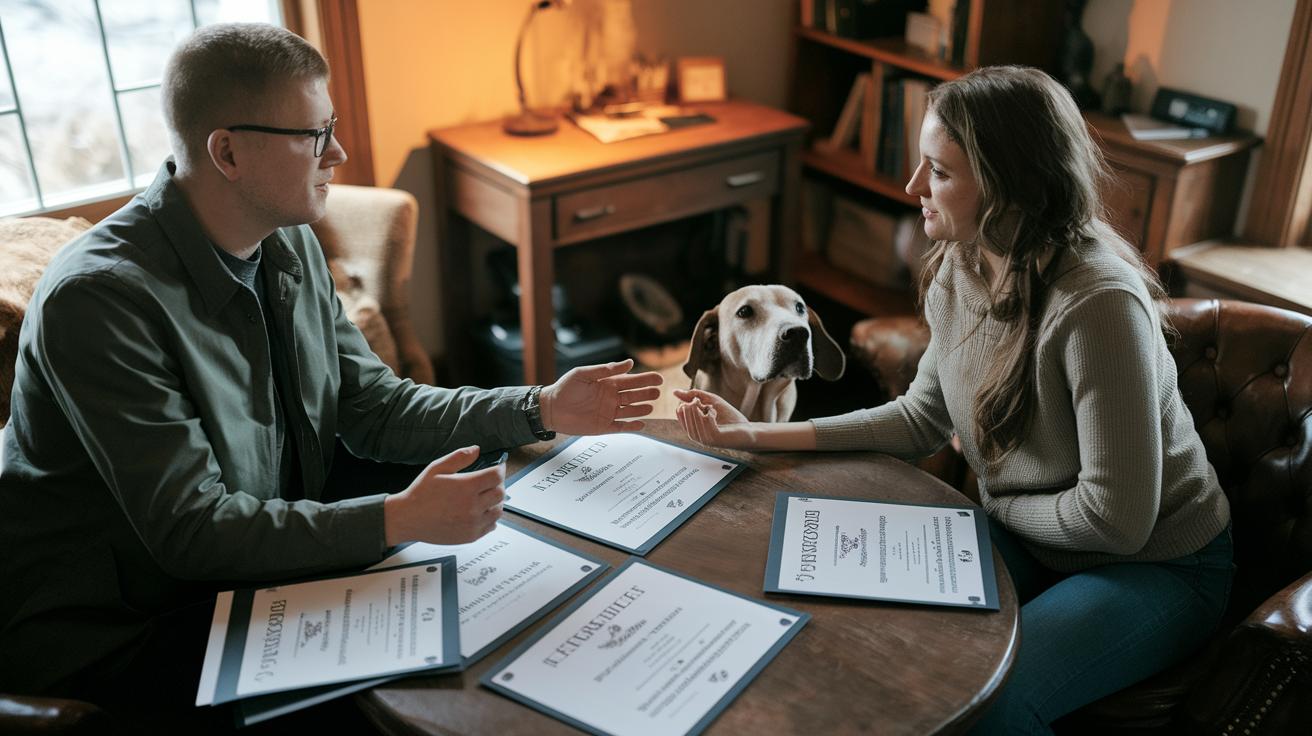
When you're looking for a dog behavior expert, start by checking their credentials and experience. Ask if they work with common issues like aggression or anxiety, and request examples of hands-on work with dogs. Look for professionals with proper training and certifications from trusted organizations that update their standards every three years.
It also makes sense to talk about fees and budget. For example, obedience classes typically cost between $30 and $120 per session, while a full behavior modification program can run from $1,500 to $3,000. Knowing these costs can help you plan ahead. And don’t forget to check if your pet insurance includes behavioral consultations or offers a 24/7 emergency helpline.
- Verify licenses, certifications, and any specialized training
- Ask how many years they have worked directly with pets and about their success with treatments
- Request references or testimonials from other pet owners
Talking through these details with a potential consultant can help you find someone who is a trusted advisor and can create a calm, reassuring environment for your dog.
Collaboration Between Dog Behaviorists and Veterinary Behavior Consultation
Licensed vets can specialize in behavior after completing a focused two-year residency and passing the board exam with the American College of Veterinary Behaviorists. This extra training helps them offer practical behavioral tips and, when needed, prescribe medicine. For instance, if your dog seems more irritable, your vet will likely check for issues such as arthritis or hearing loss before starting any behavior changes.
If you notice big shifts in your pet's behavior, talk to your vet first. A thorough check-up can show whether it's a health issue or a behavior problem that a dog behavior expert can handle later. This team approach makes sure you get complete care. And if a medical condition is behind the changes, prompt treatment might help your pet feel calmer again.
Working together, a dog behavior expert and a vet specializing in behavior provide a full view of your pet's well-being. This teamwork reassures you that every part of your pet's care, from behavior to health, is managed with genuine care.
You should:
- Talk with your vet if your pet's behavior changes suddenly.
- Get a full medical exam before beginning any behavior modification steps.
Success Stories and Case Studies in Canine Behavior Modification

One case saw a dog lower its door-barking by 80% in six short weeks. The behaviorist made a simple plan where every time the doorbell rang, the dog got praise and a treat. This change helped the dog learn that the doorbell means a reward, not something to worry about.
Another case featured a pet struggling with separation anxiety. By keeping daily notes, the behaviorist noticed a 60% drop in anxiety behaviors over a set period. The plan built the pet's confidence little by little with small, steady wins.
A closer look at various cases shows that a plan based on clear steps and regular check-ups can really change a pet’s behavior. One specialist found that keeping an eye on progress and adjusting the training made a big difference, even outside of a typical classroom.
Here's a simple list of steps that helped:
| Step | Description |
|---|---|
| 1 | Record the pet’s starting behaviors |
| 2 | Use controlled counterconditioning techniques |
| 3 | Monitor progress with daily logs |
These stories prove that with the right guidance and consistent steps, pet owners can help their dogs become calmer and happier.
Continuing Education and Emerging Trends for Canine Behavior Specialists
Staying current is very important for any dog behavior expert. Lots of specialists are now choosing accredited online pet courses that let them learn at their own pace and join in on face-to-face workshops. For example, these courses teach new ways to help dogs manage stress while still fitting into a busy schedule.
Online classes focused on behavior change are more popular than ever. They give professionals access to the latest research from trusted journals and conferences. Imagine reading a fresh study that explains natural, whole-body methods to ease pet anxiety – it really changes the way you help calm a dog. Plus, workshops from respected groups offer hands-on practice with therapy techniques that mix behavior skills with easy relaxation steps.
New trends like pet mindfulness (a practice that helps pets focus on the moment) and fun ways to enrich a dog’s environment are on the rise. These ideas combine science with genuine care to help dogs feel better. Also, most specialists need to recertify every three years. This helps them review and update their skills so they can always offer the best care.
Staying updated means behavior experts can give pet owners the latest and most effective tips to help their dogs stay calm and balanced.
Final Words
In the action, this article broke down what a dog behaviorist does, from addressing common issues to explaining various training plans. It reviewed certifications, credentials, and tips on hiring a trusted professional. We also highlighted real success stories and the link between veterinary and behavior consultations. The guide aims to give you clear, evidence-based steps when considering a dog behaviorist. Enjoy the journey toward a happier, healthier pet and feel confident in every decision you make.
FAQ
Where can I find a dog behaviorist near California, Texas, or in my area?
The search for a nearby dog behaviorist involves looking up local pet care directories, asking your veterinarian for referrals, or using an online search to locate experts in California, Texas, or your region.
How does one become a dog behaviorist?
The path to becoming a dog behaviorist involves getting education in animal sciences, psychology, or veterinary studies, followed by certification from recognized bodies and accumulating supervised experience.
How is a dog behaviorist’s salary determined?
The salary of a dog behaviorist largely depends on experience, location, and services offered. Those new to the field may earn less, while experienced specialists typically earn more.
How much does a dog behaviorist cost?
The cost for a dog behaviorist varies by service type. Classes may cost $30–$120, while full behavior modification treatments can range from $1,500 to $3,000, based on the expert’s experience and region.
What does dog behaviorist certification involve?
The dog behaviorist certification requires formal training from organizations like the International Association of Animal Behavior Consultants, completed coursework, and regular recertification to stay updated with current practices.
How can I find a dog behaviorist?
The process to find a dog behaviorist includes asking your veterinarian, checking online reviews, or consulting local pet care networks to ensure they have the necessary credentials and experience.
What does a dog behaviorist do for a dog?
A dog behaviorist assesses your dog’s actions, creates tailored behavior modification plans, and uses techniques like positive reinforcement and counterconditioning to address issues such as aggression or anxiety.
When should a dog see a behaviorist?
A dog should see a behaviorist when common training isn’t improving problematic behaviors like aggression, separation anxiety, or excessive barking, ensuring both safety and a happier pet-owner life.