

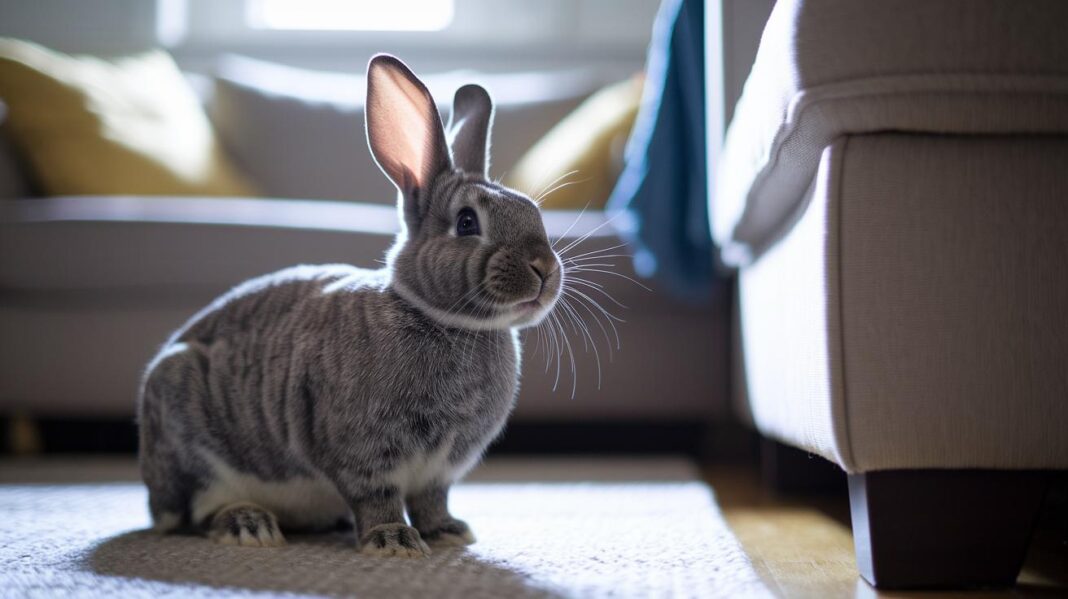

Have you ever noticed your rabbit’s ears twitch? Rabbits share their feelings using small clues like ear positions, quick nose wiggles, and gentle tail flicks. Learning these signals helps you connect with your bunny and keep it calm and safe. In this post, we explain common rabbit cues, from ears standing up to a playful jump called a binky. Get ready to understand your pet’s mood and enjoy more happy moments with your furry friend.
Core Rabbit Body Language Signals Explained
Rabbits speak without words. They use small clues like ear positions, quick nose wiggles, their body stance, and tail movements to show how they feel. A tiny ear twitch or a gentle head nudge can tell you a lot about their mood.
Understanding these signals is important for keeping your bunny happy and safe. When you notice playful binkies (joyful jumps) or slow, careful moves, you know something might be off, like stress or too much excitement. This helps you adjust their space so they feel calm and loved.
- Ear positions: Ears pointed forward mean your rabbit is alert, while relaxed ears show they are comfortable.
- Nose wiggles: These quick moves help them explore and show curiosity.
- Postures: When your rabbit loafs or flops, it’s a sign they feel safe and trust you.
- Tail movements: A thump or flick can warn of fear or annoyance.
By learning these simple signals, you create a stronger bond with your pet. Understanding their body language helps you respond with care, making it easier for your bunny to share happy moods, like a cheerful binky or a soft head nudge.
Decoding Rabbit Ear Positions and Twitching Cues

Rabbits talk without words using their ears. Watching your bunny’s ear moves can show if it’s curious, scared, or just comfortable. These ear signals help you quickly understand your pet’s mood.
Forward Ears: Alertness and Curiosity
When your rabbit points its ears straight ahead, it is ready to listen and explore. This shows your bunny is curious and paying attention to new sounds or sights. It’s a clear sign that your pet is alert and engaged.
Pinned-Back Ears: Fear or Aggression
If you see your rabbit’s ears pushed flat against its head, it might be feeling scared or even aggressive. When threatened, a bunny tucks its ears back to protect itself and send a warning. This posture means your pet isn’t feeling safe in that moment.
Relaxed Ears: Comfort and Contentment
Ears that droop slightly, resting at about a 45º angle, usually mean your rabbit feels calm and secure. This relaxed position shows your pet is enjoying a safe and peaceful time in its home.
Ear Twitching/Shaking: Listening or Finding Balance
Sometimes you might notice your bunny’s ears twitching quickly or shaking. This can happen when it is tuning in to soft sounds or trying to keep its balance. It’s a natural move that helps your rabbit stay aware of its surroundings.
Interpreting Rabbit Postures: Loafing, Flopping, and Alert Stances
Noticing how your bunny holds its body gives you clues about its feelings and health. When your rabbit loafs or flops, it usually means it feels safe and relaxed in its space. But if you see your bunny flatten itself close to the ground or hunch its body, this could mean it’s on high alert or even uncomfortable. Keeping an eye on these signals helps you decide if your rabbit’s area needs a little change.
| Posture | Description | Emotion |
|---|---|---|
| Loafing | Curled up on its side | Calm |
| Flopping | Rolling onto its side or back | Trusting |
| Flattening | Body pressed low to the ground | Alert |
| Hunched | Paws lifted, belly tense | Uncomfortable |
| Periscoping | Standing up on hind legs | Curious |
When you see a gentle loaf or a playful flop, it shows your pet feels secure. But if your bunny flattens or looks hunched, it might be time to take a closer look at its comfort or health. By watching these little details, you can make small tweaks to help your rabbit feel even more at home.
Tail Flicks, Nose Wiggles, and Facial Expressions
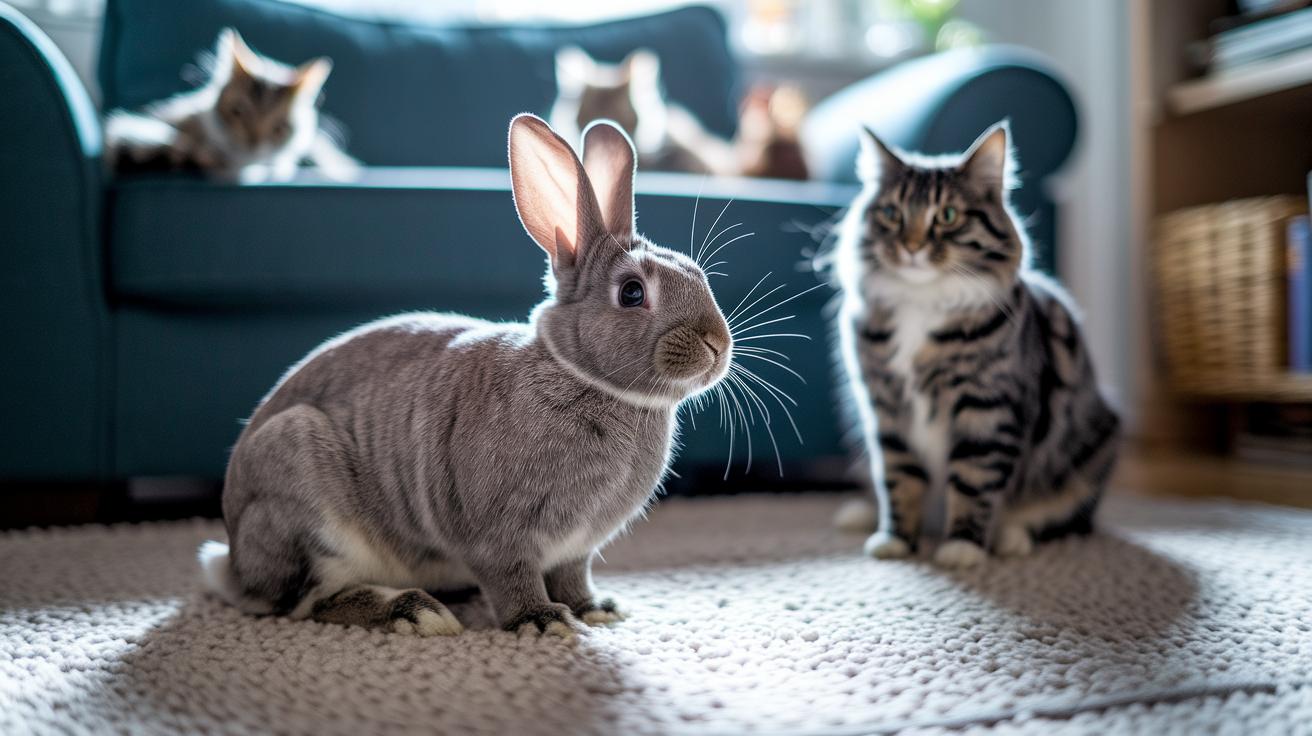
A loud thump from your rabbit can be a warning sign. It may mean that something is wrong or that your pet feels irritated, so check the area for any changes.
A gentle tail flick, on the other hand, shows that your bunny is excited or feeling friendly. For example, if it flicks its tail softly after a treat, it is enjoying the moment and feels safe.
Your rabbit uses quick nose wiggles and moving whiskers to learn about its world. Fast sniffs help it sense different smells, and when its whiskers point forward, it means your pet is curious about something new, like a toy.
Watching your bunny's eyes also helps you understand its feelings. Wide eyes may mean fear or high alert, while half-closed eyes show relaxation and comfort. Noticing these signs can help you care for your pet in a gentle and loving way.
Recognizing Stress and Health Indicators in Rabbit Behavior
Rabbits can show they are stressed through small behavior changes. When a bunny feels anxious or hurt, it may make odd chewing sounds or change how it sits. These nonvocal signals let you know something might be off, whether it’s pain or even boredom. Spotting these hints early lets you adjust your pet’s space so they feel calmer and stay healthy.
- Loud tooth chattering
- A hunched posture
- Droppings spread around
- Hiding too much
- Quiet, soft thumps
- Chewing on things destructively
- Suddenly dashing around
Keep an eye on your rabbit over time. If you notice these signs again and again, jot down what you see and talk with your veterinarian. This careful approach helps catch potential issues early and keeps your bunny comfortable.
Responding to Rabbit Nonverbal Cues for Better Bonding

Before you interact, take a moment to watch your bunny’s body language. Notice small hints like relaxed ears, slow head nudges, or gentle nose wiggles. These signs tell you your rabbit feels safe and is ready for a little affection. Recognizing these clues helps you know when to approach calmly, keeping both of you stress-free.
When you’re ready to respond, try these three tips:
- Gently pet your bunny when you see it relaxed.
- Offer a quiet spot with cozy hiding places and soft surfaces where your rabbit can retreat.
- Reward calm behavior, like a soft head nudge or peaceful posture, with a small treat or a soothing voice. This creates a friendly routine over time.
Adapting to your bunny’s signals with care and patience strengthens your bond. When your rabbit learns that gentle gestures lead to kind attention, it feels more confident in its surroundings. Over time, these simple, consistent interactions reduce stress and build trust, making both you and your rabbit feel happier every day.
Final Words
In the action of reading through this post, you learned how rabbits speak without words. You saw how ear positions, postures, and tail movements reveal their feelings and safety needs. Small cues like ear droops and gentle tail flicks offer clues to their mood.
This post covered how loafing, flopping, and stress signals relate to wellbeing. With the key insights on understanding rabbit body language, you now have practical ways to keep your bunny safe and happy.
FAQ
What does unhappy rabbit body language look like?
The unhappy rabbit body language means your bunny might show a hunched posture, flattened ears, or lie down awkwardly. These signals indicate stress or discomfort.
How can I learn about rabbit body language using videos or pictures?
Using videos or pictures lets you see how rabbits use ear positions, nose wiggles, and postures to express themselves. Visual guides simplify recognizing your bunny’s cues.
What is the 3-3-3 rule for rabbits?
The 3-3-3 rule for rabbits is a guideline suggesting you observe three key behaviors, check on your bunny every three days, and offer three types of enrichment to keep your pet content.
How do you know when a rabbit likes you?
The signs a rabbit likes you include gentle flopping, relaxed body posture, and seeking soft petting. These behaviors show your bunny feels safe and trusts you.
How do you know when a rabbit is happy?
A happy rabbit displays calm loafing, playful hops, and active nose wiggles. These behaviors reflect a secure, relaxed mood and a content pet.
What are signs of a stressed rabbit?
Signs of a stressed rabbit include a hunched posture, rapid thumping, excessive hiding, destructive chewing, scattered droppings, and sudden dashes. These cues suggest your bunny is uneasy.