
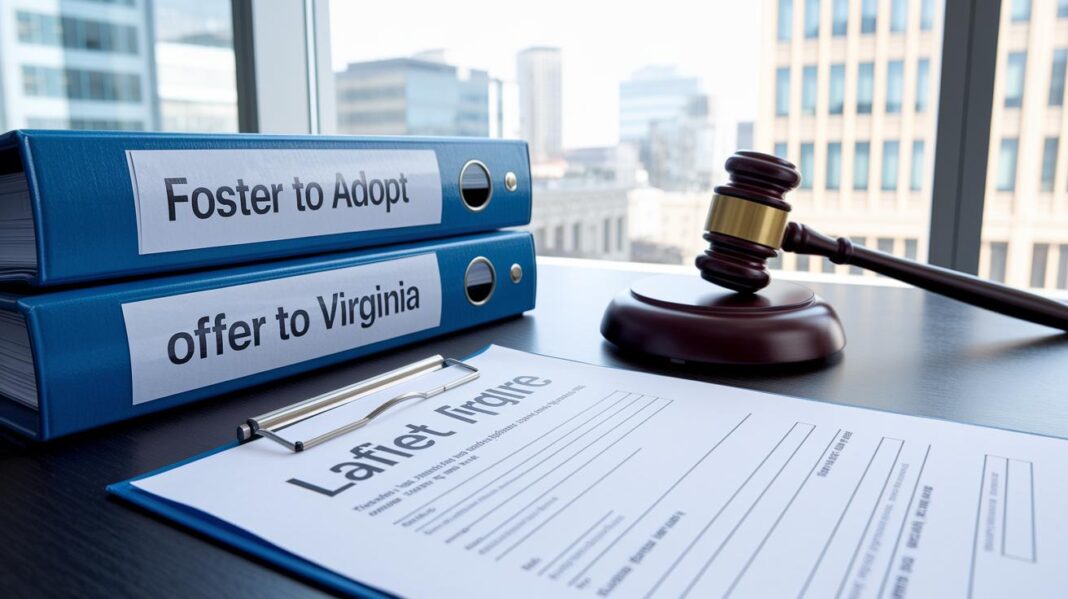

Have you ever thought your home could be a forever sanctuary for a child? Foster to adopt in Virginia is more than just paperwork, it changes lives for both kids and families. It gives you a clear, step-by-step plan to help children, including sibling groups, find lasting stability. Nearly 2,000 children are waiting for a loving family. This guide shows you smooth legal steps to turn your caring vision into a bond that brings joy and security to everyone involved.
How to Transition from Foster Care to Adoption in Virginia
Virginia has special foster-to-adopt programs that help children either return to their birth families when safe or find a permanent family when reunification is not possible. About 5,000 children are in foster care in Virginia. Out of these, roughly 1,700 are ready to be adopted and more than 600 are waiting for a forever home. Many of these kids are between 5 and 14 years old and often come from sibling groups, so keeping them together is very important.
The process is set up to lead families step by step toward a permanent adoption. First, families must meet state licensing standards before they move on. Here is a clear, simple path:
- Licensing approval: Families complete the state-required training and home inspections to qualify for fostering.
- Child matching: Prospective parents are matched with a child or sibling group that fits well with their home.
- Placement: The child or children go to their approved foster home while their progress is monitored.
- Adoption finalization: All legal steps are completed to make the foster placement a permanent family relationship.
This easy-to-follow plan helps families know what to expect and prepares them for every stage of their foster-to-adopt journey in Virginia.
Eligibility Criteria for Foster-to-Adopt in Virginia
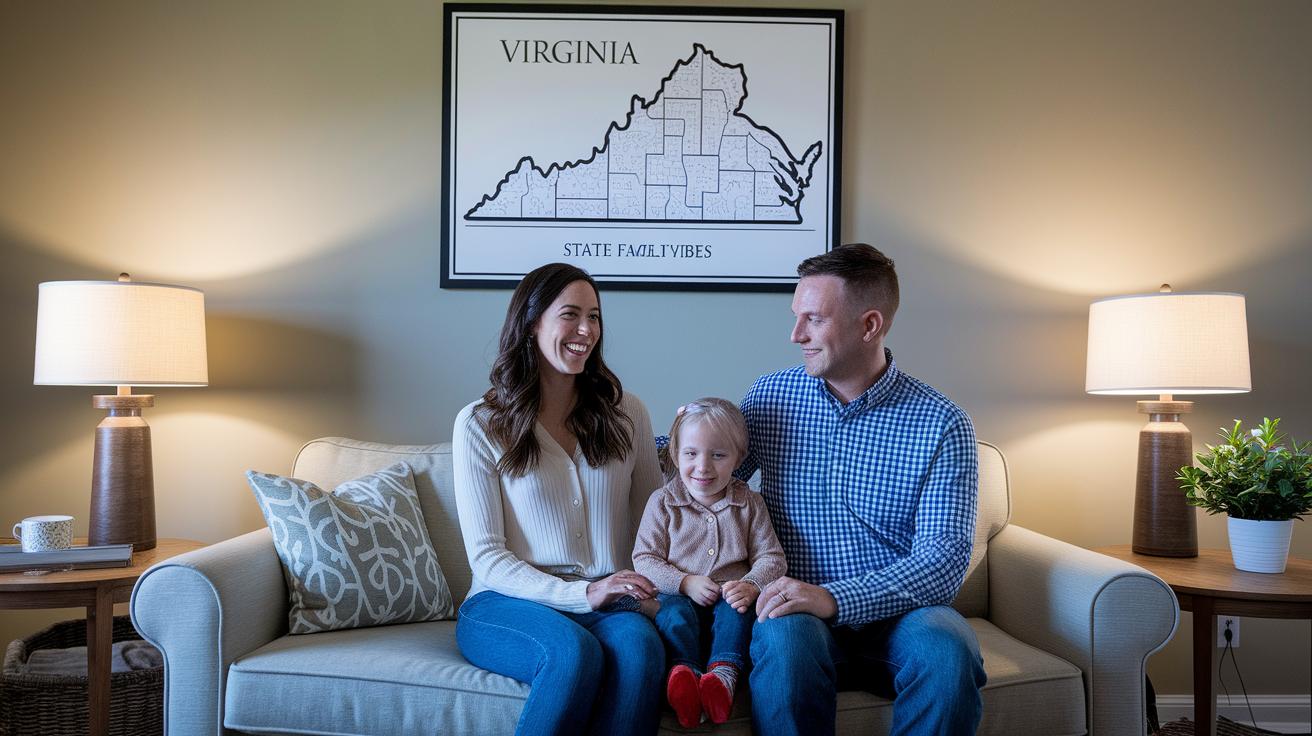
If you want to become a foster-to-adopt parent in Virginia, you must meet a few simple state rules. These rules help make sure that children move into safe, loving, and steady homes. Here are the key points:
- Be at least 21 years old. This shows you are an adult ready for a caring role.
- Pass criminal background checks. Both local and national checks are done to keep every home safe.
- Have a steady income and stable housing. Being financially secure helps you meet everyday family needs.
- Finish pre-adoption training. The classes teach you about child growth and the foster-to-adopt process.
- Show that you can care for school-aged children and sibling groups. You may need to provide references or proof of past caregiving.
Health screenings and references are also required. These steps work together to help every child move safely into their new family.
Step-by-Step Application Procedures for Foster-to-Adopt in Virginia
The application process is broken into easy steps to guide families from foster care to a permanent home. Each step helps you meet important legal and practical needs.
- Initial Inquiry: Contact the Virginia Department of Social Services (DSS) or an approved agency to share your interest and learn what resources are available.
- Form Submission: Fill out the application forms with true details about your home, income, and family background.
- Preliminary Interviews: Join a brief interview where you talk about your reasons and readiness to care for a child. This helps DSS understand your situation.
- Home Study: Set up a visit with a licensed social worker who will check your living space to ensure it is safe and comfortable for a child.
- Training Course: Sign up for a class that teaches practical skills for caring for school-aged kids and sibling groups.
- Background Checks: Complete local and national checks to keep the home safe for every child.
- Child-Matching Meetings: Participate in meetings where a DSS expert matches you with children who may be a good fit for your family.
- Placement Approval: After you finish all steps, you will receive placement approval. This is the last step before your adoption becomes official.
For example, during the home study, a licensed worker might say, "Your home is lively and safe; it's exactly what a child needs to feel secure and loved."
How to Transition from Foster Care to Adoption in Virginia
If you’re ready to move from foster care to adoption in Virginia, you'll follow a clear, step-by-step process. This process comes with special rules that make sure your home is safe and a good fit for a permanent family. The state also has extra checks and ongoing monitoring by the Department of Social Services (DSS).
For example, when a DSS official visits your home, they might tell you, "Your home meets all the standards for a safe, permanent placement."
Eligibility Criteria for Foster-to-Adopt in Virginia
Virginia has added some extra steps to make the process safer and clearer. Now, the state asks for updated background checks, new training, and a closer look at your home setup.
- You must be at least 21 years old to take on permanent care duties.
- You need to pass both local and national criminal background checks. These now include extra reviews to help ensure a safe home environment.
- You must have a steady income and stable housing to show that you can keep a safe home.
- You have to complete updated pre-adoption training. This training teaches practical care skills and new legal steps so you are well-prepared.
- You must prove you can care for school-aged children and sibling groups. This involves health checks and reference checks to make sure you offer a nurturing home.
Step-by-Step Application Procedures for Foster-to-Adopt in Virginia
These clear steps will guide you as you move from foster care to adoption. We include simple tips and legal details to help you at each stage.
-
Initial Inquiry – Start by calling your local Department of Social Services (DSS) or a trusted agency. Let them know you are interested in foster-to-adopt. A quick tip: Ask, "What documents do I need for my first inquiry?" This call lays down the legal and practical groundwork.
-
Application Form Submission – Next, fill out the necessary paperwork. This form covers details about your home, finances, and family background. For example, mention any recent changes at home that improve safety.
-
Preliminary Interviews – Then, attend a short interview where officials check your readiness and ask why you want to adopt. It may help to practice answering a question like, "What inspired you to adopt?" ahead of time.
-
Home Study Scheduling – Arrange a visit with a licensed social worker who will assess your home. Make sure safety features, like secure windows and working smoke detectors, are in place. Write down any questions you have for the visit.
-
Training Course Completion – You will need to complete a training course that covers child development and foster care practices. It offers practical tips, such as how to handle bedtime routines.
-
Background Checks – Be prepared for thorough background checks at both local and national levels. These include reviews of criminal records and child abuse registries. Honesty about your history is important for meeting legal standards.
-
Child-Matching Meetings – Join meetings with specialists who help match your family with a child or sibling group. Bring a note of your daily routines to help find the best match for your family.
-
Placement Approval – Finally, after meeting all the requirements, you will sign the final paperwork. Read all documents carefully and ask for help if any legal terms are unclear. This step makes sure you understand your rights and responsibilities.
Home Study and Background Screening Requirements in Virginia
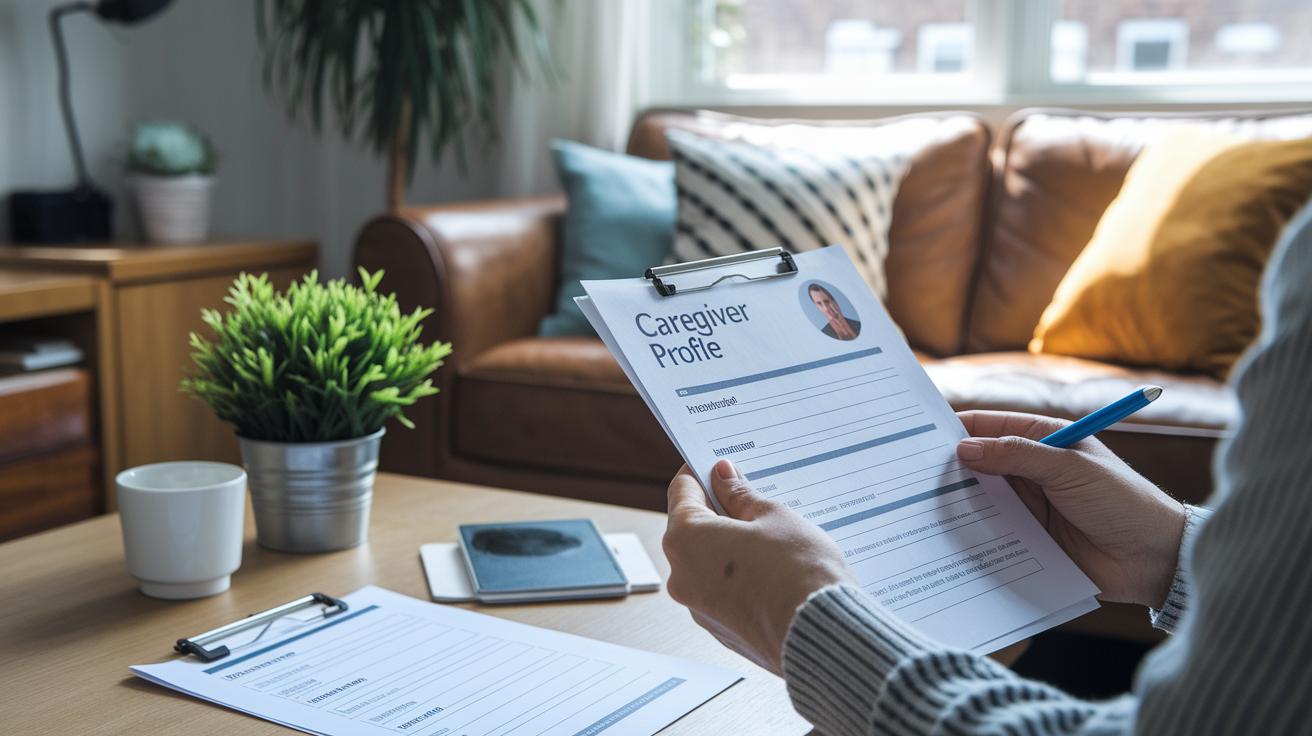
A licensed social worker visits the home to check that the space is safe and friendly for children. They look for features like secured furniture and outlet covers. At the same time, background checks are done to review criminal records, abuse reports, and include fingerprinting. In Virginia, there are five key areas that get special attention:
| Requirement | Purpose |
|---|---|
| Home Safety | Make sure the home is secure and set up well for kids. |
| Financial Stability | Check that funds are available for child care needs. |
| Interpersonal Relationships | See if family members support and care for each other. |
| Training Completion | Confirm that foster-to-adopt training has been finished. |
| Medical Reports | Look at health records to find any issues that might affect care. |
For example, a social worker might note that a living room with secured furniture and outlet covers shows a strong commitment to making the home safe for children.
foster to adopt virginia: smooth legal steps
Adopting a child from foster care in Virginia comes with extra financial help. The state does not charge direct fees for a foster-to-adopt placement, so families receive funds to help with child care costs. This support lets parents focus on providing a safe, loving home without the high fees seen in some private adoptions.
You can receive daily maintenance payments of $15 to $25 for each child. This money helps cover everyday expenses like food and utilities. There are also clothing allowances to keep your child's wardrobe up to date as they grow. Plus, both state and federal tax credits help lower your tax bills, making a real difference at tax time.
Below is an overview of three main financial assistance programs to consider:
| Program | Benefit | Eligibility |
|---|---|---|
| Maintenance Payments | Daily money for child care costs | Approved foster-to-adopt placements |
| Clothing Allowances | Funds for essential clothing needs | Families with foster children |
| Tax Credits | Lowers state and federal tax bills | Households that meet program guidelines |
These financial supports help create a more stable and affordable path to a permanent adoption in Virginia.
Regional Foster Care Adoption Agencies in Virginia

Virginia offers many trusted agencies that help families move from foster care to adoption. These agencies provide training, guidance, and support to those wanting to adopt, all while keeping children safe and loved. Here are five agencies known for their caring approach and local expertise:
- People Places: Started in Staunton in 1973, this agency helped pioneer treatment foster care. They now offer online sessions and certified training for new foster parents.
- Virginia Foster Connect: This DSS-licensed private agency gives families many resources and personalized support for their journey from foster care to adoption.
- Heartland Nonprofit Foster Network: A community group that brings together local help and training programs to guide families through the foster care process.
- United Faith Foster Services: A faith-based team focused on compassionate care. They work closely with local communities to match children with warm, loving homes.
- Blue Ridge Adoption Agency: A regional service known for steady guidance and support at every step of the foster-to-adopt process.
Post-Adoption Support and Resources in Virginia
When an adoption is finalized in Virginia, families gain access to a range of helpful services designed to support everyone involved. These resources help adoptive parents settle in while ensuring children can keep growing and thriving.
Guardianship help is there for those moments when life throws a few challenges your way. Counseling sessions offer a friendly space for both kids and parents to talk through their feelings and find comfort. There are also support groups where families swap stories and learn practical tips from others who have been in a similar situation. If you need a break, respite care gives you a chance to recharge while your child is safely cared for. Plus, educational workshops share key insights on child development and new parenting techniques.
You can explore these options through state agencies, nonprofit organizations, local community events, or by calling the helpline at 1-866-597-9292.
| Service | Description |
|---|---|
| Guardianship Assistance | Available at local DSS offices to offer ongoing legal advice and care support. |
| Counseling Services | Provided by community mental health centers and via helplines like 1-866-597-9292. |
| Support Groups | Meetings held in community centers or online forums organized by nonprofits. |
| Respite Care | Short-term, quality childcare available through state programs and regional services. |
| Educational Workshops | In-person classes and virtual sessions organized by DSS and local nonprofits. |
Real-Life Success Stories from Foster-to-Adopt Families in Virginia

-
Case study A: One group of three siblings stayed together in foster care for 18 months before being adopted by a loving family. This family worked closely with foster care experts to keep the siblings united. They admitted the journey was tough at times, but it ended in a rewarding way that brought stability and plenty of laughter back into the children’s lives. Their story shows that persistence and teamwork can build lasting bonds.
-
Case study B: A school-aged child found a caring, permanent home just six weeks after entering foster care. The adoptive parents loved how quickly things moved and how smoothly the transition went from foster care to a forever home. Every key moment, from the first meeting to celebrating the child’s first birthday, filled them with fresh hope and happiness for the future.
-
Case study C: A single parent completed all the necessary training and finalized the adoption in nine months. They described the whole process as transformative, thanks to the steady support and clear guidance from foster care professionals. This adoption brought them deep fulfillment and proved that dedication makes a lasting difference in a child’s life.
Final Words
In the action, we broke down Virginia’s foster-to-adopt process, from licensing approval to adoption finalization. We highlighted eligibility checkpoints, step-by-step application details, and the importance of home study and background checks. Financial considerations and local agency support also got a clear nod. We wrapped up with post-adoption resources and real-life success stories that inspire. This guide shows how families can confidently foster to adopt virginia and create joyful futures. Enjoy stepping forward with hope and determination.
FAQ
What options exist for babies for adoption in Virginia, including free opportunities?
The process for adopting babies in Virginia often happens through state-supported agencies that offer free foster care adoption options. These programs focus on finding a permanent home for newborns through licensed support.
What does Virginia adoption photolisting involve?
Virginia adoption photolisting involves viewing approved profiles and photos of children waiting for a permanent home on agency websites or state-managed platforms, which helps families match with a child.
What agencies are considered the best for adoption in Virginia, especially in Richmond and nearby areas?
The best adoption agencies in Virginia are licensed groups that provide both foster-to-adopt and private adoption services. Local resources in Richmond offer community-focused guidance and support.
How does private adoption work in Virginia?
Private adoption in Virginia means working directly with licensed agencies or the state system without entering foster care first, and it requires meeting legal and financial guidelines along with agency processes.
How are foster care payments structured in Virginia, and how much do foster parents get paid monthly?
Foster care in Virginia pays about $15–$25 per child per day. This monthly payment helps cover the child’s care costs and is determined based on the specific needs of each child.
What are the foster-to-adopt requirements in Virginia, and can I foster to adopt?
The foster-to-adopt pathway in Virginia requires applicants to be at least 21 years old, pass background checks, confirm stable income and housing, complete pre-training, and show readiness to care for children, including sibling groups.
How much do foster parents receive when adopting a foster kid in Virginia?
Foster parents in Virginia receive daily payments as financial assistance during foster care which continue through the foster-to-adopt process. These payments help cover day-to-day care expenses rather than representing profit.
How much does it cost to adopt a child in Virginia?
Adoption through the foster care system in Virginia typically incurs no direct fees, while private adoption may involve expenses that can reach tens of thousands of dollars, depending on the services used.
What is the overall adoption process in Virginia?
The adoption process in Virginia starts with contacting a licensed agency, completing an application, undergoing home studies and background checks, and following training sessions until the finalization of the adoption.
How do I apply to adopt a child from foster care in Virginia?
To adopt from foster care in Virginia, begin by submitting an adoption application, participate in interviews and a home study, complete necessary training, and engage in child matching meetings that lead to a finalized adoption.