

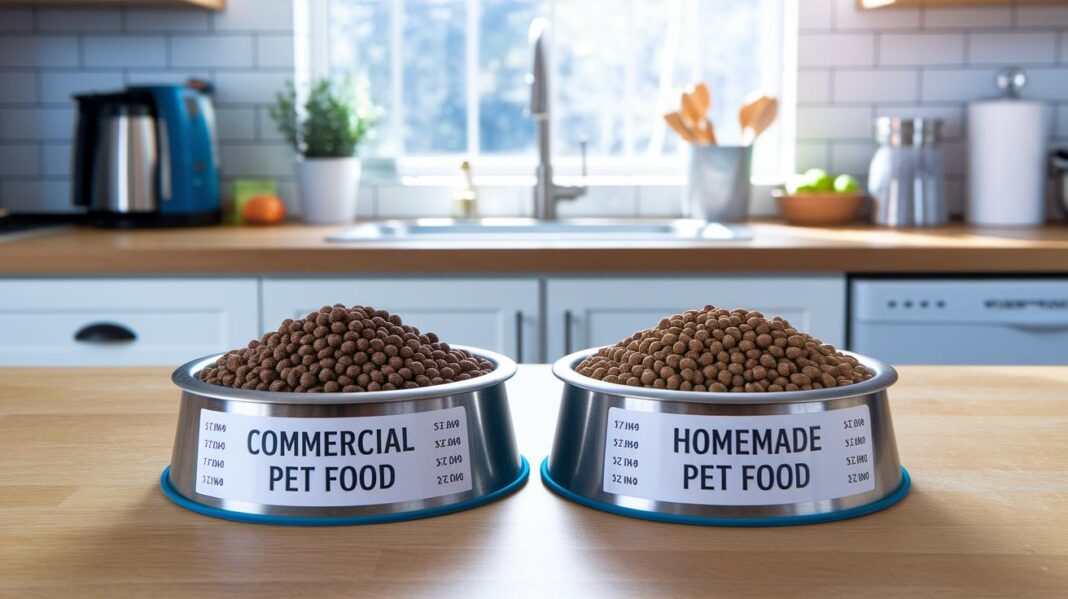

Ever wondered if making your pet’s meals at home is really better than buying commercial food? We looked at the basics like protein (the building blocks of muscles), fat, and vitamins to see what each diet offers.
Homemade meals let you control every ingredient, but there’s a risk of missing a key nutrient. On the other hand, commercial pet food follows strict standards to ensure your pet gets a balanced diet every time.
We’ve broken down the facts to help you choose the feeding style that best suits your furry friend’s needs. Read on for a clear look at the numbers that really affect your pet's health.
Comprehensive Nutritional Profiles of Commercial vs Homemade Pet Food
Commercial pet foods are made to meet strict AAFCO standards. They provide a steady mix of nutrients, usually with 25-30% protein, 10-15% fat, and 40-50% carbohydrates. These products also come with set amounts of vitamins such as Vitamin A, Vitamin D, and Vitamin E, plus minerals like calcium (1-2%) and phosphorus (0.8-1.5%). With commercial foods, you can trust that meal planning is simple.
Homemade diets can vary a lot depending on the recipe. Protein can range from 15% to 35%, fat from 5% to 20%, and carbohydrates from 20% to 60%. This means that without careful measurement, these meals can become unbalanced. It is very important to measure vitamins correctly to avoid problems like bone deformities or heart issues. Think of it as making a custom mix of boiled chicken and steamed vegetables; you need to get the balance just right.
| Nutrient | Commercial Average | Homemade Range |
|---|---|---|
| Protein | 25-30% | 15-35% |
| Fat | 10-15% | 5-20% |
| Carbohydrates | 40-50% | 20-60% |
| Vitamin A | Guaranteed | Varies |
| Vitamin D | Guaranteed | Varies |
| Calcium | 1-2% | Varies |
| Phosphorus | 0.8-1.5% | Varies |
Commercial vs Homemade Pet Food Nutrition Facts Comparison!
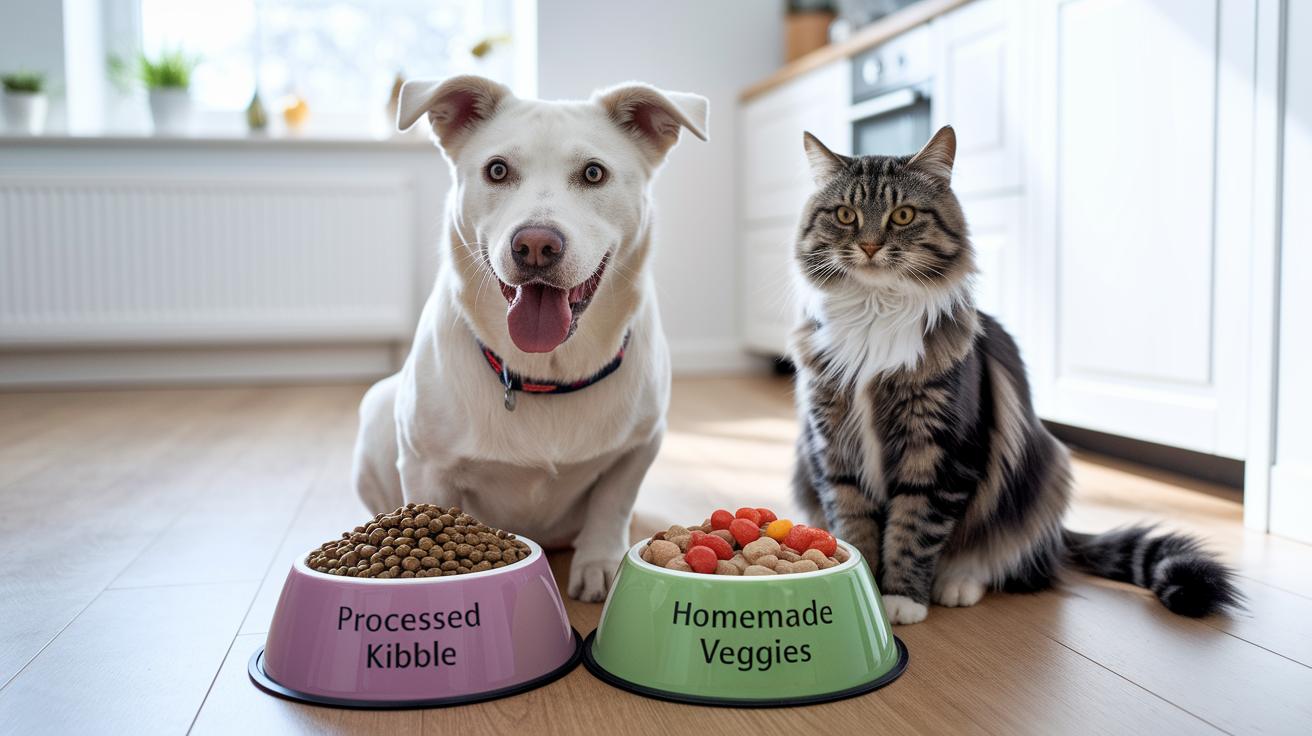
Commercial pet foods are typically made with processed ingredients. They often include by-products, extra preservatives, and artificial flavors that help the food stay fresh and consistent. These ingredients are chosen to support digestibility and keep essential nutrients available in every bowl.
On the other hand, homemade pet meals focus on whole meats, fresh vegetables, and grains, without sneaky additives. This natural approach can boost how well your pet absorbs nutrients, but it needs careful measuring of things like omega fatty acids and antioxidants.
When you pick a pet food, transparency about ingredients is key. You want to know what your pet is eating and how the food is made. Checking nutrients, especially the balance between omega-3 and omega-6 fatty acids, is essential for keeping your pet healthy.
- Protein source quality
- Filler presence
- Type of preservatives
- Synthetic vs natural additives
- Omega-3/omega-6 sources
- Antioxidant levels
Considering these points can help you decide whether a commercial food with steady formulas or a homemade recipe with clear ingredients is the best fit for your pet’s nutritional needs.
Commercial vs Homemade Pet Food Nutrition Facts Debate
Both commercial and homemade pet foods have unique benefits that can work well for different pets when paired with the right nutritional advice. This guide explains some important points about how these foods are made and how you can adjust recipes to suit your pet's needs.
Commercial pet foods are created using careful digestibility tests. These tests show how well pets absorb the vitamins and minerals in the food. For example, studies have found that certain protein blends can help pets feel more energetic by improving nutrient uptake. Another big plus is that commercial foods offer the same balance of protein and fiber in every meal, which is especially good for growing puppies and very active pets.
On the downside, commercial foods come in a fixed formula that cannot be easily changed. This means some pets might not do well with certain added chemicals or ingredients that are used for everyone.
Homemade pet foods give you full control over every ingredient. You know exactly what is going into your pet’s meal. This means you can adjust recipes if your pet has a new taste or a sensitivity, like preparing a meal with fresh chicken and carrots for a pet with dental issues. Homemade meals let you experiment with different flavors and smells, which can be especially good for fussy or older pets. You can also change the recipe with the seasons or based on what your pet likes.
However, homemade diets take a lot of time and careful work. You need to measure and mix ingredients exactly right to avoid missing important nutrients. It’s a good idea to talk with a vet nutritionist to make sure your homemade recipes meet all your pet’s needs and keep them healthy.
Cost and Convenience: Budget Breakdown for Commercial Pet Food vs Home-Cooked Meals

Commercial dry dog food usually costs about $1.00 to $2.50 a day. Some premium brands may run around $3.50 per day. That means you might spend roughly $30 to $75 a month on standard food, or up to $105 monthly if you choose the higher-end options. Over a year, these costs add up to between $365 and $1,277. This steady pricing helps with planning your monthly budget. Plus, commercial foods are made to meet your pet’s nutritional needs without extra effort from you.
On the other hand, making home-cooked meals can cost around $0.70 to $2.00 per day when you buy ingredients in bulk. Even though the daily food cost might be a bit lower, preparing these meals takes extra time, about 3 to 5 hours each week for planning, cooking, and portioning. If you love cooking and want full control over what goes into your pet’s food, this could be a fun option. However, the time spent preparing meals is another cost to consider.
Here are a few budget-friendly tips for cooking at home:
These methods can cut the cost per meal by about 30%. This strategy helps balance both your expenses and time, making home-cooked diets a smart choice for pet parents ready to put in a little extra work.
Safety and Quality Control: Regulatory Standards in Commercial Pet Food vs Home-Prepared Diets
Commercial pet foods must follow strict rules from groups like AAFCO and the FDA. Each batch is closely checked to ensure it has the right nutrients and safe ingredients. Labs test for moisture, germs, and overall quality so you know every bag is made with care.
Labels on these foods show the guaranteed nutrients needed for a balanced diet. Manufacturers also check moisture levels and germ growth to make sure the food stays fresh until it expires. This process gives pet parents peace of mind about their pet’s meals.
Homemade diets need extra caution. Always cook meats to a safe temperature and refrigerate foods within two hours. It’s important to leave out ingredients that can be dangerous, like onions, garlic, and xylitol (a sugar substitute that can harm pets).
Keeping things clean is key when making pet meals at home. Use fresh, sanitized utensils and work on clean surfaces to avoid cross-contamination. Regularly disinfect appliances and practice good food rotation to keep your pet’s food safe.
Hybrid Feeding Strategies: Combining Commercial Pet Food Bases with Homemade Enhancements
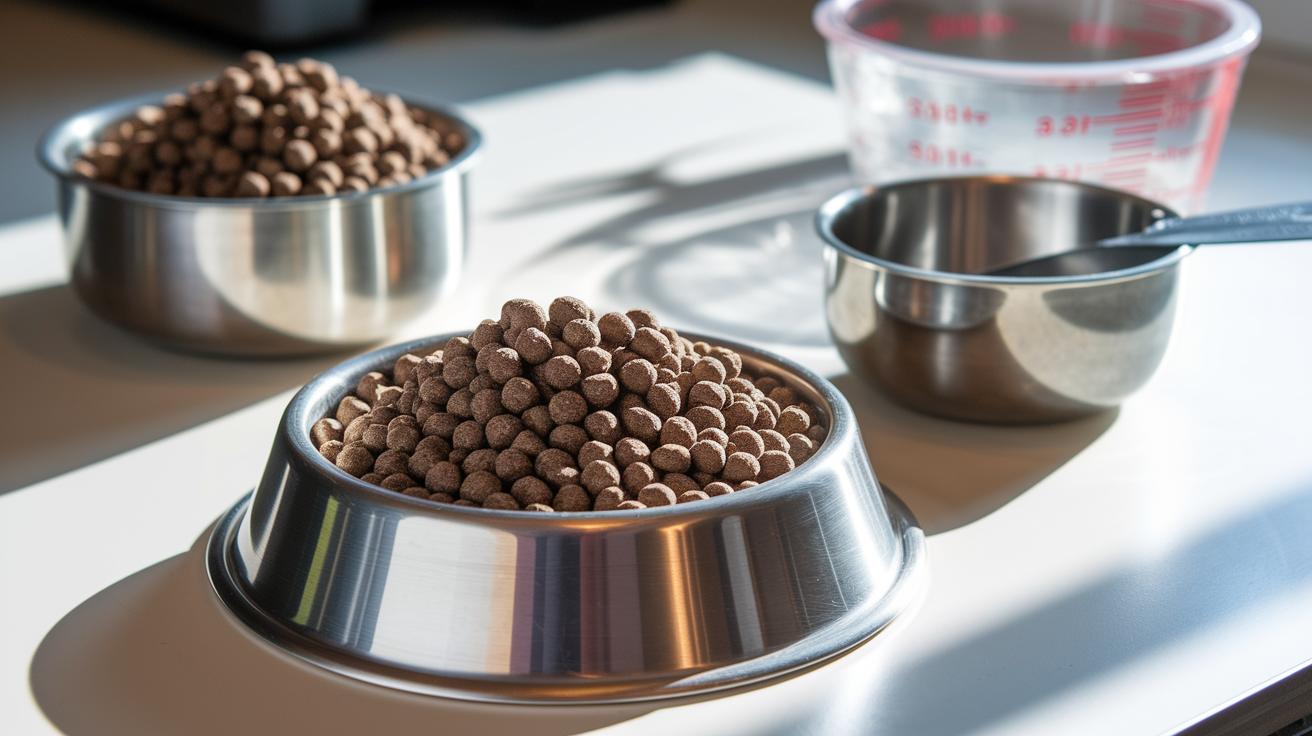
Hybrid feeding uses a mix of store-bought pet food and a few homemade touches. Start with a commercial diet that makes up about 80-90% of your pet's meal. This base gives your pet balanced proteins, fats, carbs, and vitamins to keep them healthy. Then you add a small amount of cooked chicken, steamed vegetables, or healthy grains for extra antioxidants and fiber. This method lets you blend convenience with a bit of a personal touch, keeping meal planning simple and effective.
Selecting a Commercial Base Diet
Pick a commercial pet food that fits your pet's age and energy level. For example, young, active dogs often do better with higher protein, while older pets might need a gentler mix to keep their energy steady. Choose products that have been tested to meet nutritional guidelines so your pet always gets a balanced meal.
Incorporating Homemade Add-Ins
When you add homemade ingredients, stick to recommended ratios. You might mix in boiled chicken to make up about 10-15% of the meal, sweet potatoes at 5-10%, and steamed carrots at 3-5% by weight. These extras lift the meal’s vitamin and antioxidant levels and can be adjusted to suit your pet's tastes. This way, you give your pet a bit of variety without messing up the solid nutrition from the commercial base.
Monitoring Portion Sizes and Frequency
Measuring your pet's food carefully is key. Keep a regular feeding schedule and watch your pet’s weight and energy levels. If you notice changes, adjust the portions accordingly. Regular checks ensure that your hybrid diet continues to meet your pet's needs as they grow.
A smart hybrid approach mixes steady nutrition with a little creativity, giving your pet a balanced, flexible diet that adapts with them.
Expert Recommendations for Monitoring and Adjusting Commercial and Homemade Pet Diets
Take your pet to the vet every 3 to 6 months. During these visits, ask the vet to check your pet's weight, look at the shine and feel of their coat, examine their stool, and see how energetic they are. These simple checks can show if your pet’s diet is giving them the right nutrients or if tweaks are needed.
Watch for signs that something might be off. If your pet loses or gains weight unexpectedly, sports a dull coat, has tummy troubles, or seems tired, it could mean the diet isn't balanced well. Sometimes the vet may recommend a blood test to check levels of vitamins, minerals, and proteins (the building blocks that keep them strong).
Be sure to include professional advice in your pet’s diet plan. Stay in touch with your vet regularly to chat about these findings and change the meal plan if needed. Adjusting the diet can help boost your pet's immune system, protect their joints, and support a long, healthy life.
Final Words
In the action, we broke down how commercial and home-prepared diets measure up in nutritional profiles, ingredient quality, pros versus cons, cost, safety, and hybrid strategies. We explained details like AAFCO formulations and the care needed for homemade recipes. With the Commercial vs Homemade Pet Food Nutrition Facts Comparison in mind, the post laid out clear steps to help pet parents weigh factors like consistency and customization. Positive progress in pet nutrition begins with making smarter feeding choices every day.
FAQ
What do commercial vs homemade pet food nutrition facts comparison documents explain?
The comparison shows that commercial pet foods meet AAFCO standards with steady protein, fat, and carbohydrate ratios. Homemade meals can vary widely and risk nutrient gaps if not measured carefully.
What are Whole Pet Provisions reviews saying about their products?
Whole Pet Provisions reviews highlight quality ingredients and balanced nutrition. Pet owners report that the food supports pet health well, though suitability may depend on individual pet needs.