



Have you ever caught your cat giving a slow blink or a little tail twitch? These small moves are your cat's way of sharing love and trust. In this guide, we look at five key signals: the tail, ears, eyes, whiskers, and posture. When you know what these mean, every small gesture tells you more about how your cat feels, helping you form an even closer bond with your furry friend.
Decoding Fundamental Cat Signals
Cats show their feelings with little gestures that we can understand. When a cat gives you a gentle nudge, a slow blink, or a soft purr, it means they feel safe and at ease. Try giving a slow blink back (close your eyes for 2–3 seconds) to help build a bond of trust.
Your cat speaks through five simple signals: tail position, ear pointing, eye actions, whisker placement, and overall body stance. A tail held high can mean your cat is comfortable, while a low or flicking tail might mean they are uneasy. Ears facing forward often show curiosity, and slow blinking eyes are a sign of affection. When whiskers stick out, it can show excitement. A crouched posture might mean your cat is ready to play or feeling a bit cautious.
Learning these signals makes daily life smoother for both you and your cat. Noticing what they’re saying can ease stress during busy routines or vet visits, and it helps you grow closer to your furry friend.
Tail Language in Cats
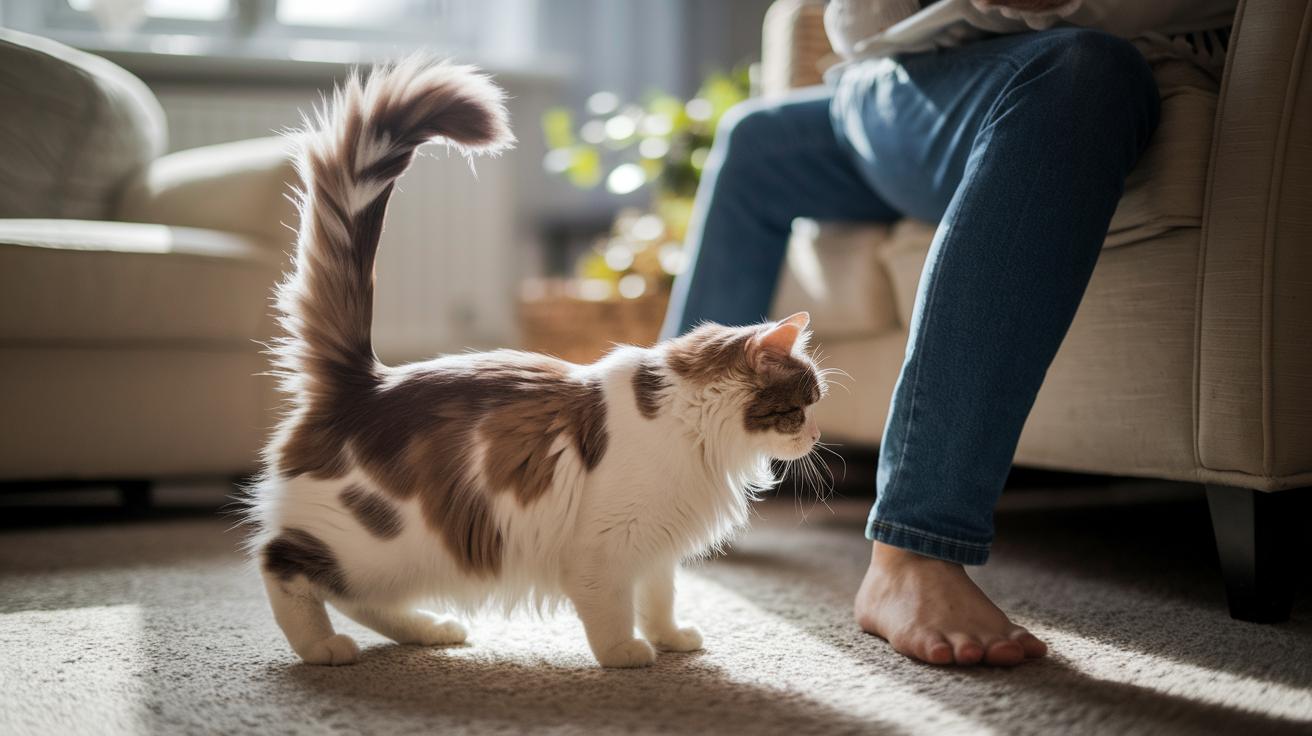
Your cat’s tail tells a story about how they feel. A tail held high means your kitty is happy and ready for attention. Different tail movements show different moods, so noticing these signs helps you care for your pet better.
- High, upright, relaxed tail – Your cat feels friendly and confident.
- Low tail – Your cat might be nervous or unsure and could need some space.
- Fast flicking or swishing – Your cat may be annoyed or overstimulated, so give them a quiet moment.
- Fluffed-up tail – This shows your cat feels scared or threatened, so let them relax in a calm area.
- Tail curled around you or another cat – A sign of affection, like giving a gentle hug.
- Tail that quivers or vibrates – Often means your cat is excited for play or happily greeting you.
If you see a high tail, try gentle petting and soft words to keep your kitty at ease. When the tail is low or flicking quickly, it might be best to let your cat have some peace for a little while. Watching these signals can help you strengthen your bond and create a loving, trustful relationship with your furry friend.
Ear and Facial Cues in Feline Body Language
Cats speak with small movements of their ears and changes in their face. Watching these clues can help you understand if your cat feels relaxed, curious, or even scared. Look at the way the ears sit and how the face looks to get a clear idea of your cat’s mood.
- When a cat’s ears point forward, it usually means the cat is calm and ready to interact.
- If the ears are pushed flat against the head, the cat might be scared or angry.
- Ears that wobble or turn slowly show the cat is alert and paying close attention.
- Ears that tilt slightly to the side can mean your cat is feeling uneasy.
- Twitching ears with every sound are a sign the cat is picking up on noise, showing high alertness.
When you see these ear signals along with other facial cues, like relaxed whiskers or a gentle gaze, it often means your cat is curious or content. On the other hand, if you notice flattened ears along with a tense face or fur that stands up, your cat may be stressed or uncomfortable. By watching how these signals work together, you can learn how best to interact with your cat and make sure they feel safe and understood.
7. understanding cat body language sparks deep affection
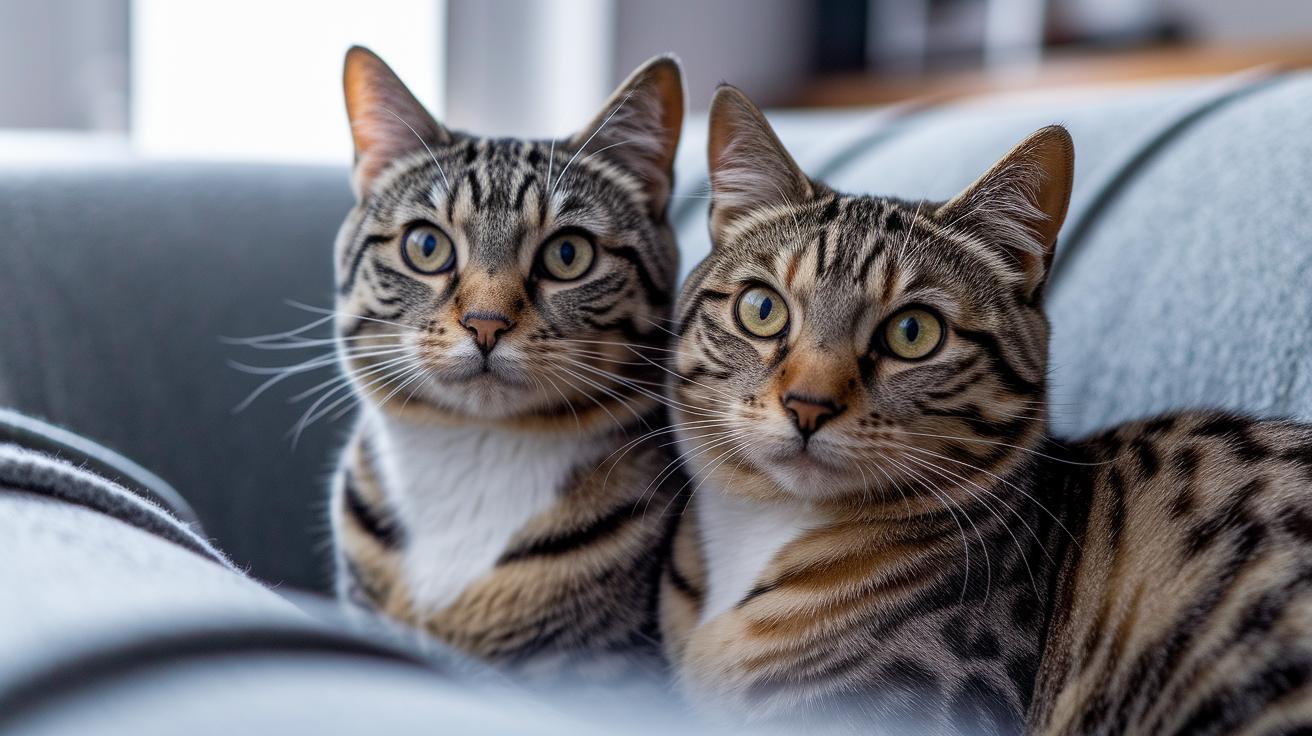
Cat eyes tell you a lot about how your furry friend is feeling. When a cat's pupils get wide, it might be excited or a little scared. If the eyes are narrow, it usually shows the cat is very focused or maybe a bit annoyed. Watching these changes helps you decide when to give a cuddle or let your cat have some quiet time.
Another lovely sign is the slow blink. When your cat slowly closes its eyes for two or three seconds, it means they trust you. Try blinking slowly back at your cat. This simple exchange builds a quiet connection and shows your cat that you’re both relaxed and sharing a friendly moment.
Your cat’s whiskers also send clear signals. When they point forward, it usually means your cat is curious or excited about something new. But if the whiskers are pulled back, your cat might feel defensive or uneasy. Noticing these little details can help you understand your pet better and deepen the bond between you.
Posture and Overall Body Alignment
Cats share a lot with us by the way they hold their bodies. When your cat sits like a loaf with its paws tucked in, it is telling you it feels safe and relaxed.
Keep an eye on your cat's whole posture. A back that curves and fur that stands up usually means the cat is scared or ready to defend itself. When a cat curls into a tight ball, it might be hurt or frightened. But if your cat settles into a neat loaf, it is calm yet alert. Spotting these signals helps you decide whether your cat needs a friendly pet or some quiet time.
Relaxed Postures
A cat lying in a loaf position, resting on its side, or stretching out is showing it feels secure. This relaxed state tells you that even while resting, your pet is still aware of its surroundings. For instance, if your cat curls up in a cozy spot without any tension, it is a clear sign of trust and contentment.
Defensive and Aggressive Postures
A cat with a curved, stiff back and bristled fur or one that sits sideways is signaling discomfort or feeling threatened. If your cat suddenly shows its belly, it is not a cue for a belly rub but a sign of stress. Recognizing these body language clues lets you give your pet the space it needs to settle down or adjust how you interact with it.
Vocalizations and Additional Signals
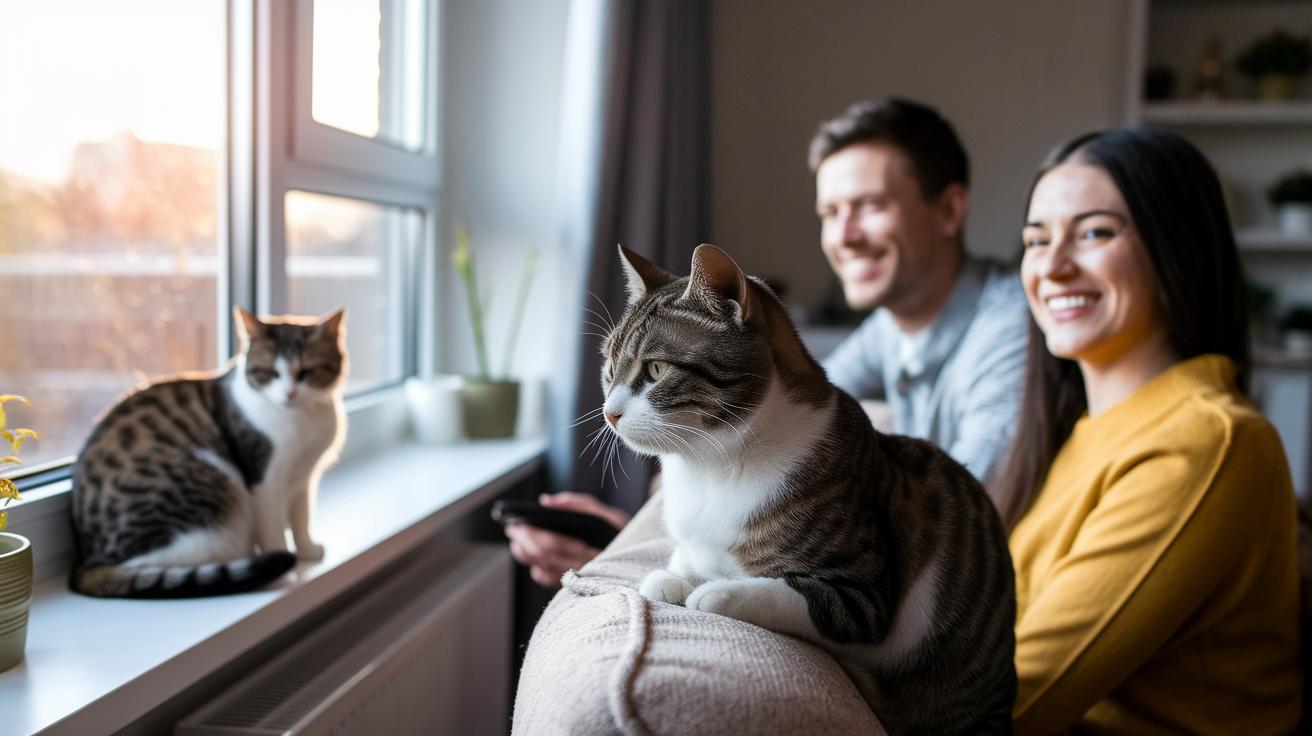
Short, high-pitched meows usually mean your cat wants some attention or a bite to eat. Longer, lower meows can signal that something is wrong. Cats also give trills as friendly greetings, showing excitement when you come home. For example, a soft chirp as you enter suggests they are eager for a little interaction. These sounds help fill in the gaps when body language isn’t clear enough.
Purring can mean different things. It often shows that your cat is calm and happy. It can also be a self-soothing sound when they feel stressed or hurt (discomfort). That gentle vibratory hum might even help ease pain and promote minor healing. When your cat purrs near you as they rest, they are showing trust and calm. Responding with soft, kind words can make your bond even stronger.
Hissing and growling are clear warnings that your cat might be stressed or hurt. These deeper sounds tell you that your cat needs some space and a gentle touch. Sometimes, sudden overgrooming (excessive cleaning) can also indicate anxiety or irritation. Keep a close watch on these signals to help maintain a safe and caring environment for your pet.
Integrating Signals: Reading Complex Feline Messages
Our cats use body language to show how they feel, and these signals can change with their mood or surroundings. For example, the same tail flick that looks playful one minute might mean irritation the next. You might see a calm, "loaf" posture change quickly to an arched back with puffed-up fur. By watching these quick shifts, you can better understand your cat's feelings and adjust how you interact.
Changes around the house, like new furniture or moving the litter box, can also change your cat's signals. It helps to look at several signs together, tail movement, ear position, and overall body posture, to know if your cat wants to play or needs some quiet time.
Common Misreads
- Mistaking a playful tail flick for anger
- Overlooking a change from a relaxed look to a defensive stance
- Missing small shifts in ear and eye movements
When you notice your cat slowly changing its behavior, take a moment to watch carefully before getting close. This extra attention helps you react the right way and keeps your pet feeling safe. By putting these clues together, you can build a stronger and more trusting bond with your furry friend.
How to Respond to Your Cat’s Body Language
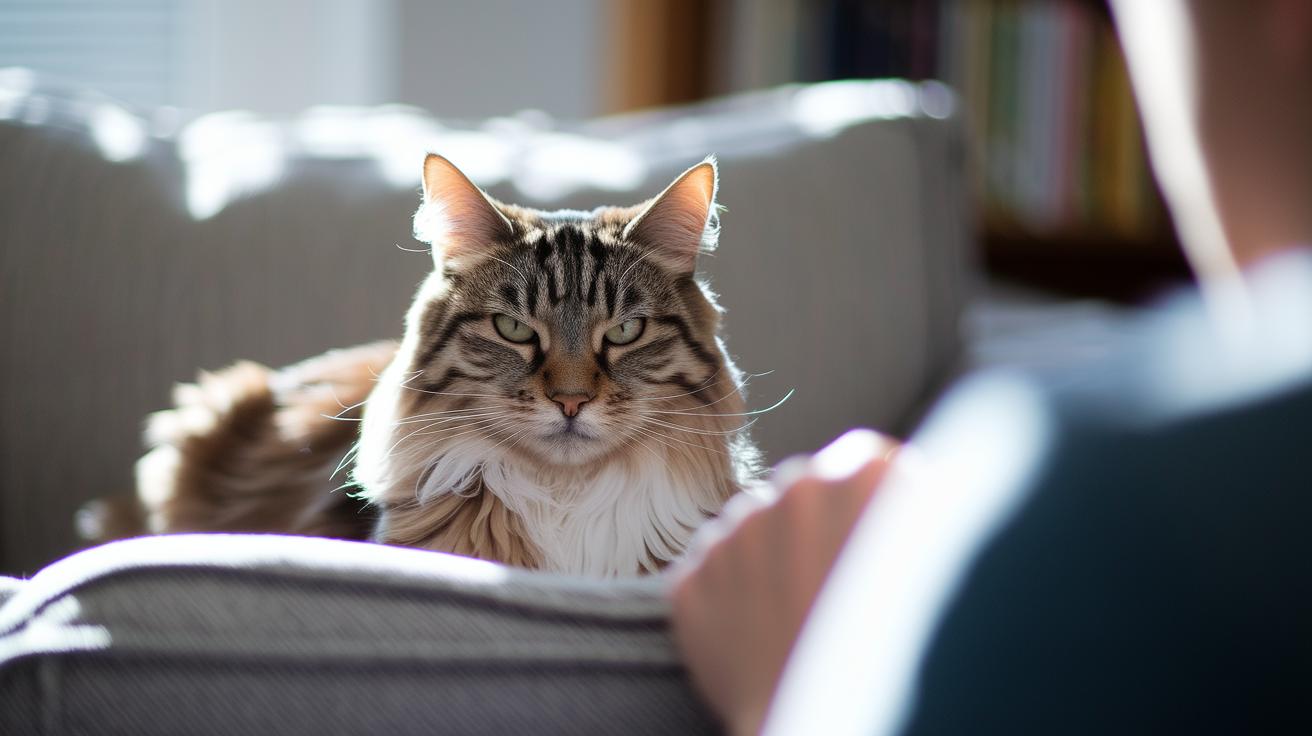
When your cat shows signs like flattened ears or a fast-moving tail, it means it needs space. Let your cat calm down on its own instead of insisting on cuddles. Giving them room can ease their stress and stop any tension from growing.
Try using gentle, friendly actions to show you’re not a threat. For instance, offer a slow blink by closing your eyes for a couple of seconds. Coming in from the side, rather than head-on, can feel less scary for your cat. Softly petting around the areas near its scent glands can build trust and help reduce stress.
When your cat gets playful , like getting low and ready to pounce , give it a favorite toy instead of using your hand. This keeps play fun and safe. Enjoy these moments of interactive play. They not only burn off extra energy but also strengthen the bond between you and your feline friend.
Final Words
In the action, the post unraveled key signals like tail positions, ear and facial cues, eye expressions, whisker placements, and overall posture. Each section offers easy tips for recognizing your cat’s mood and safety warning signs. The guide also shared how vocal sounds and calm interactions can build trust. With a focus on understanding cat body language, the advice helps you respond appropriately and create a safe, happy environment for your pet. Keep exploring these tips and enjoy a calmer bond with your feline friend.
FAQ
What does cat body language to humans mean?
Cat body language to humans means that cats use the same signals with people as they do with other cats. This includes tail movement, ear position, and eye cues to express their feelings.
What does cat body language lying down reveal?
Cat body language lying down reveals comfort and trust. When a cat lies down, it often feels relaxed and safe in its surroundings, signaling ease or vulnerability.
What information does a cat body language chart provide?
A cat body language chart provides quick references for understanding signals from tails, ears, eyes, and posture. This helps pet owners recognize mood changes and intentions at a glance.
What does cat behavior body language indicate?
Cat behavior body language indicates a cat’s mood through clear physical signals like tail flicks, ear tilts, and body position. These cues help owners know when their pet is happy, stressed, or playful.
How do you understand cat body language in female cats?
Understanding cat body language in female cats means paying close attention to subtle differences in posture and expression. Female cats often show unique signals with delicate ear tilts and relaxed postures when they feel safe.
How do cats express body language with other cats?
Cat body language with other cats involves signals like rubbing, specific tail positions, and relaxed postures that facilitate social interaction. These signals help maintain harmony and indicate friendly or defensive behavior.
How can you tell when a cat is showing playful body language?
Playful cat body language shows through a lively tail, energetic movements, and a crouched posture ready to pounce. These signals invite interaction and demonstrate the cat’s happy, playful mood.
What does cat body language when sitting indicate?
Cat body language when sitting indicates a state of awareness and comfort. A sitting cat may appear relaxed yet alert, with tail and ear positions offering clues about its current mood.