

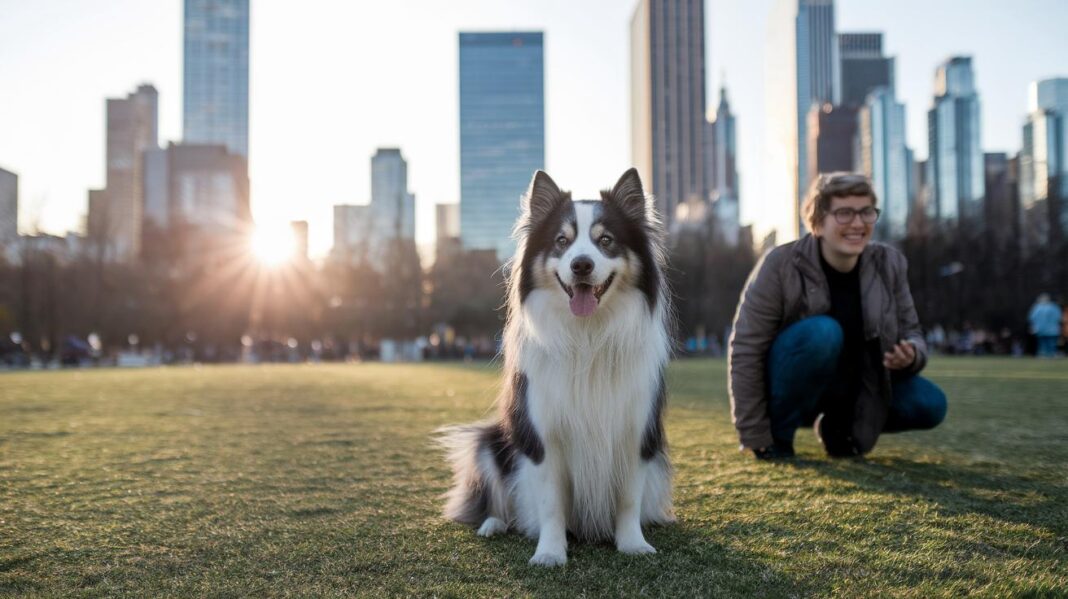

Have you noticed your pet acting a bit cautious when walking on busy streets? City life is full of strange sounds, bright lights, and tight spaces that can confuse even the bravest furry friend. Picture a dog pausing before crossing a noisy road, a clear sign that the busy environment is stressing them out.
This article explains how urban living affects your pet and offers simple ideas to help them relax and enjoy life in the city. Read on for easy tips that could make your pet’s daily walk a lot more comfortable.
How Urban Environments Influence Pet Behavior
In the countryside, pets enjoy big, open areas, calm sounds like birds singing, and the rustle of leaves. In the city, however, pets hear busy traffic, the beep of elevator doors, and lots of people talking. They also encounter many new smells and movements that don’t usually happen in rural areas. All these differences can make pets react in very special ways.
City pets often show signs that they feel overwhelmed by all the noise and activity. A dog may stare intently, stand very still, or pace back and forth when something sudden like a buzzing elevator or an unfamiliar scent catches its attention. Imagine a pup pausing on a crowded sidewalk, almost checking if it’s safe to move ahead. This natural reaction is very different from the calm behavior of a country pet.
All this constant noise and change can make pets feel stressed both in body and mind. Pets living in small apartments with shared walls have fewer chances to run around and explore. Over time, these limits, combined with the constant city buzz, can raise stress hormones, disturb sleep, and impact their overall health. Regular, predictable walks and simple stress-relief steps can help make life better for pets in urban areas.
Urban Noise and Light Pollution Effects on Pet Behavior
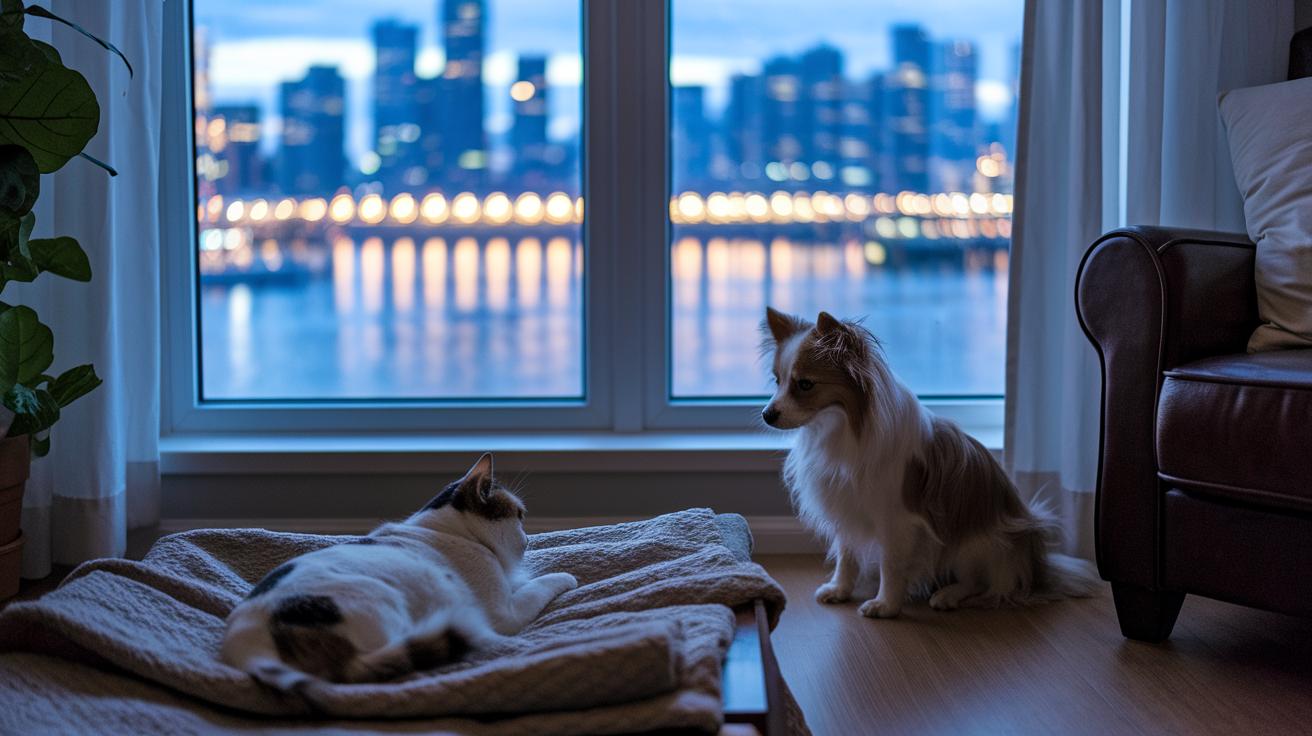
City living means lots of loud sounds and bright lights that can overwhelm your pet. Everyday noises like traffic, the hum of an elevator, and people chatting may seem normal to us, but they can make pets feel uneasy. Even a quick burst of noise can startle them and throw off their daily routine.
Bright lights also add to the problem. Streetlamps and building lights can trick your pet's body into thinking it's still daytime. This confusion can make it hard for your pet to relax and get the sleep they need.
| City Noise and Light | How It Affects Pets |
|---|---|
| Traffic sounds | Makes pets anxious |
| Elevator hum | Can startle them |
| Casual chatter | Overwhelms their senses |
| Construction noise | Creates stress |
| Bright street and building lights | Disrupts sleep |
When pets don't get enough rest, they can feel tired and cranky. Try setting up a calm, quiet space at home to help your pet settle down and find their natural sleep rhythm.
Urban Space Constraints and Altered Pet Activity Patterns
City apartments like studios and one-bedrooms offer very little room for pets to run and play. In small spaces, pets might find it hard to chase a ball or simply wander around. Tight hallways and thin walls make it even tougher, as noise and movement can easily distract them. These space limits not only cut down on exercise but may also lead to restlessness, with pets pacing back and forth or fixating on a cozy corner.
Living in a confined home can change a pet's behavior and overall well-being. For example, a dog used to wide-open fields might feel frustrated and anxious in a small apartment, even getting irritable during routine moments. Day in and day out in a tight space, pets can struggle to burn off extra energy and might even change the way they eat or feel. That’s why many city pet owners plan regular trips outside to give their furry friends a chance to play and unwind.
| Apartment Type | Avg. Size (sq ft) | Recommended Daily Exercise |
|---|---|---|
| Studio | 400 | 20 minutes |
| One-bedroom | 600 | 30 minutes |
| Two-bedroom | 900 | 45 minutes |
Social Stressors and Interaction Challenges for City Pets

City life means pets bump into new people and animals often. Crowded sidewalks and busy parks expose them to sudden, noisy encounters. This overload of sights and sounds can make your pet feel uneasy. You might notice a tucked tail or stiff body when they feel overwhelmed.
When stressed, pets might freeze, avoid eye contact, or find a quiet corner to hide. They may also show discomfort if forced into interactions, making them even more anxious. Simply put, too much stimulation can make a pet feel isolated, even in a crowd.
Try a simple park introduction exercise. With a secure leash, walk your pet to a less crowded park spot. Have a calm friend offer a treat as a friendly invitation. Praise your pet gently, letting them approach at their own pace. This slow, careful method builds confidence and helps ease their social stress over time.
Health Implications: Anxiety, Stress Responses, and Physical Well-being in Urban Pets
City living can be tough on our pets. Constant loud traffic, busy streets, and small living spaces can stress them out. Their bodies release extra cortisol (a stress hormone), which might make them pace, seem restless, or even change their eating habits. Over time, this stress can cause trouble sleeping and weaken their immune system.
Urban life can also throw off a pet’s natural rhythm. Without quiet, safe spots, pets may feel anxious and uneasy. Many pet parents have seen that regular routines, like fixed playtime, scheduled walks, and planned rest, help keep their pets happier and calmer.
Try these simple tips to ease your pet’s stress:
- Pheromone diffusers
- A quiet space for relaxation
- Regular play sessions
- Puzzle feeders for mental fun
- Planned social visits
- Soft ambient music
These ideas work together to break the cycle of anxiety. Pheromone diffusers and a quiet zone create little pockets of calm. Regular play and puzzle feeders keep their minds active. And scheduled social visits with soothing background music help pets adjust to busy city sounds. With a steady routine that includes these tips, your pet can enjoy a more relaxed and healthy life.
Adaptation Strategies and Environmental Enrichment for Urban Pets
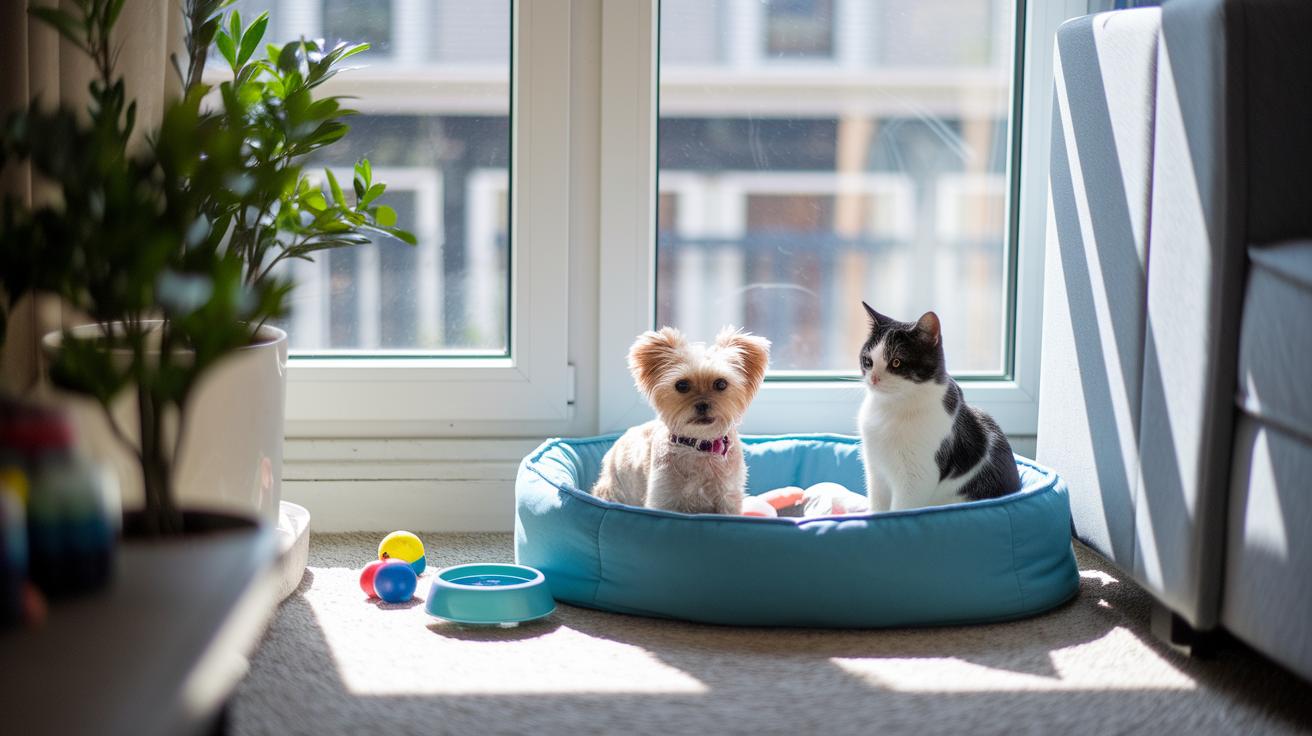
A peaceful, safe space is key for pets in the city. Set up a special area with a comfy bed, fresh water, and a little play corner. This spot acts like a personal retreat where your pet can relax away from noisy streets. For example, choose a quiet nook and add familiar toys or a soft blanket to boost comfort.
Daily fun is important to keep your pet engaged and calm. Try adding a daycare visit, interactive toys, or regular social walks to your pet’s routine. These activities help them feel like they’re exploring, even in a small space. A quick game or a small treat can brighten your pet’s mood and lower stress levels during the day.
It also helps to tailor daily routines to your pet’s unique needs. Notice how your pet reacts and adjust play sessions and quiet time accordingly. A balance of active play, gentle social moments, and rest supports both their mental and physical health.
Regional Considerations
City layouts and weather play a role in choosing the best activities. In areas with narrow sidewalks and constant traffic, short, calm walks with indoor play may work best. In contrast, locations with wide, sunny streets might allow for longer, relaxed strolls. In colder regions, extra indoor fun can help when outdoor time is limited, while milder weather offers safe opportunities for extended outdoor adventures.
Final Words
In the action, the post highlighted how urban living shapes pet behavior. We explored everything from sensory overload due to city noise to limited space impacting movement and interaction.
Each section showed how stress, anxiety, and routine adjustments come together under the effects of urban living on pet behavior. Small changes like structured play or a quiet zone can boost your pet’s well-being, leaving you with a positive outlook for city life with your furry friend.
FAQ
How does living in an urban environment affect pet behavior?
Living in a city exposes pets to constant sounds, smells, and frequent encounters that can increase alertness and stress. Limited space often restricts natural activities like running and exploring.
How do city noise and light pollution impact pets?
City noise from traffic and human activity coupled with bright streetlights disrupt pets’ sleep and calm, leading to increased anxiety and restlessness that affect their overall well-being.
How do small living spaces in urban areas influence pet activity?
Limited indoor space in small apartments can cause pets to pace or feel frustrated. This confinement reduces opportunities for running and exploring, altering their daily routines and behavior.
What social challenges do pets face in busy urban settings?
In crowded places, pets encounter unexpected interactions with strangers and other animals, which can cause hesitation or defensive behavior, leading to discomfort and reduced confidence.
What health issues may arise in urban pets due to stress?
City stressors can raise pets’ cortisol levels, leading to repetitive pacing, anxiety, and other distress signals. These signs can affect both their mental and physical health.
How can pet owners enrich an urban pet’s environment?
Creating a cozy home space and adding daily enrichment like play sessions, walks, and interactive toys helps calm pets, reduce stress, and stimulate natural behaviors even in tight urban quarters.