

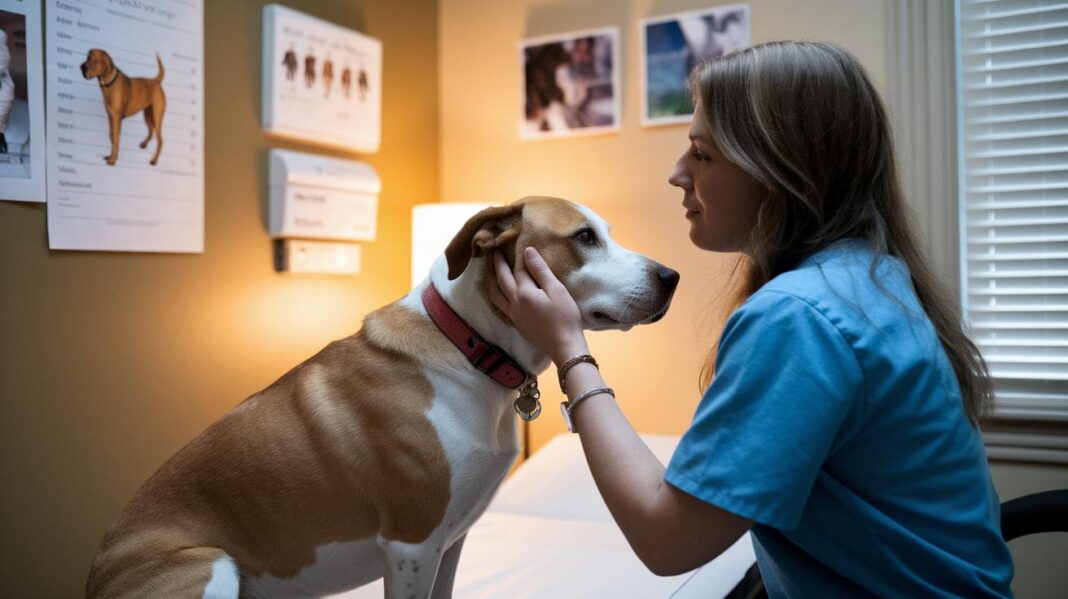

Ever wonder if your dog could share its feelings? Some experts, known as dog psychiatrists, help calm fears and ease anxiety in ways basic training sometimes doesn’t. They use simple behavior tests and create a custom care plan for your pet. Think of it like a doctor treating an illness, but for your dog’s emotions. With this kind of care, your pup can feel more balanced and happy, making life better for the whole family.
How a Dog Psychiatrist Addresses Canine Behavioral Challenges
Pet psychiatry has grown as we learn more about how our animal friends feel. Dog psychiatrists help pets with behavior and mental issues. They step in when basic training does not calm fears and anxiety in dogs.
A dog psychiatrist uses different tools like therapy, behavior tests, and sometimes medicine. First, they ask lots of questions about your dog's past and habits. Then, they work closely with your dog to ease panic and stress. If talking alone does not work well enough, they might give a pet-friendly medicine to help balance the chemicals in the brain, much like a vet treats a physical problem. Each care plan is built just for that dog, making sure it fits its personal needs. For example, a dog that showed fear after a long wait in a shelter got better when treated with steady, focused care.
This kind of support can really change a dog's life. Many pets become more social and less anxious with a customized mental health plan. With the help of a dog psychiatrist, a nervous dog can grow into a confident friend, strengthening the bond with its family.
Qualifications and Credentials of a Dog Psychiatrist

Dog psychiatrists begin with strong academic training. Most earn a veterinary degree (DVM or VMD) or complete advanced studies in animal behavior. After this tough education, many go on to get board certification in veterinary behavioral services like DACVB.
Those who want to become Certified Applied Animal Behaviorists usually complete a doctoral degree in behavioral or biological sciences. They must also meet high standards in education, ethics, and hands-on experience. These credentials help them make accurate pet psychological assessments and offer dependable canine therapy services.
Credentialing bodies keep ethical standards high in this field. They make sure practitioners follow safety rules and provide top-quality care. For example, Dr. Rachel Malamed holds a DVM, DACVB, CABC, and is a Diplomat with the American College of Veterinary Behaviourists. Her qualifications show that she understands clinical practice and continues to learn new techniques to manage complex behavior issues in dogs. Keeping these certifications gives pet owners peace of mind that their dog's mental health is in capable hands.
dog psychiatrist Elevates Canine Wellbeing
Dog psychiatrists offer a wide range of services to support your dog's mental and emotional health. They provide both online and in-person care, ensuring each pet’s history, feelings, and fears are carefully considered. These experts help manage issues like aggression, anxiety, and separation stress using gentle, science-based treatments.
Behavioral Assessments
During a behavioral assessment, a dog psychiatrist gathers a complete picture of your pet’s background. They use simple questionnaires, review your dog’s history, and perform standard tests. For example, the assessment might start with a short survey about your dog's daily routine and then watch how your pet plays to spot triggers for things like barking or sudden fear.
Therapy Sessions
Therapy sessions involve clear, step-by-step counseling to change unwanted behaviors. Think of these sessions as focused, friendly chats where your dog learns healthier responses. They help ease common issues like fear and separation anxiety through steady, compassionate guidance.
Medication Management
When needed, medication management is introduced to boost the effects of therapy. In these sessions, the specialist may prescribe a dog-specific medicine, carefully track the dosage, and watch for any side effects. This combined approach helps balance both your dog's mind and body.
Crisis Intervention Services
If your dog has an unexpected outburst or panic attack, crisis intervention services offer quick, on-call support. This immediate help can be critical when your dog needs fast reassurance during intense moments.
| Service | Description | Typical Duration |
|---|---|---|
| Behavioral Assessment | Full history review and tests | 1–2 hours |
| Therapy Sessions | Focused behavioral counseling | 45–60 minutes |
| Medication Management | Prescription tracking and monitoring | 30–45 minutes |
| Crisis Intervention | Emergency on-call support | Varies |
Choosing Between a Dog Psychiatrist and Other Behavior Professionals

Finding the right expert for your dog's behavior can really help improve their mood and overall well-being. When basic training stops working, it helps to know which specialist to turn to. Checking a professional’s background on trusted sites like the ABS Directory can give you a little extra peace of mind.
Dog Trainers: Scope and Typical Training Methods
Dog trainers focus on simple commands like sit, stay, and down. They also work on issues such as guarding food or pulling on the leash. These experts teach your dog good manners and help them behave better during daily walks and playtime.
Certified Applied Animal Behaviorists (CAAB): Advanced Academic Standards
CAAB professionals have advanced study in animal behavior, often earning a doctoral degree. They follow strict guidelines set by groups like the Animal Behavior Society. Their deep understanding of science helps them tackle more complicated behavior problems.
Veterinary Behaviorists: Medical Training and Prescribing Authority
Veterinary behaviorists are also licensed veterinarians with special board certifications. They not only study behavior but can also prescribe medicines when needed. This makes them the best choice if your dog’s behavior might be linked to a health issue.
When you choose the right help, whether it’s a dog trainer, CAAB, veterinary behaviorist, or dog psychiatrist, you get a plan that fits your dog's unique needs and helps them feel better every day.
What to Expect During Your Dog Psychiatrist Appointment
When you schedule a visit with a dog psychiatrist, you’ll find a process designed to learn your pet’s unique story and needs. Dr. Rachel offers both video and in-person visits so you can choose what works best for you. Every part of the checkup is meant to match your dog's behavior and body needs. It’s set up to be easy to follow so you know what to expect.
- Fill out the intake form
- Go over your dog’s medical and behavior history
- Do a quick physical exam
- Get a look at your dog’s behavior
- Create a custom treatment plan
- Set up follow-up visits
Before you go, gather any recent records or notes about your dog’s behavior and health. This can include changes in appetite, energy, or any unusual actions at home. Having this past info ready gives Dr. Rachel a clear picture from the start. Getting your details together and asking your questions ahead of time makes the visit smoother and more helpful for both you and your dog.
Real-Life Case Studies from Dog Psychiatry
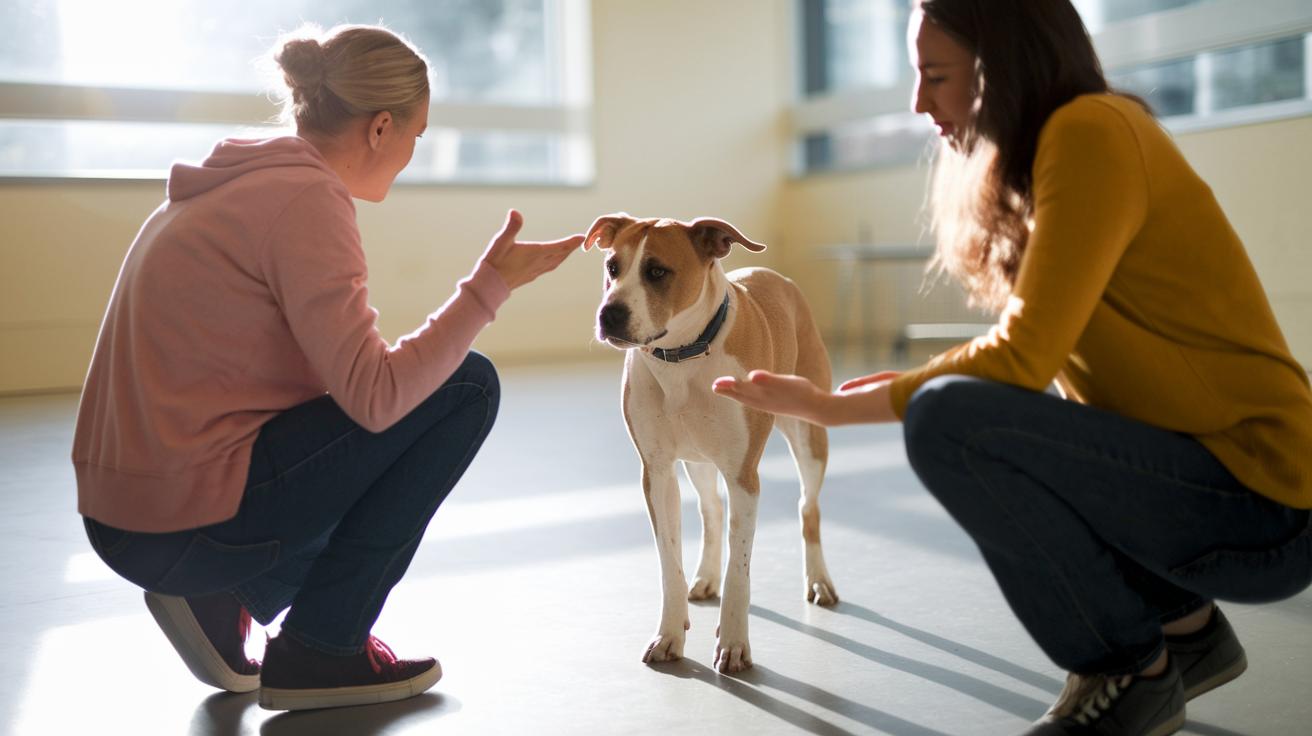
Real-life case studies show pet parents that help is real and that change is possible. They give clear examples of how focused care can change a dog’s deep fear into friendlier behavior. With careful checks and targeted treatment, even long-term issues like anxiety or aggression can get better.
One case tells the story of a dog that spent over two months in a shelter before finding a home. This pup was very picky about meeting people and would panic when approached. A dog psychiatrist spent time watching the dog’s behavior and then set up gentle therapy sessions that slowly introduced new social signs. The treatment mixed calm exposure with kind guidance and, when needed, pet-friendly medicine. The owner helped by doing small exercises each day with the dog.
The good news was clear. In just a few weeks, the dog's behavior started to improve. Over the next few months, the dog became more comfortable and showed less panic as it began to welcome familiar faces and even strangers. These stories show how smart psychiatric care can boost a dog’s confidence and help the whole family feel happier.
Identifying When to Consult a Dog Psychiatrist
If your dog's behavior is still a problem after you’ve tried common training methods, it might be time to get some expert help. A dog psychiatrist is a professional who understands animal behavior on a deeper level and may offer solutions that regular training cannot.
If your pet shows ongoing aggression, very strong fears or phobias, sudden panic attacks, or constant anxiety when left alone, these may be signs that simple behavior changes aren’t enough. For example, if your dog barks non-stop at small noises, snaps at family members, or seems always on high alert, these could be signs of anxiety affecting their day-to-day life. When these behaviors continue despite your efforts and the help of standard trainers, a dog psychiatrist could provide a closer look at the problem. They might suggest a special therapy plan or even medicine to help your dog feel better.
If you spot these warning signs, start by taking note of when and where your dog seems upset. Then, consider setting up an appointment with a dog psychiatrist for a full check-up. Getting help early can lead to a treatment plan that improves your dog's overall well-being.
Common Questions About Dog Psychiatry

We have updated the content so everything flows better. Here’s what you need to know:
- Information that compares dog psychiatrists and trainers now sits under "Choosing Between a Dog Psychiatrist and Other Behavior Professionals."
- Details about booking virtual sessions are now part of "What to Expect During Your Dog Psychiatrist Appointment." For example, virtual consultations let you connect online using a camera.
- Session pricing is explained with appointment details. Fees typically range from $100 to $300, depending on the session’s length, the specialist’s experience, and the type of meeting. Payment options are also covered.
- Guidance on when your dog needs urgent help is found in "Crisis Intervention Services." This section notes that if your pet shows sudden aggression or extreme anxiety, you should seek help right away.
Final Words
In the action of seeing how a dog psychiatrist helps pets, we covered steps like behavior assessments, therapy sessions, and careful medication management. We looked into the credentials and methods that make these professionals stand out.
We touched on real case studies where proper care brought big improvements in behavior. We also compared these experts with trainers and other specialists so pet owners could find the best match. Stay positive and keep working toward a healthy, happy life for your pet.
FAQ
What is a dog psychiatrist salary?
A dog psychiatrist salary reflects how much a canine mental health expert earns annually. Their pay depends on experience, location, and certifications, with higher qualifications leading to higher earnings.
What does “dog psychiatrist near me” mean?
“Dog psychiatrist near me” means locating a local professional who specializes in canine mental health. Use online directories or ask your veterinarian for recommendations.
What does a dog psychiatrist do?
A dog psychiatrist assesses a dog’s mental health and behavior, then creates treatment plans that may include behavior therapy, counseling, and sometimes medication to improve overall well-being.
What is the cost to see a dog psychiatrist or behaviorist?
The cost for a session with a dog psychiatrist or behaviorist typically ranges from $100 to $300. Prices vary with session length, expertise, and whether the appointment is virtual or in-person.
What does “veterinary behaviorist near me” mean?
“Veterinary behaviorist near me” refers to finding a licensed veterinarian with specialized certification in animal behavior. These experts can diagnose and treat behavior issues alongside medical concerns.
What does a dog behaviorist for aggression do?
A dog behaviorist for aggression works with dogs showing hostile behaviors, using behavior modification and therapy techniques to reduce aggression and improve social interactions.
What does a dog behaviorist for anxiety do?
A dog behaviorist for anxiety helps ease dog anxiety by creating customized behavior plans and offering therapy sessions aimed at reducing fear and encouraging calm behavior.
What is meant by a dog behaviorist vet?
A dog behaviorist vet is a veterinarian with extra training in animal behavior. They combine medical care with behavior modification strategies to treat a range of behavioral and emotional issues.
How do I find a dog behaviorist?
Finding a dog behaviorist involves asking your veterinarian for referrals, searching reputable online directories, and verifying that the expert has proper credentials and certifications.
What is the 3-3-3 rule for dog anxiety?
The 3-3-3 rule for dog anxiety describes a routine where a dog gets three minutes of work, three minutes of play, and three minutes of rest. This balanced approach helps reduce anxiety and improve behavior.
What is the 7 second rule for dogs?
The 7 second rule for dogs suggests that pausing an unwanted behavior for 7 seconds can interrupt the pattern and give your dog a moment to reset, leading to better behavior management.