

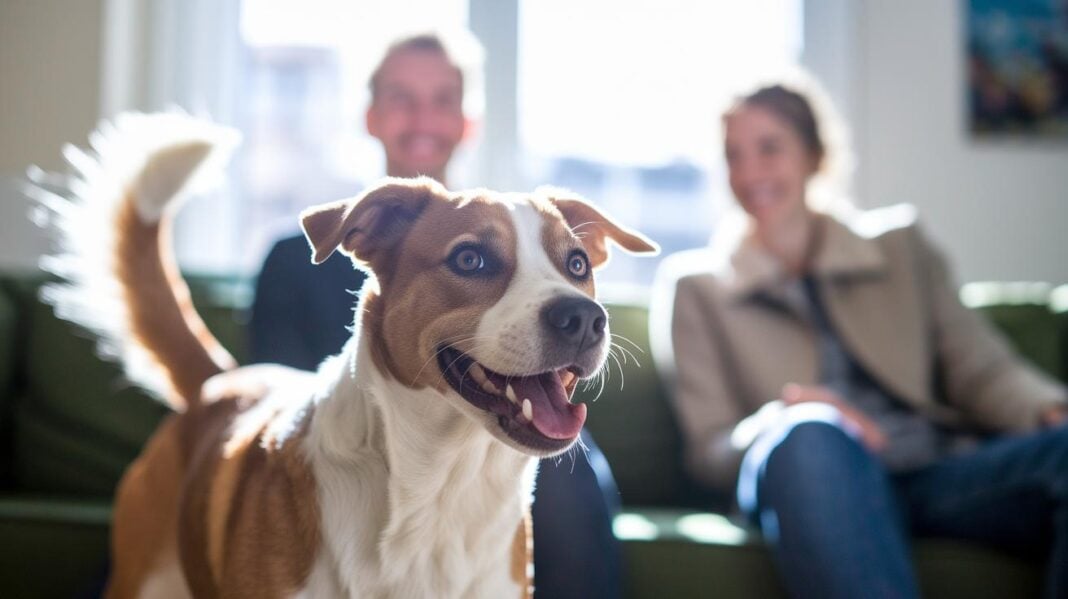

Have you ever noticed your dog's wagging tail? It might be saying more than just "I'm excited!" When your pet gently wags its tail, gives you a soft look, or settles into a relaxed posture, it's showing you how it's feeling. These little hints help you understand your dog better and make your time together extra special. Notice them next time and enjoy every moment with your furry friend.
Essential Dog Body Language Signals Explained
Dogs share their feelings using body language. They speak without words by using their eyes, ears, tail, mouth, and body posture. This simple language helps build trust between you and your pet. For example, a wagging tail may show excitement, but it could also mean your dog is alert or cautious.
Pay attention to your dog's signals. A small change, like a shift in body posture or a quick glance, tells you if your dog is happy, relaxed, or wants some space. Learning these signals helps you avoid misunderstandings and keeps your time together fun and safe.
- Eyes
- Ears
- Tail
- Mouth
- Body Posture
- Movement
When you notice all these parts working together, you get a complete picture of your dog's mood. A soft, relaxed look with gently raised ears and a loose tail usually means your dog is at ease. On the other hand, a stiff body, tail held rigidly, and a fixed stare might mean stress or a need for a break. By watching closely, you can adjust your actions to make your dog feel safe and happy every time you interact.
Tail Position and Movement in Dog Body Language
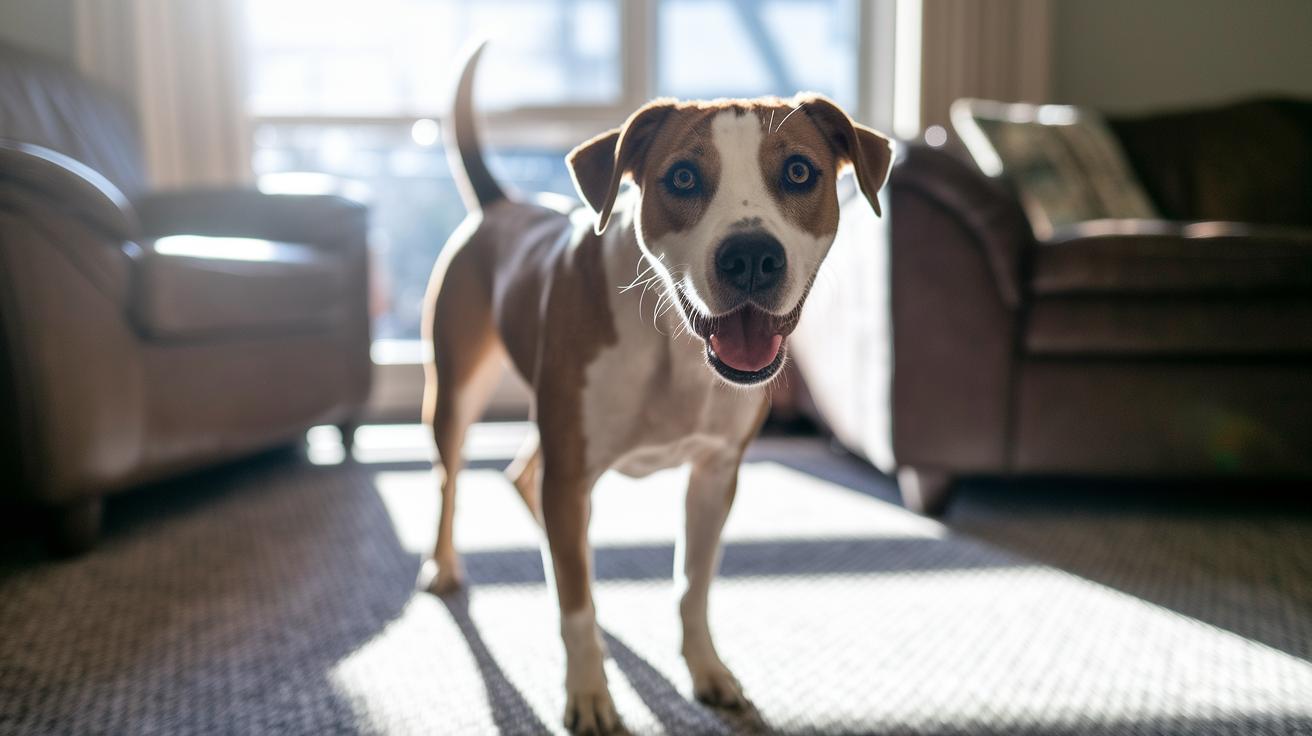
Watching your dog's tail can bring a smile to your face. A wagging tail is like a secret code that tells you how your pet is feeling. A quick, high wag might show that your dog is alert and excited. On the other hand, a slow, low wag can mean your dog is feeling cautious or curious. Even a slight tilt one way or the other has its own meaning. Knowing these signs helps you connect better with your furry friend and understand their mood.
| Position | Movement Characteristics | What It Means |
|---|---|---|
| High | Fast wag | High energy or alert |
| Mid | Steady wag | Neutral, friendly mood |
| Low | Slow, low wag | Cautious or unsure |
| Tucked | Held close to the body | Fear or giving in |
| Stiff | Little motion | Annoyance or warning |
Interpreting your dog's tail signals gives you a quick peek into their mood. A smooth, gentle wag usually means your pet is relaxed and happy. Take a moment to notice these little details, they turn everyday moments into special times of understanding and joy for both you and your pup.
Decoding Ear Positions and Facial Cues in Dog Body Language
Have you ever noticed how your dog's ears tell a story? When they hold their ears forward, it means they are alert and ready to interact. A small tilt or a relaxed forward position shows that your pup is curious and excited. But if their ears pull back or go flat, it might mean they are feeling a bit uneasy. When you see these signals with other happy facial expressions, it makes your time together even more joyful.
When your dog's eyes are soft and relaxed, it tells you they feel safe and comfortable. Imagine your pet resting after a fun play session, giving a slow blink that says, "I trust you." This mix of calm eyes and attentive ears shows a clear picture of a secure and content companion.
A gently open mouth adds to the friendly vibe. With forward ears, soft eyes, and a calm mouth, you get a clear glimpse of your dog's happy mood. These simple signals help you share and celebrate every delightful moment with your beloved pet.
3 dog body language cues that spark joy

Watching your dog's posture tells you straight away how they feel. When their body forms a loose, wiggly C or S shape and their tail sways freely, it shows they feel safe and happy. This relaxed look reminds you of the fun, light moments you share.
Another happy sign is an alert yet comfy stance. If your dog holds its head high, with ears gently pointing forward and soft, wide eyes, it means they’re interested and excited without any tension. Picture a tail that shifts casually as they move, it’s a clear sign they’re ready for play and snuggles.
Sometimes you might notice a small, smooth shift in their weight. This gentle change, without stiffness or hunching, shows your dog is friendly and fully engaged. By watching for these cues, loose, relaxed curves; a bright, yet soft look; and easy weight shifts, you can be sure your pet feels comfortable, setting the stage for many joyful moments together.
Identifying Stress, Fear, and Aggression in Dog Body Language
Stress and Anxiety Cues
Dogs can show stress in subtle ways. They might lick their lips over and over, yawn at odd times, or turn their head away when you talk. Sometimes, a dog will lift its paw or shift its weight to calm itself. These small actions suggest your furry friend feels overwhelmed or uneasy, even if they seem mostly calm. For example, if your usually energetic dog starts licking its lips a lot when meeting new people, it may be feeling anxious.
Fear and Appeasement Signals
When a dog is scared, its body gives clear signals. A hunched or stiff posture with ears lying flat can show fear. You might also see a lowered head paired with what looks like a friendly smile. But this smile isn’t really friendly, it’s the dog’s way of saying “I don’t mean any harm.” If you notice this behavior, your dog might need a little extra space or a calm word to help ease its fear.
Aggression Markers
Aggression in dogs is often shown through specific body language. A dog may stand very stiffly, with fur raised along its back and a hard, fixed stare. There might also be a slight lifting of the lip, a hint that a bite could happen if tensions rise. A forward shift in weight can mean the dog is ready to act quickly. Recognizing these signs early can help you step back and calm the situation before it escalates.
Recognizing Relaxation and Positive Signals in Dog Body Language

When your dog has soft eyes, a loose tail wag, and an open mouth with relaxed lips, it means they feel happy and safe. You might also see a slow blink or a gentle head tilt, small signals that show comfort. Sometimes, a dog will lower its ears or give a soft glance when you walk in the room. These signs tell you that they really trust you.
Some dogs show calm by taking steady steps and leaning in slightly during petting. In new places, keep an eye out for tiny changes like a small shift in their stance or a soft exhale. These little cues mean your pet is adjusting well. Enjoy these moments, and you'll build an even stronger bond over time.
Using Dog Body Language for Safe Interaction and Training
When you approach your dog, try coming from the side with a relaxed, curved body. This friendly pose shows your pet that you mean no harm. Avoid too much direct eye contact since it may seem like a challenge, and instead watch your dog's signals.
Pay attention to your dog's body language every day. Notice if they shift a little or change the way they move their tail. These small hints can tell you how they're feeling so you can adjust your behavior to keep things positive.
Discuss what you observe with a trusted trainer or veterinarian. This will help you understand your dog's messages better. With regular practice, both you and your pet will feel more confident, creating a safe and friendly environment for training and daily interactions.
Final Words
In the action of understanding your pet’s signals, we've explored key aspects of dog body language. We broke down the signals in their eyes, ears, tail, mouth, and overall posture, and even looked closely at movements and stress cues. Each section showed how body language tells a story of comfort, fear, or joy. By using these insights, pet parents can safely interact and train their dogs, reinforcing positive behavior. Remember, careful observation of dog body language helps build trust and creates a happy, safe home for your pet.
FAQ
Q: What is a dog body language book?
A: A dog body language book explains how dogs communicate through nonverbal cues like ear positions, tail movements, and posture. It serves as a guide for owners to better understand and connect with their pets.
Q: What does dog body language lying down indicate?
A: Dog body language while lying down usually shows relaxation or submission. This posture indicates that a dog feels safe, comfortable, or is preparing for play with a calm approach.
Q: What is a dog body language chart?
A: A dog body language chart summarizes key signals including eyes, ears, tail, mouth, posture, and movement. It acts as a quick reference to help owners interpret their pet’s feelings.
Q: How does dog body language with humans work?
A: Dog body language with humans involves using subtle gestures such as wagging tails, relaxed eyes, and open mouths to communicate their mood. This helps build trust and mutual understanding in pet-owner interactions.
Q: How do dog body language ears signal feelings?
A: Dog body language ears offer clues to a dog’s mood. Forward ears indicate alertness, while ears drawn back or flattened can show fear or stress, making them key for gauging emotions.
Q: How does dog body language with pictures help?
A: Dog body language with pictures visually demonstrates common gestures and postures. This makes it easier for owners to learn and compare cues, enhancing their ability to interpret their dog’s emotions.
Q: What does female dog body language look like?
A: Female dog body language may include subtle differences in posture and tail movement. These cues can indicate friendliness, anxiety, or readiness to interact, much like their male counterparts.
Q: What is a dog body language PDF?
A: A dog body language PDF is a downloadable guide that details nonverbal cues and gestures in dogs. It serves as an accessible tool for owners to reference key signals for better communication.
Q: How do dogs say “I love you”?
A: Dogs say “I love you” by showing relaxed body language, soft eyes, and gentle tail wagging. They often lean in for a cuddle or nudge you with their nose as a sign of affection.
Q: What is the 3-3-3 rule for dog anxiety?
A: The 3-3-3 rule helps monitor canine anxiety. If a dog shows three anxiety signs for three minutes in three different situations, it may require calming techniques or professional advice.
Q: Do dogs forgive you for yelling at them?
A: Dogs can forgive episodes of yelling by moving past the event when they feel safe and loved. Consistently positive interactions help rebuild trust and comfort over time.
Q: How can you tell if your dog loves you?
A: You can tell your dog loves you by noticing relaxed body language, enthusiastic tail wagging, and seeking your attention. These signals show that your dog feels secure and connected with you.