

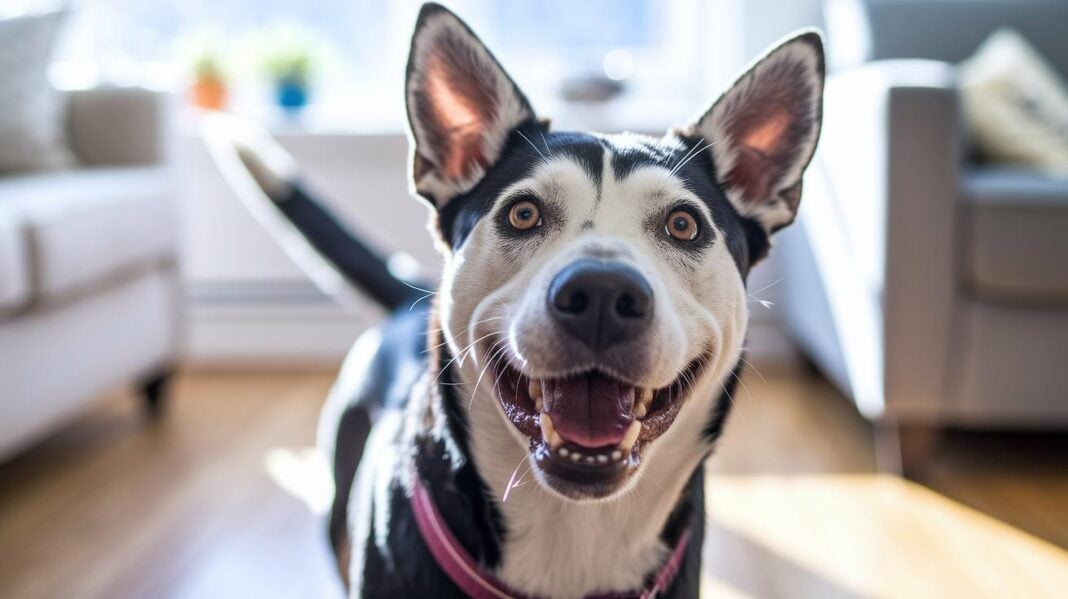

Have you noticed your pup’s ears twitch when something catches their attention? These ear movements aren’t just random, they show us how your dog is feeling. When you see those ears standing up, it means your pet is alert, happy, and ready to explore. But if the ears droop or lay back, your furry friend might be feeling a bit uneasy or shy.
In this post, we’ll take a closer look at what your dog’s ear signals mean. Understanding these hints can help you know when your pet is excited or when they might need a little extra comfort. Let’s dive in and learn together what those adorable ears are really saying!
Dog Body Language Ears: Quick Overview of Canine Ear Signals
Dogs tell us how they feel with the way their ears move. When a dog's ears point forward, it shows they're very alert. For example, your pup might perk up its ears when it hears a favorite word or a rustle from the kitchen.
When a dog's ears go back, it often means the dog feels scared, shy, or unsure. Imagine meeting someone new and feeling nervous; many dogs lower their ears in similar situations to show their discomfort.
A relaxed ear position, where the ears hang a little lower without stiffness, means the dog feels calm and comfortable. Some dogs naturally have ears that stand up, and as puppies, uneven ear positions are normal until they grow.
Remember, while ears help dogs hear, their position also tells us how a dog is feeling overall. Watch your dog's ears along with its tail and body to understand its mood better.
Key Ear Positions and What They Mean in Dogs
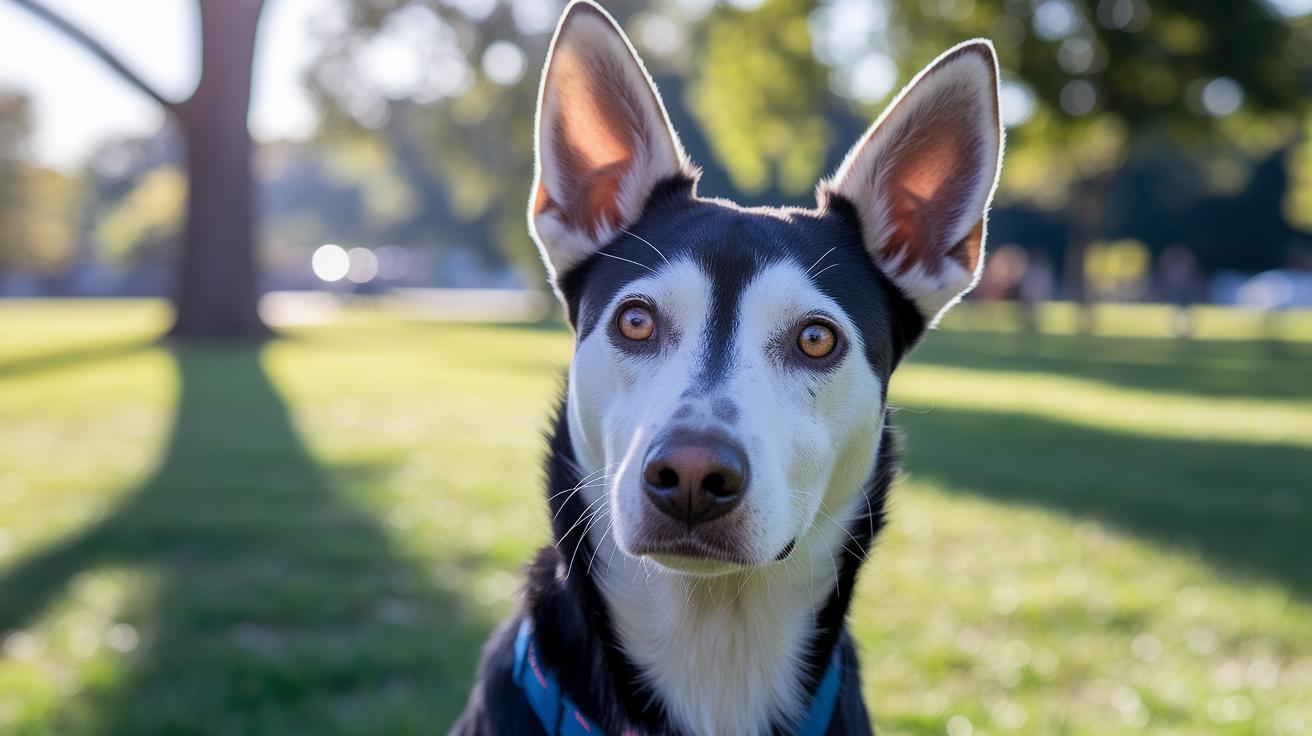
Dogs use their ears to show how they feel. When a dog's ears point forward, it usually means they are alert and interested. For example, if you call your dog's name, you might see its ears perk up as it listens closely.
When a dog's ears are pushed back, it often shows fear, submission, or discomfort. You might notice this when a dog meets someone new. On the other hand, ears that lay low can mean the dog feels calm and relaxed, like a pup resting in a sunny spot.
Some dogs, especially those bred to work, may lift their ears higher to focus better. Raised or erect ears mean the dog is very attentive, such as a shepherd listening to its handler. Remember, a dog's breed and age can also change how its ears sit.
| Position | Description |
|---|---|
| Forward | Alert and interested |
| Pinned Back | Fear, submission, or discomfort |
| Relaxed | Calm and comfortable |
| Raised/Erect | Focused and very attentive |
How Breed Differences Affect Dog Ear Cues
German Shepherds have tall, quick-moving ears that clearly show when they’re excited. Their ears perk up to signal interest or joy during playtime and when they’re alert. On the other hand, dogs with floppy ears, like Beagles and Basset Hounds, use softer movements. Their ears might tilt gently or shift in small ways, often paired with a slight head tilt or subtle changes in body posture.
Some dogs sport ears that don’t stand up fully or have been cropped (surgically shortened), which can make it harder to read their feelings. If you notice one ear hanging lower or moving less, it might be due to an old injury or just a natural trait. For instance, a happy pup might give one ear a tiny flip while wagging its tail, showing comfort and joy. Using pictures to compare these breed-specific signals can help you understand your pet’s unique way of expressing happiness. Combine these ear cues with other body language to get the full picture of how your dog feels.
Dog Body Language Ears: Joyful signals show moods
Ear and Tail Synchronization
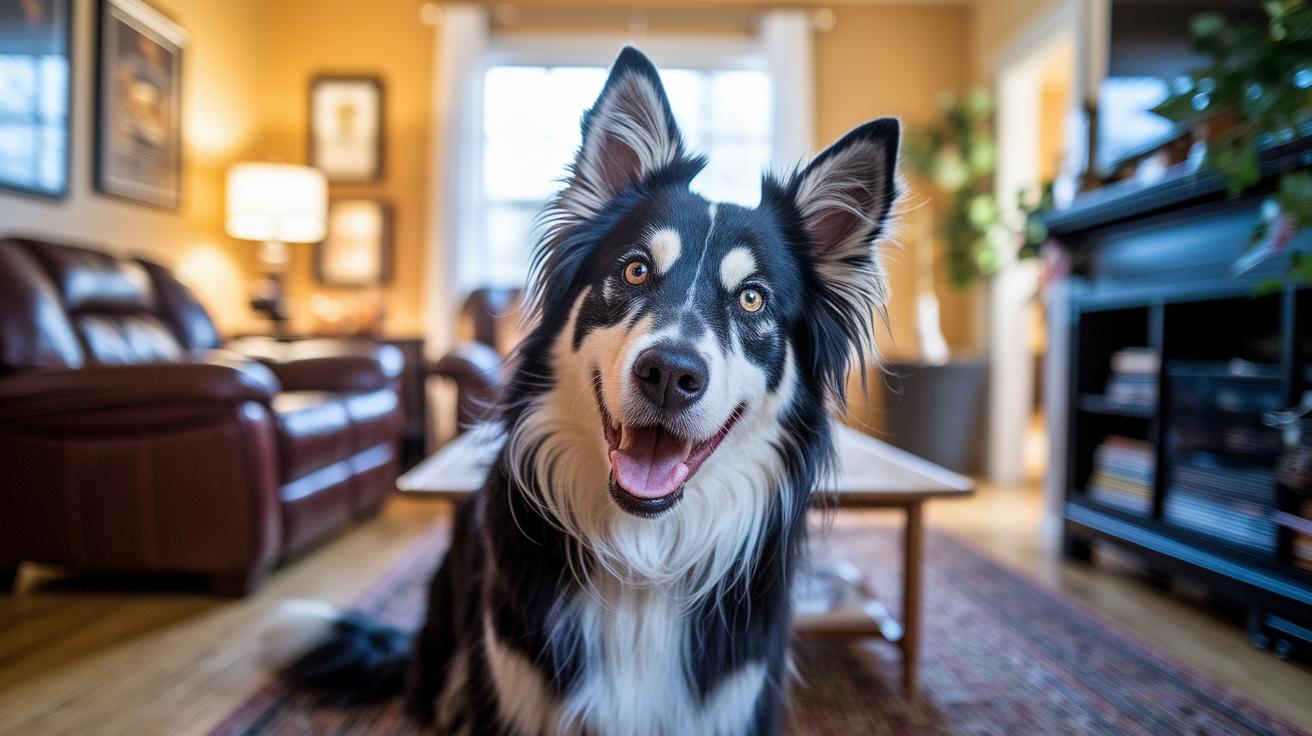
Dogs move their ears and tails together to share how they feel. When a dog lifts its ears and wags its tail in a loose, sweeping motion, it is showing playful joy. Quick ear lifts with a relaxed, bouncy tail mean the dog feels safe and happy. But if the ears are up while the tail stays stiff or tucked, it might be a sign that the dog is feeling cautious. When you see the ears and tail working together, it gives you a clearer picture of your dog's mood. Imagine a dog that rushes over to greet you with a wagging tail and perked ears, it is simply delighted.
Ear Position with Facial Expressions
Dogs also use their facial expressions along with ear positions to show their moods better. A slight upward tilt of the ears, paired with a soft smile and gentle eyes, tells you that the dog is relaxed. On the other hand, ears that are pinned back with a tight mouth or a growl can mean the dog is uncomfortable. Watching these signals together helps you avoid misunderstanding your dog's true feelings. A joyful dog usually has perked ears, calm eyes, and a relaxed face. For example, if you see a dog that slowly blinks while keeping its ears forward, it is sending a warm and friendly message.
Ear Development from Puppy to Adult Dogs
Puppy Ear Stages
Puppies start out with soft, bendy cartilage that makes their ears droop or look uneven. In the first few months, you might see one ear drooping more than the other as they adjust. Even teething can make their ears shift temporarily. For example, a happy pup might lower its ears after a gentle petting session, showing that it feels comfortable. These changes usually happen from birth to about six months, while their ears learn how to stand up and find their shape.
Adult Ear Position Consistency
As dogs get older, their ear cartilage becomes tougher and their ears hold a steadier position. After moments of excitement, a dog's ears usually go back to their normal spot quickly. In adult dogs, ear positions can be affected by breed traits or past injuries. For instance, working breeds might show more movement in their ears, while some pets naturally keep one ear a bit lower. Watching these subtle signals can help you understand your dog's mood and how comfortable it feels.
Practical Tips for Reading Dog Body Language Ears
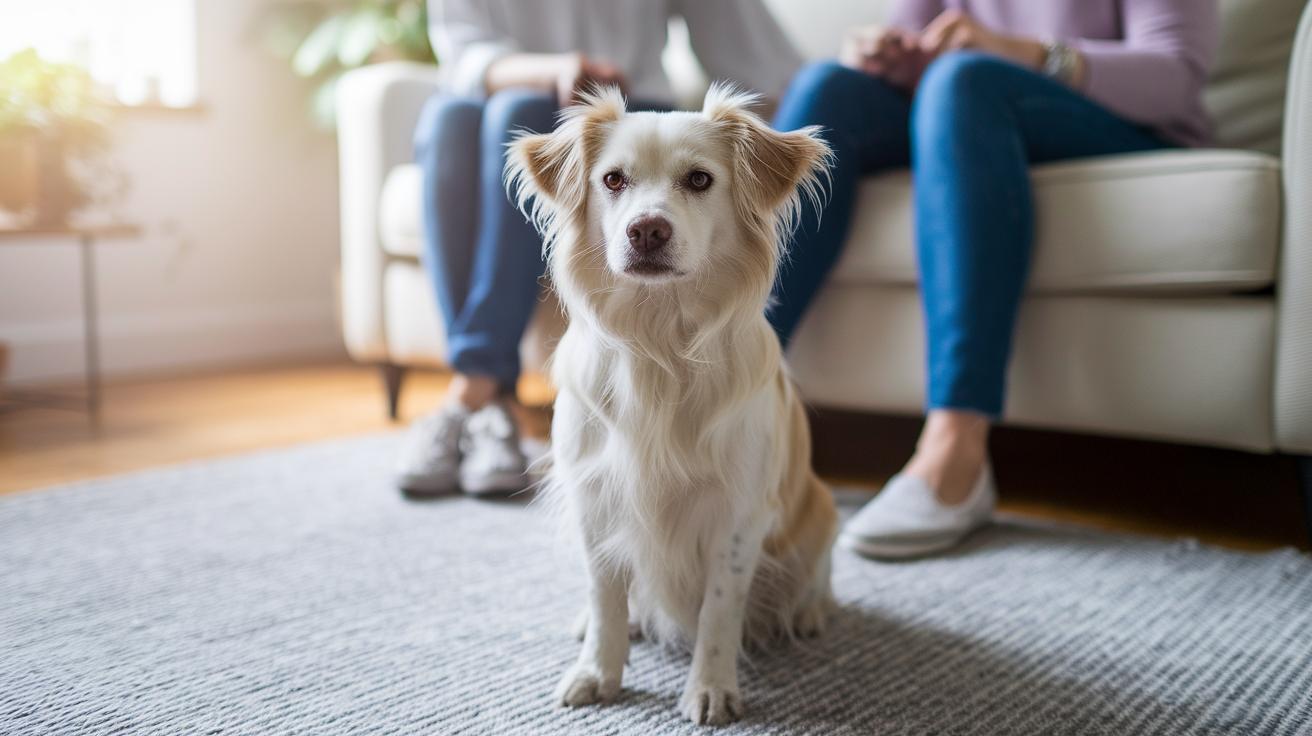
Begin by noticing how your dog's ears naturally sit when it is calm. Watch your dog during quiet, relaxed moments and remember where its ears usually point. This calm position is your starting point to see small changes when your dog hears a sound, plays, or meets someone new. For example, its ears might perk up when it hears a treat bag or lower when a stranger is around. Different sounds and interactions can slowly change the way your dog's ears move.
Keep a note, either in your mind or on paper, of your dog's typical ear movements in different places. When playing, you may see its ears lift quickly and evenly. At home, the responses may be slower. Also, pay attention to the dog's body and tail positions. An ear lift with a wagging tail usually means happy curiosity, while uneven ear movements might show a bit of worry or discomfort.
Try these tips during your daily interactions:
- Look at how evenly the ears move and how fast they react.
- Notice how the tail and ears work together.
- Use calm training times to get better at reading these signals.
- Write down any ear movements you see repeatedly.
- Compare the ear signals with other body language clues.
This approach helps you understand your dog's feelings and mood better.
Final Words
In the action, we explored dog body language ears and how they help reveal a dog's feelings.
We broke down ear positions like forward, pinned back, and relaxed, along with their connection to tail and facial cues.
We also looked at breed differences and development from puppy to adult.
These keepers can use these tips to read their pet’s signals better.
Happy observing and may your understanding of dog body language ears bring more joy to every interaction.
FAQ
Q: What do different dog ear positions mean, including charts and breed specifics like in Labradors?
A: The dog ear positions chart shows that ears forward signal alertness, pinned ears indicate fear or submission, and relaxed ears reflect calm. Breed traits, like in Labradors or floppy-eared dogs, can add subtle differences.
Q: Why does my dog’s ears go back when I pet him?
A: When your dog’s ears go back during petting, it often means your pet is feeling calm or slightly uneasy. This response may be a signal to slow down or adjust how you pet.
Q: What does a floppy dog ear position indicate?
A: A floppy dog ear position can signal gentle alertness or relaxed comfort. Since movements may be subtle, it helps to watch other body signals to better understand your dog’s mood.
Q: What can dog body language tell me about a possible ear infection?
A: Unusual ear behaviors like constant head shaking, redness, or pulling at the ear can suggest an ear infection. Consult your veterinarian for a proper check if these signs appear.
Q: What is the 7 second rule for dogs?
A: The 7 second rule means giving any dog a brief moment—about 7 seconds—to settle before approaching if its body language or ear signals are unclear.
Q: What is a red flag in a dog’s behavior?
A: A red flag includes signs like a stiff body, pinned-back ears, and aggressive facial expressions. These cues indicate stress or possible defensive behavior, so proceed gently or give space.