



Does your Cavapoo bark a lot or nip at you? It might be more than just playful behavior. Sometimes, these actions mean your furry friend feels uneasy. Our guide explains why your pup might snap, bark continuously, or chew on things. We share easy tips like using treats when your pup does well and taking short breaks from leaving them alone. These steps can help calm your dog and bring more peace to your home.
Key Cavapoo Behavior Issues and Actionable Solutions
Cavapoos blend a friendly, loving nature with smart, playful energy. This mix can sometimes show up as fear-driven or anxious aggression, too much barking from boredom or triggers, separation anxiety seen through whining or chewing, destructive chewing from extra energy, and the natural high energy of puppyhood and adolescence.
Begin with clear positive reinforcement. Reward good behavior with treats and praise. For example, when teaching a "quiet" command, say "Quiet" and give a treat as soon as your Cavapoo stops barking.
Here are some common issues and what you can do:
- Aggression: This can come from fear or a protective instinct. Watch for signs like snapping or a stiff body. Help by slowly introducing your pup to what scares them in a calm setting.
- Excessive Barking: Use a consistent "quiet" command and plan interactive play to help beat boredom.
- Separation Anxiety: Start with very short departures. Try leaving for just one minute, then come back and gradually lengthen the time.
- Destructive Chewing: Offer plenty of chew toys and puzzle feeders to redirect their need to chew.
- Hyperactivity: Daily walks and planned play sessions can help manage their energy.
Early socialization and steady, positive training go a long way. Practice short departures and controlled exposure to new people and places. This mix of careful watching, reward-based training, and regular physical exercise usually leads to a happier, well-behaved Cavapoo.
Cavapoo Aggression: Triggers, Early Signs, and Remedies

Cavapoos can act out when they feel scared or need to protect something important. You might see your pup snapping, growling, or standing with a tight, stiff body. Think about how a child might clench their fists when surprised; it means your furry friend is asking for a little space.
Here are some steps to gently help your pup feel more secure:
- Look for things that make your dog feel afraid or defensive.
- Slowly let your pup see or experience these triggers in short, calm sessions.
- Give treats or playtime during these sessions to build a happy connection.
- Keep each session friendly and controlled so your pet does not feel overwhelmed.
Remember, yelling or scolding can make your pup more anxious and worsen the behavior. If the aggression does not get better or even becomes stronger, talk with your veterinarian or a pet behavior expert for more help.
Managing Excessive Barking in Cavapoos
Cavapoos are friendly and smart, but sometimes they bark a lot when they feel bored, anxious, or notice sounds around them. It helps to figure out why your pup is barking. Ask yourself: Is it trying to alert you, asking for attention, or showing stress? For example, if your dog barks when the doorbell rings, that's an alert bark.
Here are some steps you can follow:
- Teach a "quiet" cue. Say "quiet" when your Cavapoo stops barking, even for just a moment, and then give a treat right away.
- Reward calm behavior. Every time your pup remains quiet, offer praise or a treat.
- Identify triggers and keep boredom away. Make sure your dog gets plenty of exercise and has fun, interactive toys.
Using treats or praise immediately helps your dog understand that quiet moments are more rewarding than barking. With consistent practice, your furry friend will learn to be calm.
Reducing Separation Anxiety in Cavapoos with Routine and Training
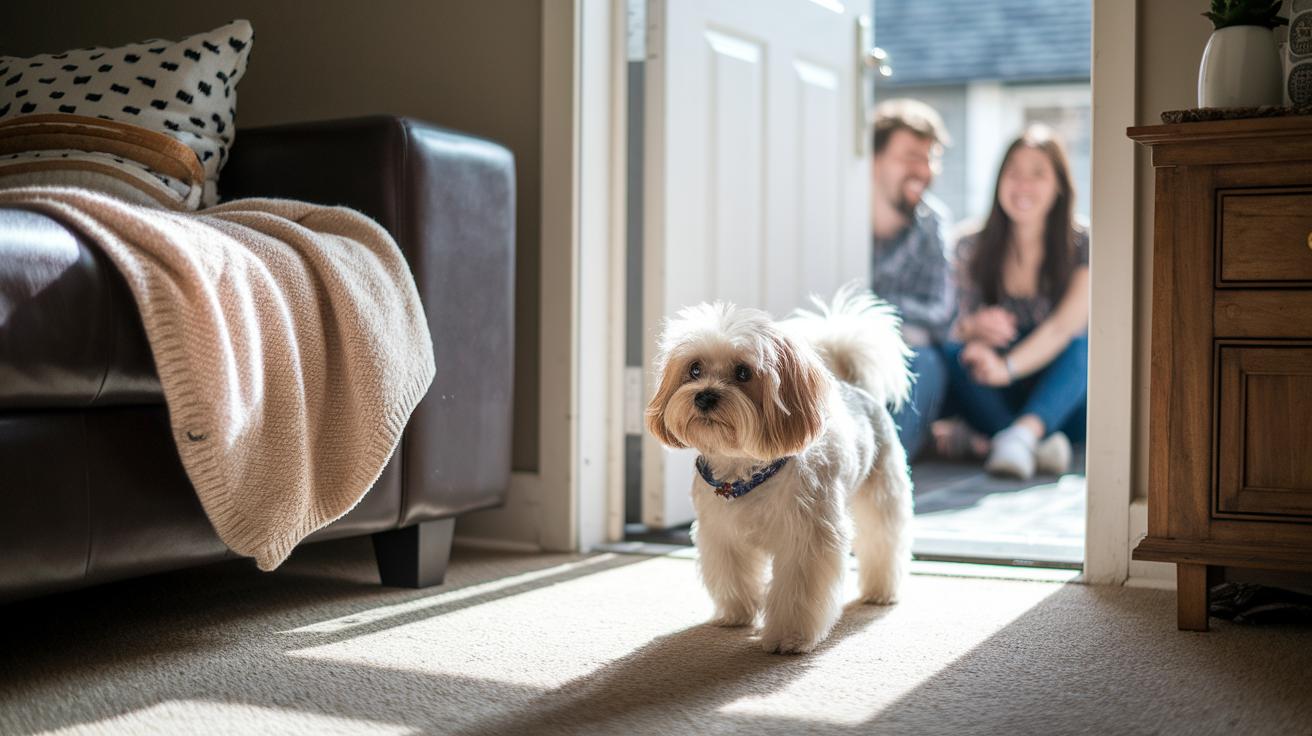
Cavapoos love being with their families, and they can get very upset when left alone. They might bark a lot or chew on things when they feel scared. A gentle, step-by-step plan can help your pup feel safe again.
Start by leaving your cavapoo alone for about one minute. As your pup gets more at ease, slowly make these short absences longer over several weeks.
Try doing low-key practice exits. For instance, put on your coat and step outside for a minute, then come back before your dog gets upset. Set up a cozy space with a favorite blanket or toy, and give a puzzle feeder to keep your cavapoo busy. These little changes can help your pup feel more secure when you’re not there.
Follow these steps:
- Begin with one-minute departures.
- Slowly increase the time you are away.
- Make your exits calm and relaxed.
- Use a comforting area and puzzle feeders to help distract your dog.
This routine builds your cavapoo’s confidence and eases their worry about being alone. Keep each training session short and fun, and you will soon notice a calmer, happier pet.
Combating Destructive Chewing and Hyperactivity in Cavapoos
Cavapoos are energetic pups who sometimes chew on shoes or furniture and dash around the house. A mix of outdoor walks and play sessions helps use up their energy in a good way. Below is a table with easy tips to tackle these common behaviors:
| Behavior Issue | Solution |
|---|---|
| Chewing Shoes/Furniture | Give them tough chew toys and switch them out weekly |
| Digging or Ripping | Let them play outside under supervision and set up a small digging spot |
| Indoor Zoomies | Try short agility drills to use up their energy |
| Restlessness | Offer puzzle feeders and 20-minute fetch games |
Using these simple tips in your daily routine can help your Cavapoo focus their energy on fun and positive play. Keep an eye on their behavior and adjust activities as needed to keep your pet happy and healthy.
Preventive Cavapoo Training: Socialization and Obedience Foundations

Start by exposing your Cavapoo puppy to different people, other pets, and new places when they are between 8 and 16 weeks old. This helps build a confident pup and reduces fear of unfamiliar things. Keep each training session short, around five minutes, so your puppy stays focused and doesn’t get overwhelmed.
Teach simple commands like sit, stay, come, and leave it. These clear cues set easy rules for your pup. A great way to do this is with clicker training. When your puppy obeys a command, click a device (like a dog clicker) and immediately give a treat. This quick reward shows your pup that good behavior brings good things.
A routine that mixes fun social experiences with basic obedience can prevent behavior problems later. Regular practice, gentle guidance, and plenty of praise will help your puppy feel secure and ready to face new challenges. Keep things upbeat and fun so your little friend learns happily and confidently.
When to Seek Professional Help for Cavapoo Behavior Challenges
If your cavapoo still shows fear-based aggression, constant barking, or severe anxiety after 4 to 6 weeks of home training, it’s time to get professional help. Such behaviors might mean your pet is in pain or has a health issue. Ask yourself if these actions have become more frequent or stronger despite your regular training.
- Watch if your cavapoo snaps, growls, or seems extra tense even in safe spots.
- Notice any changes in eating, energy, or movement that could signal discomfort.
A licensed veterinarian can check for health problems that might be causing these issues. If no health problems are found, a certified behaviorist can make a custom plan to help ease your pet’s fear. They might use counter-conditioning (a method that replaces stress responses with positive rewards). Keeping a record of your pet’s behavior can be very helpful during these visits. With the right guidance, you can help your cavapoo become calmer and happier.
FAQs on Cavapoo Behavior Problems and Solutions

Use this guide to quickly find answers to questions you might have about your Cavapoo’s behavior:
-
Aggression
Find out how fear and anxiety can make your Cavapoo snap or growl. For example, if your pup snaps suddenly when startled, check the Aggression section to learn simple calming tips. -
Excessive Barking
Discover clear steps to teach your dog a "quiet" command, and how to reward every pause in barking. When your Cavapoo has a quiet moment, use a treat right away, details are in the Barking section. -
Separation Anxiety
Read about how to slowly get your pet used to being alone with gradual departures and fun toys that keep them busy. -
Appropriate Toys
Learn which chew toys and puzzle feeders are strong and safe for your Cavapoo, and how they help keep your dog’s mind active. -
When to Seek Professional Help
Understand how long you should try home training before considering a professional trainer or your veterinarian for extra help.
Final Words
In the action, this post tackled common issues like excess barking, separation anxiety, destructive chewing, and aggressive responses.
It offered step-by-step guidance on training, socialization, and knowing when to ask for professional help.
Clear, actionable tips for cavapoo behavior problems and solutions were shared to empower pet care decisions.
Keep trying these methods and watch your pet grow more confident and calm day by day.
FAQ
What are common behavior problems in Cavapoos and how can I solve them?
The common behavior problems in Cavapoos include excessive barking, separation anxiety, destructive chewing, and minor aggression. Positive reinforcement, regular exercise, and interactive toys are effective solutions.
Why does my Cavapoo show aggressive behavior?
The aggressive behavior in Cavapoos often stems from fear or overprotectiveness. Early warning signs like snapping or growling call for gentle, reward-based training and, if needed, professional help.
How can I calm my Cavapoo down?
Calming your Cavapoo involves consistent routines, using quiet commands, and selling off excess energy with regular walks and engaging toys. Rewarding calm behavior reinforces a relaxed state.
At what age do Cavapoos typically calm down?
Cavapoos generally calm down by around 1 to 2 years old as they mature. Each dog is unique, so consistent training and socialization help smooth the transition.
Is separation anxiety common in Cavapoos and how can it be managed?
Separation anxiety is common in Cavapoos due to their strong family bond. Gradual departures, enriched environments like puzzle feeders, and low-key exits help ease this stress.
What are some reasons not to get a Cavapoo?
Reasons to reconsider a Cavapoo include high maintenance needs, grooming demands, and potential anxiety. Ensure you can meet these needs before committing to this breed.
What are the pros and cons of owning a Cavapoo?
Cavapoos are friendly, smart, and affectionate. However, they may struggle with separation anxiety and sometimes bark excessively, which means consistent training is essential.
Why might I feel frustrated with my Cavapoo’s behavior?
Frustration can arise from unmet exercise needs or anxiety-driven actions. Adopting a structured training routine and offering more physical and mental stimulation can improve behavior.
How do Cavapoo behavior issues manifest around other dogs?
Some Cavapoos may show stress or mild territoriality around other dogs. Early and positive socialization helps them learn friendly interactions with their peers.
What exactly is a Cavapoo?
A Cavapoo is a mix between a Cavalier King Charles Spaniel and a Poodle. They are known for their intelligence, friendly nature, and make loving, energetic companions.