

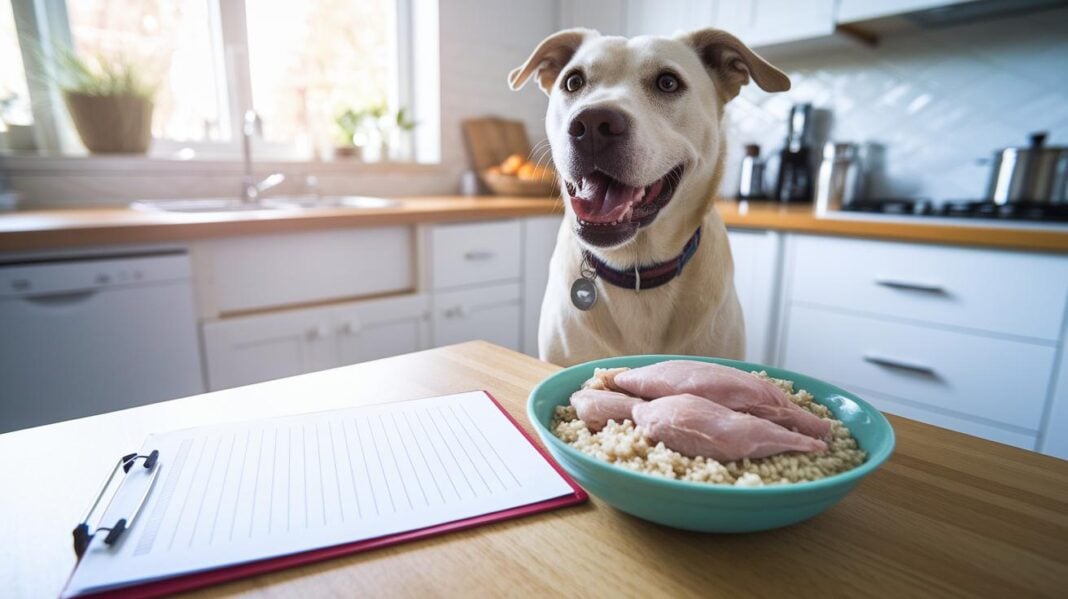

Have you ever wondered if a simple meal can help ease your dog's upset stomach? Many vets recommend a BRAT diet (boiled chicken and rice) to calm mild tummy troubles. One pet parent even noticed their dog became more energetic after just a few days on this gentle meal plan.
In this article, we explain when vets advise this diet, how it works, and why it can relieve short-term stomach issues. Keep reading to learn how this simple approach gives your furry friend a break while still providing basic nourishment.
When Vets Recommend a BRAT Diet for Dogs
Vets sometimes suggest a BRAT diet for dogs with a mild tummy upset, like vomiting, diarrhea, or a loss of appetite. This meal plan uses simple food, boiled, boneless, skinless chicken and white rice, that is easy on your dog's stomach and absorbs quickly. One pet parent even said a small bowl of chicken and rice helped their dog regain his playful energy in just a few days.
This diet is recommended only when a dog shows signs of digestive discomfort and after a vet has ruled out serious issues. If your dog is having ongoing vomiting, diarrhea, or isn’t eating much, the BRAT diet gives their stomach a break from heavy foods while still providing some nourishment. Your vet will check to ensure there are no major problems like blockages or inflammatory conditions before suggesting this diet.
Keep in mind, the BRAT diet is only for short-term use, usually three to four days until symptoms improve and stools return to normal. Once your dog's digestive system is feeling better, your vet will advise switching back to a regular diet with balanced nutrients for long-term health.
Components of a Dog-Friendly BRAT Diet
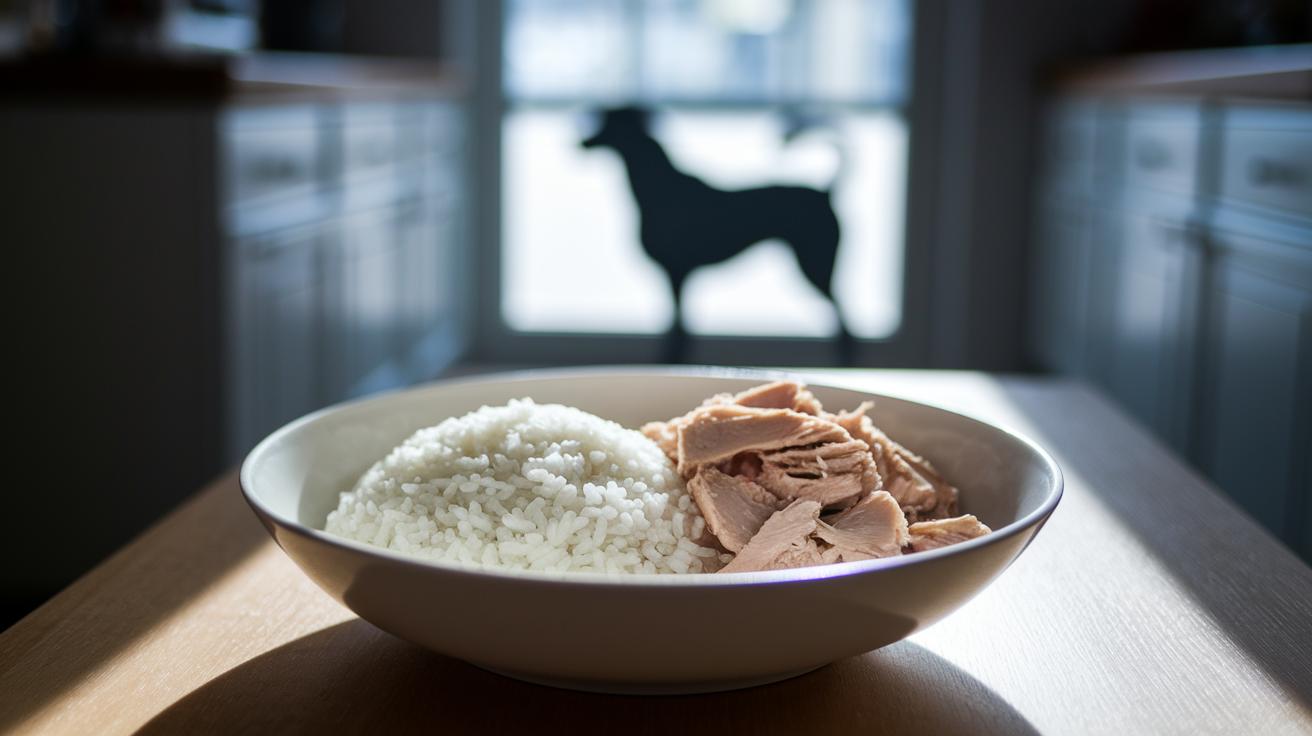
The BRAT diet for dogs uses simple, gentle foods that help settle a troubled tummy. A common mix is two parts white rice and one part boiled lean chicken breast. Both white rice and chicken are easy to digest, which makes them great for calming an upset stomach. The chicken is boiled well until fully cooked, with all bones and skin removed. This mix gives energy without overloading a sensitive stomach.
Some pet owners switch things up by adding turkey, oatmeal, sweet potato, or bone broth. These alternatives help keep your dog hydrated and add mild flavors that can tempt a picky eater. They soothe the digestive system and offer key nutrients in a way that’s easy on the gut.
- White rice
- Boneless, skinless chicken breast
- Bananas
- Applesauce
- Oatmeal
- Sweet potato or bone broth
Benefits and Limitations of the BRAT Diet for Dogs
The BRAT diet is a mild eating plan that uses simple, easy-to-digest proteins and carbs to help a dog's stomach settle. Its basic ingredients calm the gut and relieve stomach discomfort. This approach gives your dog a break from heavier foods and helps the tummy recover gently.
A big plus is that many dogs find the plain boiled chicken and white rice very appealing. When a dog isn’t feeling well, this bland meal can tempt even a picky eater to nibble, ensuring they still get some calories during a rough patch.
However, using the BRAT diet for more than three or four days can lead to a lack of vitamins and minerals your dog needs. Without a full range of nutrients, your furry friend might feel less energetic or even face long-term health issues.
Once your dog’s stomach starts to feel better, slowly mix regular dog food with the BRAT meal. This gradual change helps bring back essential vitamins and minerals and supports your pet’s long-term health during recovery.
How to Safely Administer the BRAT Diet for Dogs

Begin by making a mild meal to help ease your dog's upset stomach. Boil boneless, skinless chicken until it is fully cooked. This method keeps the chicken safe and breaks down proteins so they are easier to digest. At the same time, cook white rice until it is soft and tender. These foods are gentle on the stomach and help bring your dog's digestion back to normal without adding extra strain.
Next, mix the chicken and rice in a balanced way. Use two parts rice to one part chicken for a meal that gives energy without extra fat or spices. For smaller breeds or very sensitive dogs, you can use pre-ground chicken from your butcher, which makes each bite small and easy to handle. It works best when you offer small portions throughout the day, so the digestion system is not overwhelmed.
Follow these steps:
- Measure and cook two parts white rice until it is soft.
- Boil lean chicken breast (no bones) until fully cooked.
- Cut or shred the chicken into bite-sized pieces.
- Mix the rice and chicken in a 2 to 1 ratio.
- Serve in small, frequent meals, adjusting portions based on your dog's size and needs.
Duration and Transitioning Off the BRAT Diet
For step-by-step advice, check the "When Vets Recommend a BRAT Diet for Dogs" and "Benefits and Limitations of the BRAT Diet for Dogs" sections. There, you'll find easy tips on watching your dog's progress and safely easing them back into their normal meals.
When the BRAT Diet Is Not Appropriate for Dogs

If your dog has ongoing stomach issues like pancreatitis (inflammation of the pancreas) or intestinal blockages, a BRAT diet might not be safe. This simple diet doesn't give them all the vitamins and minerals they need, especially when dealing with a serious problem or when the puppy is very young and hasn't been cleared by a vet.
Using the BRAT diet for more than a few days can lead to missing nutrients that are key to your pet's health. This lack can make their condition even worse. That’s why this gentle meal plan should only be used as a short-term fix.
Before you start any bland diet, have your dog checked by a veterinarian. The vet can rule out other issues that might need a different kind of care. Follow expert advice closely to make sure your dog gets the nutrition they need during times of digestive upset.
Consulting Your Veterinarian Before Starting a BRAT Diet
Before trying a BRAT diet (bananas, rice, applesauce, toast) for your dog, check with your vet first. If your pet shows signs like vomiting, diarrhea, or a loss of appetite, ask your vet if a bland diet is needed or if more tests should be done to rule out bigger problems.
Your vet will create a feeding plan that suits your dog's age, weight, and health history. Ask simple questions, like "What size portions work best?" and "How long should my dog stick to this diet?" Their advice will help you keep your dog comfortable and on the road to recovery.
Final Words
In the action, this post explained how a vet-approved bland feeding regimen can help calm an upset stomach in dogs. We covered the key ingredients like rice and lean chicken, shared easy prep steps, and discussed when to transition back to regular food. It also highlighted the limitations and stressed that a brat diet for dogs is only recommended when vets advise it. Keep monitoring your dog’s recovery, consult your veterinarian for tailored guidance, and remember that even small changes can lead to happier, healthier pets.
FAQ
Q: When is a BRAT diet recommended for dogs, and what does it include?
A: The BRAT diet for dogs is advised when a pet shows mild digestive signs like vomiting or diarrhea. It typically consists of easily digestible ingredients such as white rice and lean chicken.
Q: How much should I feed my dog on a bland diet?
A: The feeding amount depends on your dog’s weight and condition. Pet parents usually offer small, frequent meals and follow the veterinarian’s guidelines to avoid stressing the digestive system.
Q: Can a bland diet help ease my dog’s diarrhea and upset stomach, and is it an effective home remedy?
A: A bland diet can soothe a dog’s upset stomach and control diarrhea by using simple, low-irritant foods. It should only be used temporarily under a vet’s supervision to rule out serious issues.
Q: What healthier alternatives do doctors now recommend instead of the traditional BRAT diet for humans?
A: Modern recommendations favor balanced foods rich in vitamins and minerals over the BRAT diet. These alternatives offer necessary nutrients and support a faster recovery in both people and pets.