



Has your dog started drinking extra water and peeing more than usual? These could be early signs of kidney problems. You might also notice your pet eating less or acting more tired than usual. When a dog loses weight and feels low on energy, it may be a signal that their kidneys need help. In this guide, we explain the common signs of kidney trouble and share tips on how to support your furry friend. We're here to help you keep your pet strong and happy.
Kidney Disease in Dogs: Recognizing Key Symptoms
Kidney disease can make a dog’s body work very hard. Their kidneys normally clear out toxins (harmful substances), help keep the right balance of water and salts, and even make hormones to help their blood. When kidneys start to fail, you might see signs that your dog just isn't feeling right.
One common sign is a drop in appetite. You might also notice your dog drinking and peeing more than usual, which is called polyuria/polydipsia (increased urination and thirst). They could also start losing weight without a clear reason because their body isn’t using food like it should. Lethargy, or being less active than normal, might show up as well when the kidneys are struggling to do their job.
Sometimes kidney problems can develop very fast. For example, if a dog eats something poisonous like antifreeze, grapes, or chocolate, symptoms might show up in just a few hours or days. Other times, the condition creeps in slowly over weeks or months because of long-term wear or other health issues. You might also see signs like stumbling, vomiting, or uncoordinated movements. These changes mean the kidneys are under stress, so it’s important to catch them early.
Keep an eye on your pet’s daily habits, especially how much water they drink, how often they eat, and their energy level. If you notice any of these changes, it’s a good idea to visit your vet right away.
For more details on what to watch for, check out this resource: signs of kidney disease in dogs.
Kidney Disease in Dogs: Causes and Risk Factors

Sometimes a dog’s kidneys can suddenly fail if they get into something dangerous. Things like antifreeze, grapes, chocolate, certain medications, or even some infections can hurt their kidneys fast. If your dog suddenly seems very tired after eating something unusual, it could be a warning sign.
Other kidney problems develop slowly over time. As dogs get older, their organs naturally weaken. Some breeds are more at risk because of their genes. Also, if your dog has other organ issues, their kidneys may work even harder, which adds extra stress.
There are simple ways to help protect your pet. Keep dangerous foods and household chemicals out of your dog’s reach. Regular check-ups with your vet can catch early signs of trouble. Also, pay attention to any small changes in how your dog acts or eats, as these might be early hints of kidney problems.
Kidney Disease in Dogs: Diagnostic Approaches
Veterinarians use a mix of tests to check how well a dog’s kidneys work. They start with a physical exam and a full health check to spot any overall issues. One common test is a urinalysis. This is when a urine sample is tested for protein, how concentrated the urine is (called specific gravity), and tiny particles in the liquid. High protein levels or odd particles can signal that the kidneys are having trouble filtering waste.
Blood tests are also very important. In these tests, vets look at markers like BUN (blood urea nitrogen) and creatinine, along with electrolytes. When BUN and creatinine are high, it typically shows that the kidneys are not clearing toxins properly. Think of it like a car’s engine light coming on to warn you that something isn’t right.
Imaging tests also play a key part. Vets often use ultrasound to check the size, shape, and any spots or bumps on the kidneys. Sometimes they may use a CT scan or MRI scan, but these are less common. These imaging tools can reveal changes that might not be obvious from blood or urine tests.
If the initial tests suggest a problem, a small biopsy might be done. In a biopsy, a tiny bit of kidney tissue is taken to look at more closely and confirm the cause of the issue. Together, all these tests give a clear picture of a dog’s kidney health and help guide the best treatment plan.
Kidney Disease in Dogs: Treatment Protocols
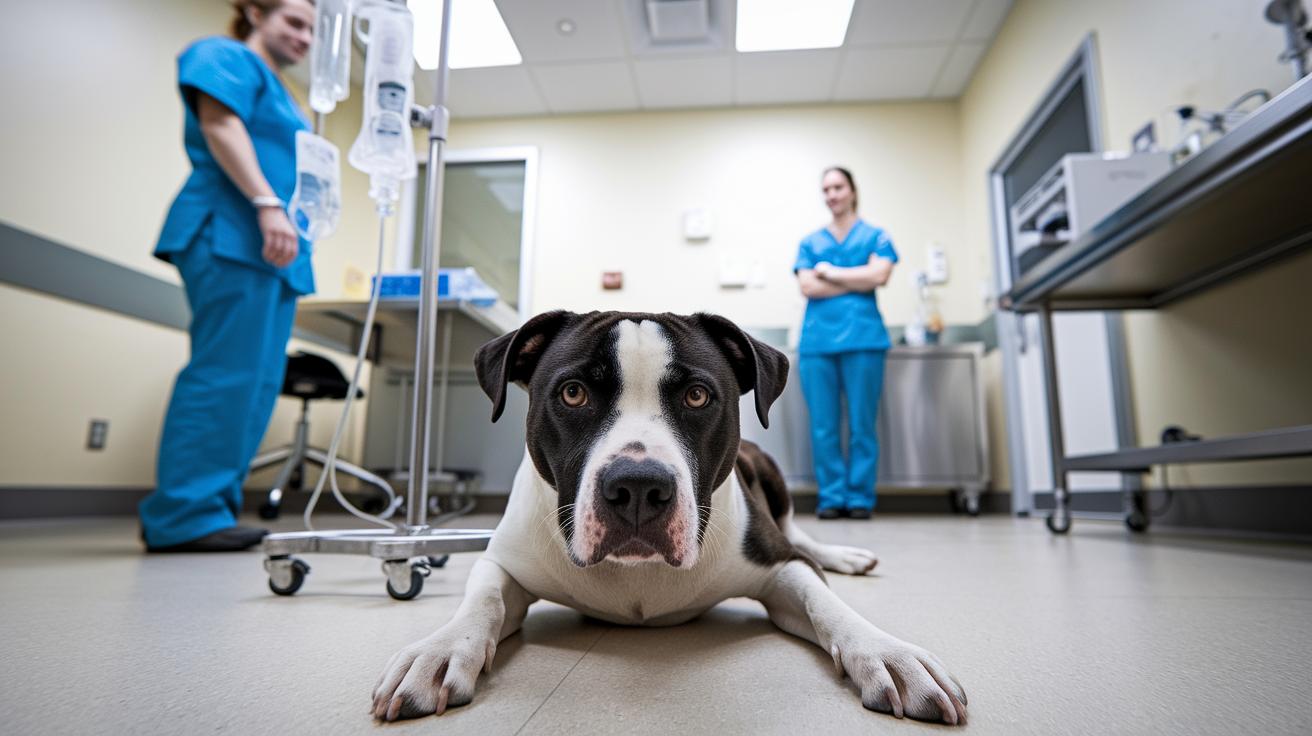
For dogs facing kidney disease, treatment has two main parts: urgent care and long-term management. When a dog shows sudden kidney problems, often from toxins like antifreeze (a type of chemical used in cars) or certain medications, it needs quick, intensive treatment. Your vet usually starts by giving IV fluids (fluids injected directly into the vein) to help rehydrate the dog and balance important minerals. They also work fast to clear toxins using special medicines and sometimes activated charcoal (a substance that binds toxins). In very severe cases, dialysis (a treatment that filters the blood) might be an option, though it can be expensive.
After the immediate crisis, careful monitoring and extra care become essential. For dogs with ongoing kidney issues, the goal is to slow the damage and control everyday symptoms. Many pet parents give their dogs fluids under the skin at home to keep them hydrated. Medicines such as phosphate binders help control phosphorus (a mineral that can build up) levels, and antihypertensives (blood pressure medicines) reduce the extra strain on the kidneys. If a dog also has anemia (low red blood cell count), the vet might add erythropoietin injections to boost energy levels.
Other medications play important roles too. Antiemetics (anti-nausea drugs) help ease vomiting and keep the dog eating, while appetite stimulants encourage regular meals. Antibiotics are used when an infection is part of the problem. These treatments all work together to give a dog’s kidneys the best chance to perform well.
Some veterinarians may also suggest supplements like antioxidants to support the health of kidney cells. By combining these therapies, vets can create a personalized plan that focuses on both immediate recovery and long-term quality of life. This thoughtful approach helps pet parents manage their dog’s health challenges with confidence.
Kidney Disease in Dogs: Nutritional and Lifestyle Strategies
When a dog has kidney problems, a few simple changes can ease the pressure on their kidneys. A special kidney diet uses less protein and lower phosphorus to help the kidneys work less hard. This diet also controls sodium and adds omega-3 (a helpful fat found in fish oil) that supports overall kidney health.
Make sure your dog drinks plenty of water. Place water bowls in different rooms and mix in some wet food at mealtime. For instance, try setting out two small water bowls in separate areas so your dog can easily sip water whenever needed.
Some antioxidant supplements may also help by fighting inflammation and keeping kidney cells healthy. These work with the diet to protect the delicate tissues in your pet's kidneys.
A short daily walk or a gentle play session can be very helpful. This kind of light exercise keeps your dog's muscles strong without overworking the kidneys. It’s like giving a little stretch to keep the body moving safely.
All of these steps together can improve your dog's quality of life while managing kidney disease.
Kidney Disease in Dogs: Home Monitoring and Long-Term Care

Monitoring your dog's health at home can really help. Write down daily details like water intake, pee, appetite, and weight. A simple diary can help you notice changes early. For example, note if your dog drinks more water on a hot day or skips a meal and then pees less than usual.
Regular follow-up tests with your vet are very important. Have blood and urine tests done every 3 to 6 months to check kidney function and decide if you need to change food or medicine.
Here are some easy tips to help manage kidney disease at home:
It is important to work closely with your vet. They may suggest comfort care options if the disease gets worse. Sharing your records can help them make quick decisions to keep your dog comfortable and healthy.
Keeping your diary up to date and discussing it during vet visits will help improve treatment and keep your dog feeling their best over time.
Final Words
In the action, we explored key signs such as increased thirst, weight loss, and lethargy that may signal kidney disease in dogs. We broke down the importance of prompt screening, thorough diagnostics, and a mix of emergency and long-term treatments. Nutritional adjustments and regular home monitoring also play a major role in keeping your pet safe. With clear insight on kidney disease in dogs symptoms and treatment, staying alert and following vet guidance can help support your pet's overall well-being. Stay hopeful and focused on proactive care.
FAQ
Frequently Asked Questions
Q: What are the signs in the last days of a dog with kidney failure?
A: In the final days, dogs with kidney failure may show severe lethargy, loss of appetite, vomiting, and dehydration. They might also appear disoriented. Immediate veterinary care is necessary.
Q: What is the life expectancy for dogs in the early stages of kidney disease?
A: Dogs diagnosed early can live months to years with proper care. Early detection, regular checkups, and dietary adjustments can slow disease progression and help maintain quality of life.
Q: How is kidney disease in dogs treated, including symptom management and medication?
A: Treatment varies by stage. Options include specialized diets, medications for symptoms like vomiting or high blood pressure, and sometimes fluids to maintain hydration. A veterinarian tailors the plan based on your dog’s needs.
Q: What toxins can cause kidney failure in dogs?
A: Toxins such as antifreeze, grapes, chocolate, and certain plants can lead to kidney failure. These substances disrupt kidney function, so seek veterinary help immediately if your dog is exposed.
Q: What are the symptoms and treatment for end-stage kidney disease in dogs?
A: End-stage kidney disease usually causes severe weight loss, weakness, vomiting, and dehydration. Treatment focuses on palliative care, pain relief, and supportive therapies, all guided by a veterinarian.
Q: What symptoms indicate stage 3 kidney disease in dogs?
A: Stage 3 kidney disease is marked by significant lethargy, muscle loss, reduced appetite, increased thirst, and frequent urination. These signs suggest moderate kidney damage and require close veterinary monitoring.
Q: How long can a dog live with kidney disease?
A: The lifespan of a dog with kidney disease can range from a few months to several years, depending on the stage and management. Early diagnosis and intensive care help extend the quality of life.
Q: How do you know if your dog is having kidney problems?
A: Common signs include increased thirst, frequent urination, weight loss, lethargy, vomiting, and decreased appetite. A veterinarian can confirm kidney issues through blood and urine tests.
Q: Does kidney disease cause diarrhea in dogs?
A: Yes, kidney disease can lead to diarrhea due to toxin buildup and digestive upset. Diarrhea along with other symptoms like vomiting signals that a vet evaluation is needed.
Q: What foods should dogs with kidney disease avoid?
A: Dogs with kidney disease should stay away from foods high in phosphorus and sodium, such as certain dairy products and processed meats. A veterinarian or pet nutritionist can recommend a suitable diet.