



Do you ever wonder if your dog's anxiety meds are really safe? It tugs at your heart when your pup shakes at loud noises or feels uneasy when left alone. Vets say the right medicine can help ease these upset moments.
In this guide, we cover some common drugs that help calm dogs. Some are approved by the FDA (the Food and Drug Administration, which checks medicines for safety), while others come highly recommended by pet experts. Read on to learn how these treatments can offer safe, dependable relief for your cherished friend.
Vet-Approved and Common Anti-Anxiety Meds for Dogs
Vets say it’s very important for a dog with anxiety to get medications that are safe and reliable. Using meds approved by the FDA (Food and Drug Administration, which checks the safety of drugs) or ones recommended off-label by pet experts can help target specific worries like being alone, loud noises, or general anxiety.
Below is a quick guide to some common meds. The table shows the medication, its type, whether it is FDA approved, and its main use.
| Medication | Type | FDA Approved | Primary Use |
|---|---|---|---|
| Alprazolam (Xanax) | Benzodiazepine | No (Off-label) | Phobias and Panic Disorders |
| Amitriptyline | TCA | No (Off-label) | Separation Anxiety and Generalized Anxiety |
| Buspirone | Anxiolytic | No (Off-label) | Phobias and Generalized Anxiety |
| Clomipramine (Clomicalm) | TCA | Yes | Separation Anxiety and Repetitive Disorders |
| Dexmedetomidine (Sileo) | Alpha-2 Agonist | Yes | Situational Anxiety and Noise Phobias |
| Diazepam | Benzodiazepine | No (Off-label) | Situational Anxiety and Noise Aversion |
| Fluoxetine (Reconcile or Prozac) | SSRI | Yes | Separation Anxiety, Fear, and Compulsive Behaviors |
| Lorazepam (Ativan) | Benzodiazepine | No (Off-label) | Situational Anxiety and Panic Disorders |
| Paroxetine (Paxil) | SSRI | No (Off-label) | Generalized Anxiety and Noise Fear |
| Sertraline (Zoloft) | SSRI | No (Off-label) | Various Anxiety Disorders and Phobias |
Each dog is different, so treatment is chosen based on your pet’s exact anxiety issues. Always work with your veterinarian to make sure the medication fits your dog's needs. Your vet may even suggest pairing these meds with behavior therapy for the best results.
best anxiety meds for dogs: Safe, Reliable Relief
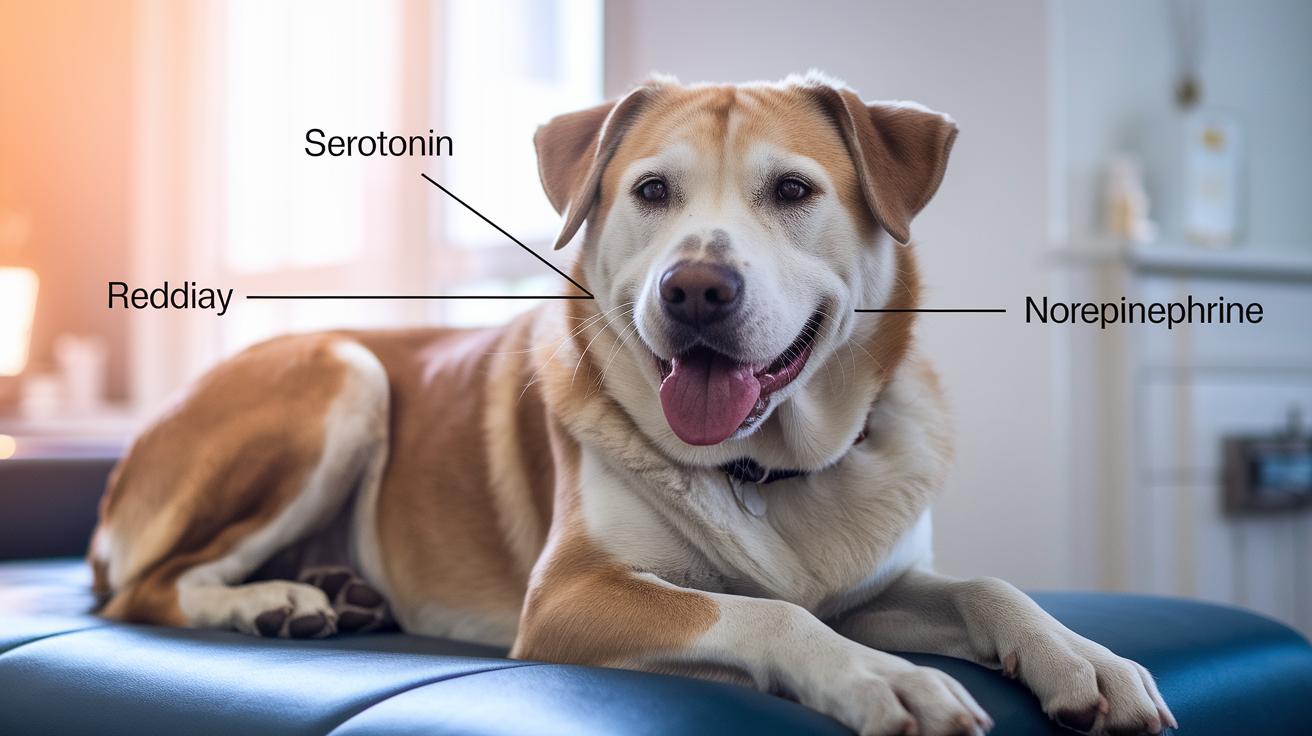
Anxiety medications help your dog feel calmer by changing the way their brain works. These drugs adjust chemicals (neurotransmitters, which are messengers in the brain) like serotonin and norepinephrine that affect mood and stress. For example, SSRIs (selective serotonin reuptake inhibitors – drugs that keep more serotonin available) help boost a calm state. TCAs (tricyclic antidepressants – medications that work on both serotonin and norepinephrine) reduce stress by slowing the absorption of these chemicals. Benzodiazepines increase the activity of GABA (gamma-aminobutyric acid, a natural calming chemical) to offer quick relief in stressful moments. Alpha-2 agonists attach to specific receptors to lessen the impact of loud events such as thunderstorms or fireworks. Anxiolytics like buspirone work over time by adjusting how brain receptors respond, helping to lower overall anxiety.
| Medication Type | How It Helps |
|---|---|
| SSRIs | Keeps more serotonin available to support a calm mood. |
| TCAs | Works on both serotonin and norepinephrine to ease stress. |
| Benzodiazepines | Boosts GABA for fast calming effects during acute anxiety. |
| Alpha-2 Agonists | Helps reduce stress from loud or overwhelming events. |
| Anxiolytics | Adjusts brain receptor activity to lower general anxiety over time. |
Seattle-based veterinary experts have studied these methods carefully. This vet-approved approach is designed to offer safe and reliable relief when your dog feels anxious. Always check with your vet before starting any new medication to make sure it matches your pet’s needs.
Dosage Recommendations and Administration for Dog Anxiety Pills
Before giving your dog any anxiety medication, check with your veterinarian first. Your vet will decide the right dose based on your dog's weight and how they respond to the medicine. They may adjust the schedule over time to best suit your pet's needs.
- Clomipramine: 1–2 mg per kg (0.45–0.9 mg per pound) given twice a day.
- Fluoxetine: 1–2 mg per kg (0.45–0.9 mg per pound) given once a day.
- Alprazolam: 0.005–0.02 mg per kg (0.0023–0.0091 mg per pound) given up to three times a day.
- Buspirone: 0.25–0.5 mg per kg (0.11–0.23 mg per pound) given up to three times a day.
- Sertraline: 0.25–1 mg per kg (0.11–0.45 mg per pound) given once a day.
Keep in touch with your vet and monitor your dog closely. If the dose needs to be changed, your veterinarian will help you make a safe transition so your dog stays comfy and calm.
Side Effects and Drug Interactions of Canine Anxiety Medications

It is very important to watch how your dog reacts to anxiety medicines. Even if the medicine helps calm your pet, it can sometimes cause other changes. Look for shifts in behavior or health and let your veterinarian know about anything unusual. This careful check can help spot problems early and keep your dog safe.
Common side effects include:
- Sedation (feeling very sleepy)
- Lethargy (low energy)
- Increased appetite
- Weight gain
- Upset stomach or diarrhea
- Trouble urinating
Some effects like sleepiness or low energy might fade with time. However, if these or any other signs continue or worsen, it is best to contact your vet right away.
It is also important to remember that some drugs can mix in a way that might be harmful. For example:
- Combining SSRIs (medicines that affect brain chemicals) with MAOIs (another type of medicine) may lead to serotonin syndrome, a dangerous condition.
- TCAs (a class of drugs) could interact with antihistamines and heart medicines, making unwanted effects stronger.
- Using an alpha-2 agonist with a benzodiazepine might make your dog very sedated and less alert in emergencies.
If you see anything out of the ordinary, or if your dog seems to struggle with the side effects, talk to your veterinarian immediately. They can adjust the treatment plan safely and help your dog feel better.
Over-the-Counter and Natural Calming Options for Dogs
Many caring pet owners look for non-prescription ways to help their dogs feel calmer. Natural remedies and over-the-counter options can ease anxiety without using strong medications. They work best when combined with simple behavior changes and advice from your vet.
- Pheromone diffusers use lab-made scents to lessen stress in dogs, especially during events like thunderstorms or when they are left alone.
- Thundershirts or compression garments give gentle, constant pressure that comforts dogs during busy times like travel or vet visits.
- Calming chews include ingredients such as L-theanine, L-tryptophan, melatonin, or chamomile (a calming herb) to boost relaxation and reduce anxious behaviors.
- Nutritional supplements like fish oil and B-vitamins help support a healthy nervous system and steady mood.
- Benadryl may offer a light sedative effect to ease minor anxiety; however, it is not usually reliable for long-term issues.
- Melatonin supplements can relieve stress during events like thunderstorms or car rides by promoting a calm feeling.
Quality matters. Check that products come from trusted manufacturers with safe practices. And always talk with your veterinarian before you start any new supplement or natural remedy for your dog.
Behavioral Therapy vs. Medication: A Combined Strategy
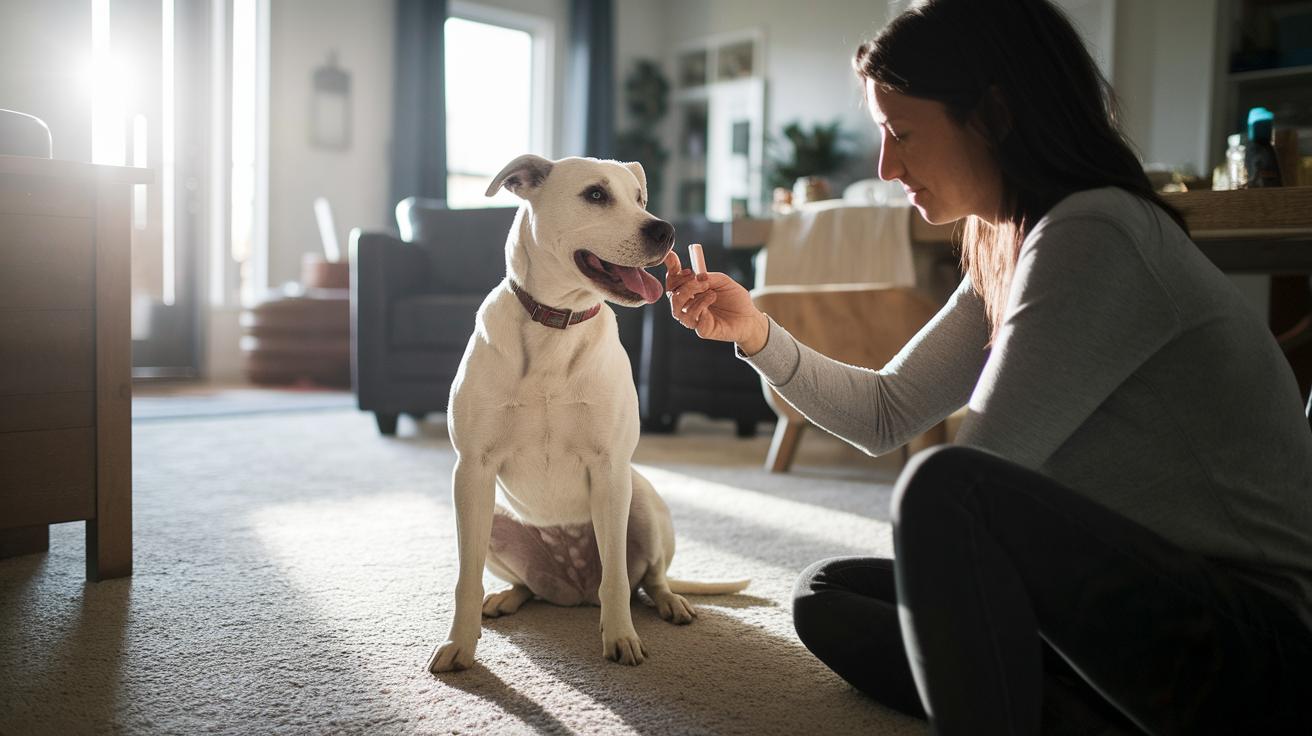
Behavior therapy helps lower a dog's anxiety by getting to the causes of its stress. It teaches dogs to respond positively when faced with situations that once upset them. With the right training, many dogs learn to be more comfortable at home and show fewer signs of separation anxiety. Many pet parents see behavior therapy as a strong first step before using any medicine.
- Counterconditioning: This method swaps out negative responses for positive ones by pairing stressful events with rewards like treats or cuddles.
- Systematic desensitization: This technique gradually introduces a dog to situations that make it nervous (such as recorded sounds) in a controlled, safe way.
- Behavior-modification protocols: These are consistent training steps designed to change unwanted behaviors.
- Vet and trainer collaboration: By working together, a vet and a professional trainer can create a custom plan that fits a dog's unique needs.
Mixing medication with behavior training makes a big difference. Anti-anxiety drugs can help control strong symptoms or sudden flare-ups, while training builds long-lasting change. This combined approach is especially good for dogs with separation anxiety or those overwhelmed by new sights and sounds. Working with both a veterinarian and a trainer gives you a plan that eases immediate stress and helps your dog learn better ways to cope over time.
Crafting the Ideal Anxiety Treatment Plan for Your Dog
Begin by taking your dog for a vet check-up. This exam helps rule out any hidden health problems and shows if your dog's anxiety might be caused by separation, fear, or aging changes. It is an important first step to create a plan tailored to your pet's needs.
Next, work closely with your vet to build a step-by-step treatment plan. First, choose a medication or supplement that fits the level of your dog's symptoms. You might also try behavior therapy methods like counterconditioning (teaching your dog new, positive responses) or desensitization (slowly getting your dog used to a trigger).
Watch how your dog reacts, noting any improvements or side effects. If your dog gets better over time, you may safely reduce the medication. For older dogs with mental changes, continuing medicine might be needed to keep them stable. Each part of this plan is designed with your dog's comfort and safety in mind.
Final Words
In the action, we've reviewed FDA-approved and off-label options, looked at how medications work, discussed precise dosing and potential side effects, and explored natural calming aids and behavior therapy as part of treatment. We examined how each approach helps manage different types of anxiety in dogs.
Remember, treatment must be tailored to your pet's unique needs under vet guidance. With the best anxiety meds for dogs and a customized plan on hand, you're well-equipped to support your furry friend toward a calmer, happier life.
FAQ
Q: What is the best medication for anxiety in dogs?
A: The best medication for anxiety in dogs depends on each pet’s specific triggers. FDA-approved options like Clomicalm, Reconcile, and Sileo are common, with off-label choices such as alprazolam used in some cases.
Q: What are the best daily anxiety meds for dogs?
A: The best daily anxiety meds for dogs include approved treatments like fluoxetine and clomipramine. These are used on a daily basis with doses adjusted by weight and individual response for steady anxiety control.
Q: What are the best over the counter options for dog anxiety?
A: Over the counter options include natural calming aids such as pheromone diffusers, calming chews with L-theanine or chamomile, and supplements. These can ease mild stress, but they should not replace professional veterinary guidance.
Q: What are natural anxiety meds for dogs?
A: Natural anxiety aids for dogs often use ingredients like L-tryptophan, melatonin, and chamomile or involve pheromone diffusers. These methods help soothe dogs during stressful events without prescription medications.
Q: What are some effective anxiety meds for dogs during car rides?
A: For car rides, situational options like dexmedetomidine can help calm anxiety. Calming supplements or devices such as a Thundershirt are also popular choices to ease travel-related stress in dogs.
Q: What can I give an extremely anxious dog?
A: Extremely anxious dogs may benefit from stronger options like alprazolam or higher doses of SSRIs. Collaborating closely with a veterinarian is essential to choose a treatment appropriate for the dog’s needs.
Q: What is the best calming aid for dogs?
A: The best calming aid for dogs can be a vet-approved medication like Sileo for noise phobia or a natural remedy like a pheromone diffuser. The most effective choice depends on the specific anxiety triggers of your pet.