

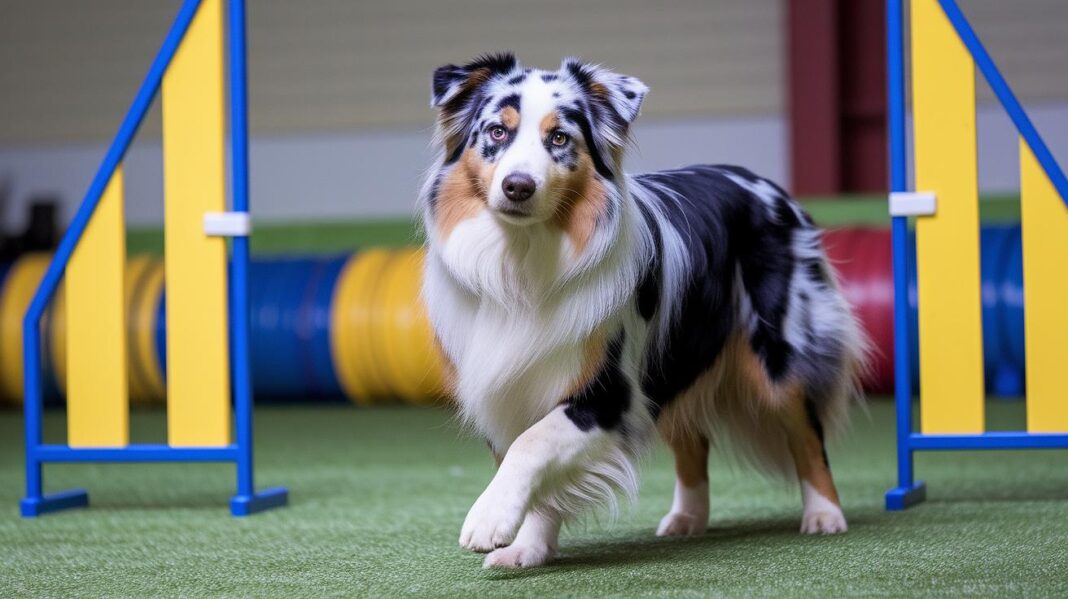

Ever noticed how some dogs seem to have a mind of their own? Australian Shepherds are very smart and love to play. They naturally want to herd, which means they like to control the action. To keep them happy, they need lots of brain games and exercise.
In this article, we explore what makes Australian Shepherds so special and share easy training tips. Short, fun sessions and clear daily routines can help turn all that energy into great behavior.
Read on to find simple ways to help your Australian Shepherd shine every day.
Overview of Australian Shepherd Behavior Traits and Training Foundations
Australian Shepherds are full of energy and very smart. They pick up new tricks quickly and love a good challenge. They are curious and can even figure out clever ways to get what they want, like unlocking a gate to explore. Without enough brain exercise, they can get bored and start acting out.
These dogs have a strong herding instinct that makes them extra alert. They often try to control movement around them and may gently nudge or circle family members during play. Structured activities like simple fetch or controlled herding drills are a great way to use this natural drive and keep them focused.
A balanced training routine is essential for these pups. Short, clear sessions that mix basic commands with fun games work best. Using treats, praise, or a favorite toy is a great way to encourage good habits. Combine this routine with a healthy diet and daily physical and mental exercises, such as puzzle games, to help prevent issues like hip dysplasia. Clear routines and consistent cues build trust and keep your Australian Shepherd happy and healthy.
Managing Energy and Exercise Requirements for Australian Shepherds

Australian Shepherds are lively dogs that need about 1 to 2 hours of exercise each day. They thrive on active routines like long walks, playful fetch sessions, and brain-challenging toys. Keeping them fit also helps protect their joints because extra weight can cause extra strain.
Regular exercise not only builds their muscles but also eases stress and burns off excess energy. When they get enough activity, these smart dogs feel less bored and more focused.
Here are some fun ways to keep your Australian Shepherd active:
- Long brisk walks or light jogs for 30 to 45 minutes
- Playful fetch games in a secure area
- Simple agility or obstacle courses in your backyard
- Herding drills using safe herding balls or gentle livestock simulation
- Puzzle feeders and treat-dispensing toys to challenge their mind
- Organized playdates with other active dogs
Stick to a steady exercise schedule and watch for signs of tiredness, such as slower movement or brief pauses during play. Adjust the intensity as needed to keep your furry friend safe, healthy, and happy.
Positive Reinforcement and Reward-Based Training Strategies
Positive reinforcement means giving your Australian Shepherd praise, a tasty treat, or even a bit of playtime right when they show good behavior. This simple method helps your clever dog learn to connect what they do with something pleasant. For instance, if your dog sits when you ask, offer a small treat and say something nice to show you are pleased.
Pick a motivator that truly makes your dog happy. Find a favorite treat or toy that they just can’t resist. It’s important to reward your dog right away after the good behavior happens. This quick reward helps your pet understand exactly which action earned the treat, like giving a treat immediately when they come when called.
Be sure to use the same cues each time during training. Stick with the same words and gestures so your dog can learn faster and respond better. This simple consistency builds trust between you and your pet and makes training smoother for everyone.
Also, keep an eye on your dog’s body language. A wagging tail or perky ears usually means they’re excited and ready to learn. But if you see signs of confusion or stress, it might be a good idea to change your approach or take a short break. Watching these signals helps you adjust the training to what your dog needs at that moment.
Essential Socialization Practices and Communication Skills
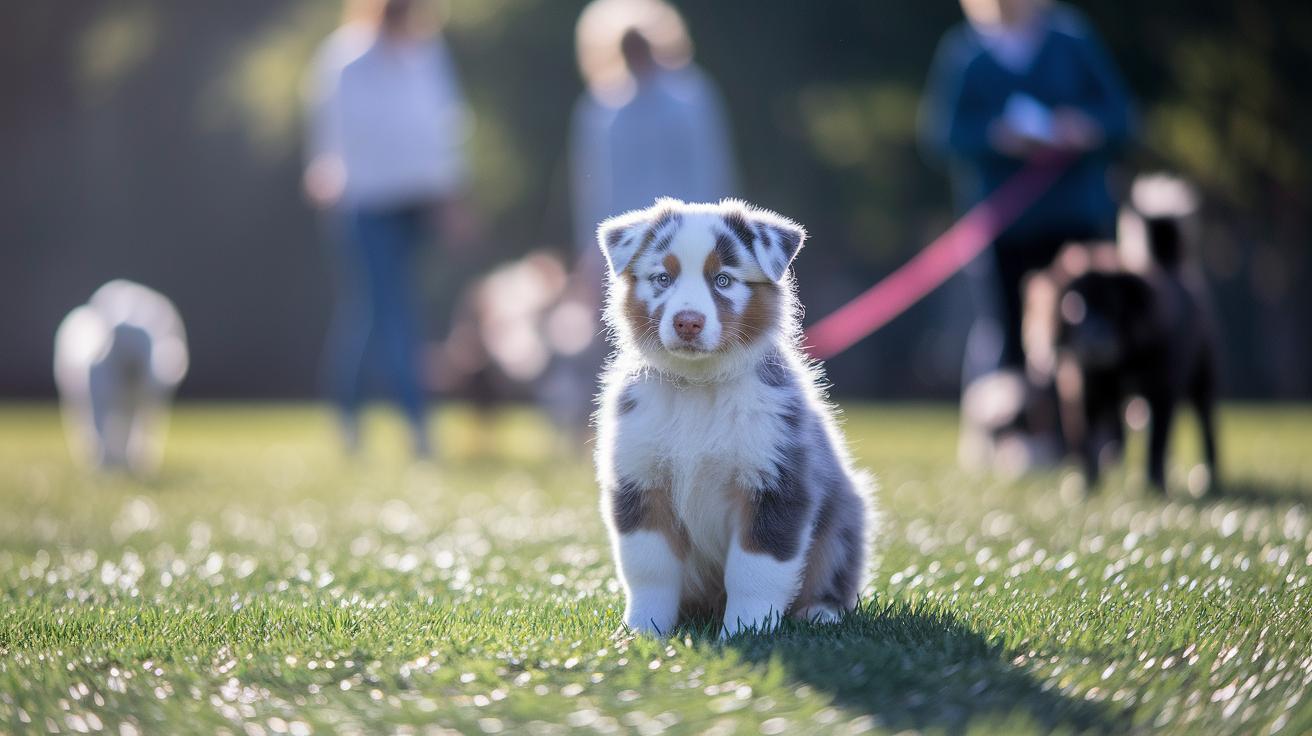
Start socializing your Australian Shepherd when they are young. Introduce your puppy slowly to different people, places, and other pets. For example, take them to a neighborhood park or a small family gathering. This helps build confidence and keeps separation anxiety from taking hold.
Watch your dog's body language closely. A yawn, gentle lip lick, or turning away can show that your pup feels stressed. When you see these signs, slow things down so your pet feels safe. Giving them time to adjust makes all the difference.
When it comes to discipline, use calm corrections instead of punishment. If your energetic dog misbehaves, gently shift their focus to a better activity. This kind guidance respects their sensitive nature and builds trust. It helps curb unwanted habits and makes your bond even stronger.
Advanced Mental Stimulation and Agility Training Techniques
Australian Shepherds need more than just basic commands. They love tasks that challenge both their brains and bodies. Agility drills help build focus and confidence as your dog runs through obstacles and makes quick turns. Short, varied drills keep them alert and excited to learn new tricks.
Mix physical tasks with brain games to give your dog a fun challenge. Try setting up a simple agility course in your yard and follow it up with a puzzle game or scent trail. For example, arrange a few cones for your dog to weave between before using its nose to find a hidden treat. This type of game boosts problem-solving skills while playing to their natural herding instincts.
It’s important to keep your training sessions fresh. Switch between agility runs, fun trick routines, and timed puzzles to maintain your dog’s interest. Changing things up helps avoid boredom and keeps every session engaging and full of excitement.
Addressing Common Behavioral Challenges in Australian Shepherds

When your Australian Shepherd barks too much, try saying "quiet" in a calm voice. As soon as your dog stops barking, offer a treat or praise, like "Quiet, good dog!" This helps your pet learn that being calm brings rewards.
If your Aussie starts nipping at your heels, it’s just using its natural herding instinct. Redirect this by playing tug-of-war or using a favorite toy. If the nipping continues, gently pull away and say "No nipping," then start a fun game to teach proper play.
When your Australian Shepherd shows signs of separation anxiety, start by leaving them alone for short times. Gradually increase the time you are away and reward your dog with a small snack when you come back. This steady practice builds their confidence and reduces anxiety.
For stubborn moments or missed commands, use a firm yet gentle tone with quick rewards when your dog gets it right. Stick to the same commands each time. Over time, your pet will see that following instructions builds trust and leads to positive outcomes.
Structuring a Balanced Daily Routine with Exercise, Training, and Rest
A solid daily plan keeps your Australian Shepherd both active and rested. Mix in some play, training, mind games, and quiet time to help them stay strong and focused. For instance, a morning jog can kickstart your dog’s energy while a midday session of basic training reinforces good habits. A balanced schedule stops your pet from getting too tired and gives them the steady routine they need.
Planning different types of activities during the day helps both body and mind. Setting aside clear times for exercise and fun brain games keeps boredom and worry away. By spreading out the activities, your dog stays interested without feeling overwhelmed. This kind of balance builds endurance and helps your furry friend enjoy a steady flow of energy.
| Time of Day | Activity | Duration |
|---|---|---|
| Morning | Jog or brisk walk | 30 minutes |
| Midday | Basic obedience drills | 20 minutes |
| Afternoon | Mental challenge games | 20–30 minutes |
| Evening | Calm play and rest | 30 minutes |
Making sure your pet has a safe place to relax is just as important as their active times. Pick a quiet, secure spot with a comfy bed where your dog can unwind and recover. This dedicated area helps them relax after a day full of balanced activity.
Final Words
In the action, we broke down core australian shepherd behavior traits and training tips, showing how energy, exercise, and mental challenges shape a healthy pup. We explored reward-based training and positive reinforcement to guide behavior. The article also addressed common challenges and offered clear steps to build a balanced daily routine that fits your pet's needs. Clear, trusted advice can help any pet parent make smart decisions. Every step builds a brighter, active future where your intelligent companion thrives.
FAQ
What are male Australian Shepherd behavior traits and key training tips?
Male Australian Shepherds are known for their energy, intelligence, and herding instinct. They respond well to structured exercise, mental challenges, and consistent, reward-based training to keep them focused and well-behaved.
What are the behavior stages of an Australian Shepherd?
Australian Shepherds progress from a playful, curious puppy phase to an independent adolescent stage before maturing into an attentive adult, with each stage requiring age-appropriate exercise and training adjustments.
Are Australian Shepherds difficult to train?
Australian Shepherds are not inherently difficult to train; they thrive with clear, consistent directions and reward-based methods. Their high energy means they need plenty of exercise and mental stimulation to remain engaged.
What is an appropriate training schedule for an Australian Shepherd puppy?
A young Australian Shepherd benefits from several short training sessions daily, beginning around 8 to 12 weeks old. This frequent practice builds basic skills, reinforces good behavior, and keeps them stimulated.
What common behavior problems do Australian Shepherds exhibit?
Common issues can include excessive barking, nipping, and separation anxiety. These behaviors often stem from boredom and excess energy, making proper exercise, socialization, and training essential.
Where can I find Australian Shepherd training near me?
Finding local training options is easier by checking with your local kennel club, veterinary office, or online directories that list trainers who specialize in herding breeds and active dogs like the Australian Shepherd.
How do I train an adult Australian Shepherd?
Training an adult Australian Shepherd involves patience and consistent reward-based techniques. Regular exercise sessions paired with clear commands help reinforce lessons while accommodating their mature energy needs.
What are the 3 C’s of dog training?
The 3 C’s of dog training are consistency, clear communication, and positive reinforcement. These principles help create a framework in which dogs understand commands and are motivated to learn.
At what age do Australian Shepherds calm down?
Australian Shepherds generally start to calm down around the age of 2 to 3 years as they mature. However, they often maintain a high level of energy, so ongoing exercise and mental challenges remain important.
How do Australian Shepherds compare to similar popular breeds?
Australian Shepherds stand out for their high energy levels, herding drive, and quick learning. Compared to breeds like French Bulldogs with lower energy, they suit active families or individuals seeking a more engaging companion.