



Have you ever seen your pet pant, pace, or tremble? These signs can show they feel scared or uneasy. Acting quickly can help reduce their stress and prevent bigger behavior issues later on.
Simple changes, like setting up a cozy corner, adding fun toys, or doing short training sessions, can really help your pet feel more at ease. In this post, you will find easy tips to soothe your pet and make your home a happier place. Turn their worry into smiles and keep your days bright.
Effective Pet Behavior Help: 5 Quick Strategies to Calm Your Anxious Pet

When your pet pants, paces, or trembles, it shows they might be feeling unsafe. Acting fast can ease their stress and prevent more serious behavior issues. This can happen with dogs, cats, or birds, so it's important to notice these signs early.
Seeing these signals early helps you stop bigger problems like aggression or destructive habits. Whether your pet is reacting to a loud noise or feeling alone, these simple changes can reduce their anxiety and make daily life happier.
Here’s how you can help:
- Create a safe space with comfortable bedding.
- Give them puzzle toys to engage their mind.
- Plan short, frequent walks to relieve energy.
- Use brief training sessions with positive rewards.
- Play soft, calming music in the background.
Pair these quick fixes with advice from a vet or a professional trainer who can provide a plan that fits your pet’s unique needs. This combination not only reassures you that the methods work for your pet but also allows adjustments when needed, resulting in a calmer pet and smoother days for the whole family.
Pet Behavior Help for Separation Anxiety: Proven Solutions for Dogs Left Alone

When you leave your pet alone, you might see signs of stress like pacing, whining, or even chewing on things they shouldn’t. These habits can pop up when your dog's usual routine is changed or when they feel left out. By noticing these warning signs early, you can help ease their distress. Starting with very short periods of separation and slowly increasing the time can make a big difference.
A great way to help your dog adjust is through gradual desensitization. This training method means you slowly get your dog used to being alone, using simple steps both at home and in online sessions that simulate real departures. One pet owner shared how Hobbes, a dog with bouts of aggressive behavior, improved a lot in just six weeks. This shows that a steady, patient approach can help rebuild your pet’s confidence.
| Strategy | Description | Expected Timeframe |
|---|---|---|
| Crate Training | Helps create a safe, den-like space | 4-6 weeks |
| Graduated Departure Drills | Step-by-step practice of being alone | 2-4 weeks |
| Interactive Treat Toys | Keep your dog busy during departures | Immediate to 2 weeks |
Behavior Modification in Pet Behavior Help: Structured Training Plans That Work

When your pet follows a simple routine, life becomes easier. A set schedule helps lower stress and builds trust. Your pet learns what to expect, which makes learning new habits less scary. This clear plan also helps you see progress and know when to try a new method, always with advice from experts and your vet.
Realigning Your Pet’s Daily Routine
Keep your pet on a steady schedule. Regular meal, walk, and play times teach your pet the day’s rhythm. This consistency helps ease worries like separation anxiety or fears. Think of it as setting the stage for a calm and secure day.
Positive Reinforcement Techniques
Good timing matters when you reward your pet. Use a marker like a clicker or a special word right when your pet does well, and follow up with a treat. This shows your pet that it did something great and encourages it to repeat the behavior. It’s a way to build positive habits step by step.
Avoiding Common Pitfalls
Make sure your signals are clear and steady. Mixed messages or too much correction can confuse your pet and increase anxiety. Keeping things simple and consistent makes training more effective and boosts your pet’s confidence.
Plan your week with set times for training and review. Mark moments for routine checks and reward sessions on your calendar. This careful planning creates a safe space where your pet feels supported and helps build a happier, balanced companion.
Natural Calming Techniques for Pet Behavior Help: Holistic Remedies You Can Try

When your furry friend feels uneasy or restless, a natural, gentle approach may help. Simple herbal remedies like chamomile and valerian (soothing herbs) work well when paired with comforting touches like soft bedding or calming scents. Many pet parents love using aromatherapy and pheromone diffusers too, especially when pets show signs of mild anxiety such as pacing or quiet vocalizing during storms or routine changes.
Here are some methods to try:
- Infuse chamomile tea into your pet's bedding. Just soak a small amount into their bedding to help create a calm spot.
- Use a snug pressure wrap or Thundershirt. This gentle hug provides a comforting squeeze that can ease anxiety.
- Try a lavender essential oil diffuser (vet-approved). Run the diffuser in the room to spread a soft, calming scent.
- Set up a scent-trail game. Create a simple trail around your home to keep your pet's mind busy while easing their stress.
Always check with your veterinarian before starting these remedies. A vet can give you advice tailored to your pet, making sure these techniques fit well into a broader plan to keep your companion relaxed and happy.
Expert Advice in Pet Behavior Help: When to Seek Professional Guidance
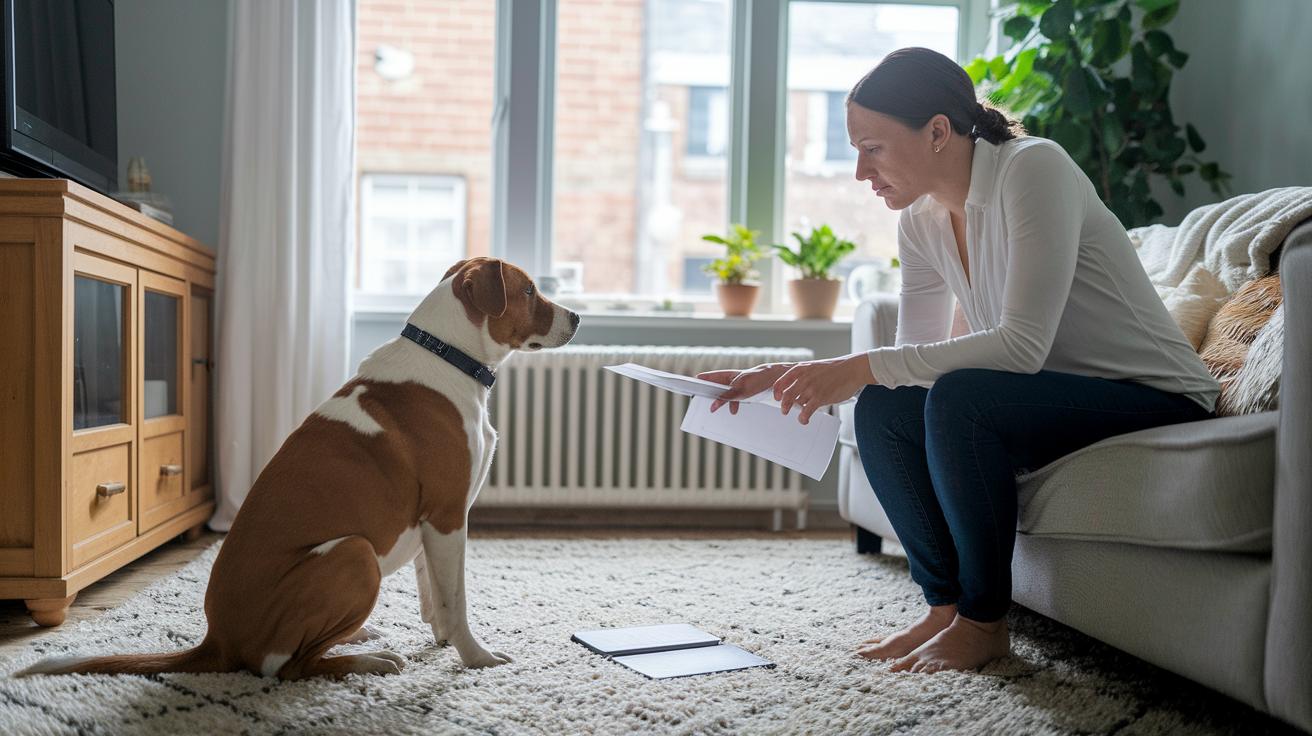
Keep an eye out for signs like self-harm or growing aggression in your pet. These signals mean your furry friend might need help from a trained professional who can spot issues early. Experts with certifications such as CBCC-KA and CPDT-KA, along with experienced vets, use their training to design personalized solutions. They offer help through online sessions or home visits that fit real-life situations, easing your pet’s anxiety and making behavior improvements easier.
If your pet’s issues become serious, working with a pro gives you a clear plan to follow. Professionals with credentials like CCS and VTS use proven methods to track progress. Their guidance helps you set clear goals and avoid mistakes. When choosing a service, ask:
- What certifications do you hold?
- Which methods do you use and why?
- Can you customize a plan for my pet?
- How do you track progress?
- Do you offer remote and in-home sessions?
Before starting, discuss costs, how long changes might take, and how follow-up sessions will work. This honest conversation builds trust and sets the stage for a positive change in your pet’s behavior.
Assessing Progress in Pet Behavior Help: Tracking Tools and Metrics

Tracking your pet’s behavior helps you see real changes over time. When you record even small improvements, you can notice what training works best. Using logs, charts, or even short video clips makes it easy to adjust your methods based on real data. You can also share these records with your vet for extra guidance.
Tracking Behavior Changes
Keeping a daily record of what your pet does is very helpful. For example, write down when your pet shows stress signals like pacing or making noise. This daily note-taking gives you a clear view of both progress and setbacks. It can help you spot small improvements that might otherwise go unnoticed.
Using Assessment Tools
Standard tools like the C-BARQ (a questionnaire used to study dog behavior) or simple tracking sheets help you chart your pet’s actions into clear trends. These tools can show if your pet’s stress or anxiety is decreasing because of your positive efforts. Here are some key details you might track:
| Observation | Description |
|---|---|
| Anxious Episodes | Count how many times your pet shows signs of anxiety each day |
| Vocalizing or Pacing | Note how long your pet makes noise or paces around |
| Obedience Response | Record how accurately your pet follows commands |
| Time in the Safe-Zone | Measure the time spent calm without stress signals |
Reviewing these details every few weeks is an important step. Many owners see noticeable changes in just 4 to 8 weeks. With regular tracking, you’ll know what works best and when to tweak your approach to keep your pet on track toward a calmer, happier life.
Pet Behavior Help Success Stories: Real Case Studies and Outcomes

Many pet parents have seen their nervous pets become calmer, happier friends with the right guidance. Real case studies show that steady training and help from professionals can really change a pet's life. Watching a pet go from daily stress to peaceful moments gives you the boost to keep trying.
Hearing success stories from other owners and experts makes the process feel within reach. For example, several clients have enjoyed a mix of online and in-home training sessions that easily fit into busy schedules while meeting each pet's unique needs.
| Pet Name | Behavior Issue | Outcome | Duration |
|---|---|---|---|
| Hobbes | Aggression, anxiety | 80% fewer outbursts | 6 weeks |
| Luna | Separation whining | 70% reduction | 4 weeks |
Setting up a consistent routine, speaking clearly, and working with professionals are key to success. When all these elements come together, pets feel safe and ready to change, leading to happier days ahead for both pets and owners.
Final Words
In the action of guiding pet parents through clear, rapid strategies, this article broke down common anxiety signs, rapid calming techniques, and structured training plans. It highlighted key steps like creating a safe zone, using playful mental stimulation, and engaging with professional help. The piece also touched on tailored tips for separation anxiety and tracking progress over time. Remember, tackling pet behavior help with calm and evidence-based steps can bring lasting relief and a happier, healthier pet. Enjoy the positive changes ahead!
FAQ
How do I find pet behavior help near me?
Finding pet behavior help near you means checking local directories, asking your vet, and reading online listings. These sources lead you to nearby specialists who can provide personalized guidance.
What are some pet behavior help reviews?
Pet behavior help reviews offer insights from fellow pet owners on service effectiveness, communication, and practical results. Reading reviews can help you choose a provider that fits your needs and comfort level.
How can I get free pet behavior help?
Free pet behavior help may be available through community programs, online forums, and non-profit organizations dedicated to pet wellness. Check local shelters and pet support groups for additional free resources.
How do I use a pet behavior help calendar for scheduling?
A pet behavior help calendar organizes appointments, follow-ups, and training sessions. Using it ensures you keep track of sessions and helps in planning consistent support for your pet’s progress.
Where can I find pet behavior help on Facebook?
Pet behavior help on Facebook comes from groups and pages managed by professionals and community experts. These platforms allow you to ask questions, share experiences, and receive peer advice.
What is the cost of pet behavior help?
The cost of pet behavior help varies by provider, session type, and location. Prices may differ between in-home and virtual sessions, so it is best to contact local professionals for specific pricing details.
How do I find a dog behavioral therapist near me?
Finding a dog behavioral therapist near you involves searching online directories, asking your veterinarian for referrals, and reading local pet forums. This will help you connect with qualified experts for your dog’s needs.
How does behavioral training help dogs with anxiety?
Behavioral training for dogs with anxiety involves step-by-step methods that teach coping skills and relaxation. It uses rewards and consistent practices to reduce anxious behavior and improve your dog’s confidence.
Which organizations offer trusted pet behavior help services?
Trusted organizations include Whole Dog Institute, Cheery Dogs LLC, Always Pawsitive Dog Training, Grace Park Animal Hospital, Kildaire Animal Medical Center, and Swifthounds. Their services have been reviewed positively by many pet owners for effective behavior improvement.